Last week I shared some photos from my recent visit to the Alberta Birds of Prey Centre in Coaldale. Here’s the video from that trip, featuring encounters with several owls and a couple of baby ravens. This is the first time they’ve ever had baby ravens at the centre, and I just happened to be there for it. A truly magical experience.
Thanks again to everyone at the Alberta Birds of Prey Centre for the important work they do. You can learn more or support them at burrowingowl.com
The past few weeks have been a whirlwind of excursions to gather photo reference. Rather than spread it out over the summer, I decided to group several trips together while the venues were quieter and before school let out.
In that short span, I’ve visited Discovery Wildlife Park, Heritage Park, and Butterfield Acres, gathered plenty of photos of bear cubs, and a lot of barnyard animals for a domestic series I’m planning. You can see those posts and pictures by clicking on the venue names above.
Last week, I headed south to Coaldale, just outside of Lethbridge. I’ve been supporting the Alberta Birds of Prey Centre for several years now with a monthly donation, and I’ve enjoyed getting to know the owner/operator, Colin Weir. He’s a very nice man, completely dedicated to his purpose, and has turned what was once a barren gully in the 80s into one of the most beautiful wetland sanctuaries you’re likely to see anywhere.
The centre is home to temporary rescues and permanent residents, while migrating wild birds return to its ponds every year. There’s even a pair of wild Great Horned Owls that nest on the property, and their offspring come and go from the centre as they please.
On this trip, one of the staff pointed out this year’s young owls perched in a tree, watching one of the school presentations.
Every time I visit, I not only marvel at the improvements and Colin’s vision for the future of the facility, but I’m continually impressed with how well cared for the birds are, both those slated to be released back into the wild and the permanent residents. With all the photos I’ve taken the past few weeks, I have to get them weeded and sorted as soon as possible. If I don’t, they’ll sit in my “Photos to be Sorted” folder for far too long and become one more thing I need to get to.
I consider myself a decent photographer, but not a good one. Because I know so many professional wildlife photographers, my metric is very high. I’m not on their level, but nor do I want to be. I don’t make my living selling photos, but on the paintings I create inspired by the pictures I take. So while I like them to be good enough to share with all of you, they’re a means to an end, not the final product.
That also means I’m a spray-and-pray photographer. With my camera set on burst mode, I’ll take ten shots in rapid fire just to hopefully get one worth keeping. I usually come home with 1,000 to 1,500 shots from a day of critter photography, depending on what I see. Most of those are discarded on the first pass. When I’m sorting photos, the first thing I’m looking for is whether they’re in focus. If they don’t show crisp detail, I usually delete them.
The second thing I’m looking for is expression. Is there something there that’s unique, that would help me find the personality in the subject? The third thing is, does it make me feel something? If it makes me laugh, or I think it’s cute, sassy, or any number of emotions, that means there’s probably a painting there, or at least the potential.
Sometimes what saves a photo that isn’t technically perfect is the second or third criteria. Because most people never see most of my reference, I’ve used bad photos to inform some of my best paintings.
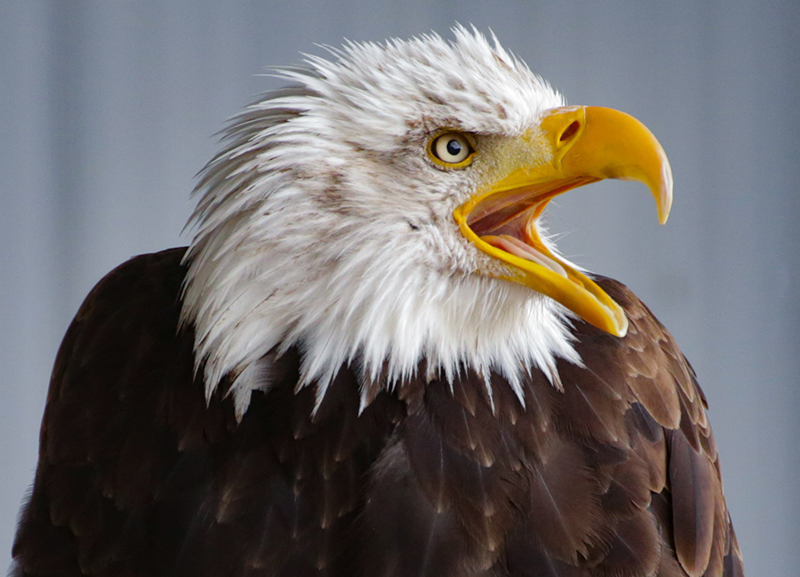
On this recent trip to Coaldale, I took a lot of photos. Because I’ve been there many times, what I would have kept on the first trip, I threw away from this latest one. I’ve already got plenty of bald eagle photos in my archive. Anything new worth keeping must bring something special to the party. Not just good light or sharp detail, but something that inspires. A personality shot. If I keep every good shot, I’ve just got a folder full of the same kind of head-and-shoulders bald eagle photos taking up space.
The first pass, I’m pretty forgiving. If it’s a good shot, I’ll keep it. Then I let the keepers sit for a couple of days and look through them again. That’s when a bunch more go to the recycle bin. On the final pass, I ask myself, “Will I ever paint from this? Is this a photo I would choose as reference for a painting or a sketch?”
If the answer is a hard no, it’s gone.
So when I sorted photos from this recent trip, I deleted about thirty photos of the same eagle. They were good shots, but they were all the same. Basically anatomy photos, nothing special.
But then I came across one where the eagle had stretched up straight, pulled his head back, was looking off camera, and it made me smile. It looked to me like he was saying, “You talking to me? Are YOU talking to ME?” So that’s a keeper.
Will I paint from it? Maybe.
The photos I keep provide me with options months or years down the road.
With all the photos I took recently at Discovery Wildlife Park, Heritage Park, Butterfield Acres, some osprey shots here in Canmore, and the Birds of Prey Centre trip, it’s taken several days of sorting and culling photos to figure out what I wanted to keep.
I can’t always take my own photo reference, especially when the animal is one I don’t have access to, like a sea turtle, cheetah, or African elephant. I’ve had generous photographer friends offer their images from time to time. But taking my own photo reference has become one of my favourite parts of painting my critters.
The experience of spending time with the animals, seeing the expressions and personalities, adds a flavour to the painting experience that’s missing with stock photos. There is one final category of photos I’ll keep, but won’t likely ever use for reference, and that’s the memory of the experience.
If I’ve been able to interact with an animal in an unusual situation or had a special moment with a critter, those photos are priceless, and often taken by the caretaker I’m with. They help me tell the stories behind the paintings, and they remind me why I make the effort in the first place. These moments, where I’ve had a bear cub crawl onto my lap or been granted a feeding session with an owl, are so fleeting. They’re over before I know it.
The photos help me remember them and push me to get out there to find the next experience. I always learn new things about the birds while talking to Colin and his knowledgeable staff. And frankly, they’ve spoiled me with some incredible animal encounters over the years. This trip was no different.
As much as I enjoyed coming home with new reference, the highlight of this visit wasn’t the photographs. I’ll be sharing more on that once I edit and publish a video in the coming week. That story deserves a post of its own.
Here’s a sneak peek, and yes, that’s a baby raven.
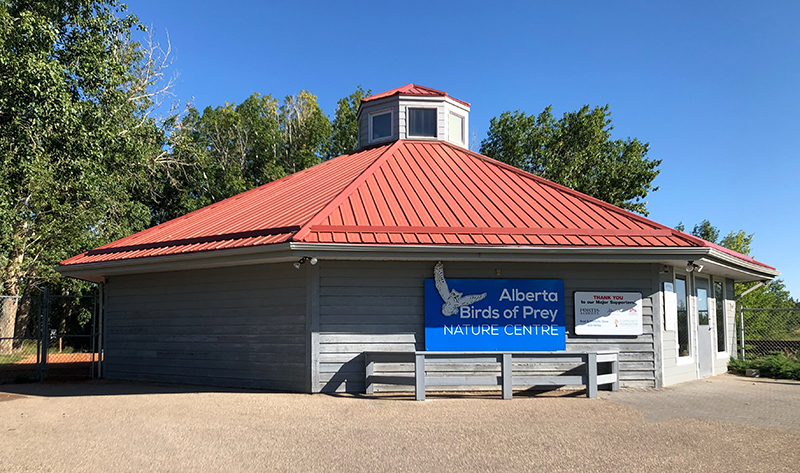
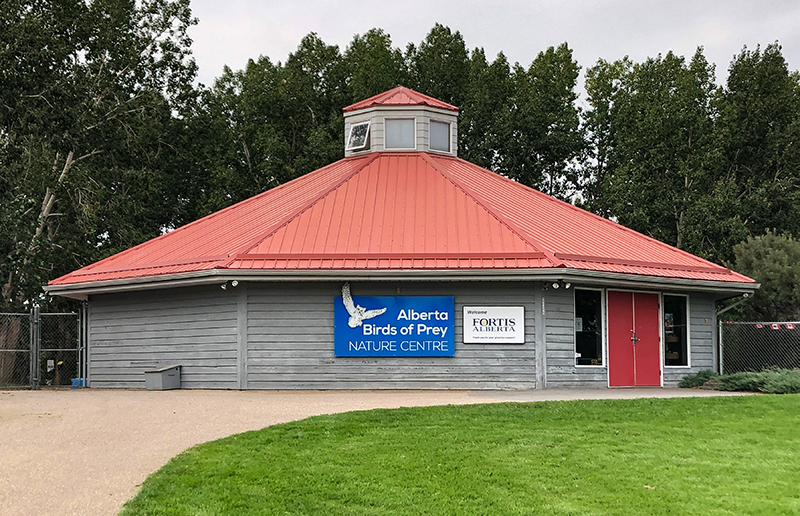
The Alberta Birds of Prey Centre in Coaldale, Alberta, just outside of Lethbridge.
This weekend marks the end of the visitor season for the Alberta Birds of Prey Centre in Coaldale, Alberta. It’s a welcoming and beautiful facility home to many species of owls, hawks, eagles, and more.
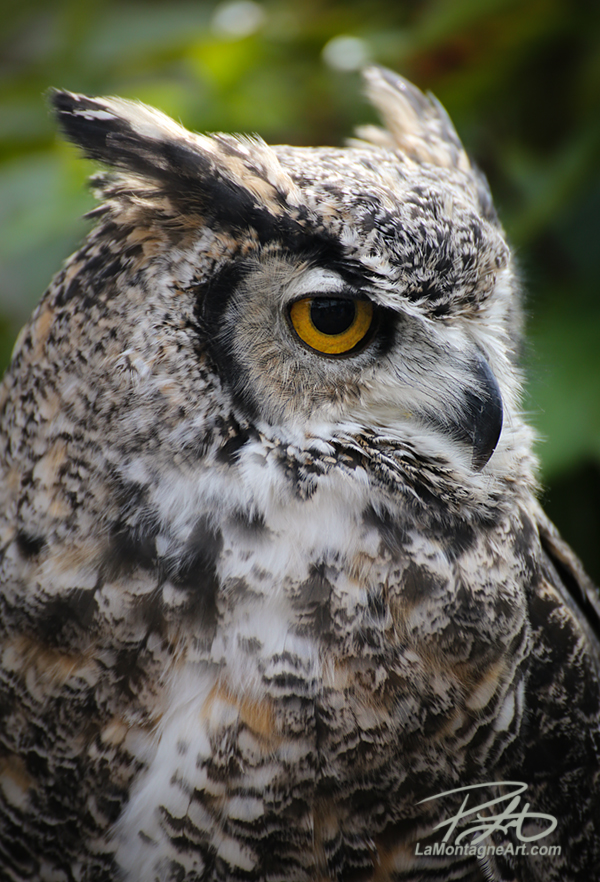
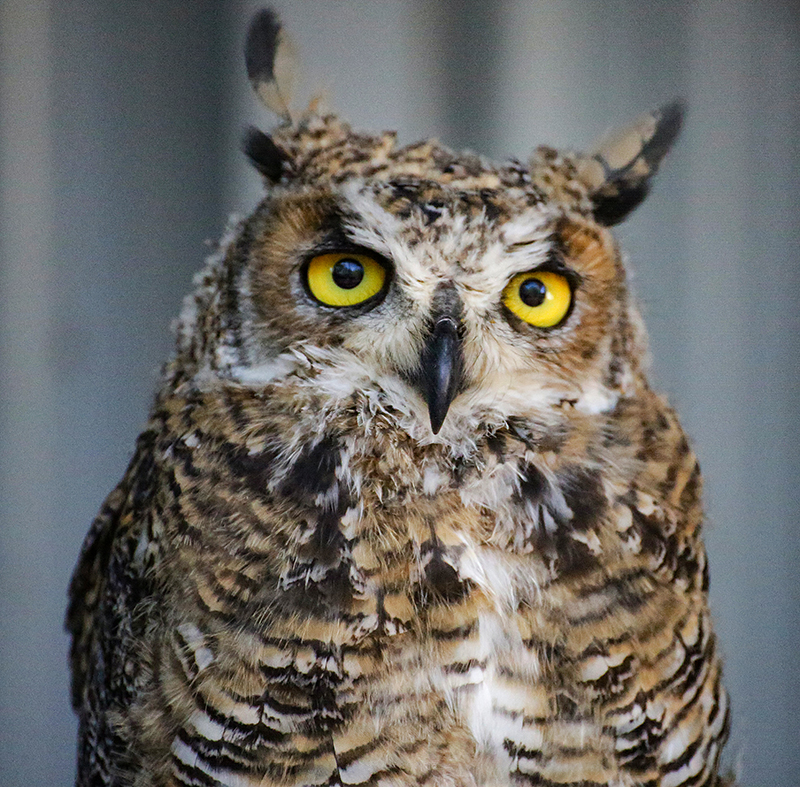
A juvenile Great Horned Owl
Cofounded, owned and operated by Colin Weir since the early 1980s, the dedication it takes to keep this place going is remarkable and impressive. On days I feel sorry for myself for not having had a day off in weeks, I remind myself that people like Colin (and my friend Serena at Discovery Wildlife Park) go many months without a day off, and sometimes that’s only a sick day when they’re really ill.
Caring for animals is a calling, and these critters require constant care. When I expressed my admiration for his commitment, Colin humbly dismissed his efforts and likened it to farming, saying it’s a lifestyle more than a job.
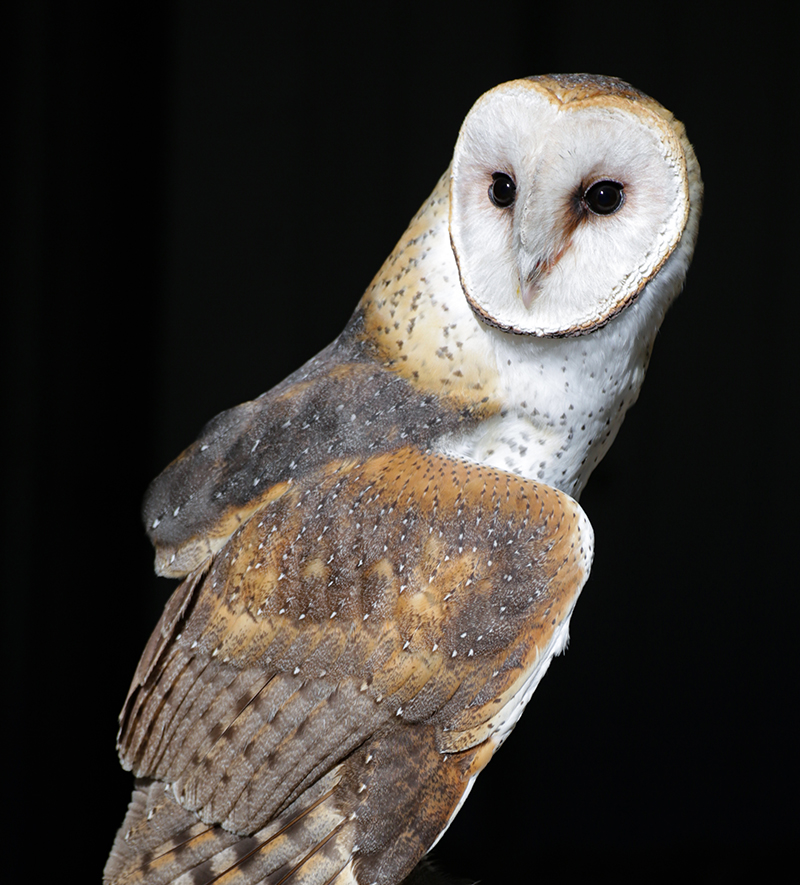
A Barn Owl. The background in shadow made this capture look like a studio photo. Sometimes it almost looks like I know what I’m doing. Almost.
Colin is on call 24/7 year-round to rescue birds from all over Alberta. Though he can’t always be there in person, he’s told me that sometimes people just need encouragement and advice, a supportive voice on the phone to help them do what they can for a bird in need.
While many adult birds they rescue are nursed back to health and released, it’s not so cut and dry for birds missing a wing or for the little ones. Some will never develop the skills to survive on their own, but they find a home at the centre.
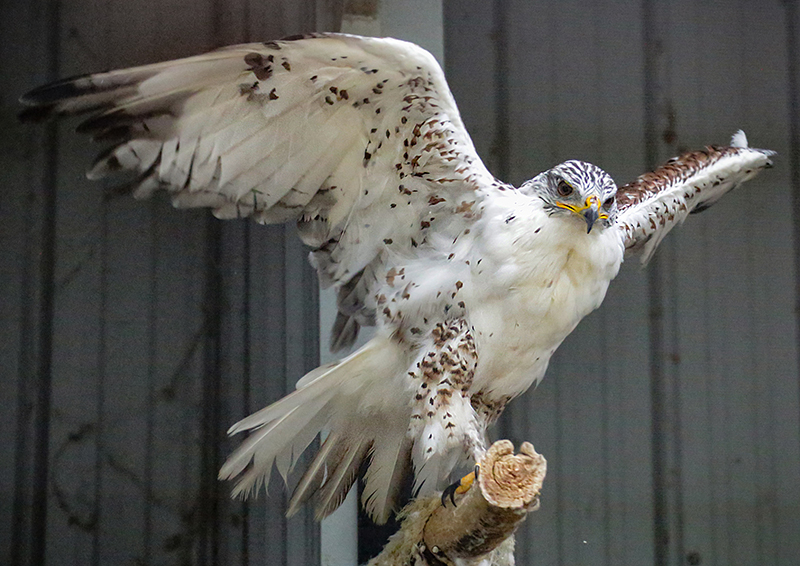
A Ferruginous Hawk. I have to look up the spelling every time.
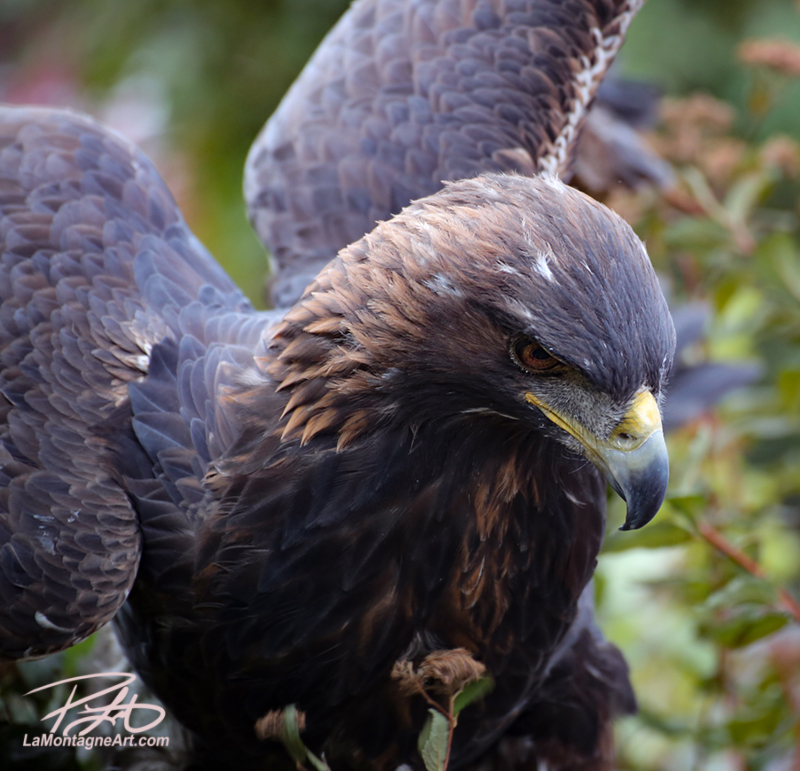
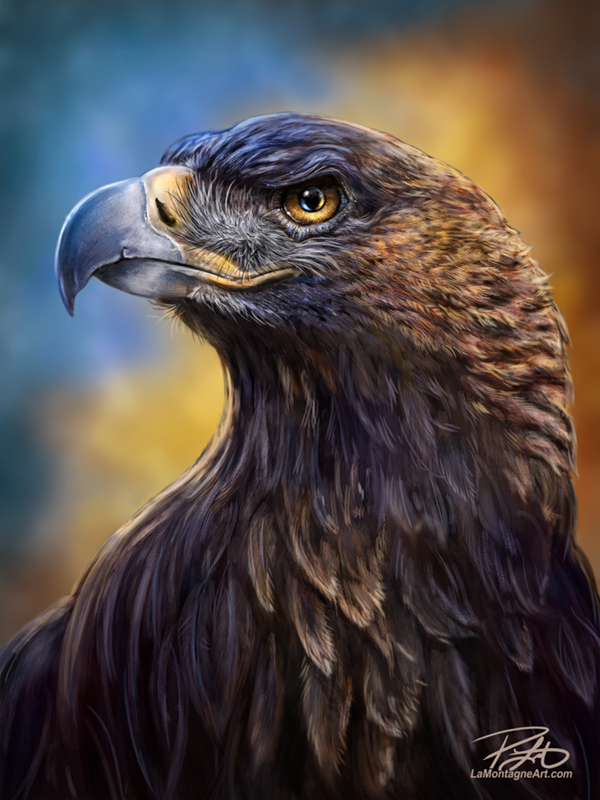
Years ago, I painted a Golden Eagle named Sarah. I had taken the reference for the painting when I first met Colin and his daughter, Aimee, on their visit to Canmore with some of their birds for a wildlife event. Sarah has been with Colin since she was a year old, and I was delighted to see her again. She is still healthy and doing well at 42 years old.
From their website, “We do not receive any government operating subsidies, which means we rely solely on donations and volunteers to keep the birds fed and cared for year-round. One hundred percent of all donations we receive is spent on programs and projects that directly benefit the wildlife and wetland habitat we strive to conserve.”
I could go on at great length about their incredible work for wildlife conservation and rehabilitation, but I’d rather you visit their website as it does a much better job than I would.
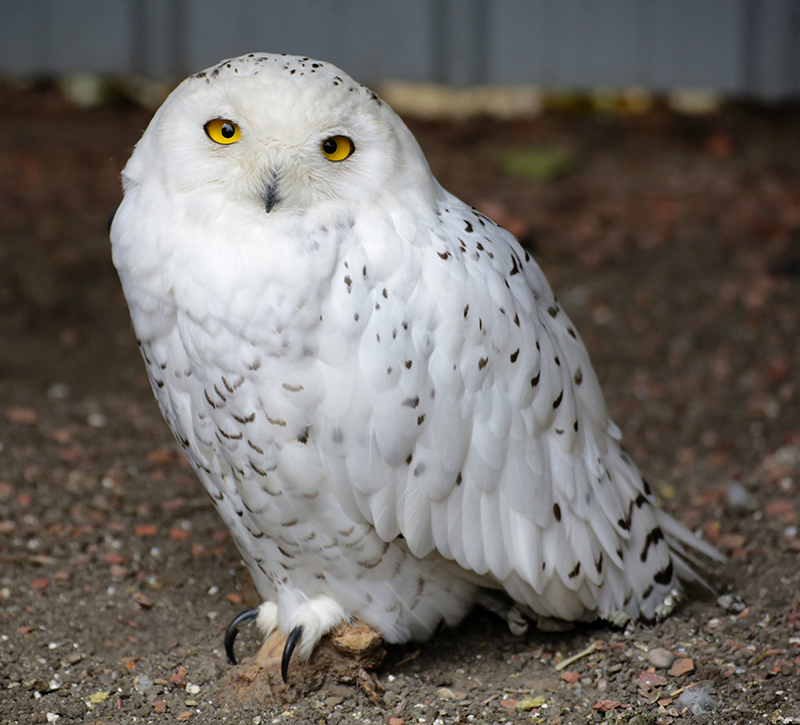
Snowy Owl. I got some really nice shots of this little lady, including some reference that will no doubt inspire a painting.
The Alberta Birds of Prey Foundation is an official charity, and I’ve been supporting them with a monthly donation for several years, but I’ve only been to the centre three times. It’s a 4-hour drive, which usually means an overnight stay.
From deadlines and workload to weather and wildfire smoke, something came up every time I planned to get down there this year. But with the season ending, I had to make it a priority this past week or wait until next year.
As luck would have it, Wednesday was one of the worst rainstorms I’ve seen in years. There was a heavy downpour for most of the drive, with a strong crosswind from Calgary to Lethbridge. With poor visibility, water-filled ruts grabbing at the tires, and fun with hydroplaning, I was relieved to arrive in Coaldale at about 1 PM.
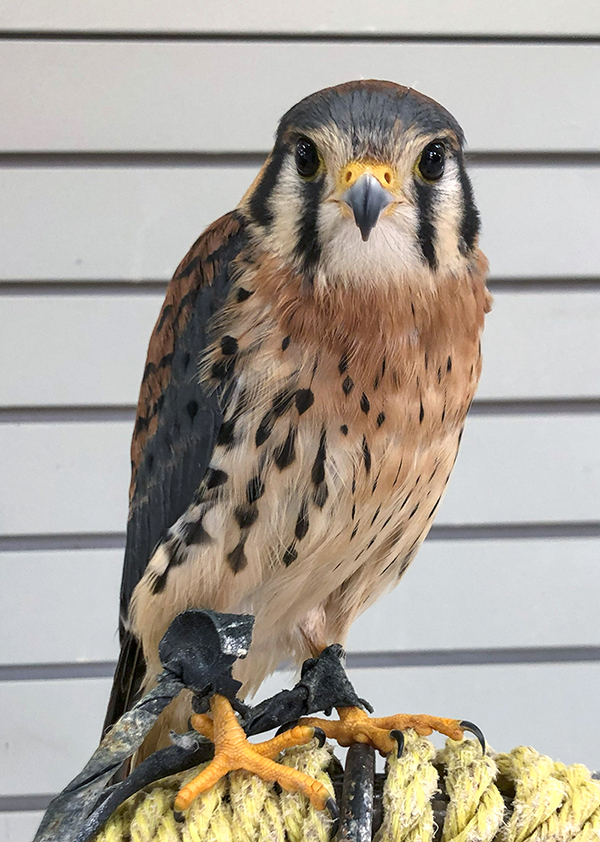
This little Kestrel is full grown, but adorably small.
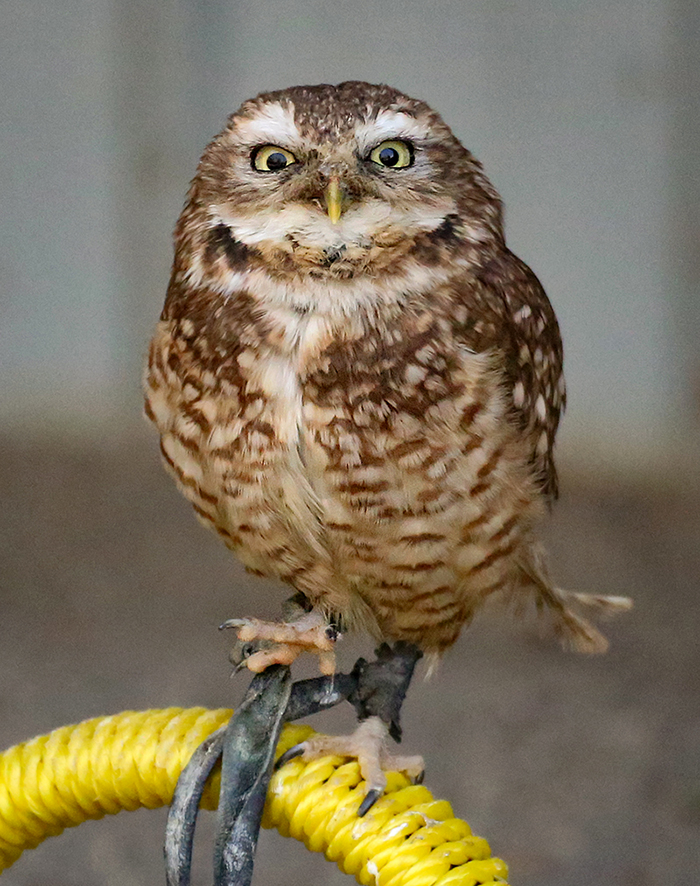
Finally, inside the centre’s entrance, I was met by adorable juvenile Burrowing Owls, a young Saw-whet Owl, and a Kestrel, all on perches, chortling and squawking away.
I immediately started snapping pics with my phone, thinking, “I want to paint you, and you, and you, and all of your friends and family.”
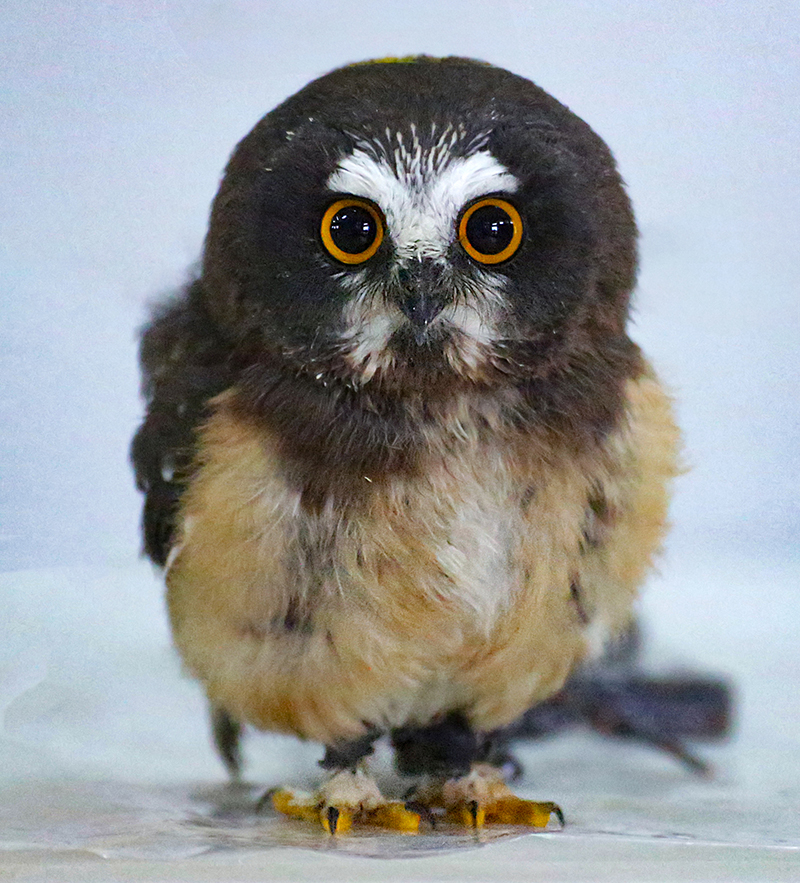
Northern Saw-whet Owl
Colin had told me he was hosting a large group that day, but one of the staff said they had to cancel because of the weather. At that moment, I was the only guest in the whole place. I spent the next few hours taking photos on what felt like my own private tour.
On the weather app radar, the vast rain system occupied much of southern and central Alberta, rotating like a tropical storm. However, the eye settled and turned over Lethbridge and Coaldale for most of the afternoon. Cool and blustery, but no rain for a while, and fantastic light. A few other guests showed up, but the afternoon was quiet.
Just before 4, the rain began again, and I retreated to my hotel for the evening. It poured all night, but I woke to a clear morning and a light wind, perfect for another visit with the birds.
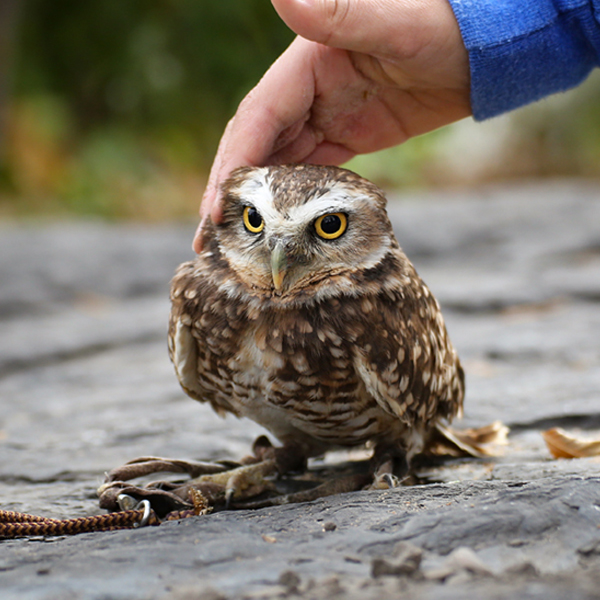
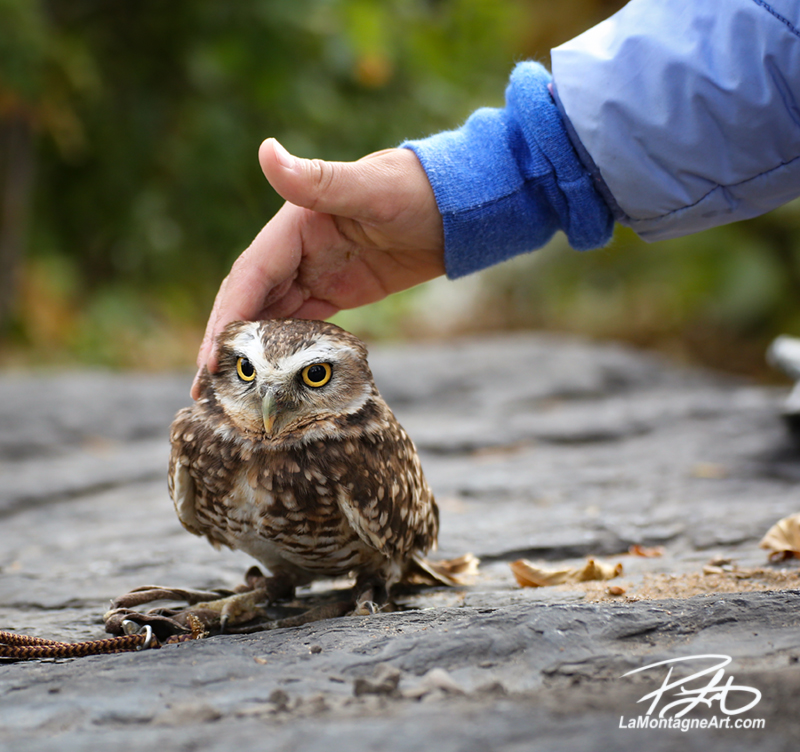
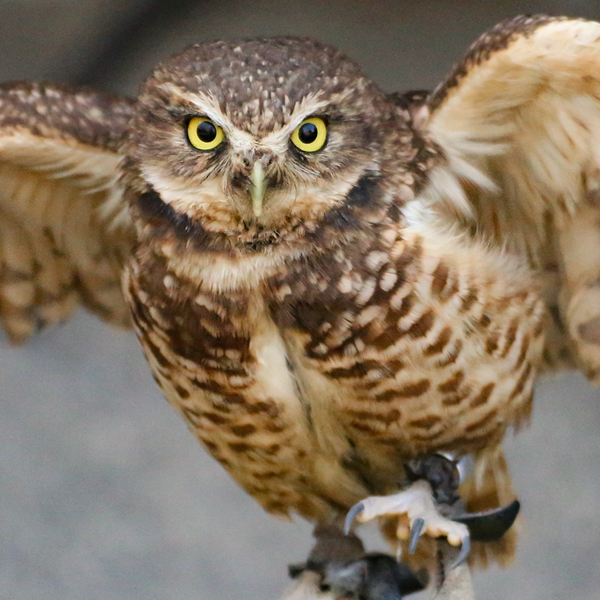
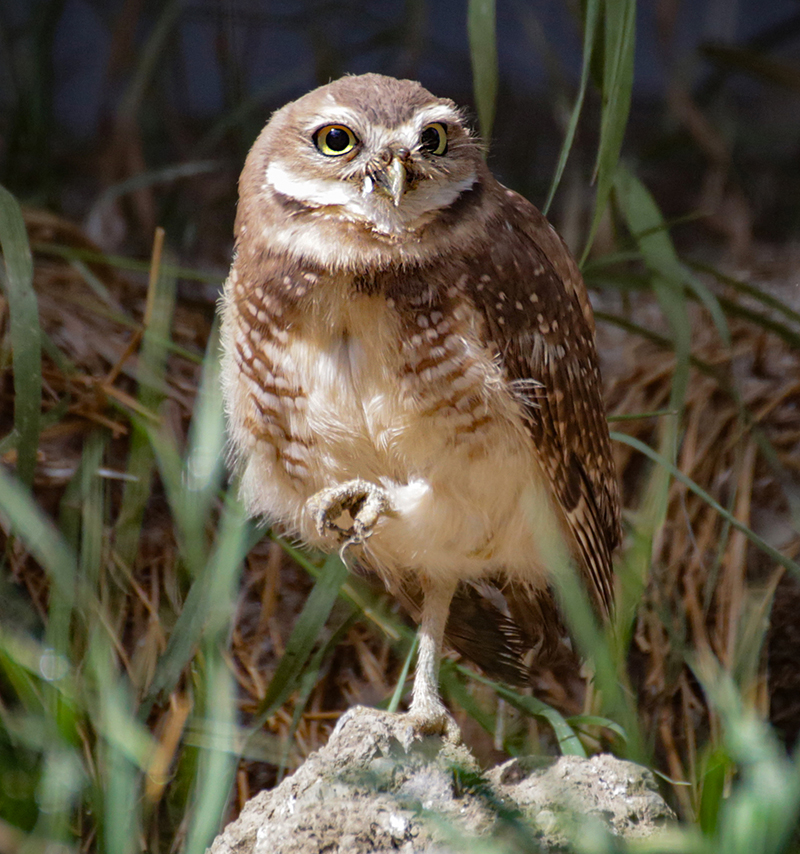
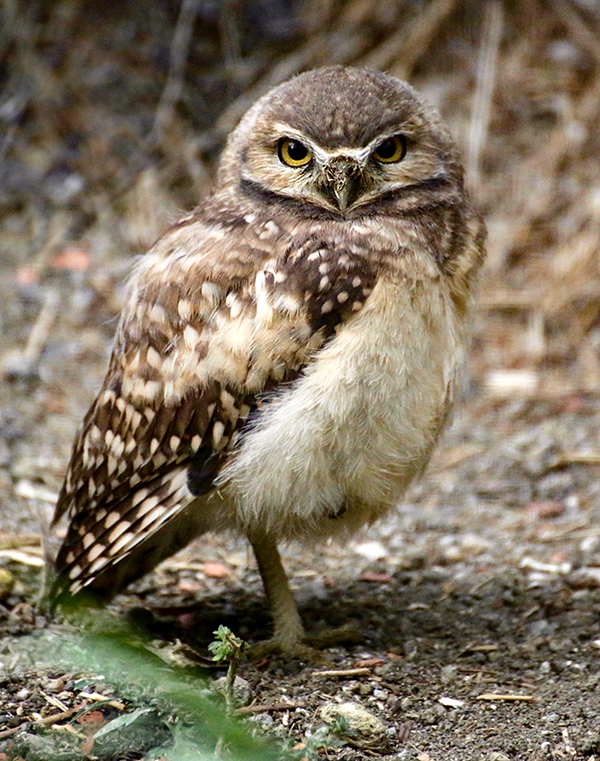
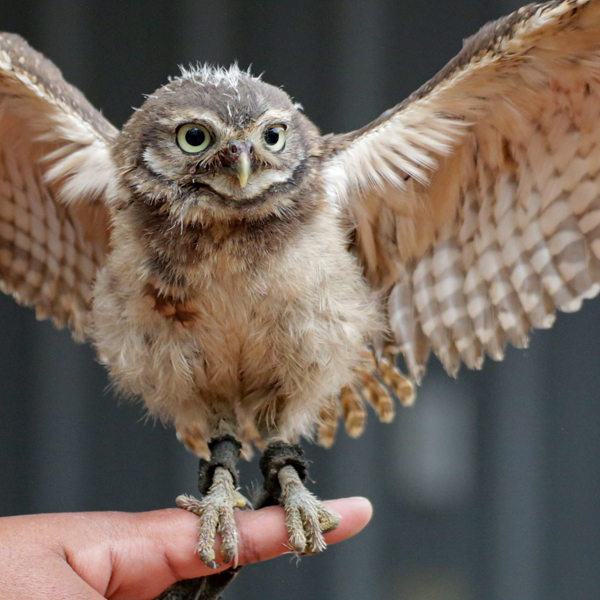
One of my favorite features of the Alberta Birds of Prey Centre is their Burrowing Owl breeding program. An endangered species, the foundation has released Burrowing Owls into all four western Canadian provinces.This juvenile Burrowing Owl has big owl attitude. They all seem defiant and feisty, right up until they run for cover.
One of the reasons I wanted to get there before they closed for the season was to try and capture some shots of the flight training. For birds that can’t be released, they get regular exercise on two long runways where they fly back and forth for food.
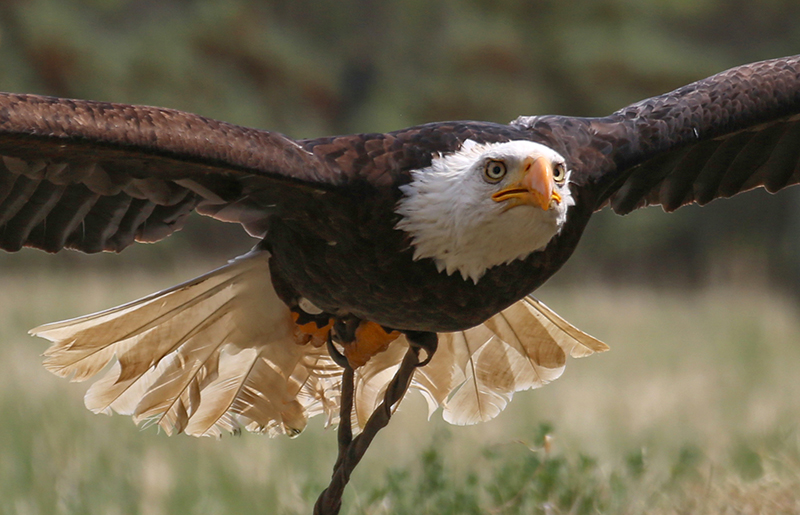
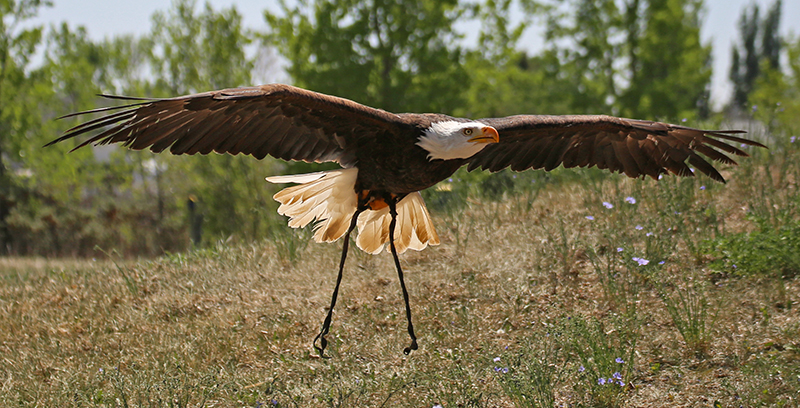
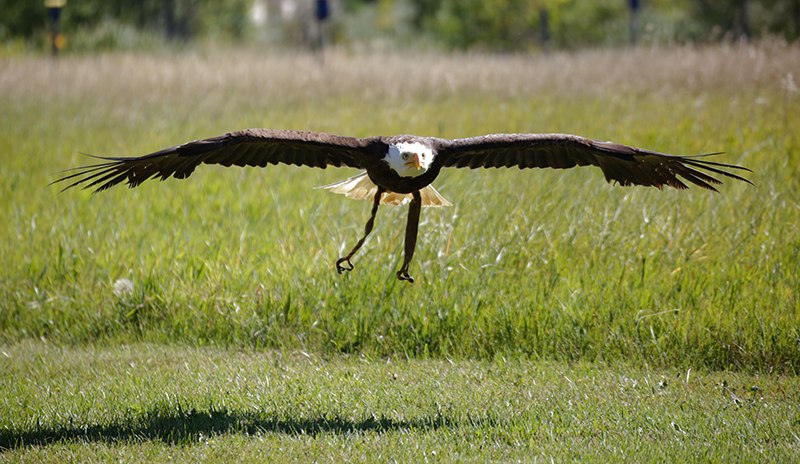
Jefferson the Bald Eagle getting some exercise
Our romantic notion of eagles flying for the sheer joy of it, simply because they can, isn’t supported by reality. Birds of prey are pretty lazy, and if they don’t have to hunt, they’ll sit in a tree all day. The caregivers at the centre need to be careful not to feed them before flight training because if they aren’t hungry, they won’t fly.
I think her name is Grace.
They also tend to overheat, and it only takes two or three flights down the runway before an eagle will pant like a dog to cool off. After the training, they’re taken back to the aviary when handlers allow younger guests to give the birds a rain shower with the hose to help them cool down, something the birds clearly enjoy.
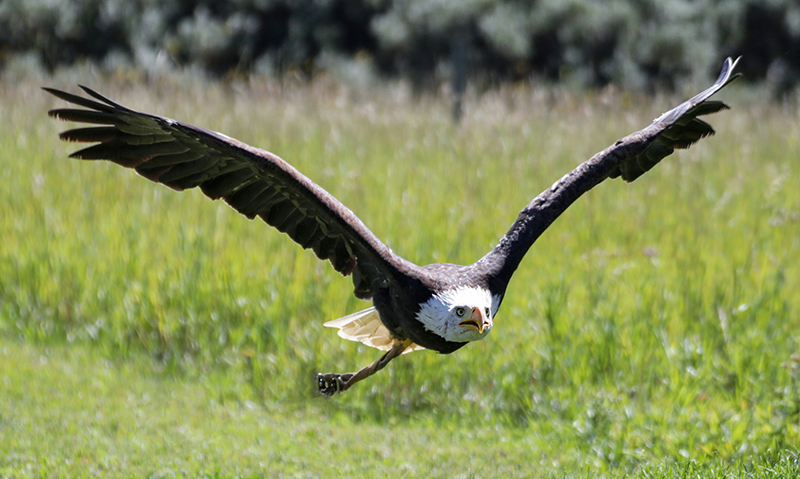
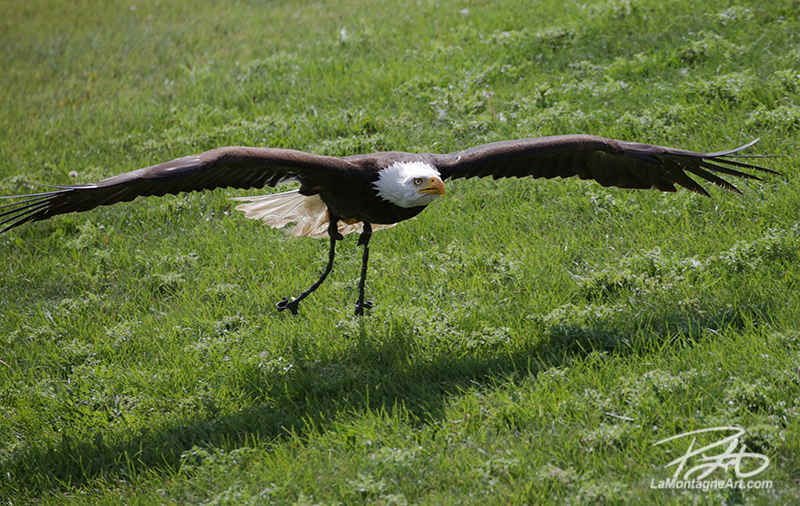
Jefferson, staying low to the ground for most efficient energy use, eyes locked on the piece of chicken he’s aiming to capture.
While the storm conditions made the light great on my first day, the wind cancelled the flight training. Clear skies and sunshine on Thursday made for good flying conditions, but the light was too bright, so while I enjoyed watching them fly, I didn’t get any good action shots for painting reference.
Wildlife and weather, you can’t count on either.
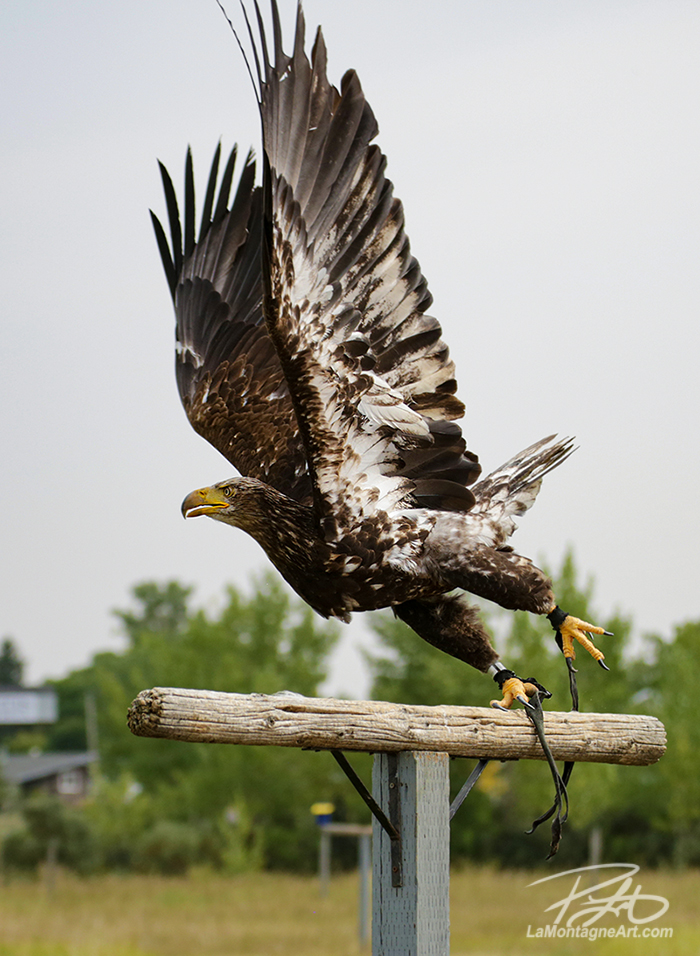
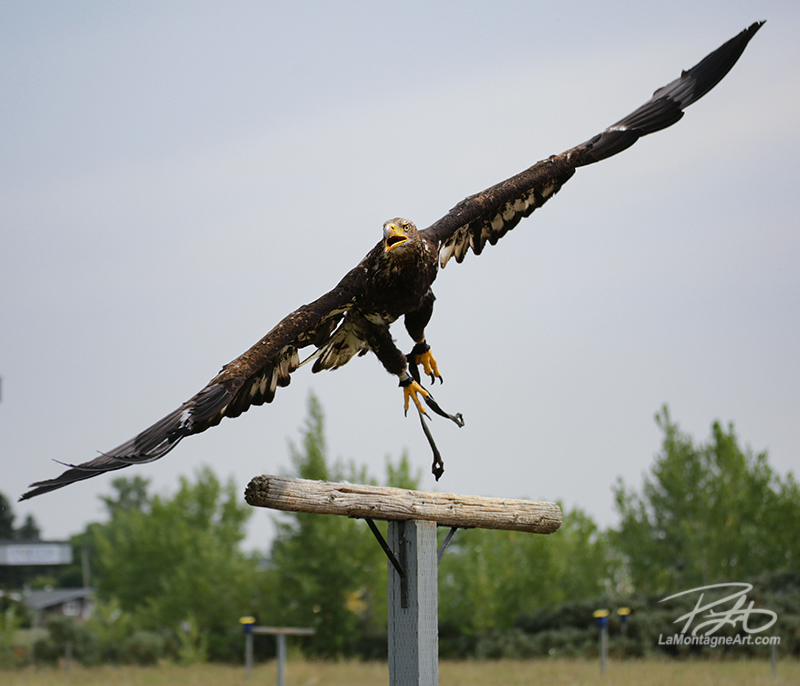
A juvenile Bald Eagle. The crown feathers eventually turn completely white between four and five years old.
I still took plenty of reference photos for future paintings, especially for one bird I’ve wanted to paint for years. And had I returned home with only the shots I’d taken thus far, I would have been pleased with the visit.
But after the first flight training, Colin texted me to meet him at the gift shop. He’d been off the property on Wednesday and responding to a rescue call that morning, so I hadn’t seen him yet.
I was pleased to see him again, as I hadn’t since my last visit in 2021. Colin told me he had a surprise for me outside. We walked out to his truck with Miyah, one of the senior staff, and he said he was going to let me release two Swainson’s Hawks back into the wild.
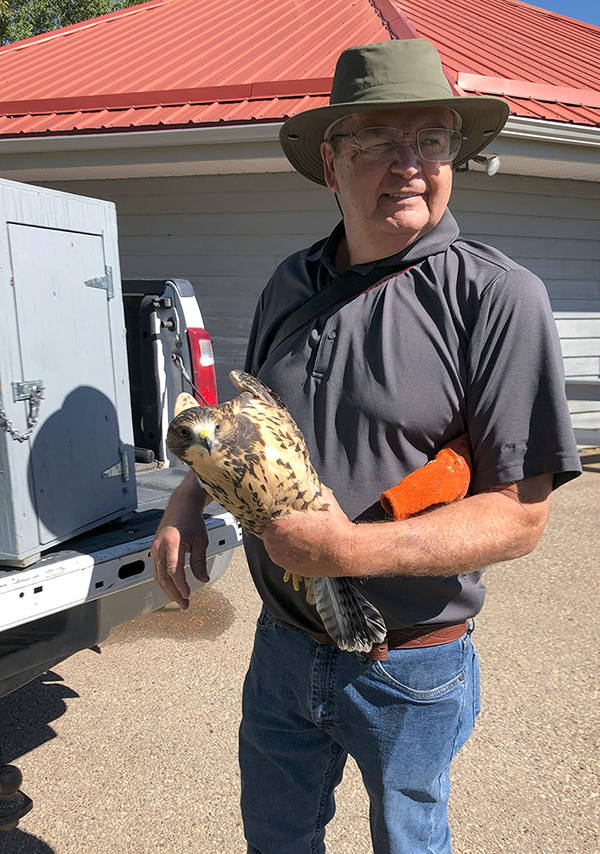
Cofounder, owner, and operater, Colin Weir, readying a Swainson’s Hawk for release back into the wild.
I would have been content just to see a release, but to let one go myself (let alone two) was an unexpected thrill. I thought perhaps I’d just be opening the door on a box, but I soon realized Colin was about to hand me an adult hawk…twice!
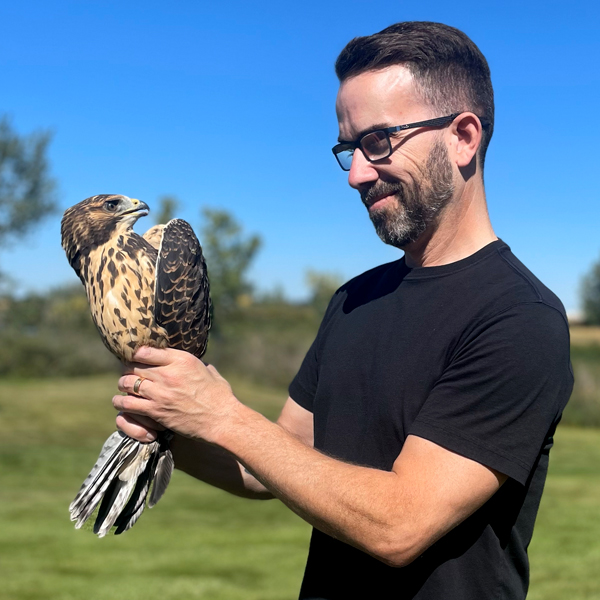
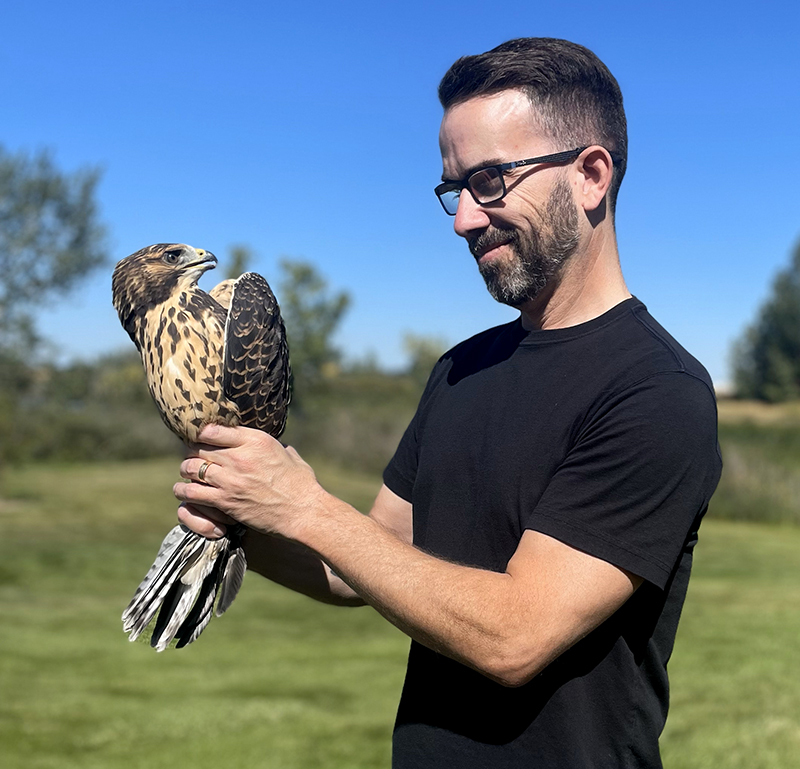
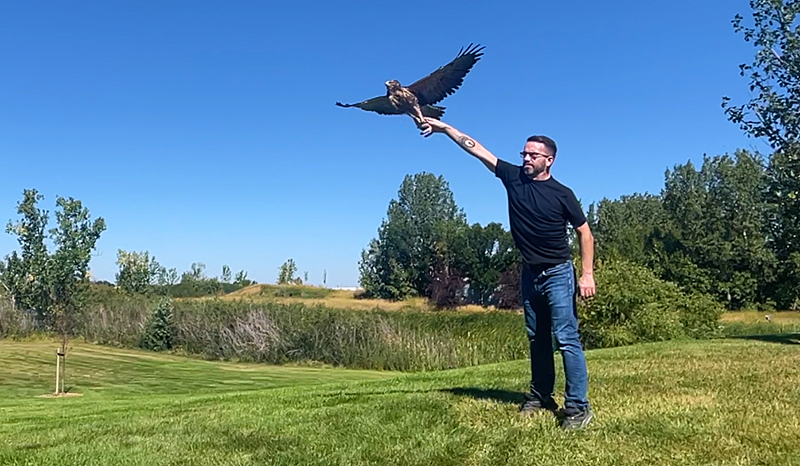
A rare privilege, holding a Swainson’s Hawk, about to release it back into the wild. At this moment, I’m thinking, “hold tight, but not too tight.”
Obviously well practiced in making this experience memorable for anyone granted this honour, Colin’s instructions were clear and specific to ensure the birds’ safety and be in the correct position for the best possible photos. He and Miyah had cameras ready to capture the releases and took plenty of pictures for me.
The second Swainson’s Hawk, unimpressed at my violation of its personal space.
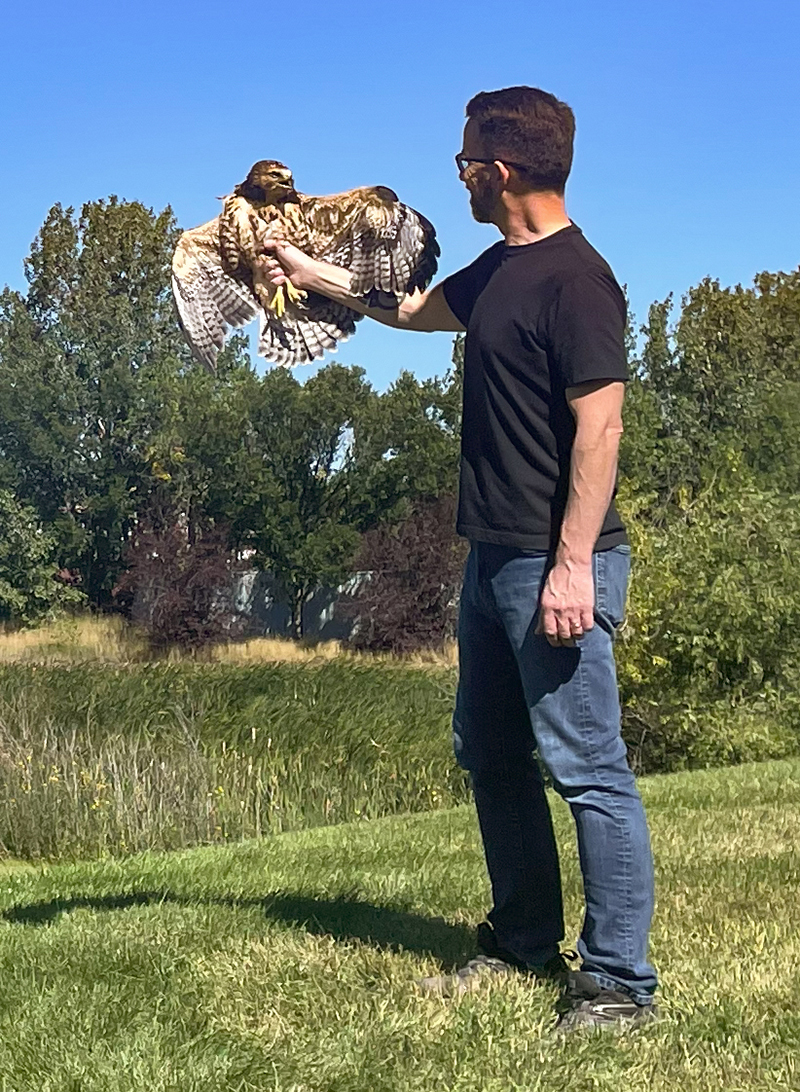
While I wasn’t as graceful as an experienced hawk-thrower, I thrust each bird forward and upward as instructed and let go, a great feeling to see recovered birds once again flying free. Hopefully, mine are the last hands those birds ever feel, and they live a long and healthy life in the wild, thanks to the tireless efforts of Colin and his team.
Once released, each Swainson’s Hawk flew a wide circle up and behind me. It was a special moment watching these now healthy birds climb high into the air. Not even a thank you for Colin before they flew out of sight.
On the sunny, pleasant return drive home, I had time to reflect on the incredible privilege of having had that experience. I didn’t do any work to save those birds, but I got the reward. What a gift.
Their last day of the season for visitor access is Monday September 2nd. If a last minute trip isn’t in the cards for you or your family this weekend, the Alberta Birds of Prey Centre will open again in May. If you plan to be near the Lethbridge area next spring or summer, make a side trip to Coaldale and see these birds for yourself. In the meantime, visit their website or follow their efforts on Facebook and Instagram. Support them if you can.
Many facilities like this exist in communities worldwide, run by dedicated animal lovers trying to help nature keep up with our impact on the planet. Please consider donating to one of them to help these folks continue to do their incredible work for wildlife conservation.
This past Thursday, I drove the four hours down to Coaldale, Alberta, to visit the Alberta Birds of Prey Centre before they close for the season. While the foundation operates all year long, rescuing and rehabilitating different species of owls, eagles, and hawks, the centre is open to the public between May and the end of August.
I first met Colin Weir and his daughter Aimee here in Canmore in 2017. They had brought a handful of their ambassador owls and a golden eagle named Sarah to the Town of Canmore’s WILD event at the Civic Centre. The Alberta Birds of Prey Foundation began in 1982 when there weren’t any wildlife rescue endeavours operating in Western Canada. Colin has been rescuing, rehabilitating, and releasing birds of prey back into the wild for almost forty years. Birds with permanent injuries or those that can’t be released have been given homes at the centre, a beautiful spot in southern Alberta, right in the middle of a reclaimed wetlands area.
Over the past few years, I’ve gotten to know Colin and can’t accurately convey my respect and admiration for his dedication and commitment to wildlife conservation. The facility receives no government subsidies, and they rely solely on financial donations from regular people and some generous corporate sponsors like Fortis Alberta.
Anytime a facility relies on government funding, they risk having that lifeline cut or eliminated with each election or political party whim, which would continually put the wildlife at risk. Unfortunately, politicians are usually more concerned with the optics of a ribbon-cutting than a long-term vision for wildlife conservation. As with any non-profit operation, caring for the birds is only half the battle, and it’s a never-ending quest to raise enough funds and resources. To attract people to the centre, it must be safe, appealing, and well-maintained, a feat they have managed well. The Alberta Birds of Prey Centre is an attractive, professional, and welcoming facility. All the enclosures, aviaries and structures are top-notch, serving as housing and rehab areas for the birds and an educational facility for the public.
If somebody hits a great horned owl with their truck in the middle of the night, they’ll often call Colin. Sometimes he’s simply a knowledgeable, helpful voice on the phone, but his efforts are the difference between life and death for the unfortunate bird on many other occasions. If somebody can’t deliver the bird to the centre, he often must retrieve it, which can mean hours on the road, all year long. I’ve wanted to get down to the centre more than once this summer, but as with all things these past many months, best intentions haven’t always aligned with feasibility. Plagued with long stretches of record-breaking heat, a thick choking blanket of wildfire smoke for weeks on end and the uncertainty of changing pandemic restrictions, this summer has been challenging. Add long hours in the office working to diversify my business, and I haven’t been able to get away.
With the weather changing for the better, some welcome rain and reduced smoke, I had to prioritize the trip before their season ends.
I arrived in Coaldale around noon and spent the afternoon taking photos and chatting with the knowledgeable staff. Colin and I had an excellent long talk catching up, which I greatly appreciated, as he doesn’t have much free time. One of the biggest challenges this year is that his phone is constantly ringing with people asking if the centre is open (it is) and if there are any COVID restrictions (there aren’t). It’s an open-air outdoor facility, ideal for a natural escape, with plenty of room to keep a respectful distance. Colin takes those calls with his typical grace and friendly nature, but it must be frustrating sometimes, especially when they interrupt his long list of other duties.
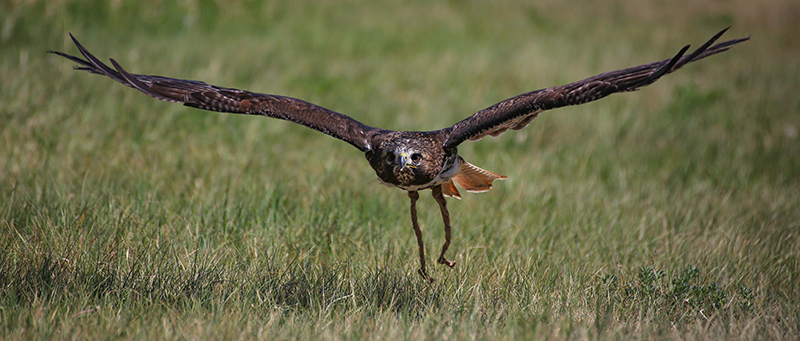
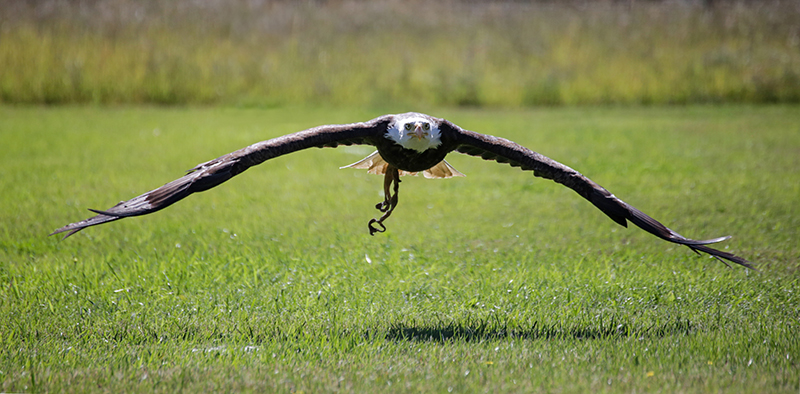
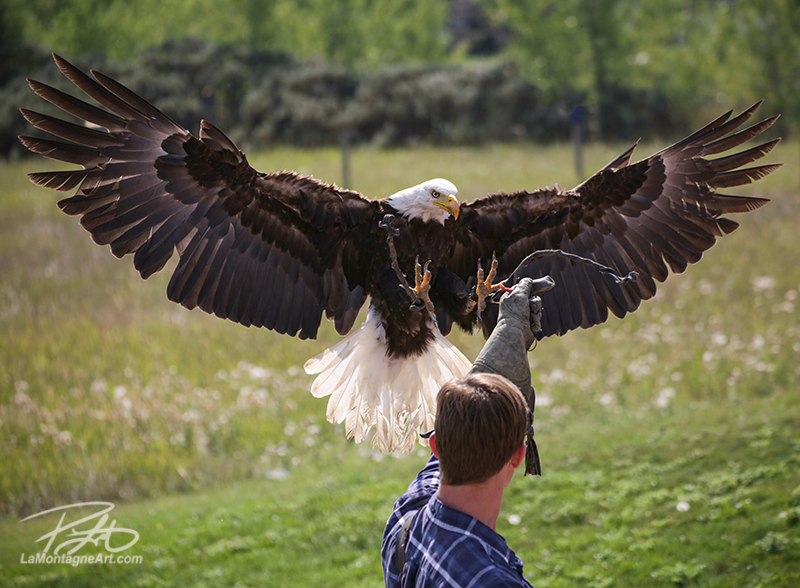
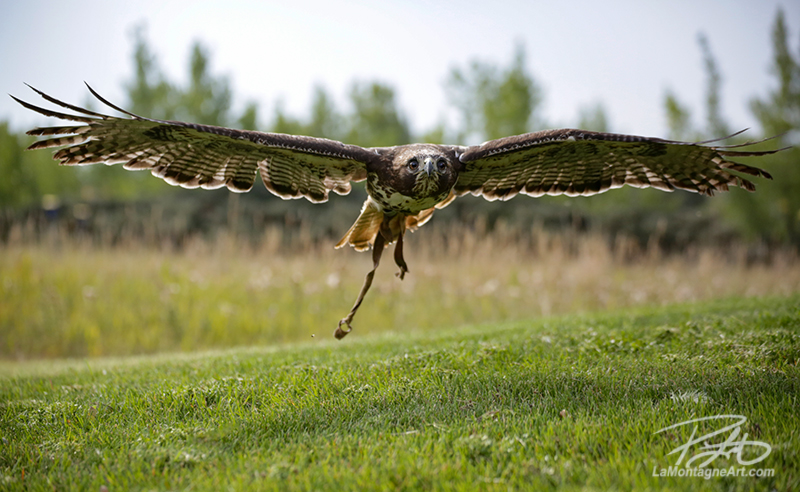
It’s a long drive to get there, so even though I took plenty of photos on Thursday, I stayed the night and returned the following morning to get more pics of their flight training. Over two days, I watched them fly a mature bald eagle, a juvenile bald eagle, and two red-tailed hawks. Bald eagles don’t get their full head of white feathers until four or five years old. One of the staff suggested on the second morning that I lie down on the ‘runway’ to take some head-on shots of the red-tailed hawk. To take advantage of a cushion of air just above the ground, the birds drop down low when they’re flying back and forth, only climbing again at the end.
From my spot on the grass, I was right in the hawk’s path, which allowed me to get some exciting photos. The trainer told me my presence was inconsequential and wouldn’t be a distraction. The bird’s primary focus was the piece of chicken held in a gloved hand above and behind me. I could write a few thousand more words on their important work and all I learn whenever I visit the Alberta Birds of Prey Centre. The staff share some fascinating and amusing stories during the flight training presentation and are always available for questions from visitors. Nothing is off-limits, and they’re more than willing to talk about the challenges they face each day while caring for these birds.
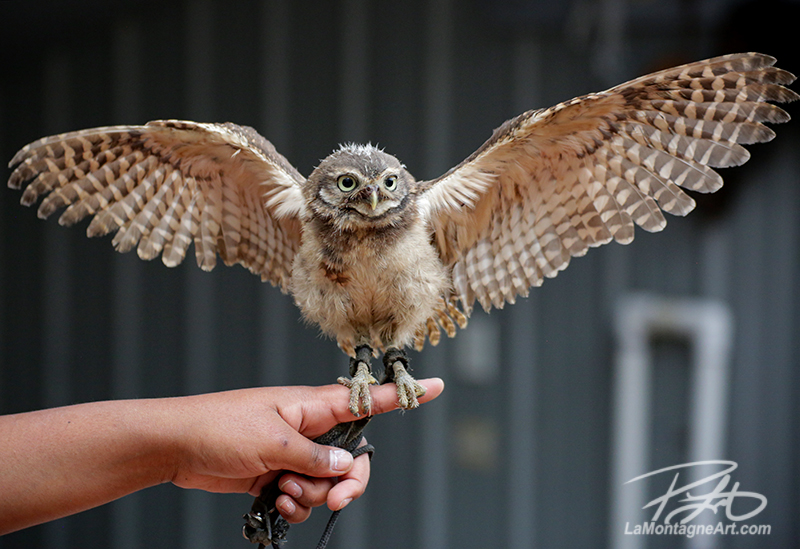
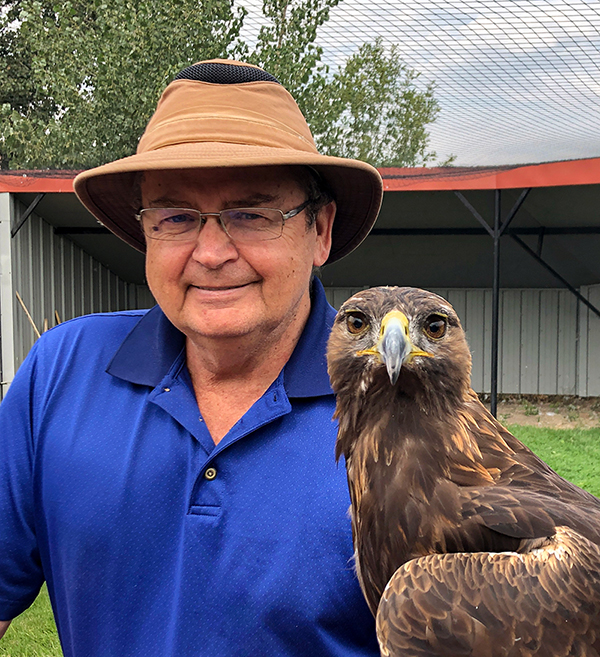
It’s hard to describe the thrill of close-up visits with weeks-old snowy owl chicks and burrowing owls (above respectively), or to hold a great horned owl in a gloved hand, to feel the feathers of a golden eagle and hear their calls and cries. These opportunities are open to all visitors to the centre. I’ve painted several eagles and owls and will likely paint more in the future. A few years ago, I painted Sarah, one of the longest residents, seen here with Colin Weir. Sarah is a beautiful golden eagle that Colin has raised since the 80s. She is a healthy 37 years old, a commanding presence, but gentle enough that children can pet her, under Colin’s supervision, of course.
While I enjoy seeing all the birds, and I take plenty of photos of each species, I’ll admit that my primary goal this time around was to get reference of a red-tailed hawk. I’ve wanted to paint one for many years. They’re a common sight around Alberta, often seen on fenceposts along rural roads or highways. However, whenever I’ve spotted one, it’s been in heavy traffic or on a road without a shoulder, and it was unsafe to stop my car.
I took over 2400 shots this week and spent a few hours Saturday morning sorting through them. As is often the case, most of those shots end up being useless to me, either from poor lighting or focus or uninspiring captures. I whittled them down to around 300 and will likely discard two-thirds of those of a second pass. This still leaves me with plenty of ‘keepers,’ and I was happy to discover dozens of reference photos for paintings among them. Best of all, I finally have more than enough shots of a red-tailed hawk, so many good ones that I’ll have a hard time deciding which to use. Or maybe I’ll have to paint more than one. It’s a good problem to have. Feathers are much harder to paint than fur, especially when intricate patterns are involved, so don’t expect a painting anytime soon. It’ll likely be a winter project, but one I’m eager to start.
The Alberta Birds of Prey Centre is open until Labour Day, and if you’re looking for one last summer southern Alberta getaway, or you find yourself on a road trip in that part of the province, it’s well worth a visit.
However, if that’s not in the cards, please visit their website, look at the great work they do for wildlife conservation, and consider donating. Every contribution helps, and your support is greatly appreciated.
After my first visit to the Alberta Birds of Prey Centre in Coaldale, Alberta last year, I was looking forward to another visit this season. Unfortunately, with other obligations close to home, I didn’t manage to get there before they closed last month for the season.
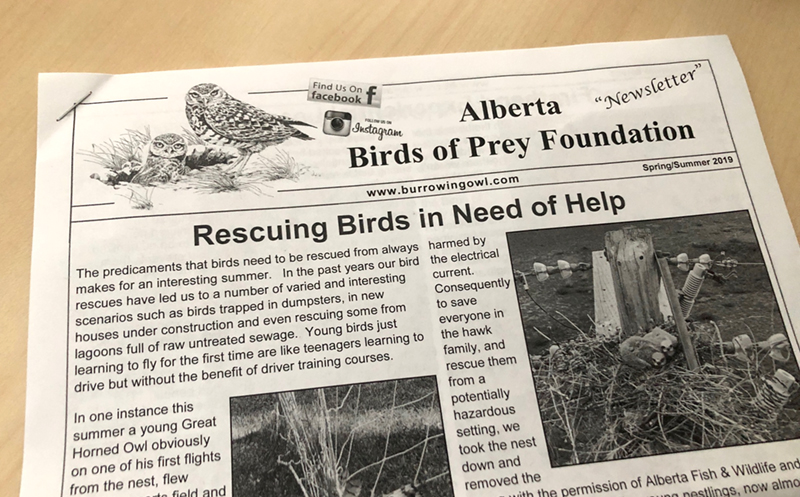
After reading their latest newsletter, which is always informative, I realized that I had not only failed to visit this year, but I hadn’t contributed financially either. I called up last month to make a donation and the patriarch of the family, Colin Weir, told me they’d be in Canmore again on October 5th at the Civic Centre.
I marked it in my calendar and made sure I wouldn’t be away or have other obligations.
A really nice day for it, I got there first thing on Saturday to avoid what would later become a good crowd of people. The birds were outside, in conjunction with a larger event focusing on Geology, fossils and the Canmore Museum, located in the Civic Centre.
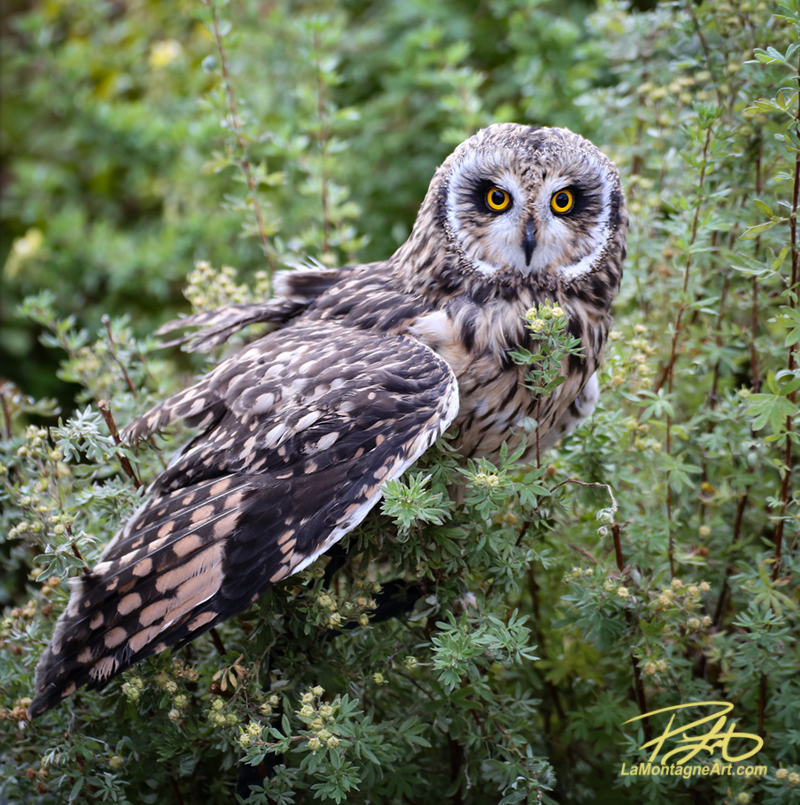
The regular cast of characters were there, the ambassadors that travel with Colin when he goes to these events. These are birds that can’t be released back into the wild and have lived at the Centre for a long time. A Great Horned Owl, Short Eared Owl, Barn Owl, Burrowing Owl and Golden Eagle, each with names like Basil, Dexter and Edgar. Their Golden Eagle is in her early thirties, and I painted her a couple of years ago. Sarah is a beautiful bird and Colin admits he’s very close to her, having raised her since the 1980s. His daughter, Aimee has joked that Sarah is the favorite child.
While I enjoyed painting Sarah, it’s not one of my more popular prints, largely because when the general public thinks of eagles, they’re most often after the Bald variety and that painting of mine is far more popular than this one.
Even still, I couldn’t resist taking more photos of Sarah, knowing I still may do another painting of her, for my own enjoyment. I spent a good couple of hours there, taking hundreds of photos of all of the birds. The opportunity to get up close and personal, acquiring such detailed reference is one I rarely pass up. I was happy to leave another donation for the privilege of having the birds come to me. When it comes to supporting charities and causes, I would encourage you to find the thing for which you feel a personal connection.
Whether it’s research into a medical illness that has touched you or a member of your family, efforts for building a new library in your community, or a regular donation to the food bank, find something you can regularly support that makes you feel like you’re making a difference.
As this is a wonderful facility that rescues and rehabilitates birds of prey, I know how much they rely on public support to continue the work they do. With so many worthwhile charities and causes out there, it can be overwhelming to want to give to everybody, but only having the funds to support a few. I decided quite some time ago that all of my charitable donations would go toward wildlife causes, especially facilities that help animals in need of emergency care and rehabilitation. I make a monthly donation to the Alberta Institute for Wildlife Conservation in Airdrie, contribute to Discovery Wildlife Park in whatever way I can, and I support the Alberta Birds of Prey Foundation, but I say No to most everything else, even though I still feel guilty while doing so.
Giving is one of the most selfish things we do, because it feels so good. It’s addictive. I’ll freely admit that it’s also self-serving for me to support wildlife causes and facilities because it’s allowed me to be able to get up close and personal with many of the subjects I’ve painted. How could I not support them in return?
I make a good living, but I’m not wealthy, despite the outsider’s view that everybody who lives in Canmore and Banff is rich. That’s right, the people serving coffee in the local shop, working at the gas stations, cleaning hotel rooms, and working in the grocery store are all rich people, slumming it because they’re bored.
To support a charity, any charity, doesn’t required a huge outlay of funds. A monthly donation of even $20 helps these places because they’re not just relying on your contribution but all of the others who can only give a little, which amounts to a lot. A monthly donation helps them budget for the year, to get the most of their donations and stretch it as far as they can.
I was talking to Colin on Saturday about the challenges faced with fundraising in a facility like his. He told me that their small staff does everything, from rescuing the animals, caring for them, releasing them, training new staff and volunteers, ordering for the gift shop, maintaining the facilities and what I can only imagine is a much longer list of daily duties that go on even when the facility is closed to the public in the off-season.
He told me about somebody who had called him recently from Fort McMurray who hit a Great Horned Owl with his truck at night. Colin showed me the picture of the owl trapped inside the damaged grill, looking out at the man taking the photo. He had to talk the guy through the extrication over the phone and they managed to free the owl that was seemingly undamaged. These types of calls are not unusual, and come at all hours.
On top of all of that, they also have to have a sharp focus on fundraising, or it all stops.
While the Alberta Birds of Prey Foundation has a few generous corporate sponsors, like Fortis Alberta and AltaLink, they don’t receive any funding from the Alberta or federal governments. When governments change, priorities change and funding can suddenly be frozen or come with strings attached that would ultimately hinder their good work, rather than help.
If you think about some of the larger, more well-known charities, Colin points out that those organizations often have fundraising and marketing departments with more people in them than the entire staff at the Alberta Birds of Prey Foundation. Not to mention that the marketing budgets of larger charities often exceed the entire operating budget of a facility like the Birds of Prey Centre, where all of the funds raised go directly to conservation.
The next time you’re thinking about where best to put your limited charitable donations, I would encourage you to find somewhere that does great work that aligns with your values. Consider choosing a small facility, where they might not have the flashiest of ad campaigns, but are on the ground doing great work that matters, necessary work that if they didn’t do it, nobody would. You won’t get the chance at a lottery prize or be invited to a gala fundraiser, but you’ll be able to see firsthand where your money goes and the good that it does.
It might be your local SPCA or animal shelter, a local greenhouse that grows food for struggling folks in your own community, or somewhere like the Alberta Birds of Prey Foundation.
Be selfish. Give a little.
Cheers,
Patrick If you’d like to receive my newsletter which features blog posts, new paintings and editorial cartoons,follow this link to the sign up form.


 The past few weeks have been a whirlwind of excursions to gather photo reference. Rather than spread it out over the summer, I decided to group several trips together while the venues were quieter and before school let out.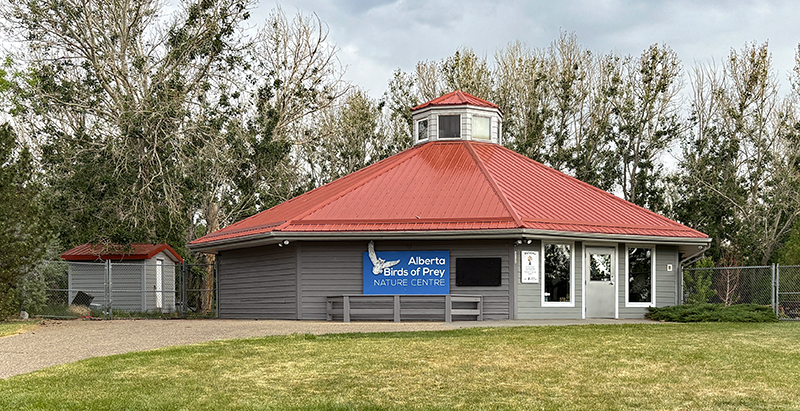
 With all the photos I’ve taken the past few weeks, I have to get them weeded and sorted as soon as possible. If I don’t, they’ll sit in my “Photos to be Sorted” folder for far too long and become one more thing I need to get to.
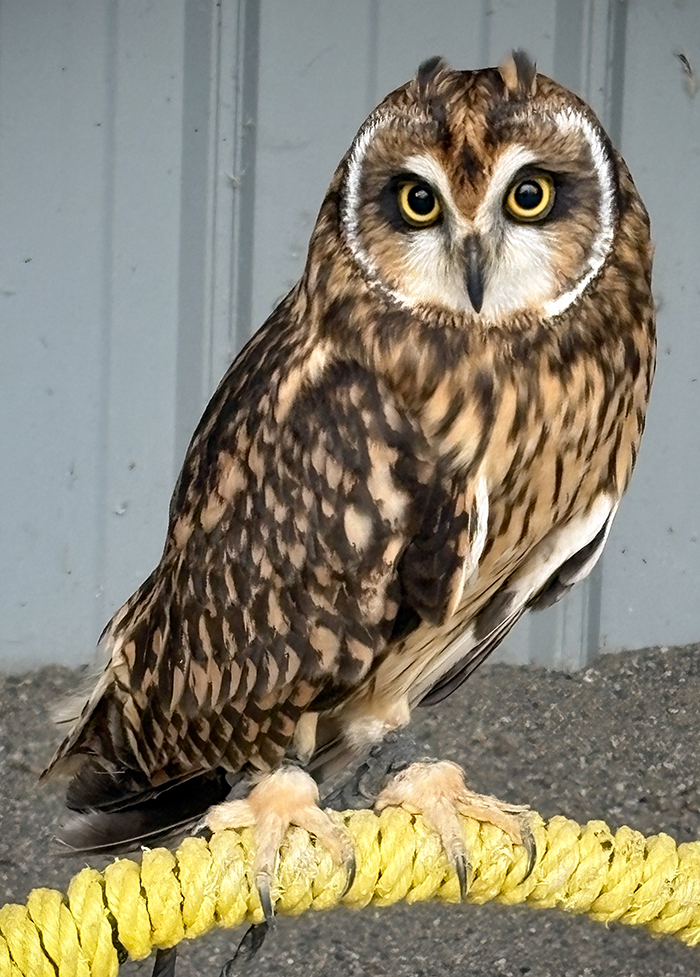 When I’m sorting photos, the first thing I’m looking for is whether they’re in focus. If they don’t show crisp detail, I usually delete them.
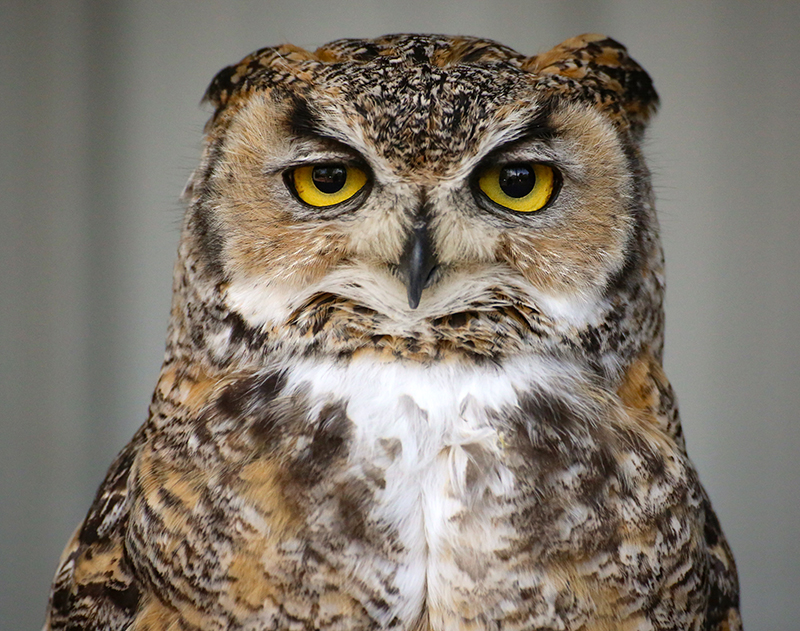 The third thing is, does it make me feel something? If it makes me laugh, or I think it’s cute, sassy, or any number of emotions, that means there’s probably a painting there, or at least the potential.
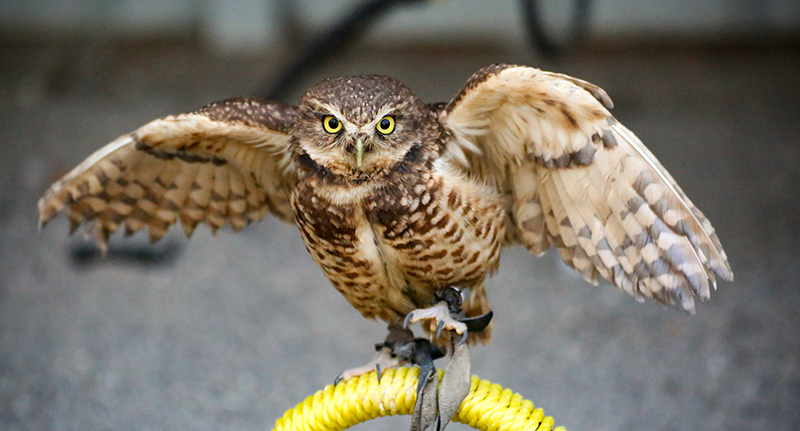 If I keep every good shot, I’ve just got a folder full of the same kind of head-and-shoulders bald eagle photos taking up space.
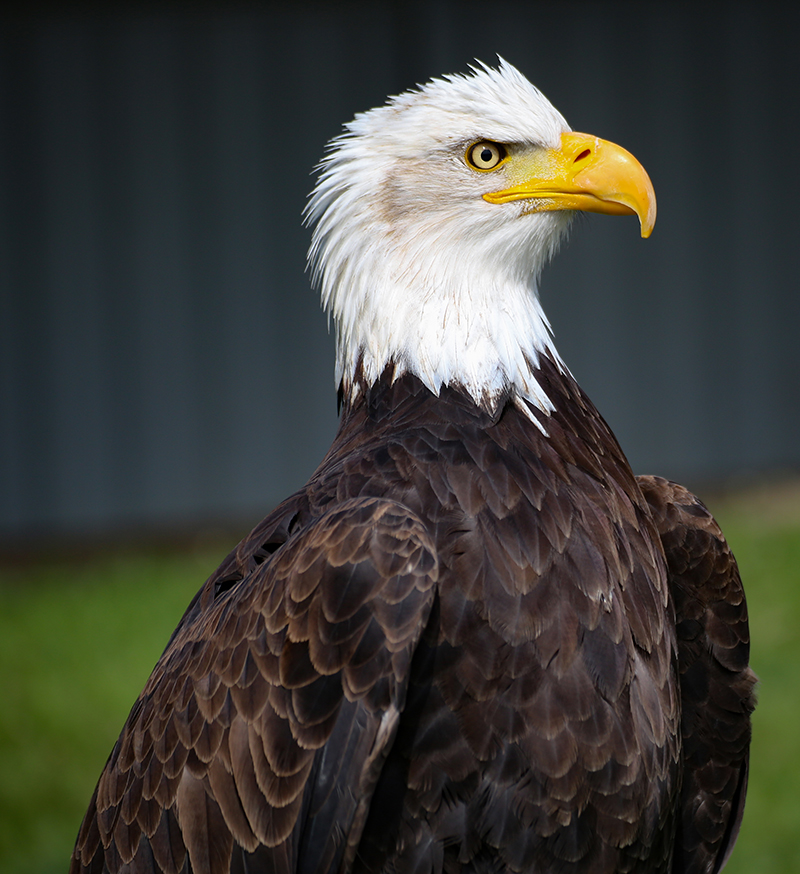 So that’s a keeper.
 There is one final category of photos I’ll keep, but won’t likely ever use for reference, and that’s the memory of the experience.
 I always learn new things about the birds while talking to Colin and his knowledgeable staff. And frankly, they’ve spoiled me with some incredible animal encounters over the years. This trip was no different.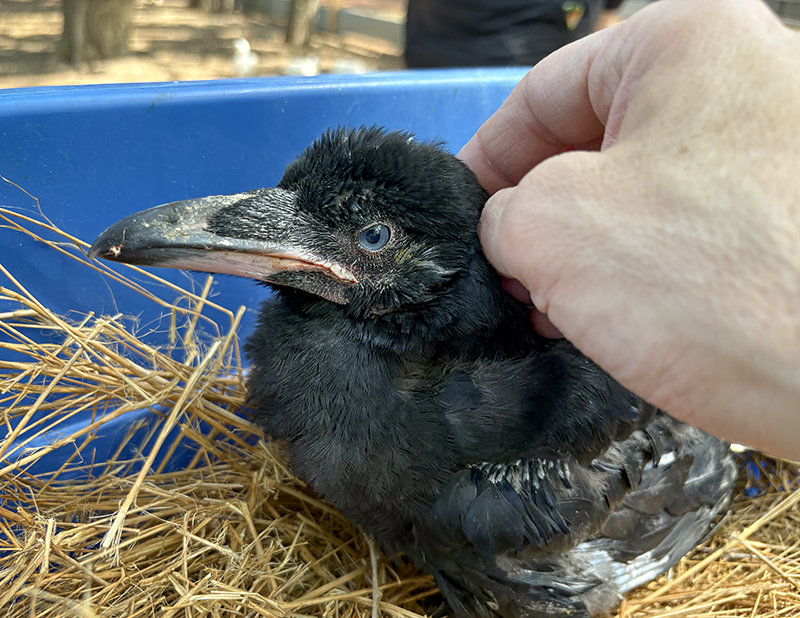

 This past Thursday, I drove the four hours down to Coaldale, Alberta, to visit the
  The Alberta Birds of Prey Foundation began in 1982 when there weren’t any wildlife rescue endeavours operating in Western Canada. Colin has been rescuing, rehabilitating, and releasing birds of prey back into the wild for almost forty years. Birds with permanent injuries or those that can’t be released have been given homes at the centre, a beautiful spot in southern Alberta, right in the middle of a reclaimed wetlands area.
 As with any non-profit operation, caring for the birds is only half the battle, and it’s a never-ending quest to raise enough funds and resources. To attract people to the centre, it must be safe, appealing, and well-maintained, a feat they have managed well. The Alberta Birds of Prey Centre is an attractive, professional, and welcoming facility. All the enclosures, aviaries and structures are top-notch, serving as housing and rehab areas for the birds and an educational facility for the public.
 I’ve wanted to get down to the centre more than once this summer, but as with all things these past many months, best intentions haven’t always aligned with feasibility. Plagued with long stretches of record-breaking heat, a thick choking blanket of wildfire smoke for weeks on end and the uncertainty of changing pandemic restrictions, this summer has been challenging. Add long hours in the office working to diversify my business, and I haven’t been able to get away.
 Over two days, I watched them fly a mature bald eagle, a juvenile bald eagle, and two red-tailed hawks. Bald eagles don’t get their full head of white feathers until four or five years old. One of the staff suggested on the second morning that I lie down on the ‘runway’ to take some head-on shots of the red-tailed hawk. To take advantage of a cushion of air just above the ground, the birds drop down low when they’re flying back and forth, only climbing again at the end.
 I could write a few thousand more words on their important work and all I learn whenever I visit the Alberta Birds of Prey Centre. The staff share some fascinating and amusing stories during the flight training presentation and are always available for questions from visitors. Nothing is off-limits, and they’re more than willing to talk about the challenges they face each day while caring for these birds.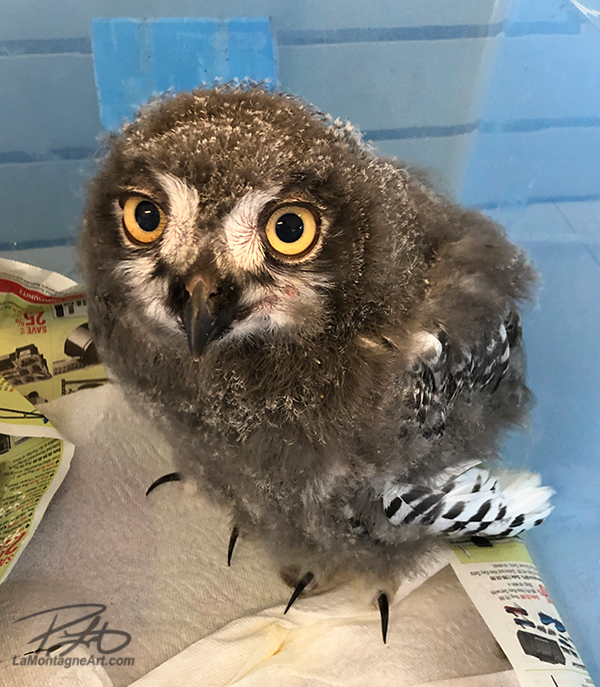
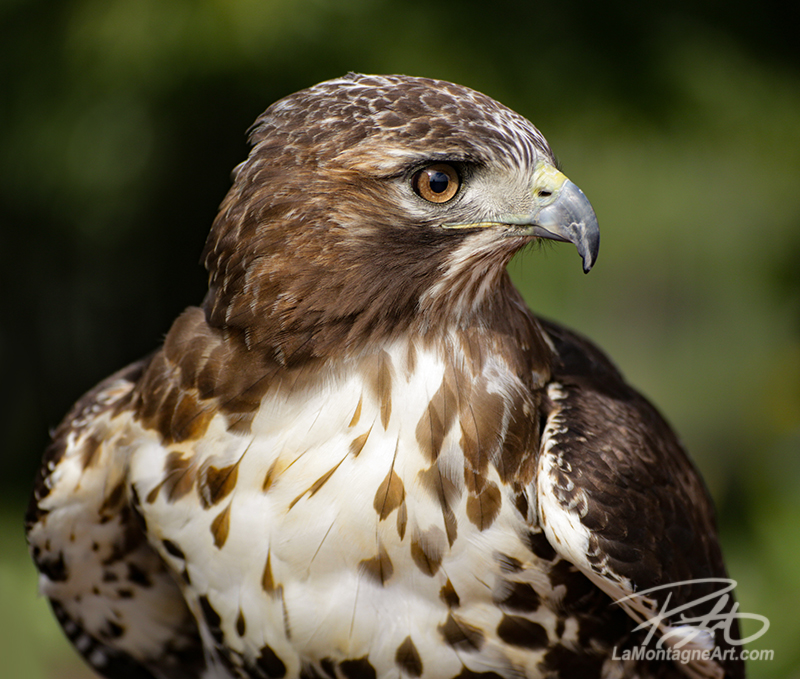 Best of all, I finally have more than enough shots of a red-tailed hawk, so many good ones that I’ll have a hard time deciding which to use. Or maybe I’ll have to paint more than one. It’s a good problem to have. Feathers are much harder to paint than fur, especially when intricate patterns are involved, so don’t expect a painting anytime soon. It’ll likely be a winter project, but one I’m eager to start.