
Four years ago, I stepped away from Instagram.
I had spent a lot of time posting artwork, trying to build an audience, and doing all the things artists were supposedly meant to do on social media. But I wasn’t seeing any noticeable improvement in sales. The return on the time I was investing just wasn’t there, so I stopped.
I don’t regret leaving the platform.
If I regret anything, it’s that I didn’t start years earlier, back when simply posting good artwork had a better chance of building an audience organically. By the time I was putting serious effort into Instagram, the platform had changed, and during COVID it became even easier to get sucked into Stories, Reels, posting schedules, engagement tactics and endless advice about what the algorithm supposedly wanted.
For the record, despite many people speaking with great authority on the subject, nobody has ever convinced me they really know what the algorithm wants.
Had I stayed, I suspect I would have spent far too much time trying to get better at Instagram. Instead, I spent that time trying to get better at my business.
But people still ask if I’m on Instagram. People still want to DM me there. People still follow me, even though the only thing on my account for the past four years has been a post telling them I’m not using it.
So I’ve been wondering whether there’s a way to make Instagram useful again without letting it become another job.
The thing about being self-employed as an artist is that everything is an experiment. What worked yesterday may not work tomorrow. Something you once thought was a good idea might turn out to be a waste of time, while something you abandoned years ago might be worth another look.
I’ve been self-employed for more than 25 years, and the only real constant has been adaptation. For a long time, editorial cartooning was the biggest part of my business. As the newspaper industry changed, I had to change with it. I developed my wildlife paintings into another part of the business, expanded into licensing and retail, built an email newsletter, started experimenting with YouTube, and now I’m working on a book of my bear paintings.
Some things worked. Some didn’t. That’s business.
Diversification has helped keep mine alive, but diversification doesn’t mean doing everything. It doesn’t mean I need to be on Facebook, TikTok, Instagram, YouTube, Threads and whatever comes next, feeding them all every week. There’s a big difference between diversifying and scattering your attention everywhere.
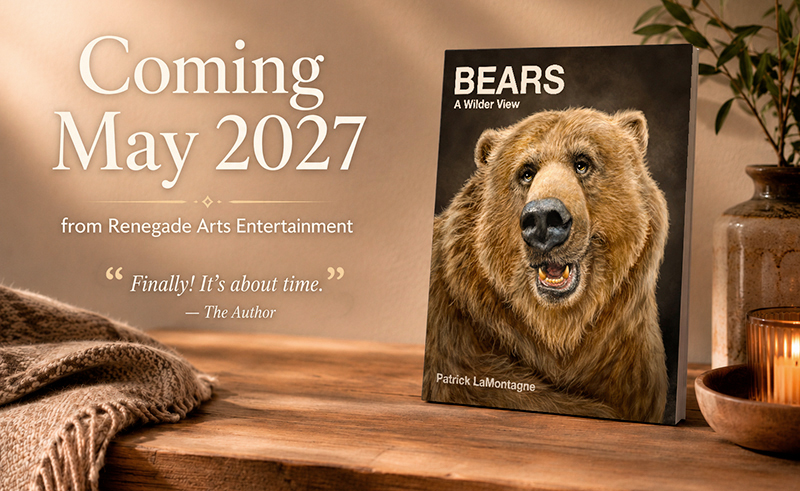
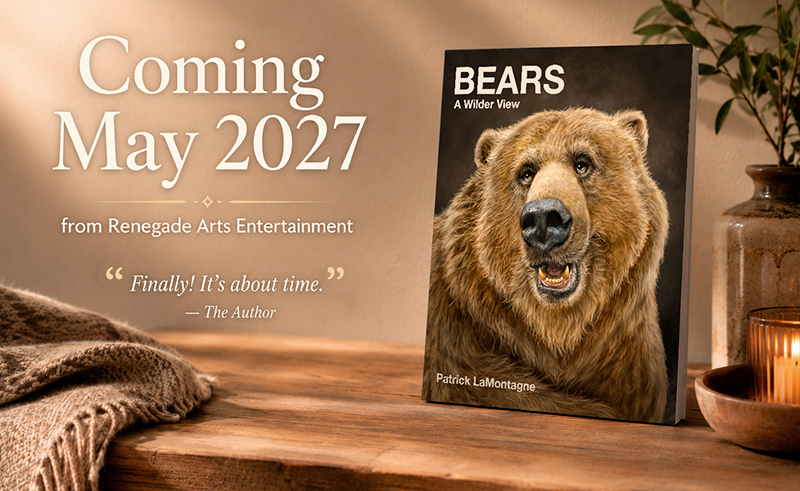 There’s also a practical side to visibility. I’m working with a publisher on my bear book, and when it comes out, I’ll have a responsibility to help promote it. The same goes for retailers, licensees and sponsors. Those are partnerships. They’re putting money, time, shelf space or resources behind my work, and I need to help send attention their way too. Sometimes being in business means playing the game, as long as you know why you’re playing it.
One of the hardest parts of being self-employed is that you have to do almost everything yourself. I make the art, draw the cartoons, maintain the website, deal with customers and retailers, handle orders, bookkeeping, licensing, newsletters and everything else required to keep the business moving. Somewhere in there, I still need to paint.
So when somebody says I should be making more Reels, more Stories, posting at the right time, tracking trends and figuring out what the algorithm wants this week, I have to ask a pretty simple question: to what end?
I can work my ass off doing all of that and still not sell any more artwork. Being busy isn’t the same thing as making progress.
There’s still an assumption that if an artist posts their work on Instagram, sales naturally follow. I wish it were that simple. Think about your own habits. How often do you see something on Instagram, click through to a website and actually buy it? Not once or twice over several years, I mean often.
That doesn’t mean Instagram has no value. Attention and buying intent just aren’t the same thing.
Four years ago, I was trying to build an audience there. More followers, more engagement, more exposure, and hopefully more sales. I’m not interested in chasing 100,000 followers anymore. That’s a vanity metric unless those followers actually do something.
If a few hundred people discover my work, visit my website, sign up for A Wilder View or eventually buy something, that’s more useful to me than thousands of people liking a post and moving on.
I do believe repeated exposure matters. That’s why companies advertise. You see the same product, company, artist or brand often enough and eventually it becomes familiar. I’m not going to use a gambling app, but I’m certainly aware they exist.
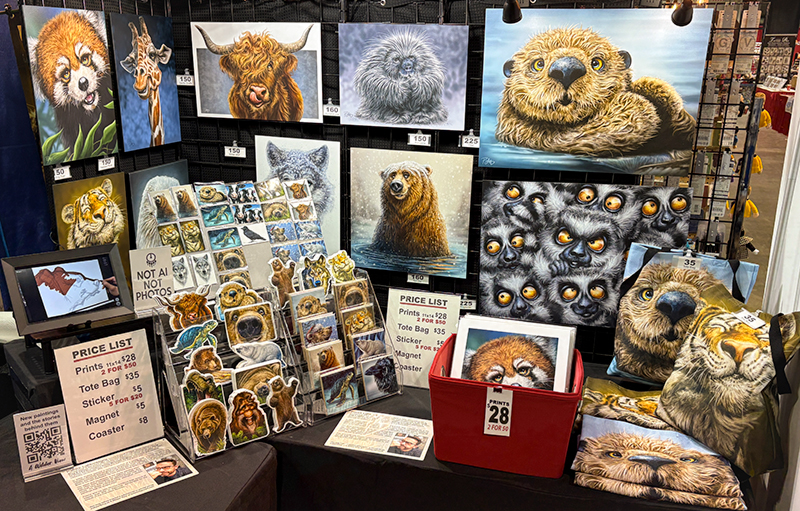 Maybe somebody sees one of my bear paintings on Instagram today. A few weeks later, they see another. Later, they come across one of my YouTube videos or see my booth at the Banff Christmas Market or at The Calgary Expo. Eventually they visit my website, sign up for A Wilder View or buy something.
I can’t tell you how many people at live events have asked me, “Where have I seen these before?”
I have no idea, but I’m glad they saw them somewhere.
Over the past few years, I’ve put much more effort into my website and asking people to subscribe to my emails. I get far more meaningful engagement and connection from my email list than I ever did on social media. That’s why A Wilder View remains the destination.
It’s also why I won’t put my Instagram handle or YouTube channel on my marketing material. I point people to my website and invite them to subscribe.
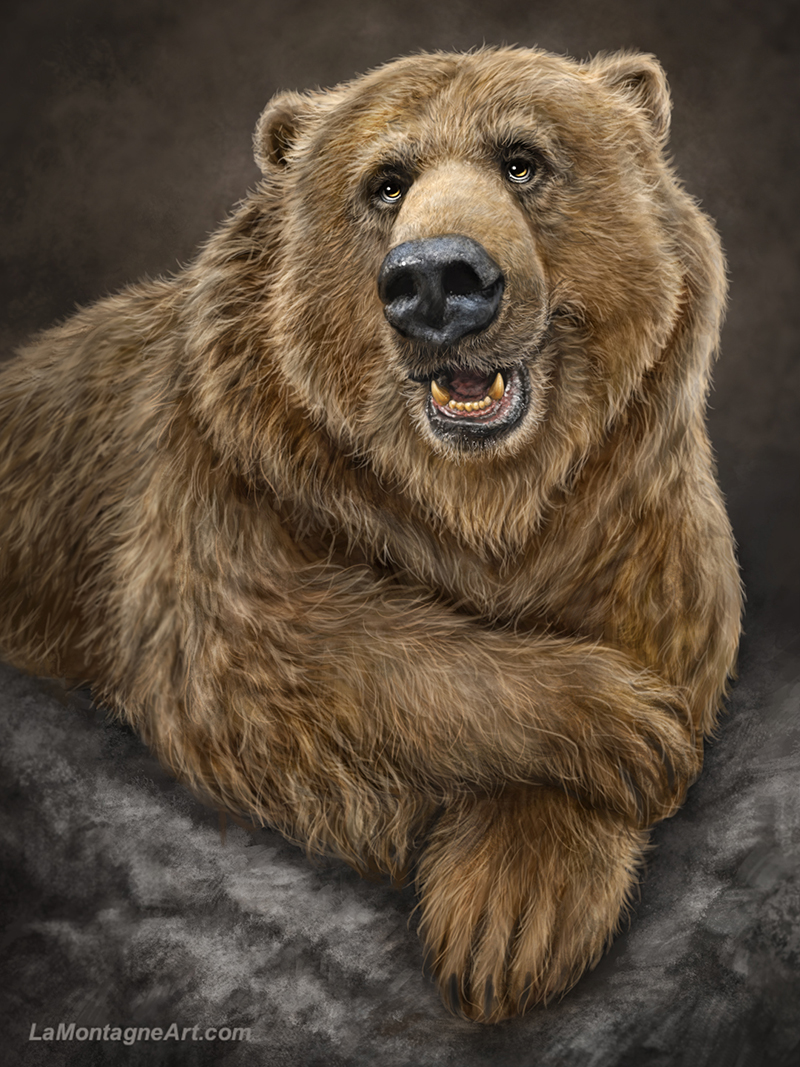 That’s how I’m going to treat Instagram this time. Not as a place to build an audience for the sake of having an audience, but as a window into my artwork and a doorway to my website. Finish a painting, post it on Instagram, point people toward my website and A Wilder View, and get back to work.
I already have plenty of artwork to share. I don’t need to create a separate stream of content just to keep Instagram happy. And no, this doesn’t mean I’m going back to Facebook or suddenly making TikToks.
I’m still not convinced returning to Instagram is the right thing to do. In fact, going back makes me uncomfortable. I’m simply no longer convinced that staying off it forever is necessarily the right thing either.
Leaving the platform four years ago was a business decision based on what I was getting out of it at the time. Returning now is another business decision, with different goals and a much smaller investment of my time.
Maybe it brings in a few subscribers, a sale, a licensing contact or simply more people who remember my work later. Maybe it does none of those things.
I’ll plant the seed and see what happens. If it bears fruit, great. If it doesn’t, I’ll look for another crop.
Cheers,
Patrick

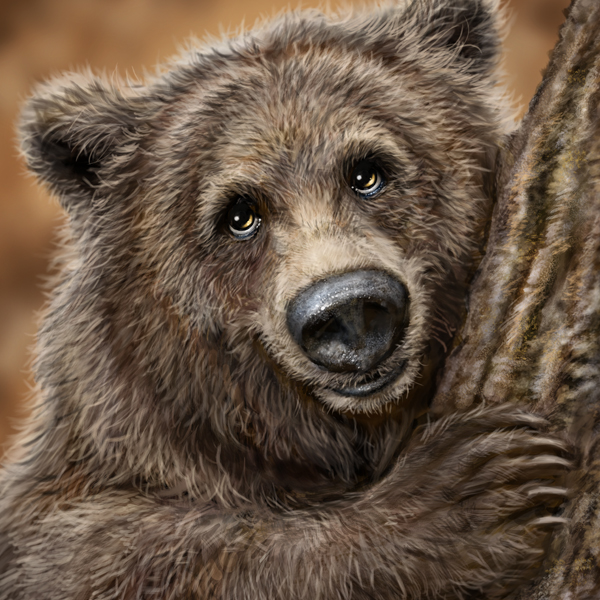
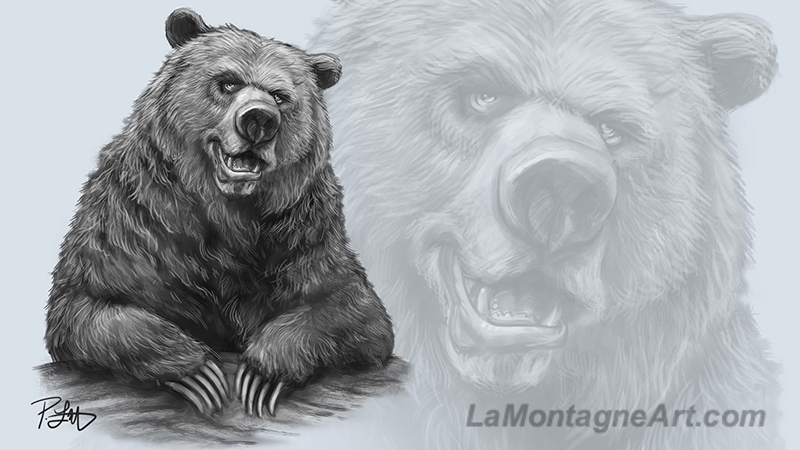
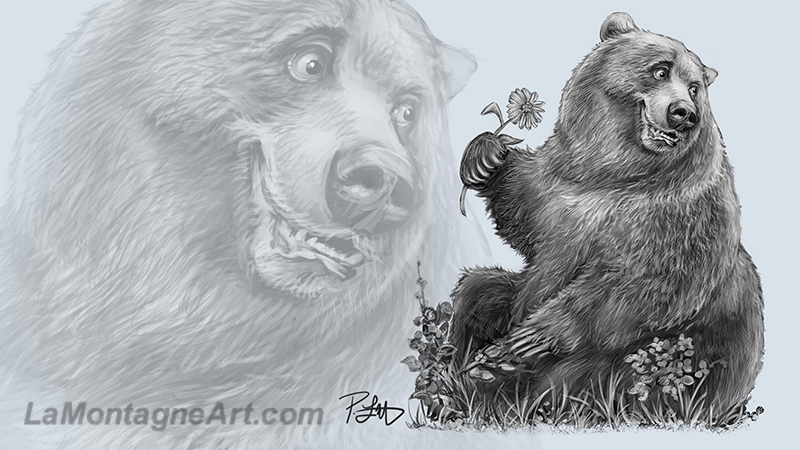
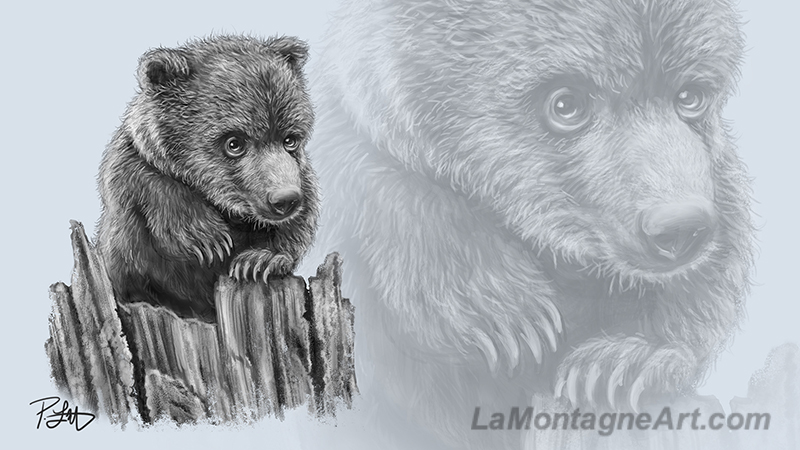
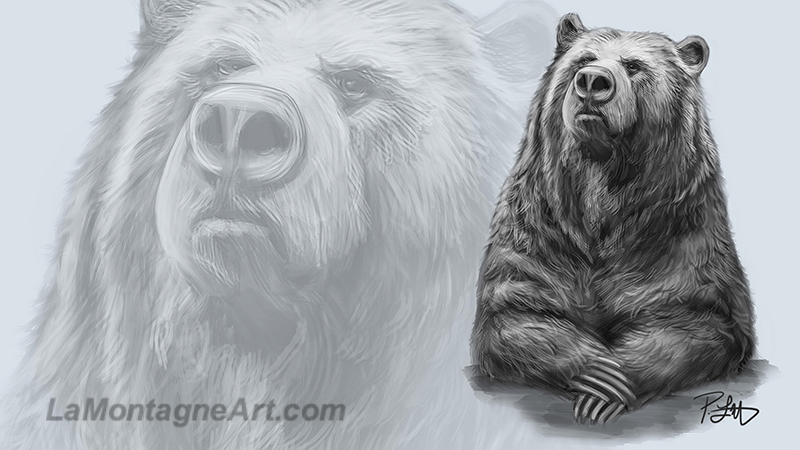
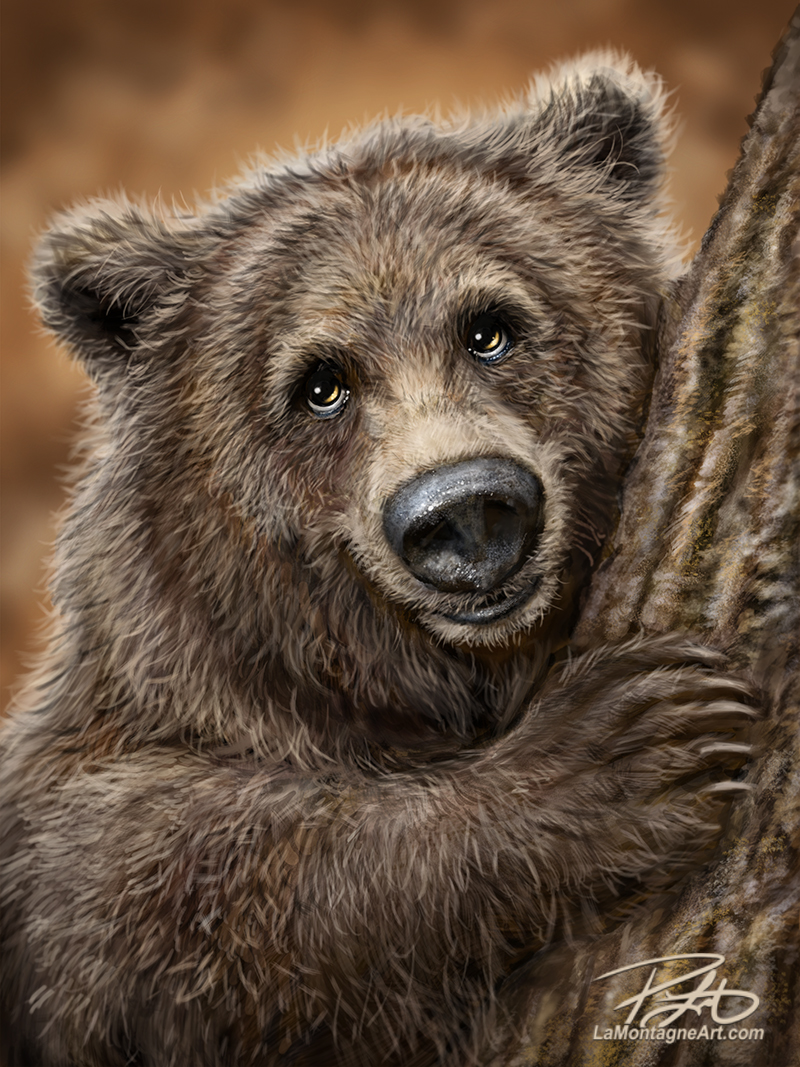 A new painting finished this week. I now have all the planned images completed for the bear book, plus a few I didn’t expect to finish and include. Now I just need to write some more stories and put it all together in InDesign.
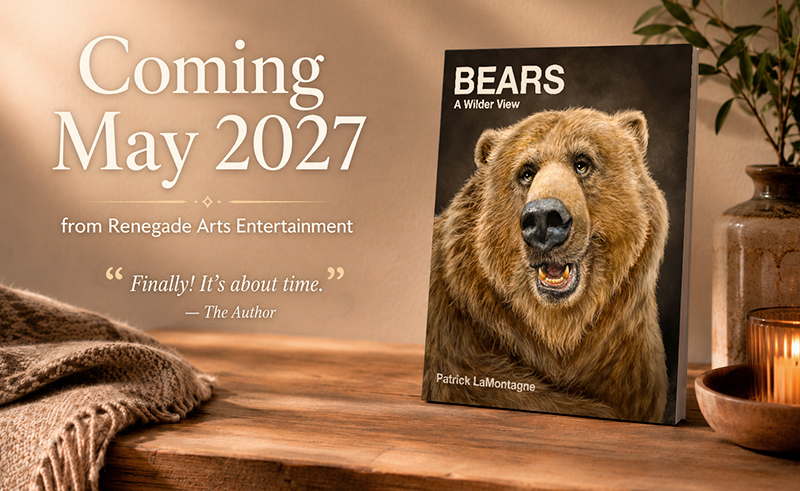 Regardless of which painting ended up on the cover, however, it was always going to be Berkley. I’ve painted her more than any other bear.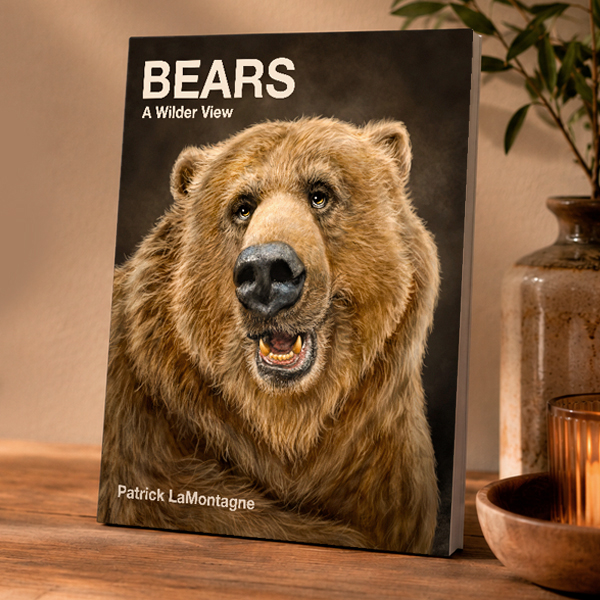
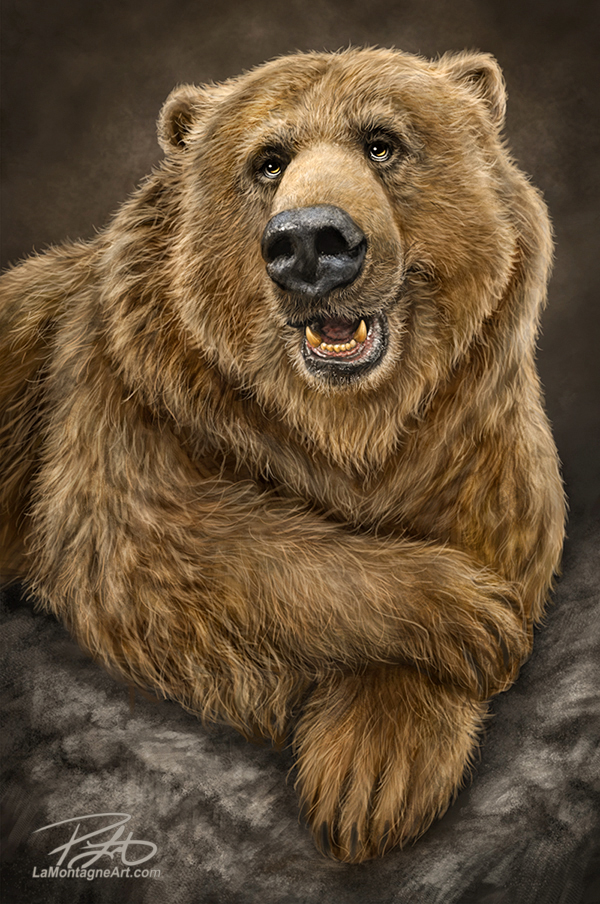 I’m happy to reveal this new painting of Berkley, a bear near and dear to my heart who lives at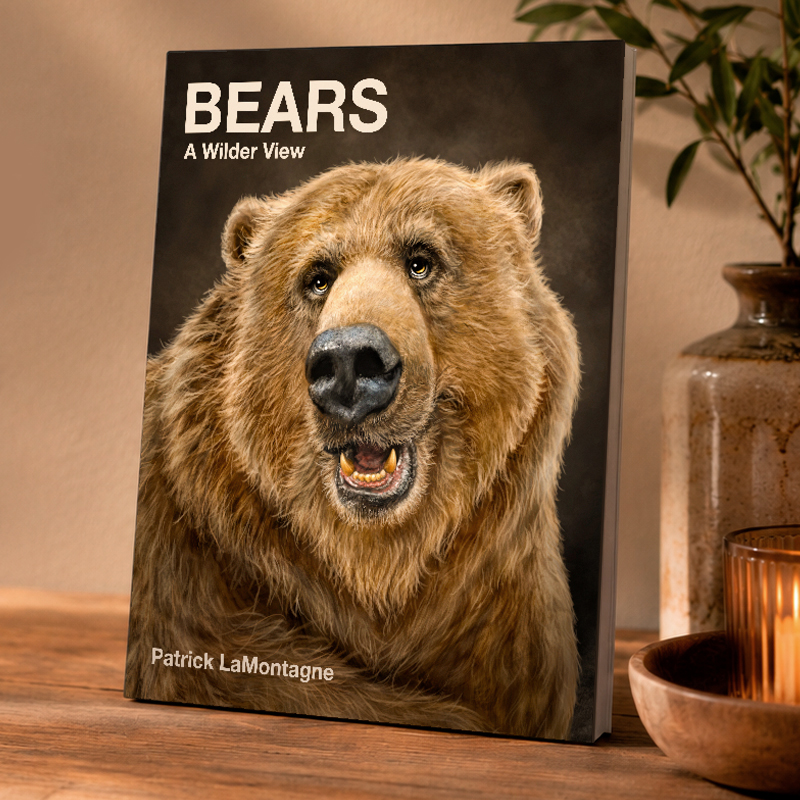
 Parents used to tell their children to get an education and have something to fall back on, but those safety jobs have become rare. The days of thirty or forty years with a company followed by a healthy pension are long gone. We read daily about massive layoffs from corporations with names that used to be synonymous with stability.
 Several licensing companies rent the rights to put my work on their products. Occasionally, one will ask for a painting of a specific animal. If I can, I’ll try to accommodate the request. But without fail, as soon as I do, the client has a list of other images they want me to create.
 When companies are your clients, your needs are not their needs. If your art resonates with their customers, then it’s mutually beneficial. But the moment it doesn’t, you’re yesterday’s news. They’ll work with the artist who makes them the most money. They’re in business to promote their company, not your work.
 Customer service, professional behaviour and sound business practices are essential, as is compromise and accommodating your clients’ needs and wishes. People pay you to supply what they need, and delivering that often builds lasting relationships beneficial to both parties. All boats rise with the tide. Fail to realize these things, and you’ll soon be out of business.
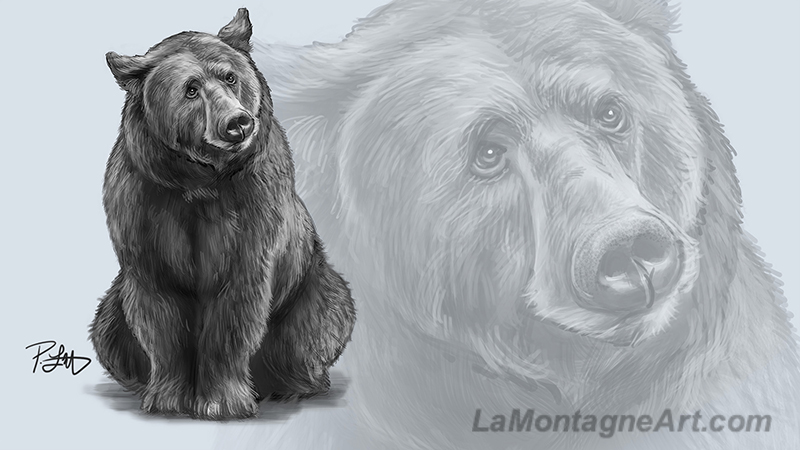 I enjoy creating my animal art, but lately, whenever I go to paint something, I think, “Will this animal be popular? Have I painted too many of these? Not enough? Will this make me any money?”
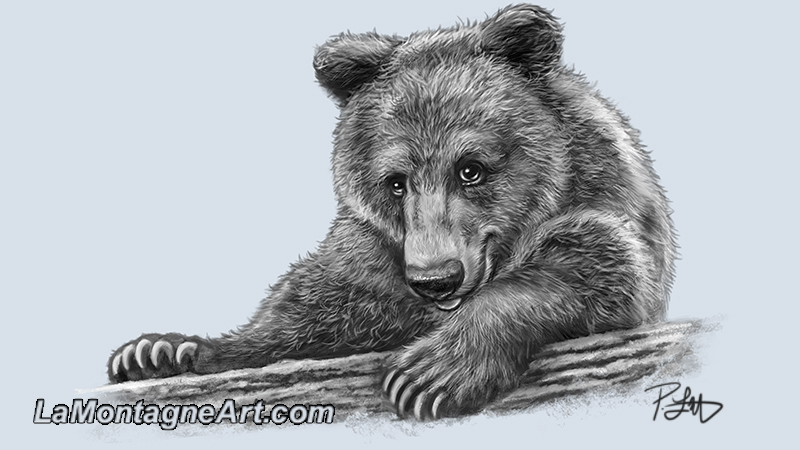 So while I’m trying to answer the question of what I want to do, I’m working on my art book about bears. Not promising to work on it like I’ve been doing for more than six years, but working on it, as I’m well and truly sick and tired of my own procrastination and bullshit excuses.