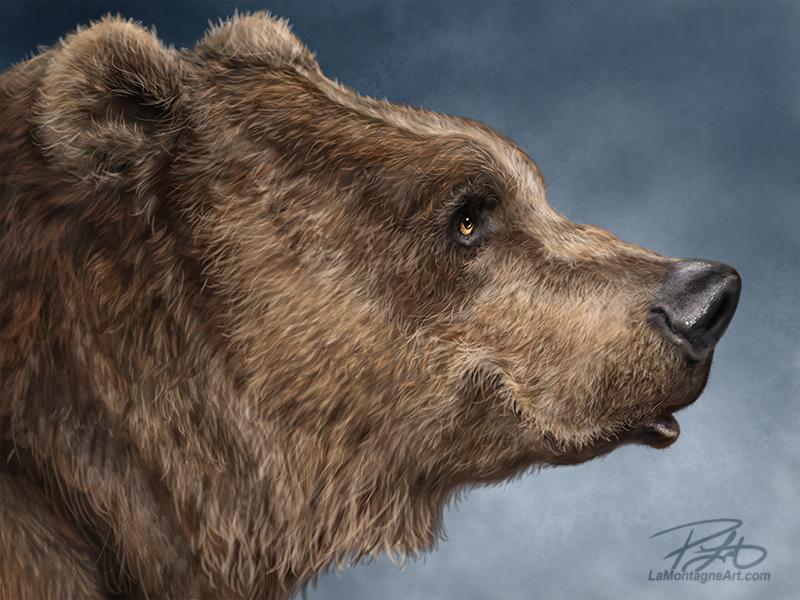
I hadn’t planned on working on any paintings other than the dog commissions for a very patient client. Those are still underway, but my publisher at Renegade Arts Entertainment gave me a deadline to finish the layout for my bear book, along with a brand new cover painting.
The best part is that after years of procrastination, I delivered.
It’s exciting to finally see this book taking shape, but it has also meant some long days at the desk. I’ll be sharing the new cover painting, the finished cover, and more details about the book very soon.
Since I was already painting this bear, I decided to record part of the process. The result is a different kind of YouTube video, where I talk about trying to use YouTube to promote my artwork without letting it become the work itself.
You can watch and listen above, or read the piece below.
As I write this, I’ve just turned 55.
I’ve got a strange relationship with birthdays, especially in recent years. I’ve never been that big on them. They’ve often felt more like an obligation than a celebration, something I’m expected to enjoy for other people.
Twice a year, I experience a certain flavour of melancholy. New Year’s is one, my birthday is another. It starts a few weeks out, taking stock of where I’m at and feeling like I haven’t done what I meant to in the year that’s passed.
Which is a bit ridiculous, because if I try to name what I actually wanted to do, it’s a mix of specific things, like finishing my bear book or getting out for more wildlife experiences, and vague ones, like doing less doomscrolling, painting more, and yes, making more money.
I’ve never claimed to be above that.
Money may not buy happiness, but it does offer security.
In the months between New Year’s and my birthday this year, I’ve been taking more stock than usual. Not because I want to slow down. I don’t. Time off isn’t good for me. An overactive creative mind left idle tends to wander into places I’d rather it didn’t.
But I’ve become acutely aware that 40 doesn’t feel that long ago. And yet, it’s the same distance between then and now as it is between now and 70.
That lands differently.
I still have a lot of work I want to do. I don’t think I’ve done my best work yet. I’m still improving. I’ve spent most of my art career agreeing with those grade school teachers who wrote the same thing in my report cards. Patrick isn’t living up to his potential.
Those demons are always around. I don’t mind calling them what they are, my own particular brand of batshit crazy, but I’ve come to accept they’re tied to the same place the work comes from.
That’s the trade.
Physically, I’m in decent shape. A few more aches, worse sleep, more bad dreams, a little less tolerance for things I used to shrug off. Nothing alarming. But I’m not naive about where I am on the timeline.
I’m seeing more obituaries for people my age. Some younger. People I’ve known, or at least known of, for years. Heart attacks. Cancer. Strokes. Plans that didn’t get finished.
Didn’t they all think they had more time?
I don’t fear death itself. But I do think about the stretch between now and then more than I used to. I have an acute awareness that the runway isn’t endless.
So what does that have to do with art and funny looking animals?
My start in this career wasn’t early. I didn’t even consider doing this for a living until my late 20s. I’ve been full-time for twenty years now, and for most of that time, I’ve felt like I’ve been trying to catch up.
To who, I couldn’t tell you.
A lot has gone right, some of it by design, some by accident. I never got an editorial cartoonist contract with a daily newspaper, something I really wanted in the early 2000s. In hindsight, I’m grateful for that. Staying self-syndicated meant I still have that part of my business, long after most of those staff jobs disappeared.
Nobody is more surprised than I am that I’m still drawing editorial cartoons every day.
In those early years, I threw a lot at the wall. Some of it stuck, most of it didn’t. Or at least that’s how it felt at the time.
I spent years drawing caricatures of celebrities and regular folks, taking commissions for birthdays and weddings. I did contract illustration work for board games, everything from game cards to box art. I even went down the animation rabbit hole for a while, learning software, recording voiceovers, trying to figure out if that was a direction worth pursuing.
Even though it wasn’t, none of that time was wasted. Every one of those detours built skills I still use.
And one of those experiments became the work I enjoy most, my whimsical wildlife portraits. I painted the first one in 2009 with no real plan. It was just fun, so I did another. Now there are well over a hundred, plus all the sketches and half-finished ideas sitting in folders.
That part worked out.
But something has shifted this year. Maybe it’s the number. Maybe it’s just time doing what time does. Either way, the question feels louder now.
How many more years do I get to do this?
I’m not being dramatic, I’m being practical.
I don’t need a big deal made about my birthday. It matters to me for reflection, but I don’t want it to be a social thing anymore.
A couple of years ago, I rented a cabin for my birthday and went there by myself, just to think.
And it didn’t work.
Because there were the birthday texts. Emails. Phone calls. All well-intentioned. People reaching out because they care. And I answered.
Which pulled me out of it.
That’s when it hit me that it’s not just about wanting the time. It’s about protecting it.
For most of my career, I’ve spent more time running the business than doing the work. Marketing, promotion, logistics, all necessary parts of the job, but they come at a cost.
Time.
And I’ve given too much of it away.
To projects I didn’t really want to take on. To requests I said yes to just to be polite. To things that had nothing to do with the work I actually care about.
I’ve let other people’s agendas, criticisms, and priorities dictate my direction, even when I knew better. I went along to get along. And I regret that.
I can’t afford that anymore.
These days, it’s a polite no.
Because they’re not minting more time.
Even writing this, I caught myself wondering if it sounds too dark. If I should lighten it up, because people just want happy animals and not my voice in their ear going on about this stuff.
But honestly, who am I to decide what people want?
Before I painted my first whimsical grizzly bear, nobody was asking for it. It connected with some people who were already following my work, and then more people came along who liked my brand of wildlife painting, too.
With less time ahead than behind, I don’t have the luxury of trying to be everything to everyone.
The people who like the work, the funny looking faces and the writing that goes with it, will stick around.
Those who don’t will find what they’re after somewhere else. No hard feelings.
We’re all living on borrowed time.
I’d like to spend more of mine on the things that make it bearable.
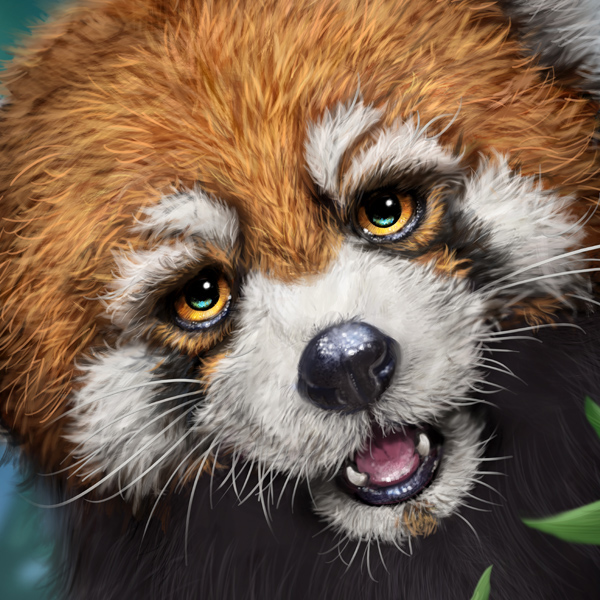
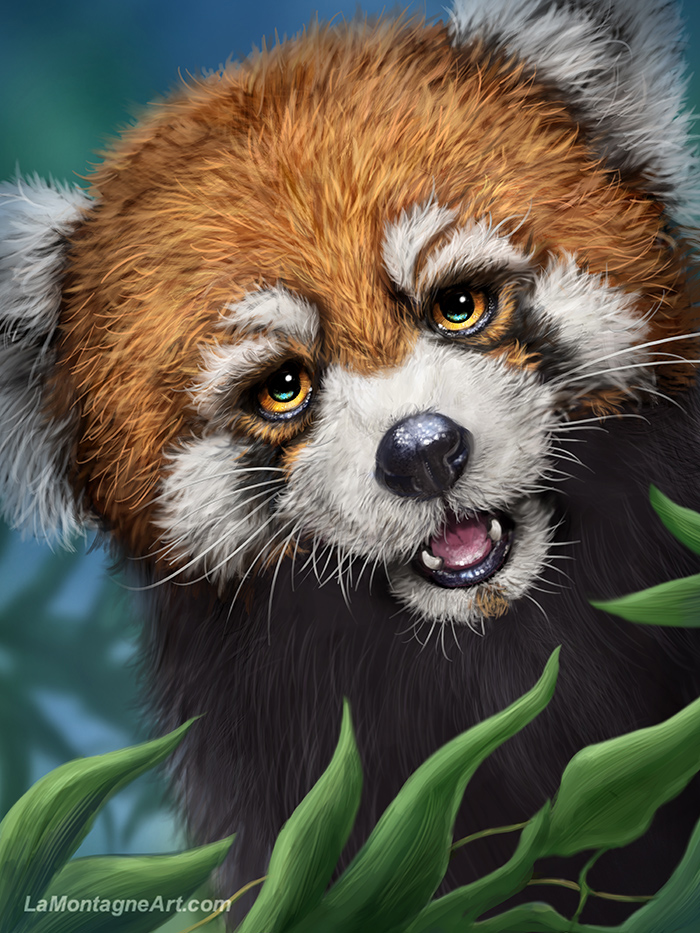
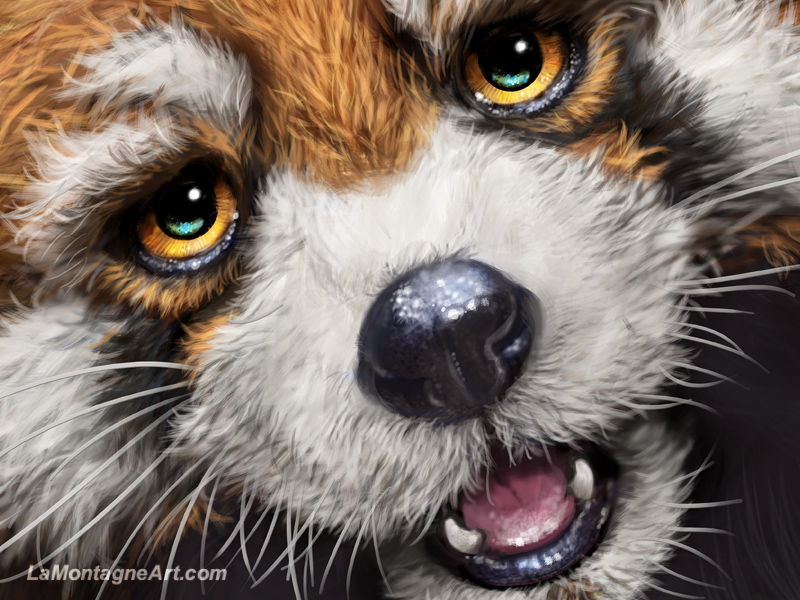
Here’s a brand new painting I’m calling Peekaboo Panda.
At first glance, this one looks like a pretty simple idea. A red panda popping out of the bamboo with a curious expression. But paintings like this often come with a bit more planning than people might expect.
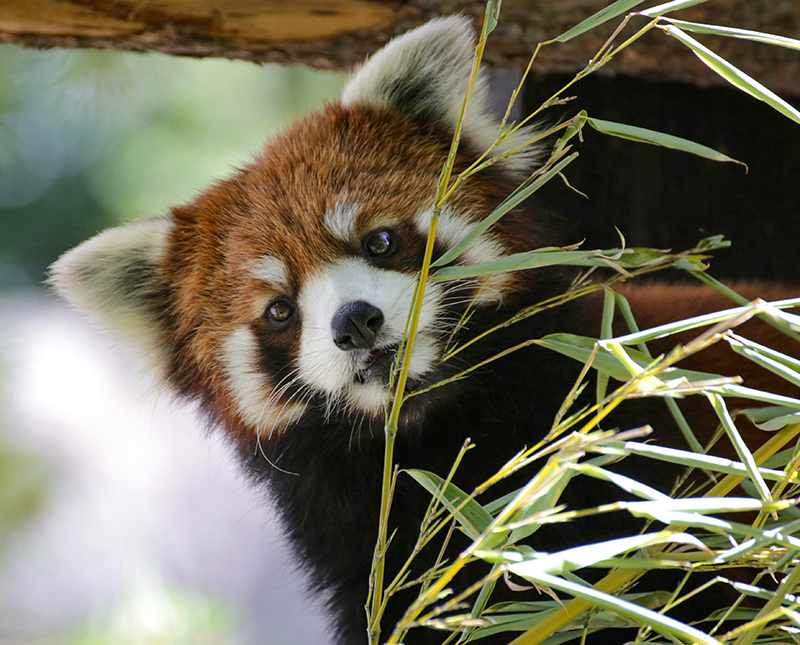
The inspiration for this one was a photo I took at the Calgary Zoo one day. I don’t always share my reference photos, but in this case I thought it might be interesting to show the pose that sparked the idea. For the colour, lighting, and texture, I used several other photos I’ve taken over the years.
A recurring theme in some of my posts is the difference between art for fun and art for a living.
In an ideal situation, I would just choose an animal I want to paint, find or take some reference, put a whimsical spin on it, and enjoy the process. And to be fair, that still happens often enough to keep me interested while painting my funny-looking animals.
But this work is also how I pay my bills, so I have to think about what comes after the painting is finished.
When I start a painting, I usually work at the same dimensions because I know the final print will most often be 11×14, either vertical or horizontal. From time to time I will create a square painting, depending on what I see in my mind’s eye when I imagine the character in the critter. I keep these dimensions because it makes it easier for my customers to find a frame, and that is a selling feature.
But because I have done my best to diversify my revenue streams, which is marketing speak for not putting all my eggs in one basket, I also have to think about my licensing clients.
In simple terms, art licensing means that companies pay to use my artwork on their products in exchange for royalties. If you have ever bought a backpack with cartoon characters on it, that artwork is licensed.
The challenge is that very few products come in neat little 11×14 rectangles.
That means when I paint something like this red panda, I have to allow extra space. More background and sometimes more of the animal so the artwork can be adapted to different formats later.
Pacific Music & Art, for example, might use one of my paintings on several different products, from magnets and mugs to calendars. While my vision for this piece was the vertical print you see at the top of this post, I had to paint quite a bit more of the panda, the background, and the bamboo leaves so the image could be adjusted to fit those other uses.
Last week I finalized the images for the 2027 calendar for Pacific Music & Art. Just like other licensing contracts, there is a lot of lead time for design and printing. My vertical red panda print would not work for a calendar page, so I had to create this different horizontal version, and that meant thinking about that layout when I started the painting.
The downside is that it means more work. Even though I paint digitally and can use layers for much of the process, the final cropping still requires extra time to make sure everything blends properly and does not look like pieces pasted together.
Because my goal is to continue diversifying my work to help ensure the longevity and security of my business, I will have to make these considerations more often than ever.
But the upside is that my licensing clients get the images they need to best fit their products, while my customers get the print of the painting that I originally envisioned when the idea for this critter first popped into my head.
This porcupine turned out to be a lot more fun than I expected, and that was exactly what I needed right now.
I’m in a busy stretch, finishing a few new paintings so I can send updated print and sticker catalogs to the zoos and start lining up licensing for the first half of the year. There’s a lot on the go, and most days it feels like I’m working with one eye on the calendar. But this piece reminded me why I sit down to paint in the first place.
After finishing the recent Bear Boop painting, I moved straight into this porcupine and felt that familiar shift. Less pressure. More play. The kind of focus that quiets the noise for a while. When everything else feels heavy, as it often does right now, this is my happy place.
A few months ago, I was ready to start my next commission, but the next person on the waiting list, somebody I had painted for before, had a bunch of life stuff going on and didn’t have the bandwidth for a commission until the other stuff had been sorted. She agreed to let the next person in line jump the queue and I’d come back to her next.
The next in line was Pat, who’d already been waiting quite a while.
I first met Pat several years ago at Electric Grizzly, the Canmore tattoo shop owned by my buddy Derek Turcotte. I don’t actually remember our first meeting, but I got to know Pat as one of Derek’s clients. Derek is an enthusiastic supporter of other artists and has a few of my pieces hanging in his shop. Pat liked my whimsical wildlife and since then has collected several of my pieces. He has poster and matted prints, plus canvas, metal and acrylic in different sizes.
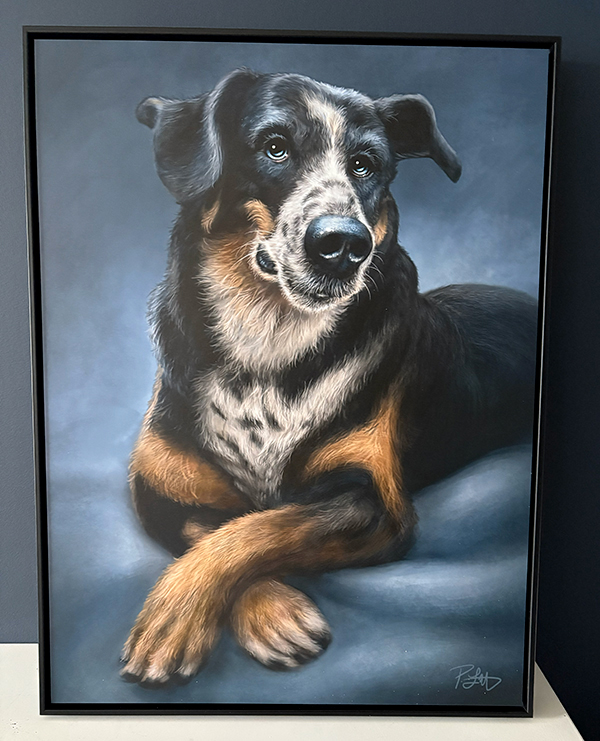
These are some of the ones hanging in his home. So he knew what he wanted when he asked me to paint 10-year-old Delta.
Because he lives in Calgary, I figured I could take my own reference photos. But on the day I set aside late this summer to go there, the check-engine light on my car came on several times before I had even left the mountains. I have a code reader and it let me know that one of my ignition coils was the culprit. Not wanting to risk damaging the car with misfires, I took it home, called my mechanic to get an appointment, and told Pat I couldn’t make it.
He was just about to start his next shift rotation at work, so I suggested that rather than wait for another day almost two weeks later, he could send me some photos he had so I could see if I could get started. I sent him a Dropbox link where he could upload them, and he dumped 400 photos into it. I’m not kidding.
If you think that’s overkill, I assure you, I did not. I was thrilled. Sometimes, especially if the portrait is a memorial, the problem is that I don’t get enough photos. And it’s not just about the likeness; it’s about seeing the character and personality in my subject. Pat has taken some incredibly good photos of his dog over her lifetime, from comical to serious, with several different poses.
Just like when I take my own reference photos, I was quick to discard most of them, which still left a couple of dozen gems. Best of all, after more back and forth where I shared the ones I liked, Pat told me that Delta often sits with her paws crossed, something she’s done since she was a puppy. That pose was among my favourite photos, which is why he brought it up.
Anybody who does anything creative knows about happy accidents, those unexpected moments that give you something better than you could have planned. That engine part was going to fail anyway, but because it happened on the day I was going to take my own photos, I ended up with better reference than I would have shot myself. Of that, I have no doubt. And would I have found out about the crossed paws without seeing those photos Pat sent? Probably not.
I finished this painting on November 15th and sent the final image. I’m always nervous as I wait for the client’s response.
“I won’t sugar coat it. THIS IS AMAZING! It literally brought a tear to my eye, causing the delay in my reply. I’m blown away seeing Delta portrayed in your artistic style, I love it!”
Every commission includes a professional 18″ x 24″ metal or canvas print. It also includes shipping, but I like to deliver it myself whenever I can, especially since it often means getting to meet my subject. OK, fine, my clients, too.
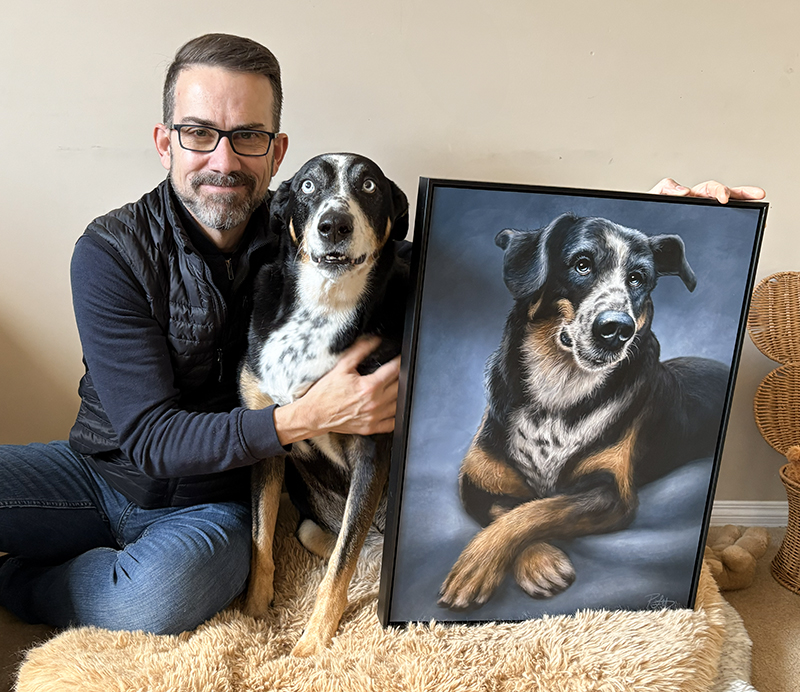
As he is familiar with all my print options and owns at least one of every style, he chose metal with a black frame. He also ordered an extra one for his Mom in Saskatchewan, and three more smaller canvases for each of his siblings.
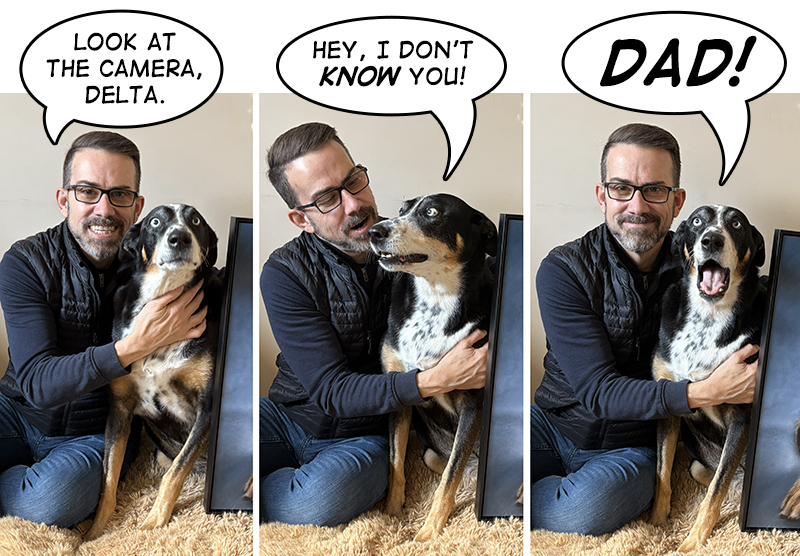
I’ve had the prints in my home for a little while, as Pat was away and I was busy with the Banff Christmas Market. But I was thrilled to deliver them to his and Vanessa’s home in Calgary on Tuesday this week. Not only did I get to meet Delta, but also her younger brother Luke, and it sounds like I might be painting him down the road as well. Both dogs were very sweet and friendly.
Pat and Vanessa sent me home with some delicious homemade holiday treats and a very nice art print that I’m eager to hang in my office. I’m going to take it in for framing next week and will share that later.
I’m so fortunate that my commission clients have all been so great to work with. As they’re most often already invested in my work, usually own some pieces already, and have read all about what’s involved from posts like this one, the experience is one I enjoy. It’s collaborative and a joint effort, which means the end result always feels more special than just “Here’s a picture, draw my dog.”
This was no different, and I loved painting Delta. Pat was great to work with and exceptionally patient, knowing it was already a very busy time of year for me. He didn’t have a deadline, and this wasn’t a “must be done by Christmas,” but I’m still glad it was anyway. It’s a nice way to end my year, working with a great client and creating a painting I’m pleased with. I’ve already got my next few commissions lined up and will start the next one right away in January, but Delta felt like the right way to close out this year.
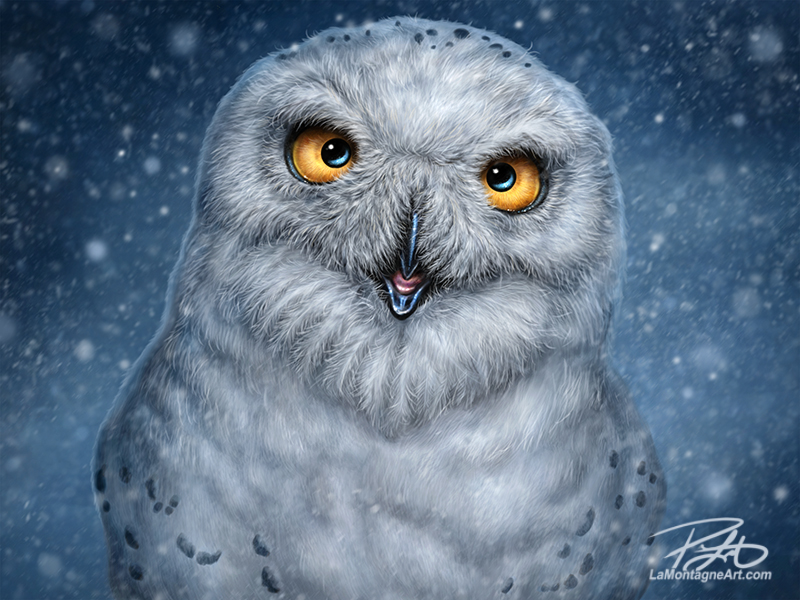
I finished this Snowy Owl painting last week, just in time to add it to my lineup for the Banff Christmas Market. The first metal prints arrived yesterday and the poster prints will be here tomorrow.
Normally, I release new pieces soon after finishing them. This one took a little longer because I recorded the painting process, then spent another week writing the story, recording narration, and editing the footage.
I’ve been working on Wacom tablets since the late ’90s, and my current Cintiq 24HD has been with me since 2014. It still runs every day without complaint and gets me where I want to go. But for this piece, I used my newer Wacom Cintiq 16 with my laptop. It’s smaller, but I enjoy working on it, and the tabletop setup makes it easier to record.
Each video I make gets a little smoother. The workflow feels more natural, I’m learning to work with the quirks of the new editing software, and it’s far less frustrating than a few months ago. I especially enjoyed shaping the narrative for this one, weaving in photos, and talking about the Alberta Birds of Prey Centre.
I didn’t make it down there this year, too many projects kept pushing it off until their season was over. Hopefully, I’ll make it a priority next spring.
In the meantime, I hope you enjoy the new painting and the video that goes with it.
Although the first weekend of the Banff Christmas Market is still over two months away, my planning and purchasing are well underway.
Calendars
I’ve placed my magnet and coaster restock order with Pacific Music & Art, along with the newly finished 2026 calendar that many of you tell me you look forward to each year.
Last year, I miscalculated. I ordered what I thought I needed, but after the usual online sales and the first couple of weekends at the Banff Christmas Market, most were gone. I managed a quick restock for the final two weekends, but sales slowed down, and by January I still had about 20 left. I sold a few more, gave some as bonuses with larger print orders, and still have five or six sitting here now.
It’s always a guessing game. I look at the previous year’s numbers, order what I think will be enough, and cross my fingers.
This year, I’m placing one order only. Once they’re gone, they’re gone.
The cover features one of my favourite new paintings, The Grizzlies. Inside you’ll find a mix of new pieces and some perennial bestsellers. I’ll let you know when they’re available.
Tote Bags
I already have Smiling Tiger and Otter tote bags in stock, available now in the store. But I also wanted something seasonal for the Banff Christmas Market, so I created a Christmas Bear design and ordered it last week. It should arrive by the end of October.
I had thought about doing a subscriber pre-order, but to be blunt, I don’t trust that Canada Post won’t strike again for the holidays. If that happened, I’d be stuck with prepaid orders I couldn’t ship and a pile of unhappy customers. Rather than risk it, I bit the bullet, paid for the order myself, and will sell them in person and online as long as stock lasts.
I’m happy with how the design turned out, and I think it’ll go over well. Because of the lead time, there’s no chance for a second run before Christmas. Once they’re gone, that’s it until next year.
Painting
I’m working on a new commission right now: a senior dog with a lot of character. She’s full of markings and features begging for exaggeration. I’m still in the sketch phase but already looking forward to the painting itself.
My Snowy Owl painting is also coming along nicely. I spent several hours Saturday morning painting feather details, and I hope to finish it this week. It’s a perfect seasonal fit, and I plan to have poster and metal prints ready for the Banff Christmas Market. I’m also recording the process, so I’ll have a video to share once it’s complete.
While I won’t be taking reservations for calendars or tote bags, A Wilder Viewsubscribers will always get first notice and early access when they’re in the store.
A reminder: I still can’t ship to the United States. With the suspension of the de minimis exemption for Canadian goods, the paperwork and costs are just too much for a small business, both in time and money.
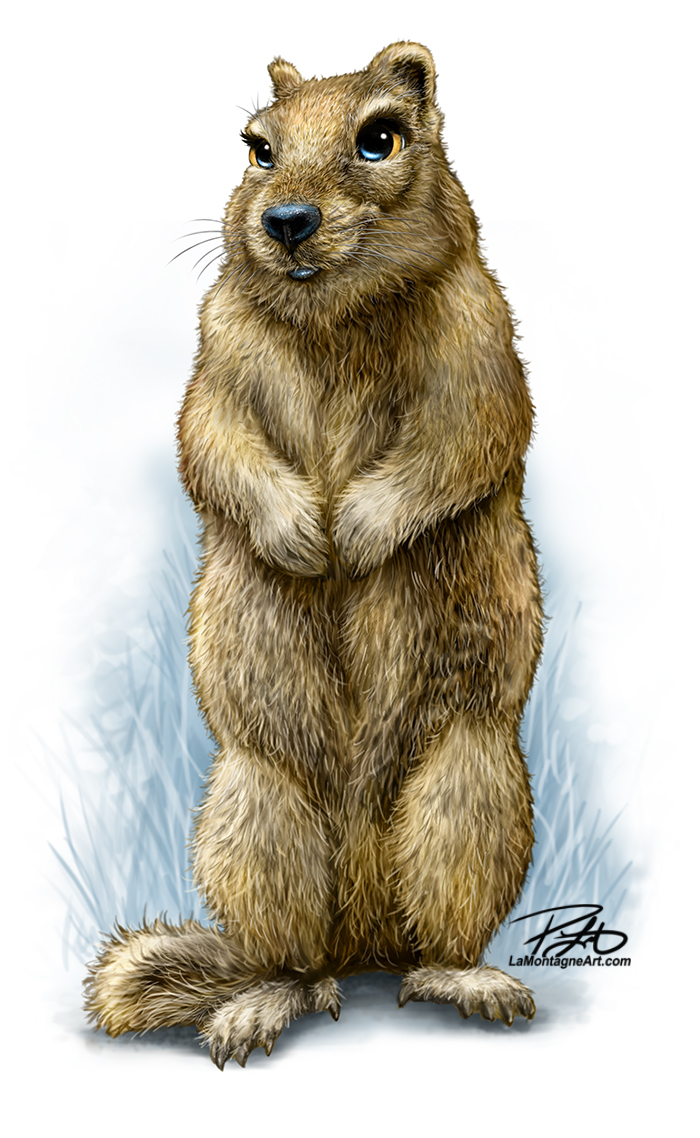
After wrapping up the three-cat commission I’ve been working on (and talking about) for the past couple of months, I needed a reset. Not a full break—but something without expectations, pressure, or deadlines. Just a chance to paint for myself again.
This little ground squirrel was that piece.
I worked on it here and there earlier in the week; no plan for prints, products, or licensing. Just a personal palate (or palette) cleanser to clear my head and get back into the rhythm.
Here’s a closer look at some of the fine detail work, my favourite part of the process.
It also became another step in learning how to better share my process through video. There were a few frustrating moments along the way—some technical hurdles and workflow issues—but I’m learning as I go, and it’s starting to feel more natural. I’ll get there.
Watch the Video
I share a bit more of the backstory, including why I needed this piece after the cat commission, and what this kind of no-pressure painting means for my creative process.
If you enjoy it, a like or comment goes a long way. And subscribing helps bring my work to more people—which means I can keep making and sharing more of it. Thanks for following along.
When people talk about art for a living, they usually mean the highlights—the big launches, the finished pieces, the stuff that looks good on a timeline. But this—the half-finished paintings, the licensing negotiations, the time made for ideas—this is the work.
If you go through any videos, articles, or books about art promotion, you’ll find one consistent theme—be consistent.
It’s easy to promise yourself you’ll write and send a post each week on the same day. Actually doing it? That’s another story.
I’ve been meeting editorial cartoon deadlines every week for more than twenty years. Coming up with ideas isn’t as tough as it used to be, but I still have to draw and send a cartoon, no matter what—whether I’m feeling inspired or not, whether I like the idea or think it’s a dud.
Even though I usually write two or three blog posts and emails each month, there are times when I don’t have much to say. And when that happens, it’s easy to think, “I’ll get to it next week.”
But that kind of procrastination isn’t fair to everyone who’s signed up for this subscription ride, and I don’t take that for granted.
So, with lots in progress but nothing quite finished to share, here’s a bit of a dog’s breakfast of what’s on my desk and on deck.
PAINTINGS
I’m still working on those three cats. That’s normal for commissions—they take time, especially when you’re trying to capture three distinct animals in one piece. But I’ve finally found my groove this week, the fun part.
Thanks to some helpful (and welcome) suggestions from the client, their personalities are coming through. There are two black cats in the painting, each with a different look and vibe, and I was a little worried about pulling that off. That’s where back-and-forth with the client really matters. The more I learn about their features and quirks, the better job I can do.
The cats are now in the same painting rather than separate sketches, and when I open the file now, I don’t clench my teeth. I smile. That’s a good feeling. It’s not unique to this commission either. That’s the usual experience for most of my paintings.
I’m also working on a snowy owl, a grizzly bear, and a raven, all at various stages of completion. There’s a lot more work to do on this one, as I’m also recording the process on video, but here’s a sneak peek at the owl in progress.
LICENSING
It’s been a good couple of weeks on the licensing front. One international company I’ve worked with before came back with a new proposal. Since my first experience with them was pretty close to perfect, I was happy to jump into a new contract with them.
Another company I’d never heard of cold-called me with a very appealing offer to license my work. We’re in the “crossing t’s and dotting i’s” stage now.
Both companies are seasoned pros when it comes to working with artists. There’s nothing unexpected in the contracts, and most of it is just formality. In my experience, that’s typical. While it does happen, it’s rare to come across a company trying to screw you over.
I realize both of these updates probably sound like teases, but that’s the nature of licensing. I can’t talk about names or details until they launch, which could take weeks, months, or even a year. In the meantime, there’s work to do behind the scenes and it takes real time and effort.
The admin side of being a professional artist often eats up more time than most expect. But licensing is a solid revenue stream because it’s built on artwork I’ve already created, and it works well for me.
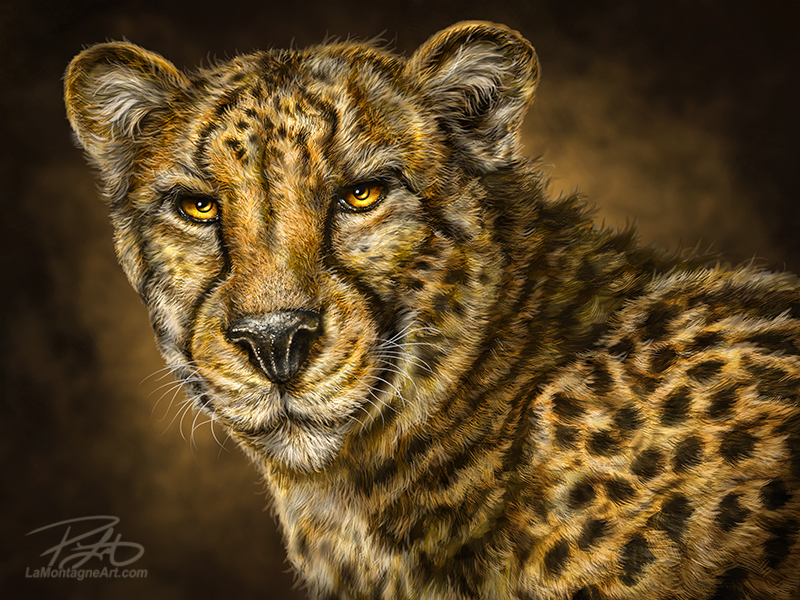
Diamond Art Club just released a new kit featuring my cheetah painting, my sixth kit so far. That one was a surprise, since it’s not one of my more popular prints. But they do plenty of research before launching a new image, and there was a demand for this one. I love working with this company, and there are more pieces in the pipeline. But they decide and let me know when I can share them.
EDITORIAL CARTOONING
A Calgary Herald reader saw one of my recent G7 cartoons and ordered a couple of prints. I don’t get a ton of editorial cartoon orders, but enough that I’ve built a good production system for them. I use the same printer who produces my metal and canvas prints, so the quality is always spot-on. This particular cartoon also featured a grizzly bear—so the best of both worlds. I signed both prints and shipped them yesterday.
LIFE STUFF
Last weekend, I got away for a cabin trip with my buddy Darrel. It’s a good thing we book these months in advance—if I didn’t have the commitment (and the deposit), I’d probably find a too-busy excuse not to go. I know, wrong priorities, I’m working on it. Thankfully, once I’m there, it always feels like the right decision.
After years of getting up at 5:00 a.m., I can’t really sleep late anymore. Even without an alarm, and staying up later than usual, I was still up by 6 or 7. I tiptoed past Darrel’s room, showered, made some coffee to-go, and headed out looking for wildlife.
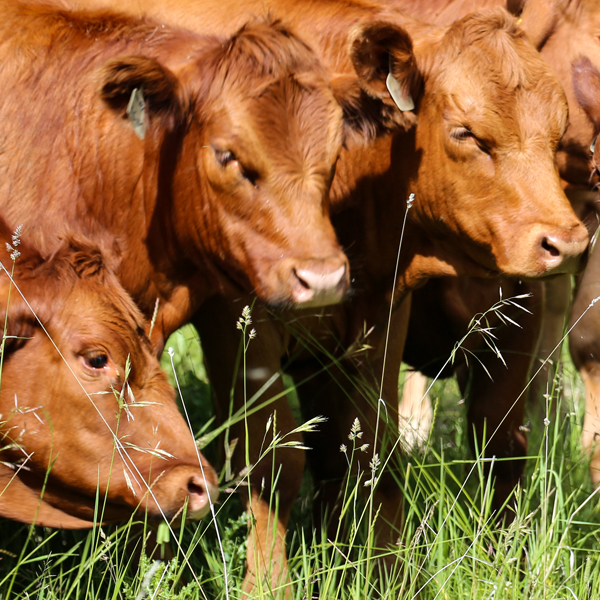
The morning walks were a peaceful start to the day. Critter sightings were limited—just some skittish white-tailed deer, a juvenile Cooper’s Hawk overhead, and cows. Lots of little birds singing in the trees, over a dozen species according to the Merlin app. One evening, a couple of Great Horned Owls were calling to each other. And in the middle of the night, coyotes howled from all directions. That last one is one of my favourite sounds in nature. I’m always surprised when I sort through reference photos, because often something I thought I had, doesn’t look as good when I get home. And then a random throwaway photo might spark a painting. This little calf was painted from reference I took at the cabin a few years ago. I’ve since retired it because frankly it wasn’t popular, even though I enjoyed the work and like the painting. That happens a lot, where my favourites may not be your favourites. But one evening on this visit, I noticed the neighbour’s cows hanging around his gate near the road, and shortly after this first pic, they clustered together and it struck me comical. So I took a bunch of photos, and though I’d work from several of the ones I shot, I think there’s a painting here. Already thinking about how long it would take, but this is a marathon, not a sprint. I’ll have to let it simmer a bit, but whenever I hear that voice whisper, “hey, look here,” I try to pay attention.
We did our usual: cards, games, guitar, napping on the deck, and wandering the property without agenda. We had some (always welcome) on-and-off rain, a loud, windy thunderstorm with a bit of non-damaging hail, but overall, the weather was pleasant. And while I still spent too much time in my own head, thinking about work and worrying about things I can’t control, the setting and company helped me turn down the volume for a few days.
I’ve been working on a commission of three cats, and it’s coming along well. The client has provided some valuable feedback on the images I’ve shared so far. I’ve also recorded a bunch of the process, written the video narrative, and I’m still working on that video and the painting itself.
Usually, I sit down, open a Spotify playlist, and start painting. When I’m recording a painting, however, I need to position the camera above my display, adjust the lighting so the viewer can see my hand, record for five or six minutes, move the camera away, paint some more, and then record another segment a half hour or so later. It can take me out of the groove of painting because I’m thinking about something else rather than getting lost in the work.
Once I finish recording, I need to export the files to an external hard drive, format them for ease of use, and bring them into my editing software. I then speed up the footage to prevent the viewer from getting bored. Next, I will record a ‘talking head’ portion, write the narrative to go along with it, possibly source and add some music. It involves several hours of technical work in addition to the painting.
Now, as I become more proficient, that process will become smoother and take less time. However, it’s a bit clunky right now. I don’t have a workflow yet. But I’m getting there.
Lately, I’ve been feeling a bit trapped by the work-for-hire stuff—both the editorial cartoons and the commissions. Don’t get me wrong, I’m grateful that I am able to make a living in a profession that often pairs the word starving with artist. But sometimes I need to remind myself of the reason I got into this in the first place, for the love of drawing.
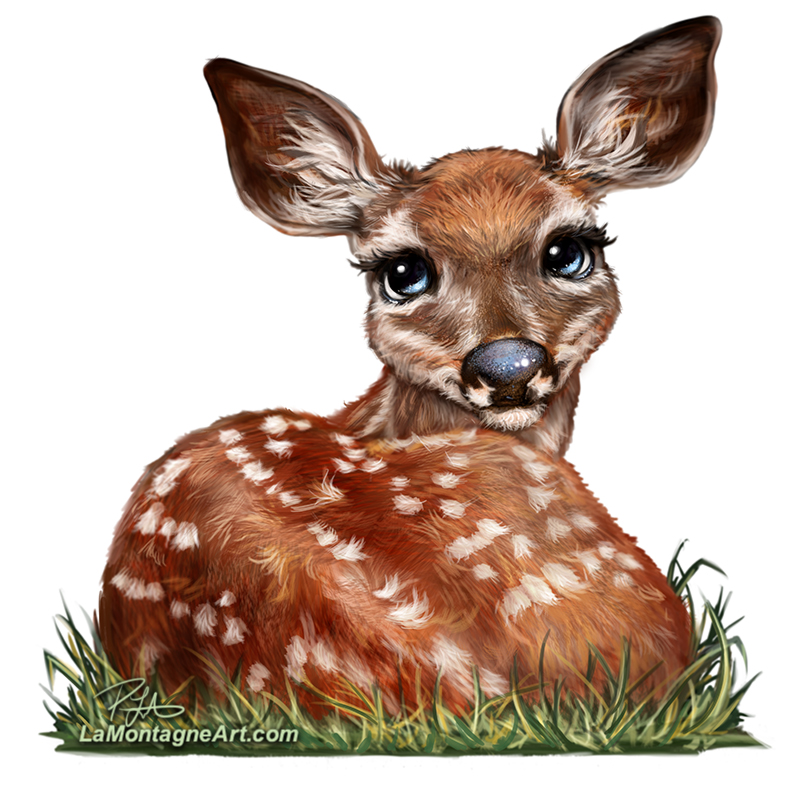
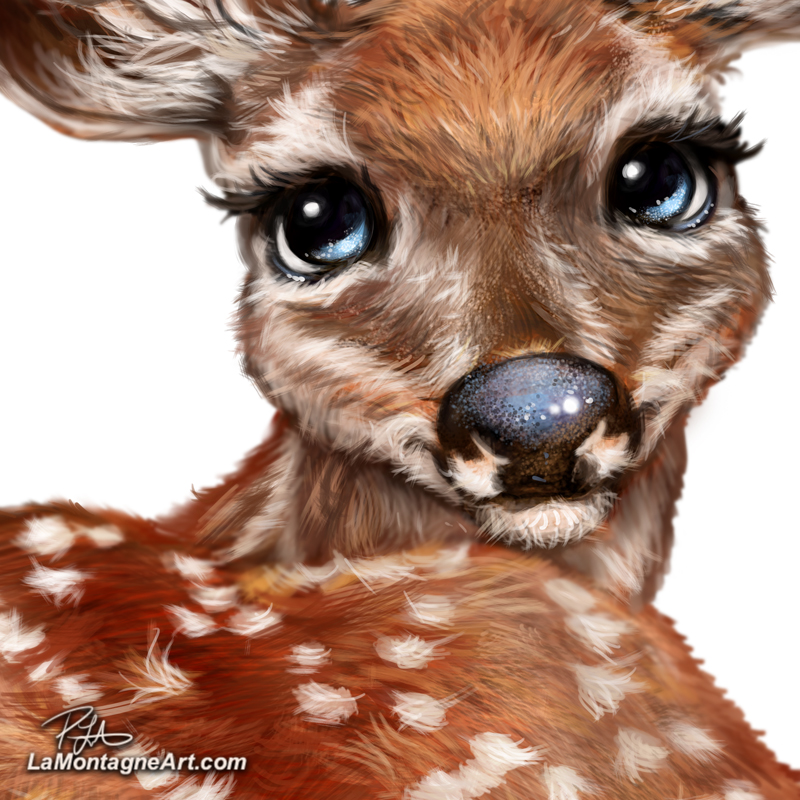
So, I took a reset break and painted something just for fun. I based this little fawn on reference I shot at Discovery Wildlife Park about three years ago. It’s still rough around the edges. I could add more detail and background, but for now, I’ll leave it and return to the commission.
Whenever I’m deep into one of these big paintings and hit a point where I’m not feeling it, it usually means it’s time to step away. A few days’ break lets me come back with fresh eyes, and I can see what’s missing. That pause-and-return approach has worked for almost every painting I’ve ever done.
This little one would make a cute vinyl sticker as-is, and I’ll likely add it to my new releases before the Banff Christmas Market. And who knows—after some time away from it, I may return with new inspiration to add more detail, a background and turn it into a print.
As always, I’d love to hear your thoughts. Feel free to share them in the comments.


 I keep these dimensions because it makes it easier for my customers to find a frame, and that is a selling feature.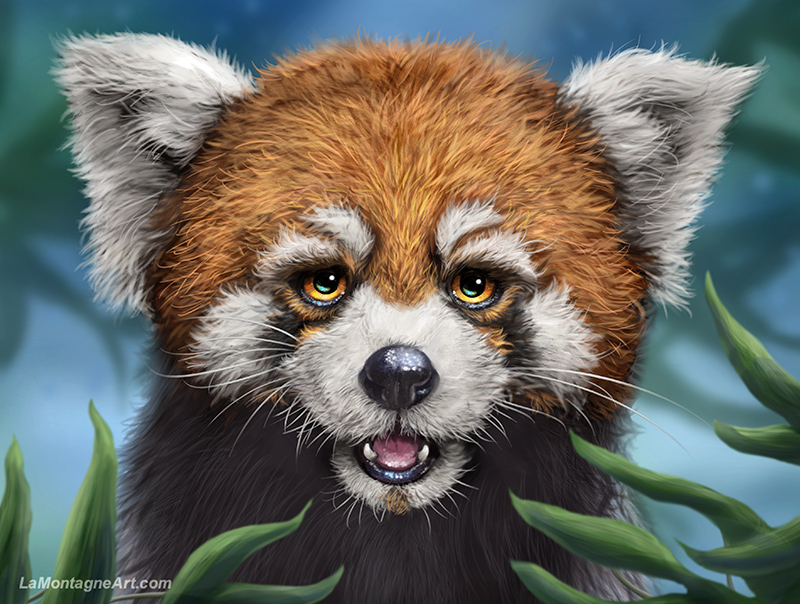
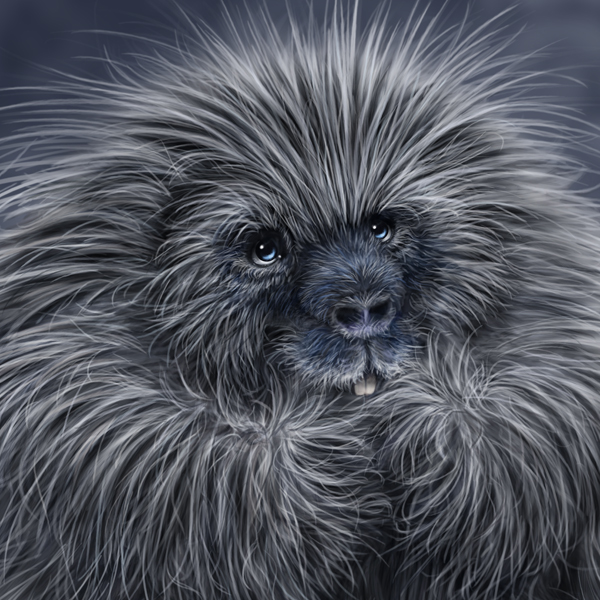
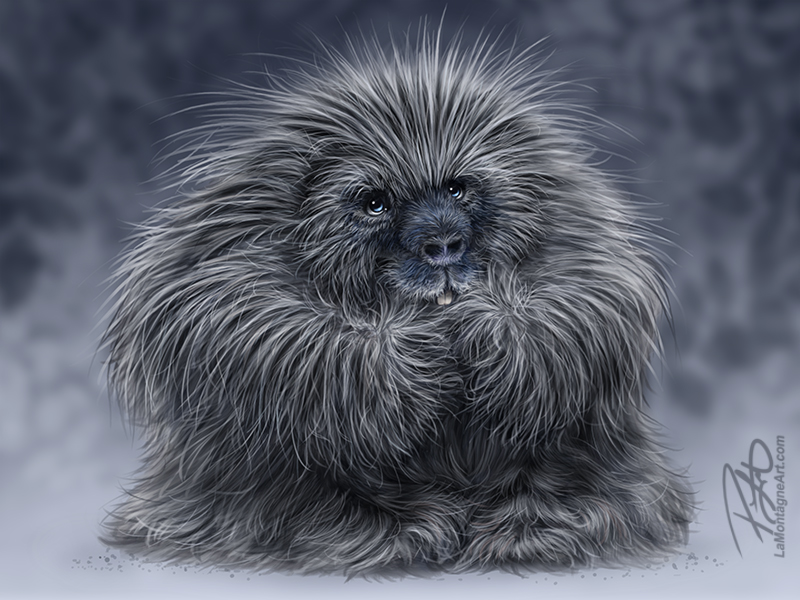 This porcupine turned out to be a lot more fun than I expected, and that was exactly what I needed right now.
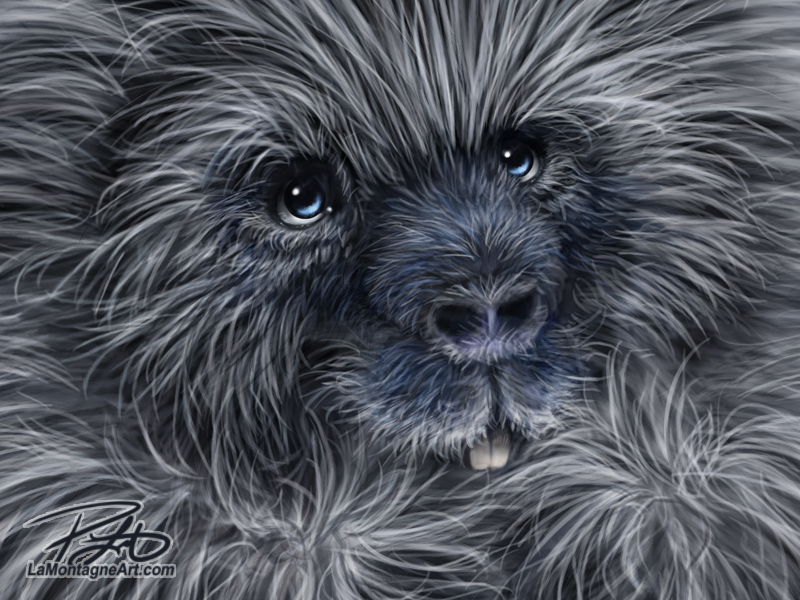 But this piece reminded me why I sit down to paint in the first place.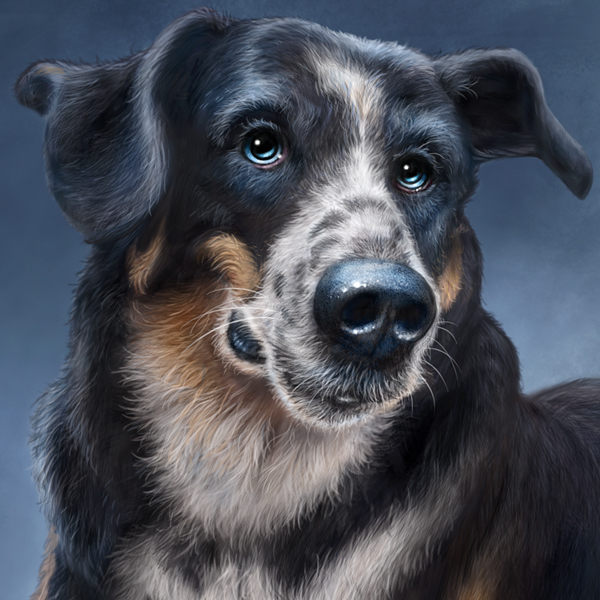
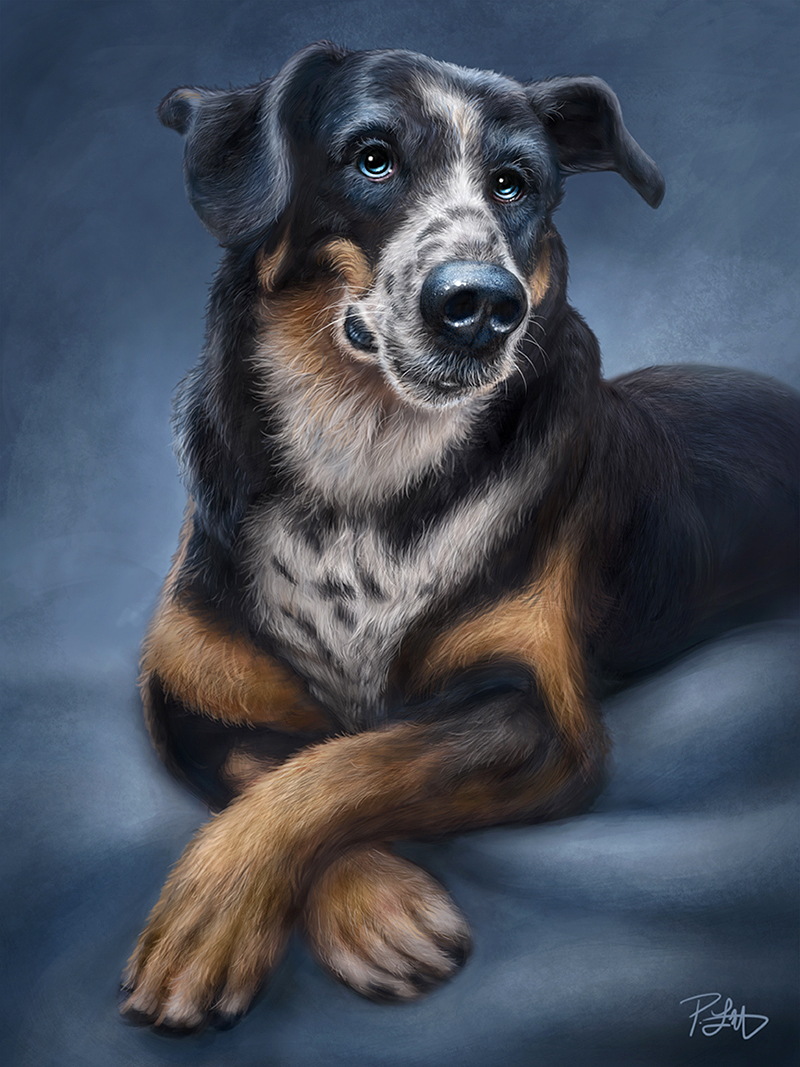
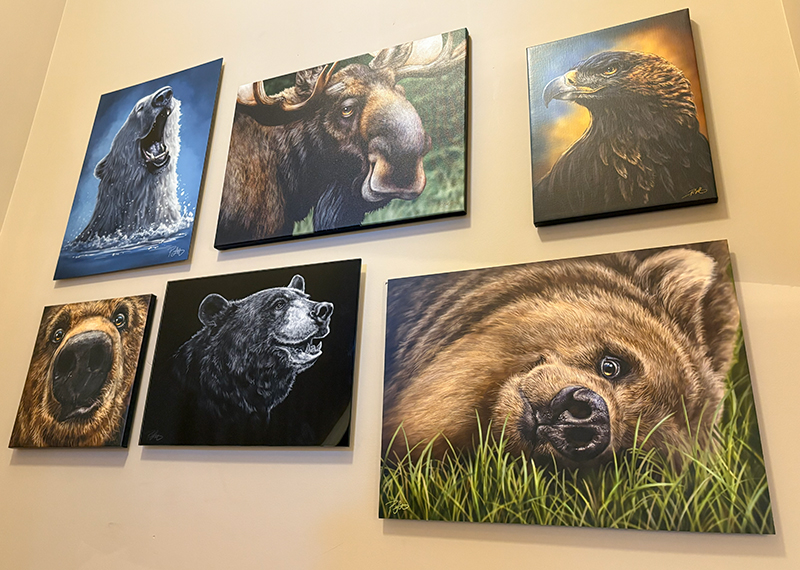 So he knew what he wanted when he asked me to paint 10-year-old Delta.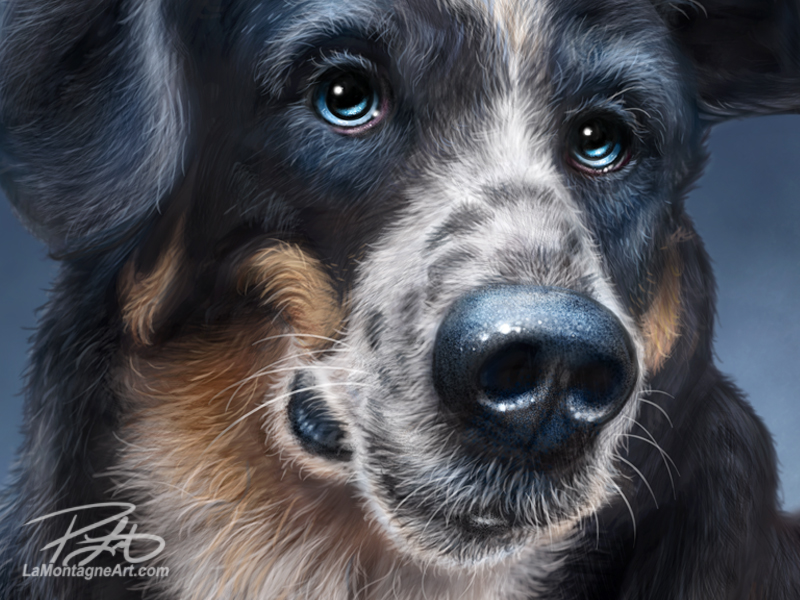
 I’ve already got my next few
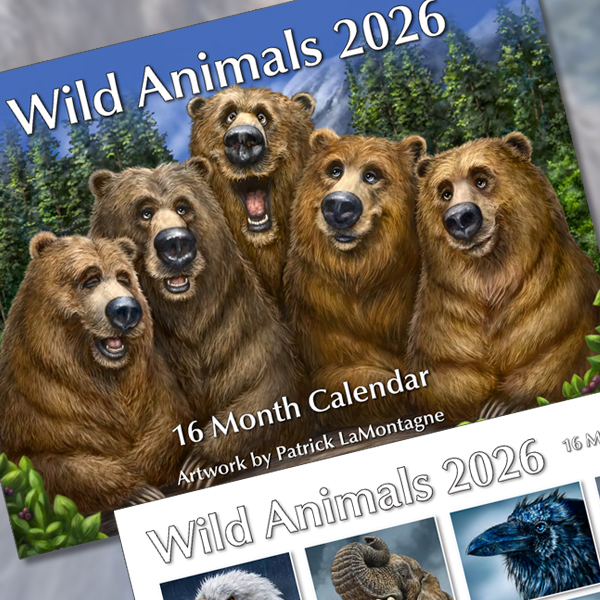
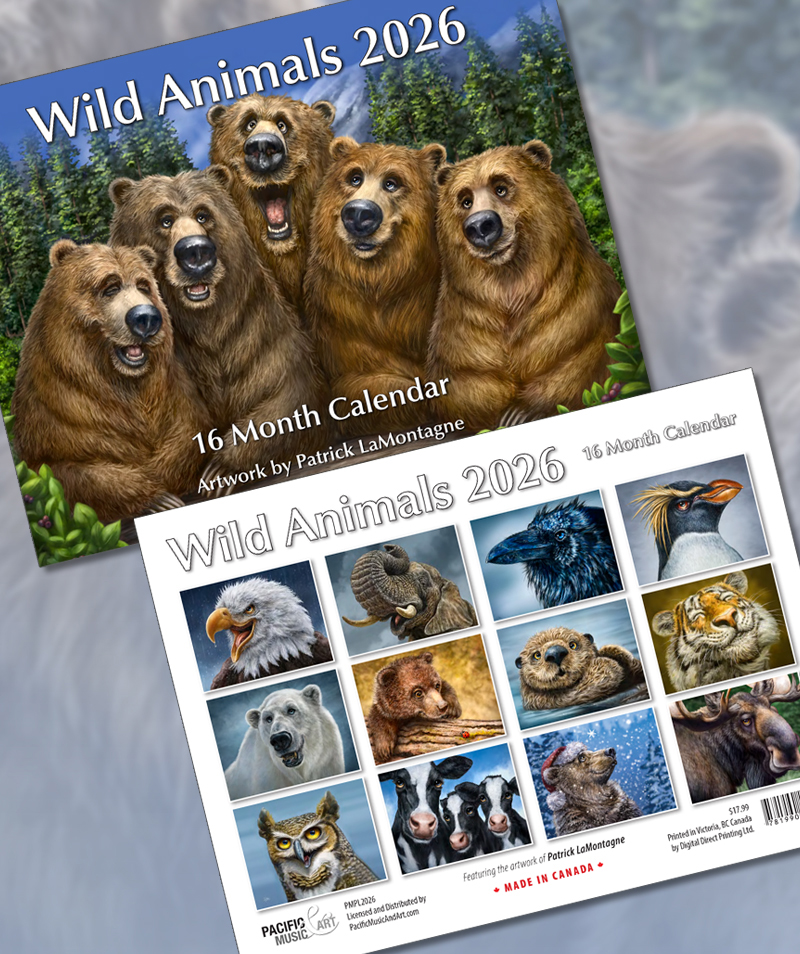 The cover features one of my favourite new paintings, The Grizzlies. Inside you’ll find a mix of new pieces and some perennial bestsellers. I’ll let you know when they’re available.
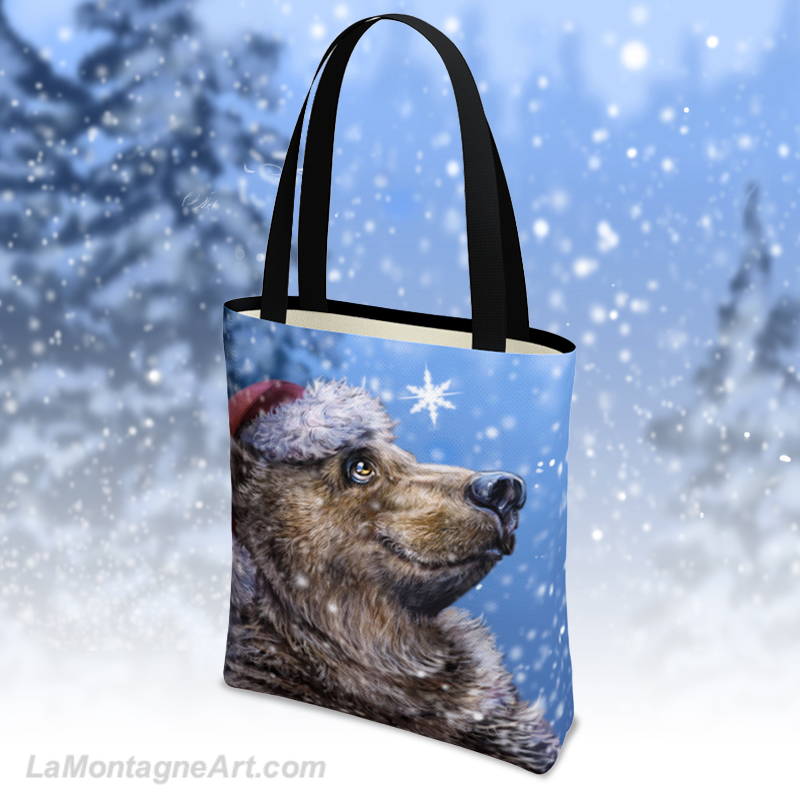 I had thought about doing a subscriber pre-order, but to be blunt, I don’t trust that Canada Post won’t strike again for the holidays. If that happened, I’d be stuck with prepaid orders I couldn’t ship and a pile of unhappy customers. Rather than risk it, I bit the bullet, paid for the order myself, and will sell them in person and online as long as stock lasts.
 After wrapping up the three-cat commission I’ve been working on (and talking about) for the past couple of months, I needed a reset. Not a full break—but something without expectations, pressure, or deadlines. Just a chance to paint for myself again.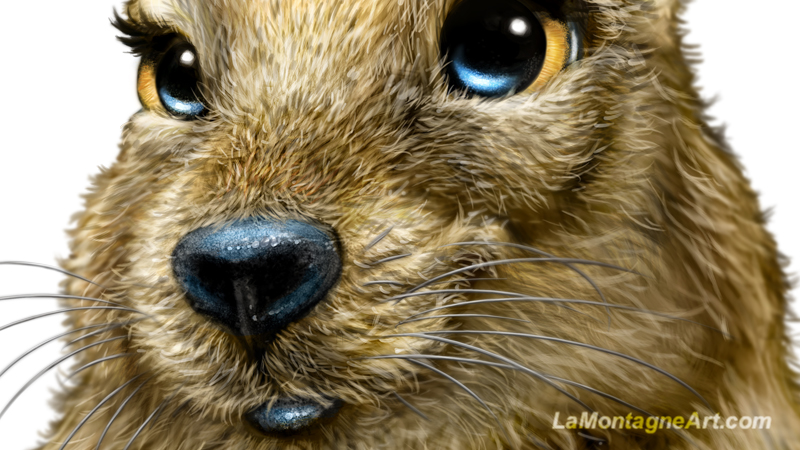
 When people talk about art for a living, they usually mean the highlights—the big launches, the finished pieces, the stuff that looks good on a timeline. But this—the half-finished paintings, the licensing negotiations, the time made for ideas—this is the work.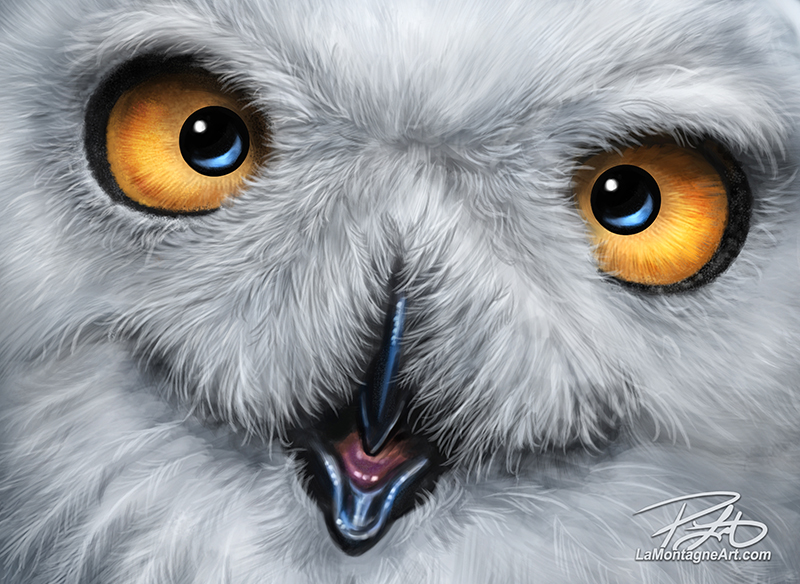
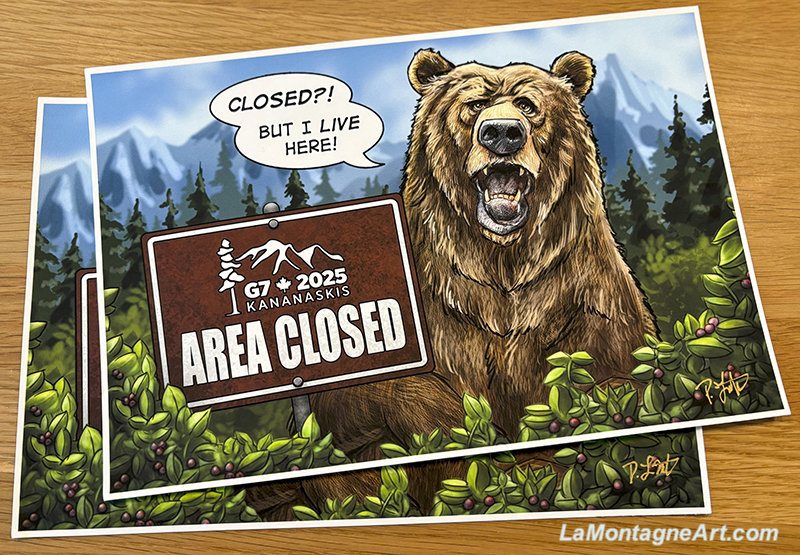 This particular cartoon also featured a grizzly bear—so the best of both worlds. I signed both prints and shipped them yesterday.
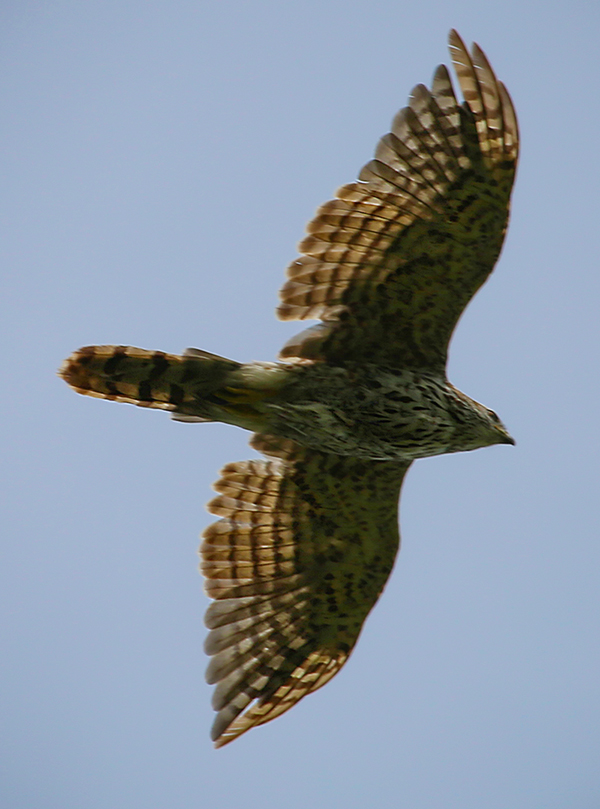 I’m always surprised when I sort through reference photos, because often something I thought I had, doesn’t look as good when I get home. And then a random throwaway photo might spark a painting.
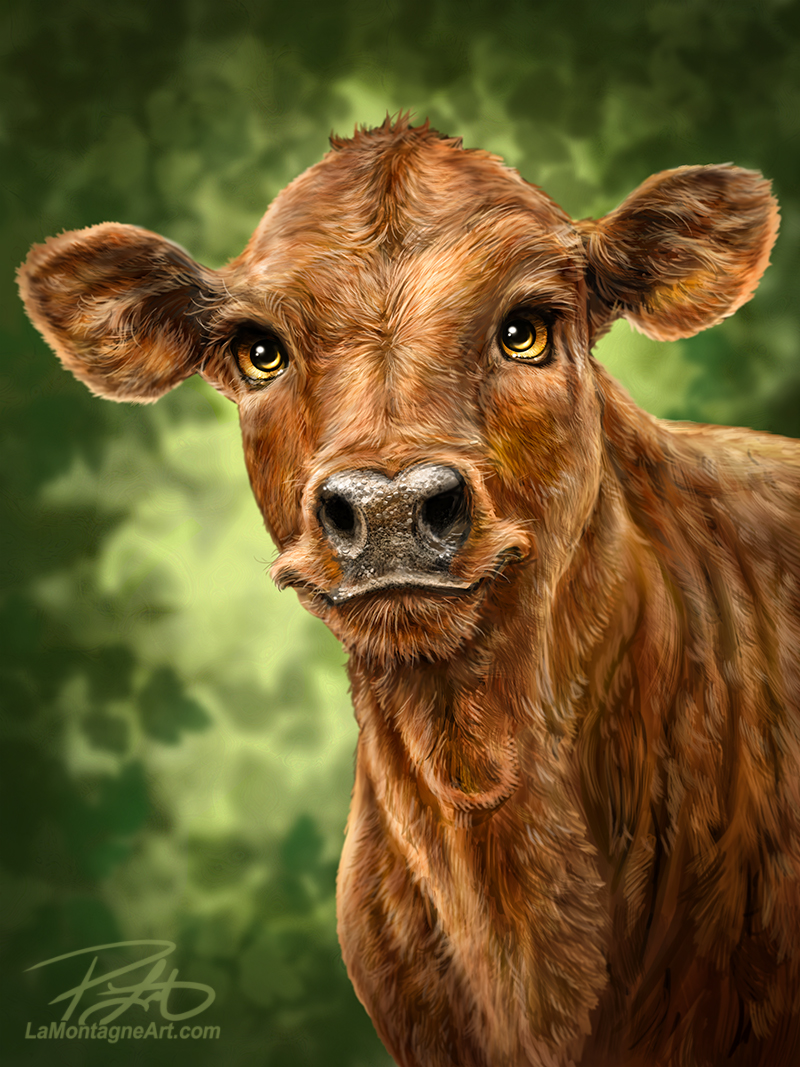 This little calf was painted from reference I took at the cabin a few years ago. I’ve since retired it because frankly it wasn’t popular, even though I enjoyed the work and like the painting. That happens a lot, where my favourites may not be your favourites.
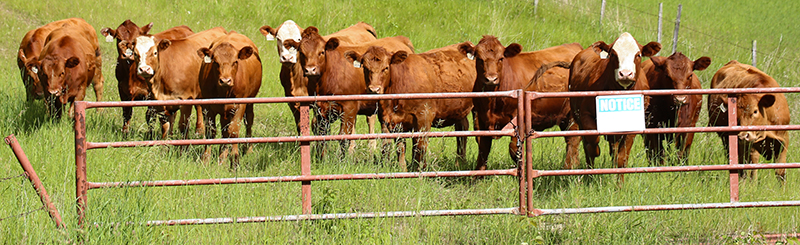 But one evening on this visit, I noticed the neighbour’s cows hanging around his gate near the road, and shortly after this first pic, they clustered together and it struck me comical. So I took a bunch of photos, and though I’d work from several of the ones I shot, I think there’s a painting here. Already thinking about how long it would take, but this is a marathon, not a sprint.
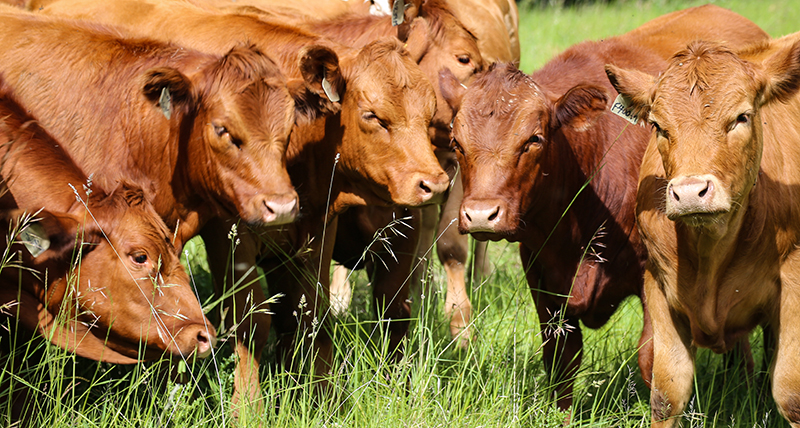 I’ll have to let it simmer a bit, but whenever I hear that voice whisper, “hey, look here,” I try to pay attention.
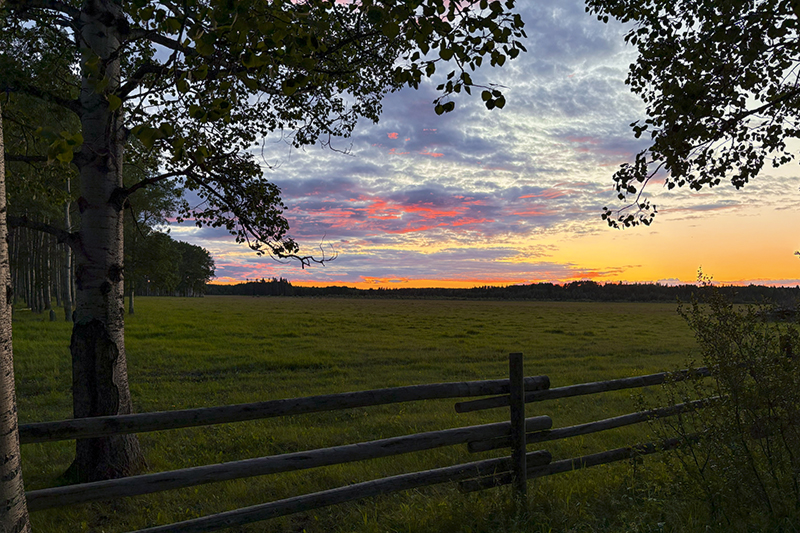 And while I still spent too much time in my own head, thinking about work and worrying about things I can’t control, the setting and company helped me turn down the volume for a few days.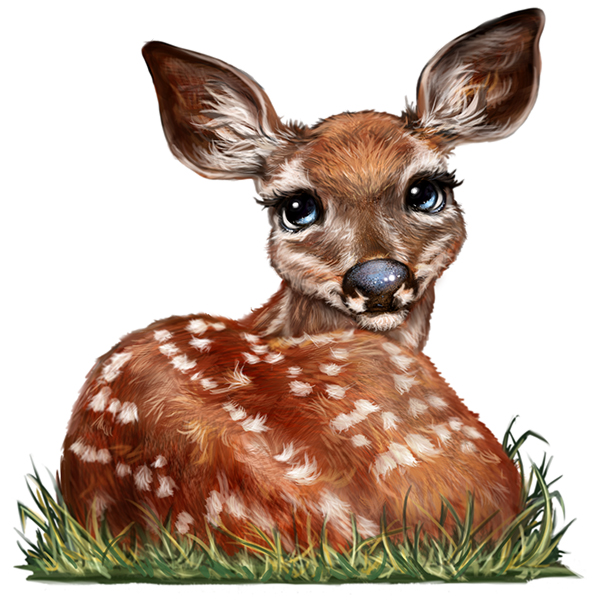
 I’ve been working on a commission of three cats, and it’s coming along well. The client has provided some valuable feedback on the images I’ve shared so far. I’ve also recorded a bunch of the process, written the video narrative, and I’m still working on that video and the painting itself.
 I based this little fawn on reference I shot at