 In 2008, I hosted the Canadian Editorial Cartoonists Conference in Banff. Several industry veterans who attended came up in a culture where busy unionized daily newspapers hired editorial cartoonists for impressive salaries, benefits, and pensions. I began my career at the end of all that.
I put a lot of work into the conference and preparing a Photoshop drawing class, trying to impress and curry favour with the more established cartoonists in this exclusive club. But, unfortunately, I realized too late that nobody cared. They were simply looking for an excuse to visit Banff, hang out and talk shop. It was about nostalgia, politics, and competitors fishing for information.
I wanted to improve my skills and artwork and learn how to adapt to a struggling industry, but many of them were focused on avoiding having to change. In fact, in the wrap-up, one of the more senior cartoonists loudly promised there wouldn’t be any Photoshop drawing classes at the next conference.
Clearly, I didn’t belong in this group.
In 2009, I attended another conference, the National Association of Photoshop Professionals in Las Vegas. I had been a member of this supportive online community for several years. Critiques were constructive, questions were answered with enthusiasm, and I learned more from that association than any before or since.
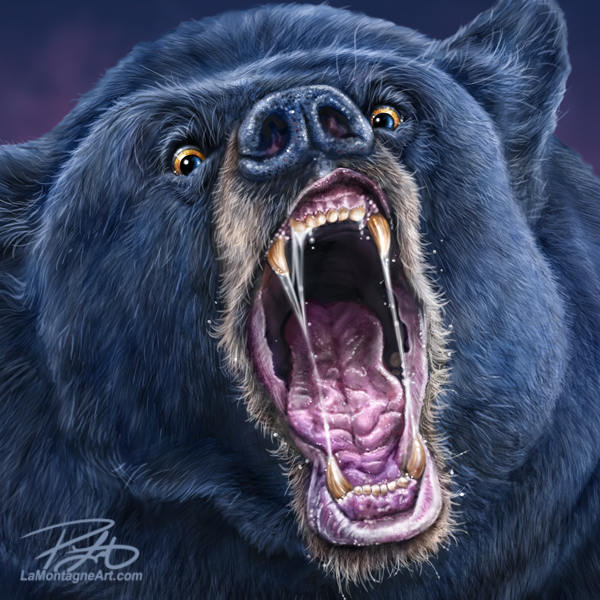
Fresh off that first Photoshop World conference, inspired to try something new, I painted a funny looking grizzly bear, my first whimsical wildlife portrait.
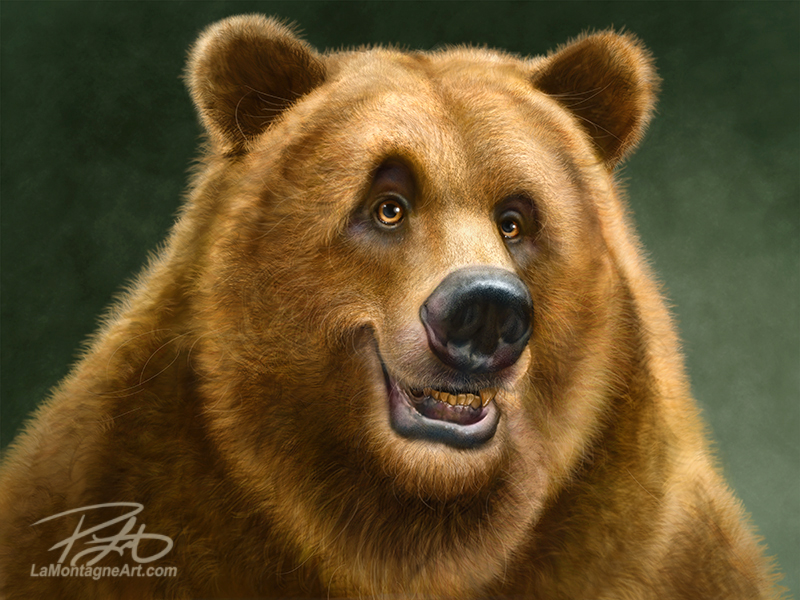 I went to that conference five times between 2009 and 2014. In 2010 and 2014, I won multiple Guru Awards for my animal paintings, including two Best in Show awards. The classes and instructors, the community of friends and colleagues, it was time and money well spent.
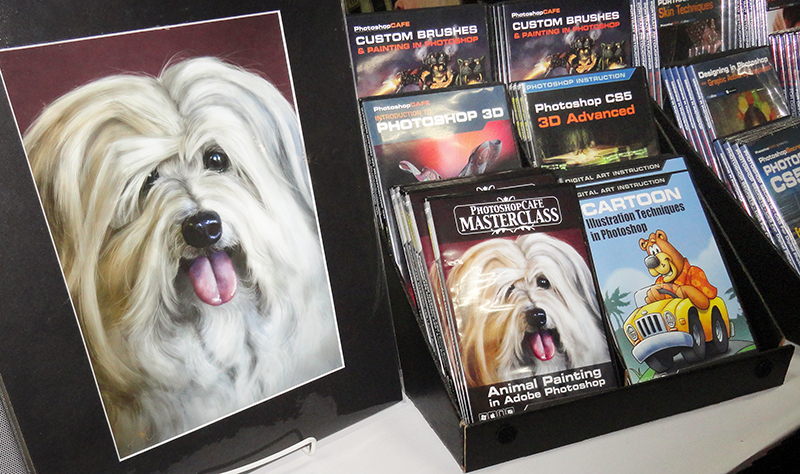
At Photoshop World, I made valuable business connections. For a long time after, I had a welcome working relationship with Wacom, the company that makes the drawing tablets and displays I’ve used for the past 25 years. I recorded two training DVDs for PhotoshopCAFE, and NAPP helped me form a strong foundation for my creative skills.
 Eventually, social media killed the forum, and the organization rebranded. As a result, NAPP no longer exists, and the Photoshop World conference is a ghost of its former self.
Time spent pining for the way things used to be is a waste. Adaptation is the most useful skill a self-employed artist can have.
While licensing and retailers are essential for my business, those customers each have their own ideas of what they want from my work. One retailer wants more bears; another wants more wolves. One agency wants me to follow seasonal trends; another client wants more realistic animals. Some products sell better with brighter, more colourful elements, and some without a background. Some items work better with a vertical layout, others horizontal.
Most artists have heard they should find their niche, the work that makes them unique and different from everybody else. It’s the key to survival in a crowd where a lot of art looks the same. But if you work hard and are lucky enough to discover the work that defines you, the next piece of advice you hear is that you need to make it appeal to everyone all the time.
Well, which is it?
How do you create work you enjoy enough to keep doing it year after year and continue to make it pay? How do you serve your customers and clients and allow their input and direction without changing your work so much that it’s no longer yours? Is it artwork or factory work?
When it becomes a grind or just about pumping out more images, it can take all the joy out of it. Lately, finishing some paintings has brought the same sense of accomplishment I get from cleaning the house. That’s a telltale sign of burnout. I’ve been here before, more than once. It’s a common experience with anyone who creates anything, especially if it’s their job, a warning that something’s got to give.
I know how to paint a single animal. I’ve put almost fifteen years into it. Each takes hours to paint, and the work I’m doing now is better than I’ve ever done, but it’s still the same style and (shudder) formula. It’s not as challenging or fulfilling as it used to be.
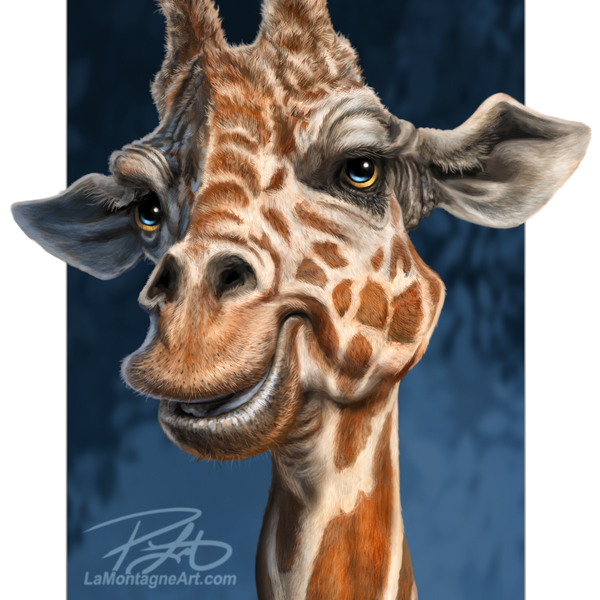
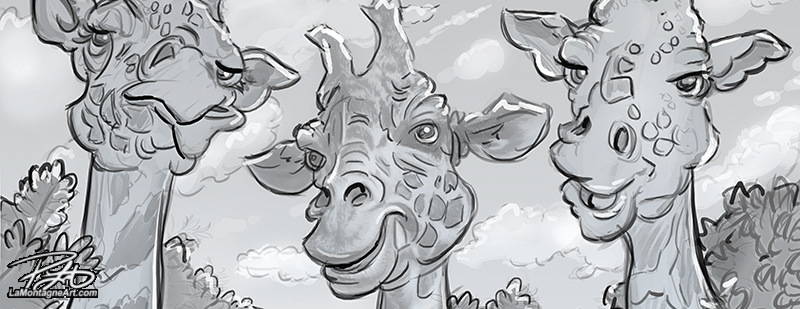
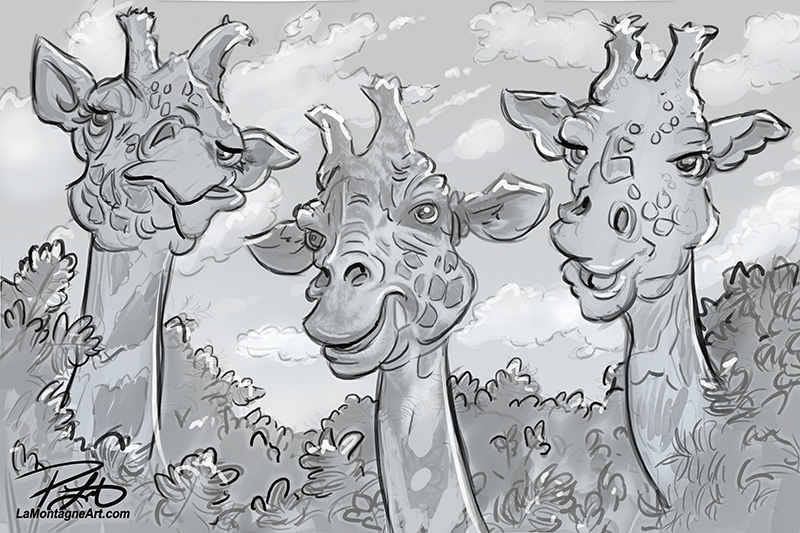 I’ve taken a new approach with the trio of giraffes, already titled “Long Neck Buds.” I don’t know if it will work the way I imagine it, but if it does, it will be the first of several I plan to paint this way.
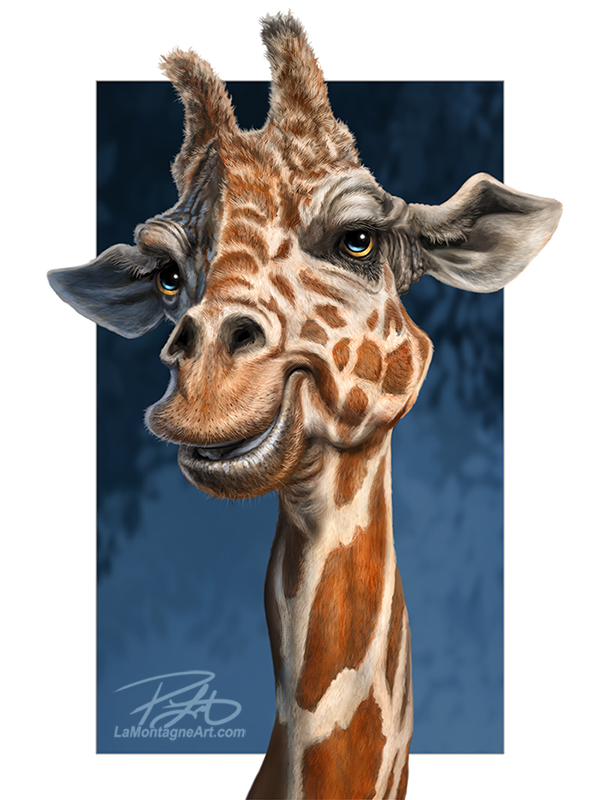
This latest individual giraffe isn’t quite a finished piece, but it’s close. It will also be the middle giraffe in the painting based on the group sketch above. With the simple background, it’s a solid painting on its own. I’ll paint the other two individually, like this first one, with my usual high detail, then I’ll place them all together. Finally, I’ll paint the sky, clouds and leaves around them.
 I’m a commercial artist, it’s how I make my living. I don’t pretend otherwise. But this is also supposed to be fun. I want to paint more detailed and elaborate images I’ll enjoy while also leaving options open for clients and licenses with different needs.
I want to create more paintings this way—a troop of meerkats, several burrowing owls, and a waddle of penguins. I could paint different species in an image. However, with each critter as detailed as my usual work, these will take longer than a single painting, requiring a more substantial investment in each piece.
I get nervous when spending too much time on one painting, likely due to many years of drawing editorial cartoons. Twenty years ago, when almost nobody was publishing my work, I would spend many hours nitpicking a cartoon, trying to get a caricature right or fussing with perspective. Shonna and I referred to these as Sistine Chapel cartoons. I had to train myself to say, “good enough.”
Most political cartoons have a short shelf life, so speed is essential. Get it done, get it out, and get started on the next one. My cartoon work pays monthly bills.
With a painting, however, the income can come anywhere from next week to next year. Pieces I painted ten years ago are still paying today. Paintings are an investment in future prints, products and licensing, income that often comes later.
This year, I’m making time to play and experiment.
I’ll share works in progress, sketches, and thoughts along the way, but fewer finished pieces. The ones I do complete will be bigger and hopefully worth waiting for. Of course, I expect I’ll still paint a single animal here and there if the mood strikes me.
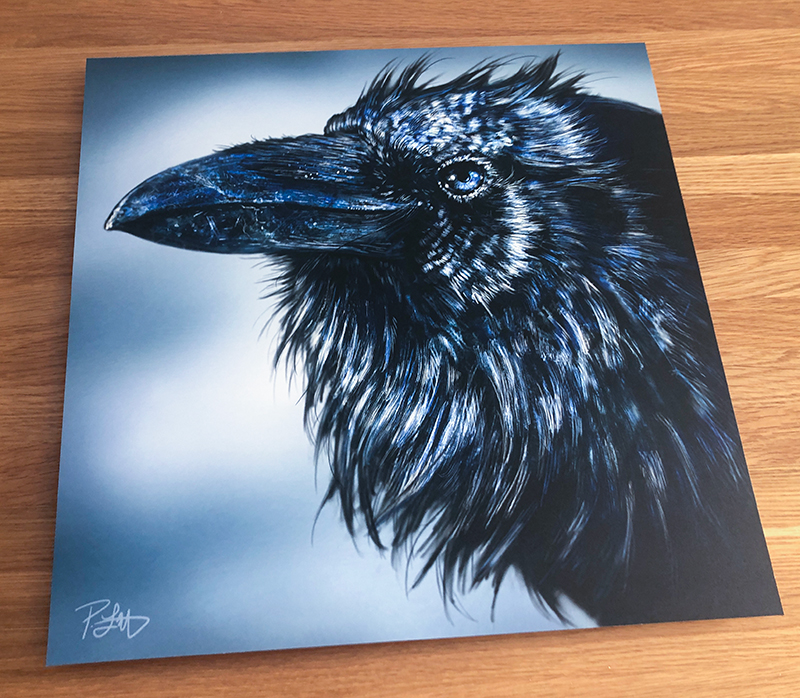
11” X14” poster prints will come out only a couple of times a year rather than as I complete them. With higher shipping costs, I imagine that it won’t be a problem for collectors of my work to be able to order two or three new pieces at a time with one shipping cost.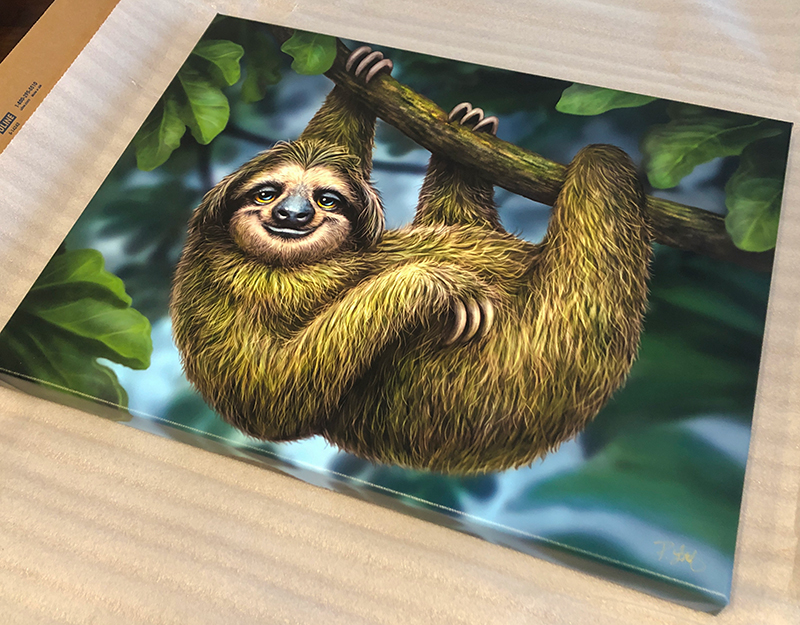 But I’ll still welcome custom metal and canvas special order prints. You can order those by email anytime. The above 18”x24” sloth on canvas and 20″x20” Blue Beak Raven on metal below are two custom orders that arrived this week.
 The puzzles I launched this year felt like a considerable risk, but I sold a lot of them and have received requests for more. I’m suddenly motivated to plan paintings that will work as prints, puzzles, stickers and more. I’m also exploring puzzle licensing opportunities.
In the meantime, my collection of more than 100 paintings will continue to pay the bills with prints and licensing, as will drawing daily editorial cartoons, for as long as newspapers hang on.
I’m not having any fun. That needs to change.
Cheers,
Patrick

 When I started drawing
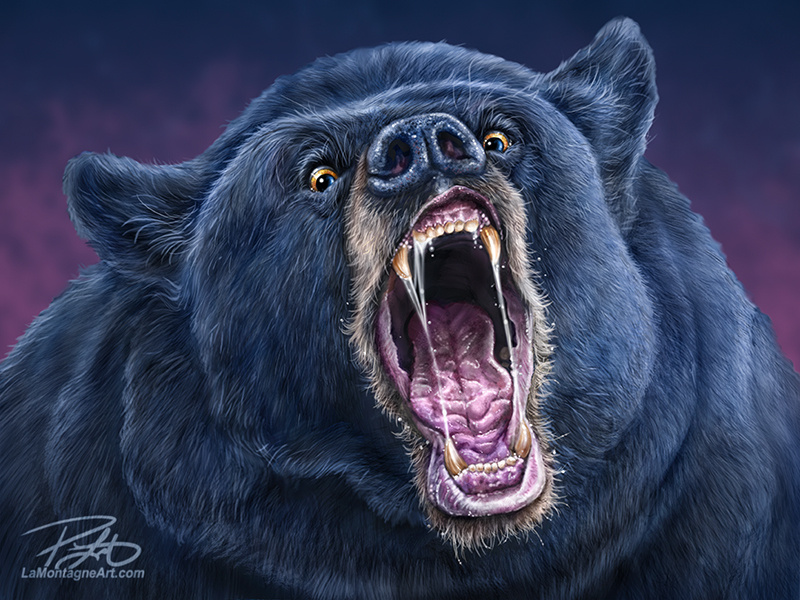 When you find work that resonates with people, any deviation is a risk. People like the happy animals, so why upset the apple cart? Shouldn’t I create another image with a better chance of print sales and licensed images?
 Roll your eyes, shake your head, wave it off, and call me crazy. I don’t need to convince you. All I know is I went from near-crippling back pain for several months to having almost none over a decade later. You’d think a genuine bulging disc, spinal defect, or structural deformity would worsen with age, not disappear.
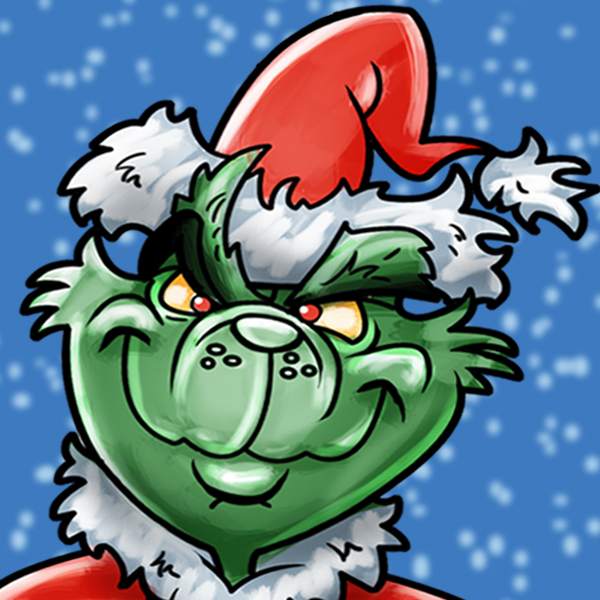
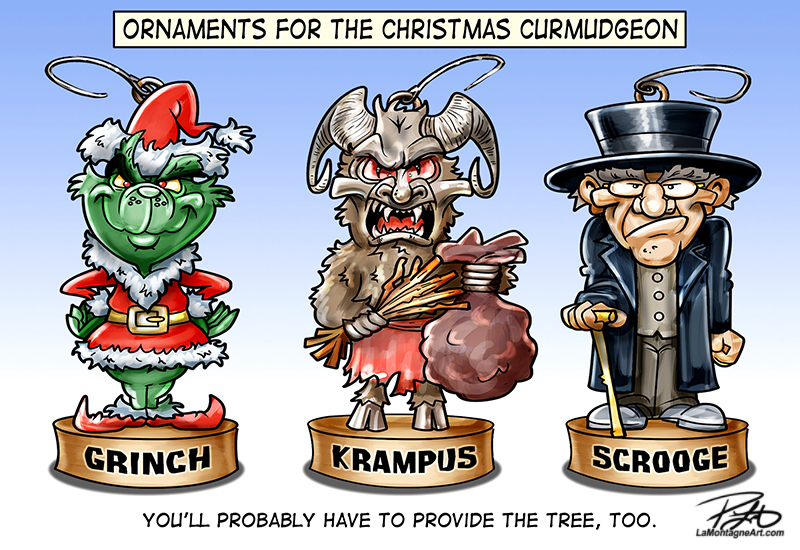 Near as I can tell, it was the seven years working in the tourism industry in Banff that exorcised the spirit of Christmas from this here cartoonist and painter of whimsical wildlife.
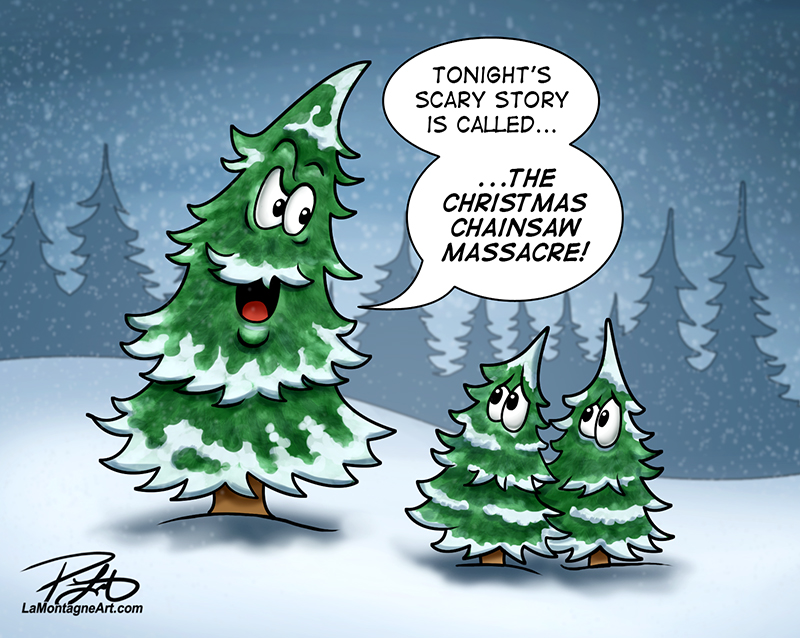 Shonna and I have not had a tree or decorations in more than twenty years. Aside from a few extra blankets on the couch, our home looks the same on December 25th as on July 25th. We don’t exchange gifts, and we don’t make a big meal.
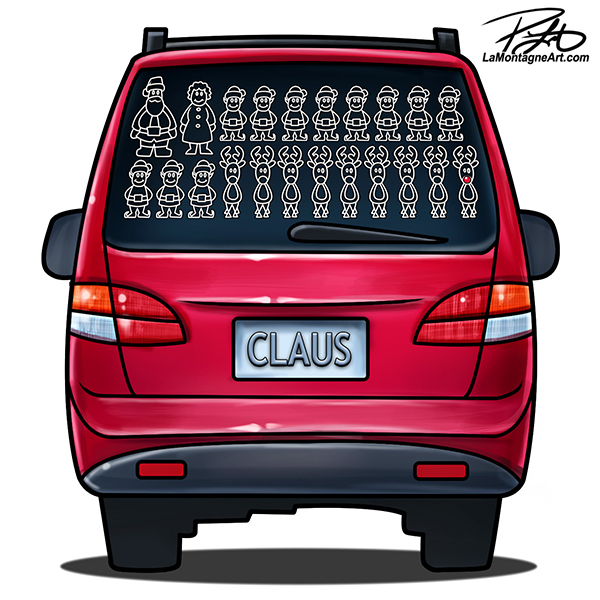 I welcomed the excuse not to travel. In the darkest month, with the best chance for the worst weather and most treacherous driving, while we’re all under peak stress, everybody hits the road at the same time. And if the highways close for a winter whiteout, and the RCMP tell you to stay home, well, that’s just too bad. Find a way; otherwise, you’ve ruined Christmas for everybody.
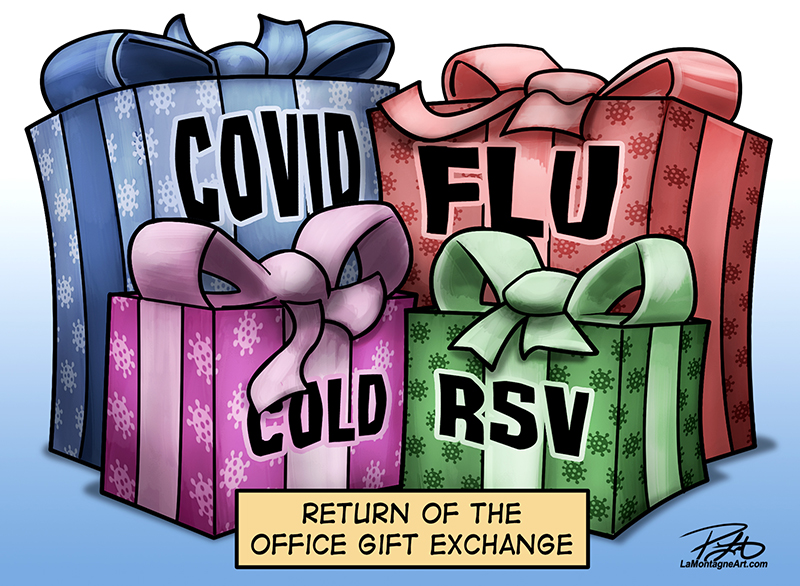 Even before the pandemic, ‘tis the season when we’re all contagious. So, we get together with as many people as possible, cram ourselves into crowded spaces, shake hands, hug and kiss and then eat a bunch of finger food.
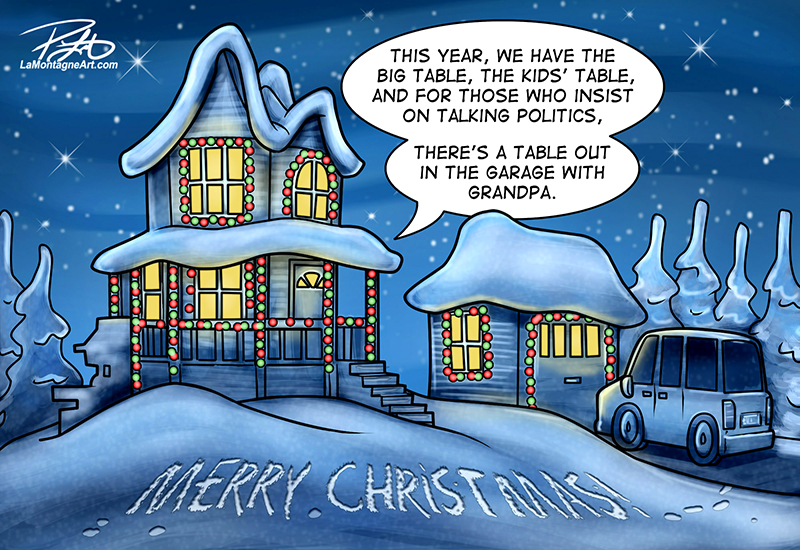 But here’s where it gets weird.
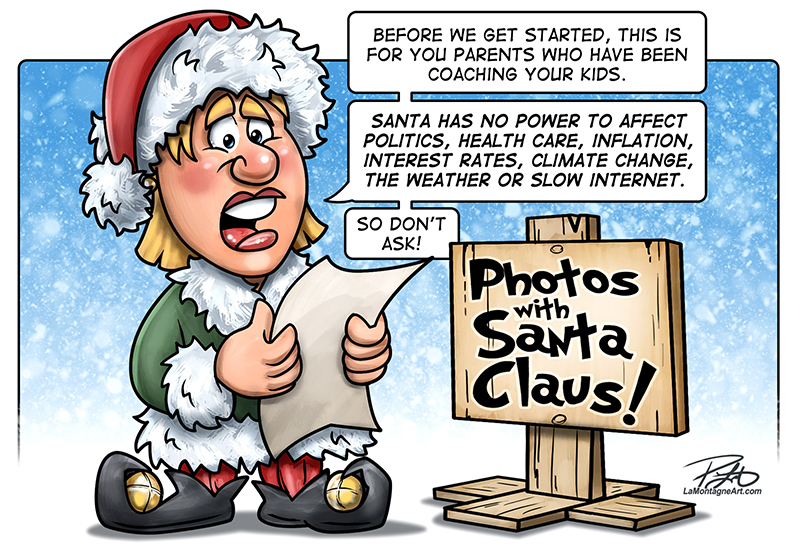
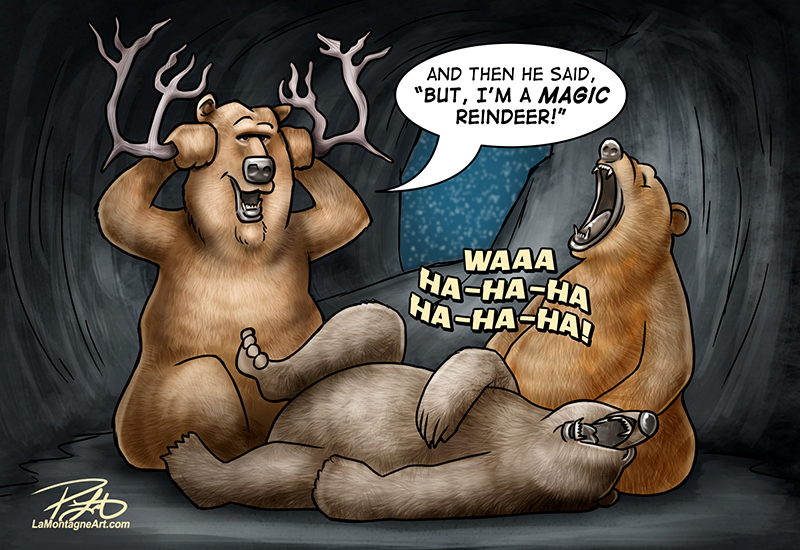
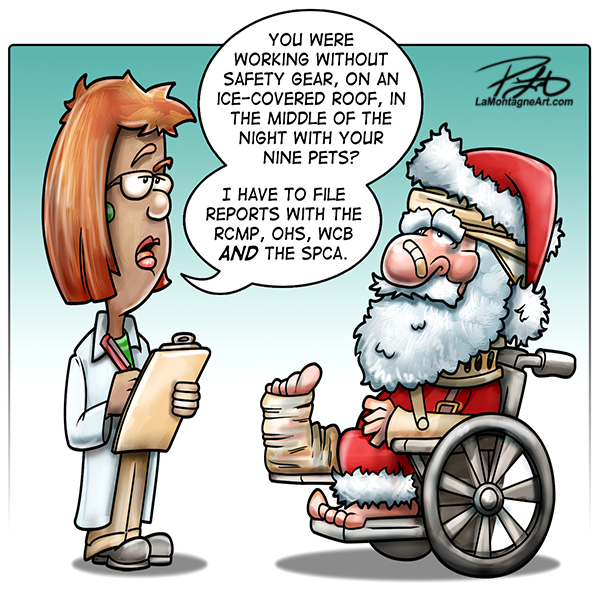 True, there’s always a cynical tone to these cartoons, making fun of the season and my issues with it, but that’s a pillar of the editorial cartoonist profession all year long. I usually come up with far too many ideas this time of year, more than I can draw in December.

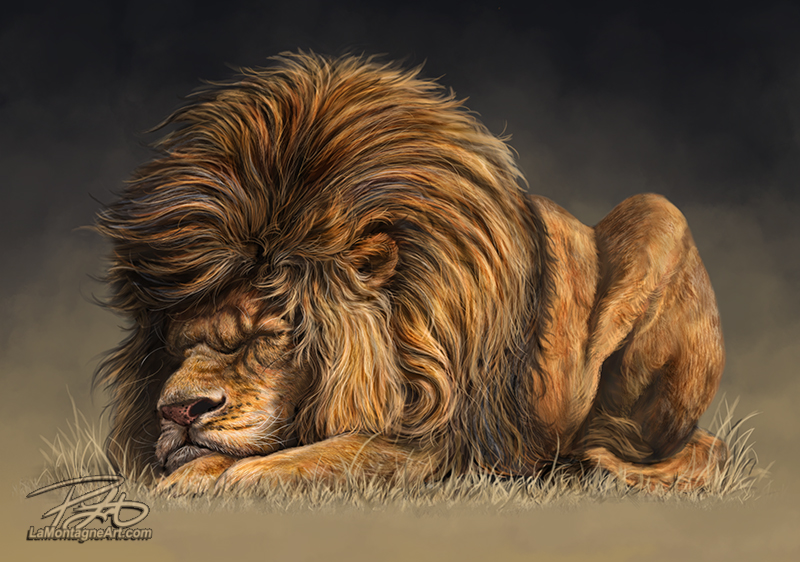 We’ve had fantastic fall weather this year in the mountains. The leaves took a long time to change, and there are still plenty on the trees. It’s been almost like summer, right up until last week, with our first snowfall. A warming climate is a growing concern, but it has been hard to see that big picture lately while still biking in shorts in the middle of October.
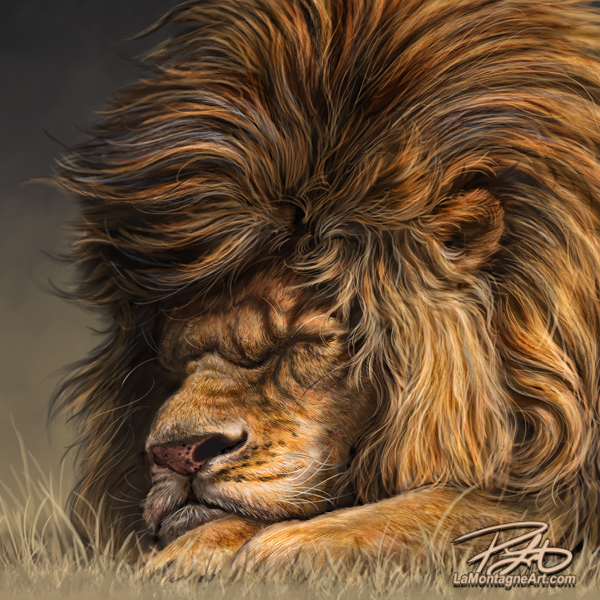
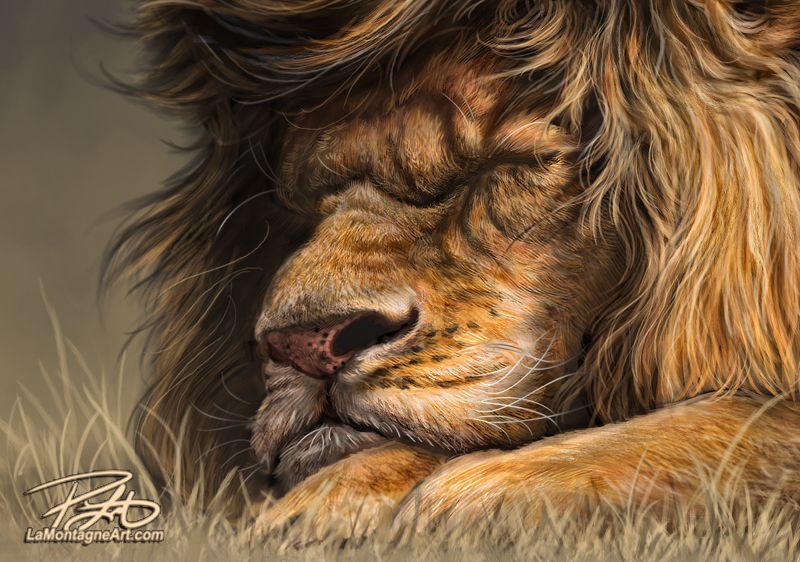 I have been working on another cute, happy painting of a grizzly bear for the past couple of months. I’m recording the process and writing a narrative to go with it. These videos take a lot more time than a regular piece. Recording the painting, writing the text, recording the voice-over, selecting the music, and editing it all add hours to the work.
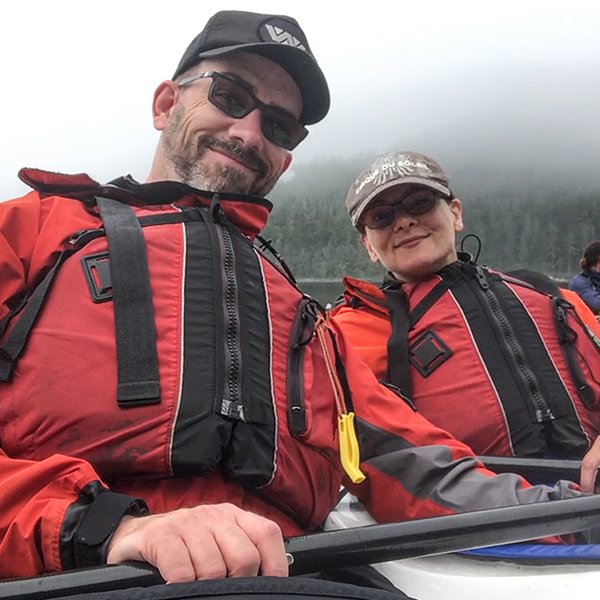
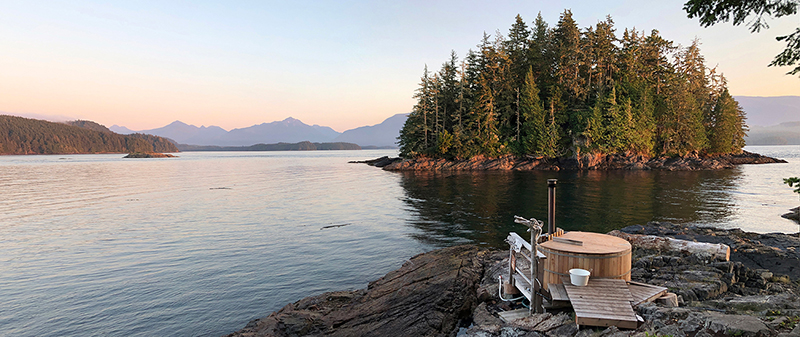 For our 25th anniversary two years ago, Shonna and I had planned a week of glamping and kayaking on Vancouver Island.
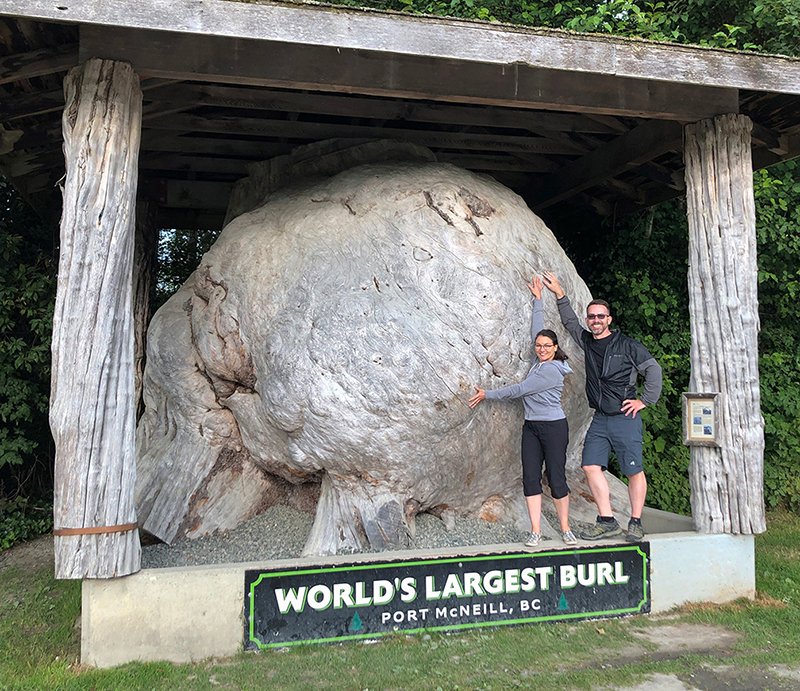 I captioned this with “BEST VACATION EVER!”
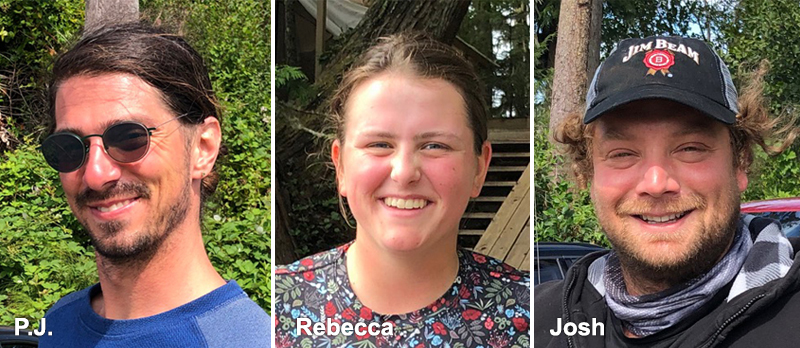 THE CREW
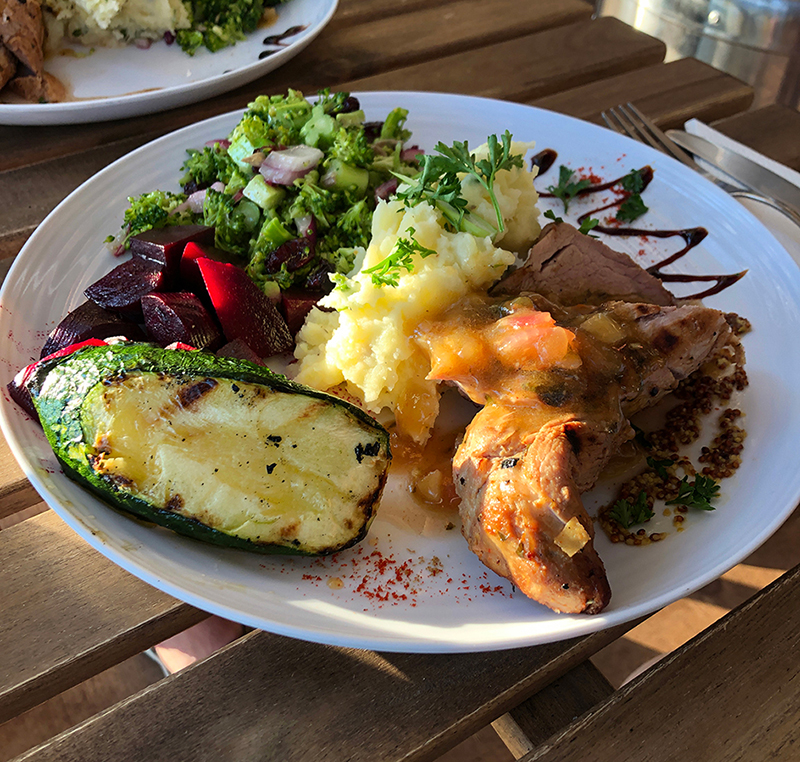 THE FOOD
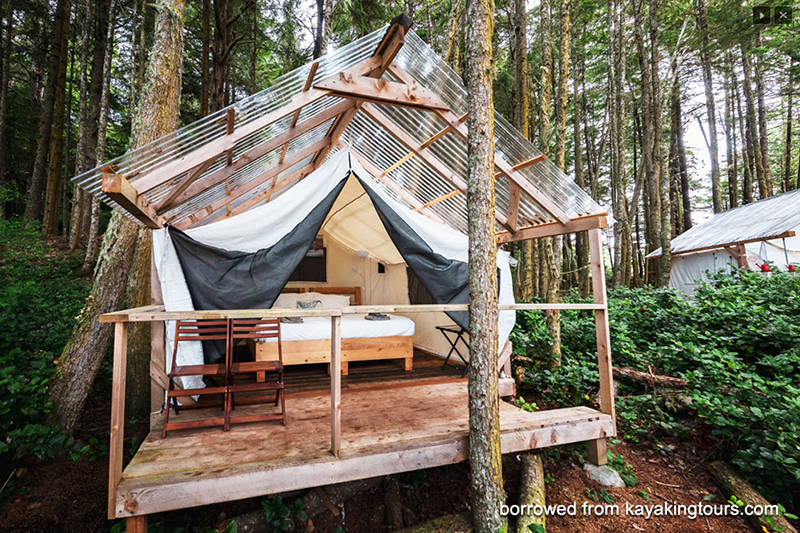 THE CAMP
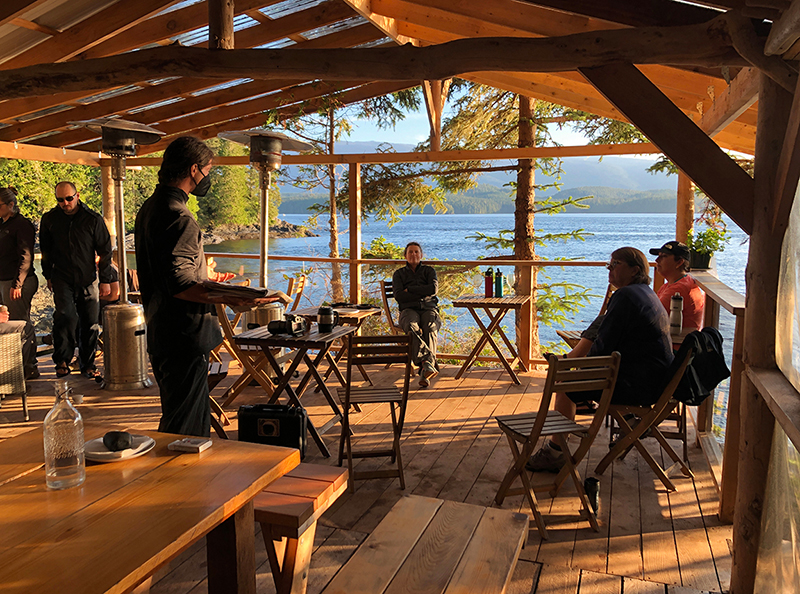
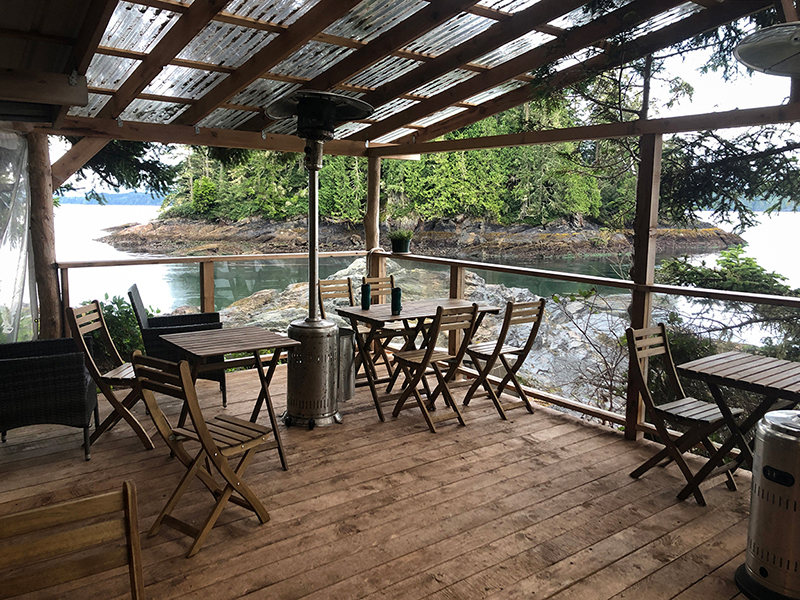
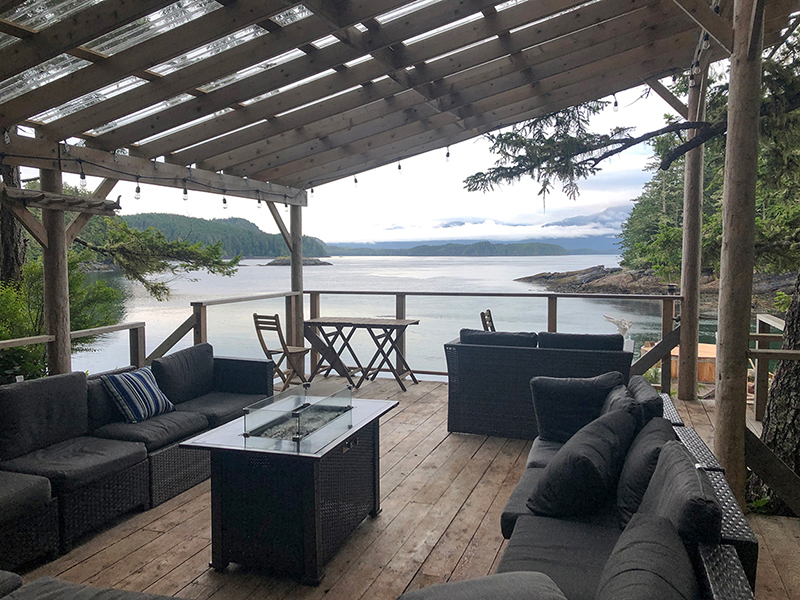 Communal areas include a large kitchen with a covered dining area, a lounge with comfortable couches, a gas fireplace, and a woodfired hot tub.
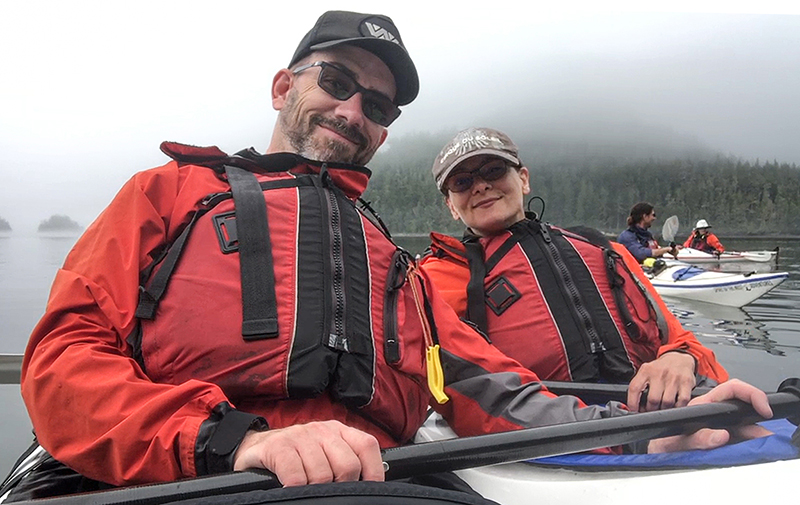 KAYAKING
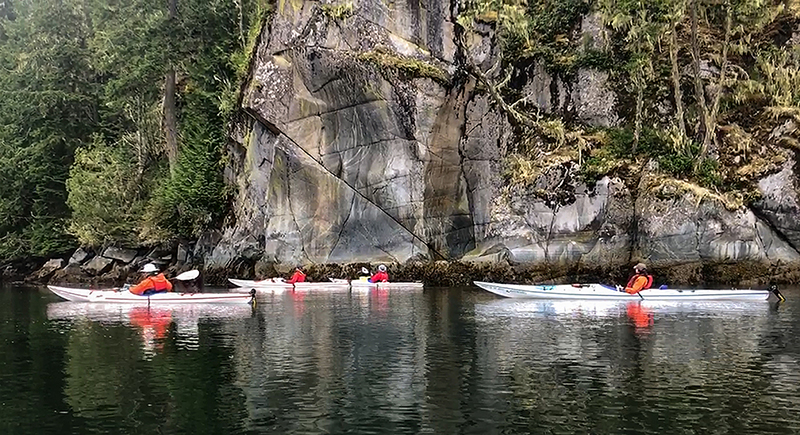 Our exceptional guides taught us about the landscape, currents, tides, wildlife, and the indigenous people who first inhabited the area. Each day, a different route would introduce us to new experiences.
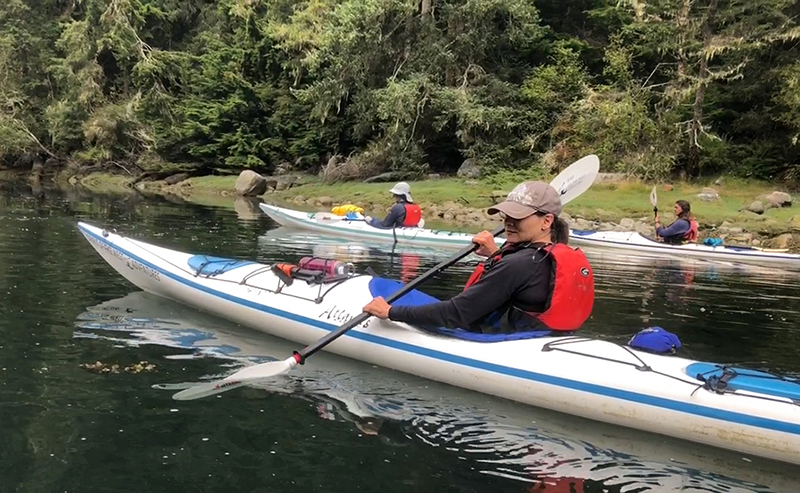 Vancouver Island is a coastal temperate rainforest. While we prepared for rain and even expected it, we didn’t have any on our whole trip. Every morning we were socked in with fog until after noon, and I loved it. Kayaking in calm foggy waters is a spiritual experience, the forest and rocks drifting in and out beside us as we crept into little coves and inlets.
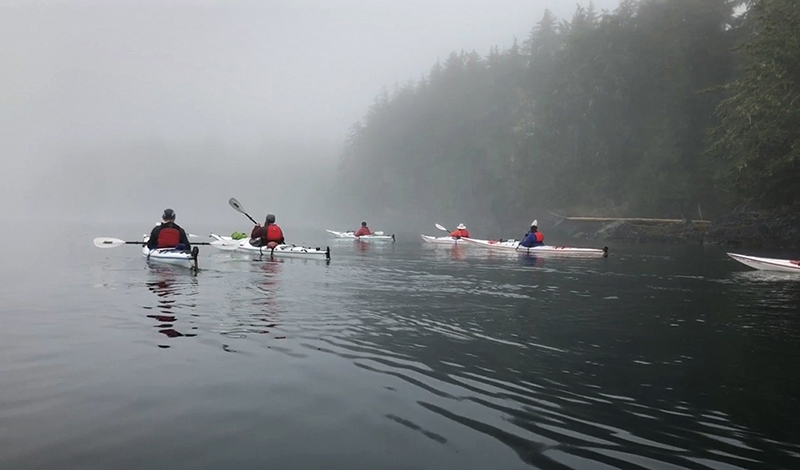 It was quiet, often punctuated only by the sound of humpback whales surfacing nearby.
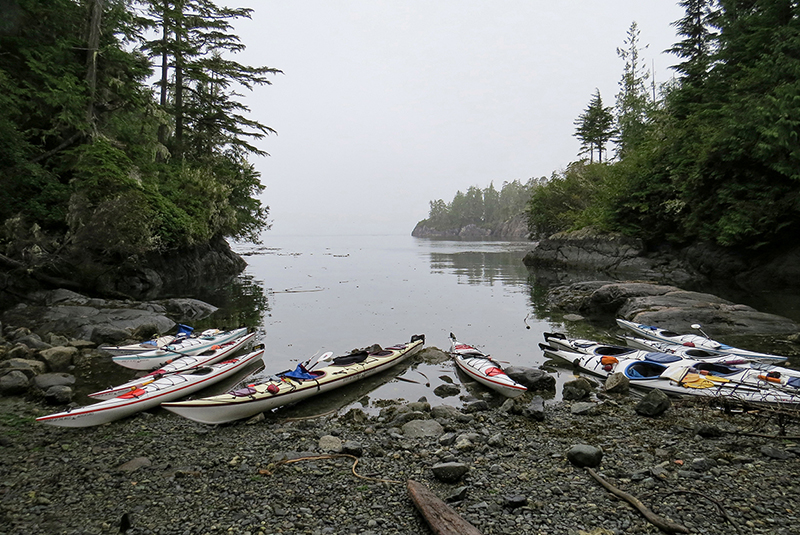
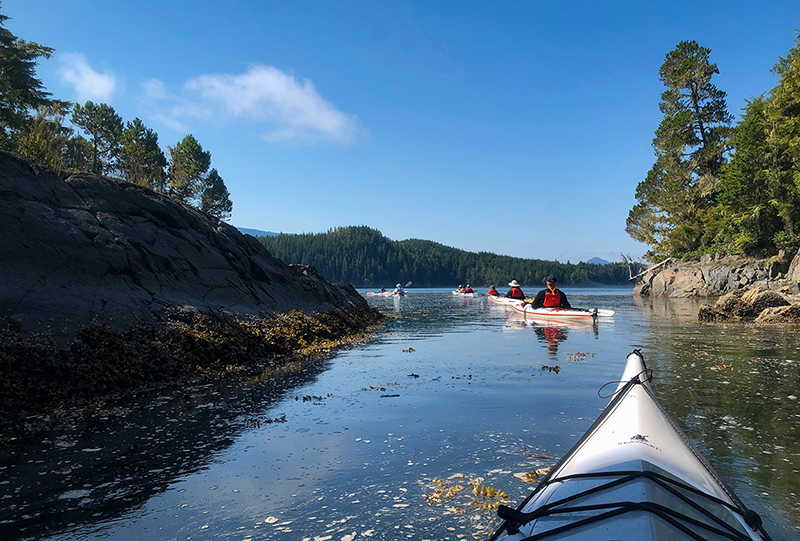 On our final afternoon, a weather system arrived earlier than forecast (surprise, surprise), and we had to cross Parson bay with 8-knot winds. It was a workout, each of us paddling hard to stay with the group to get from one sheltered beach to another. We endured wind and choppy waters all the way back but arrived on our home beach with enthusiasm. It felt like a team effort.
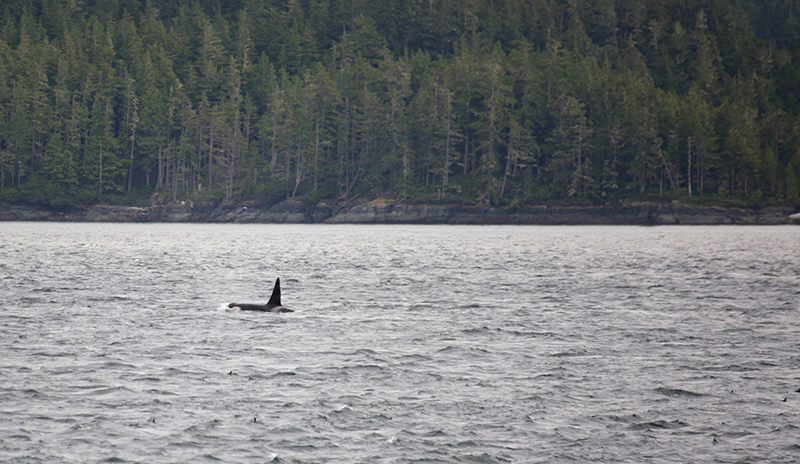 WILDLIFE
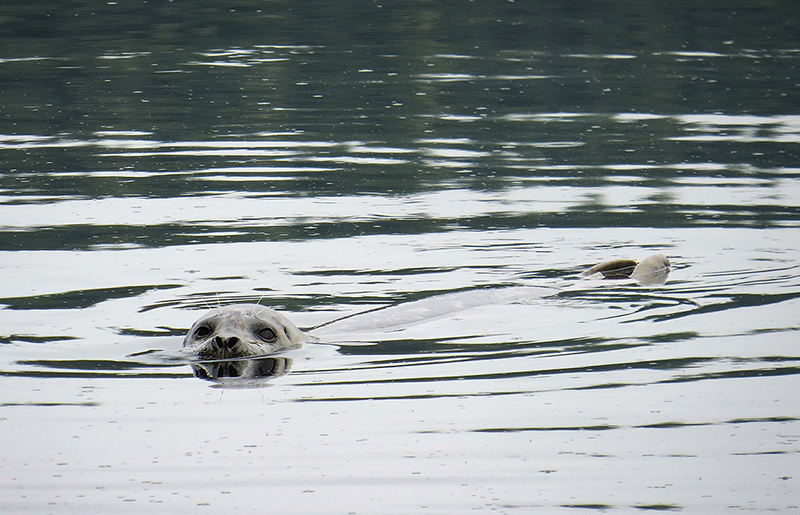
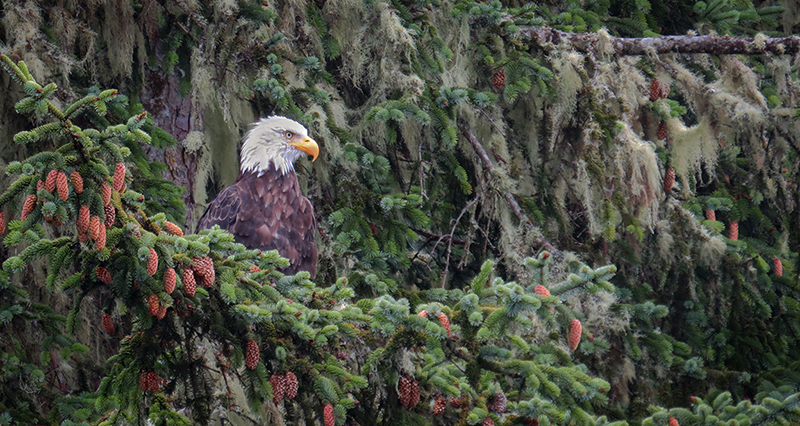
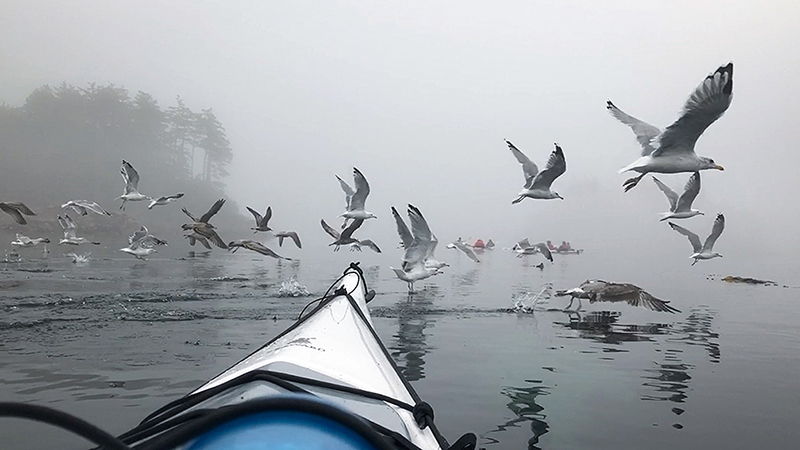 Other critters included bald eagles, dolphins, seals, sea lions and plenty of seagulls.
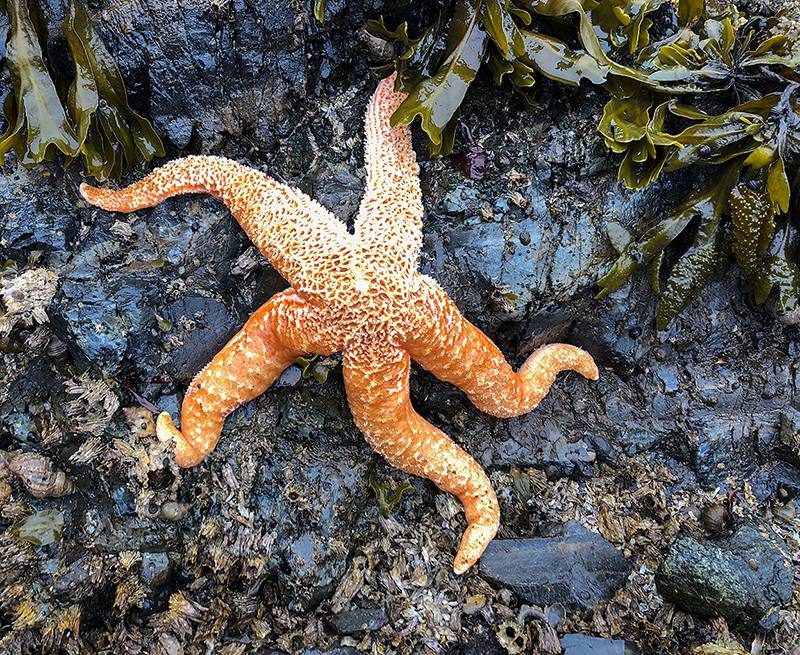
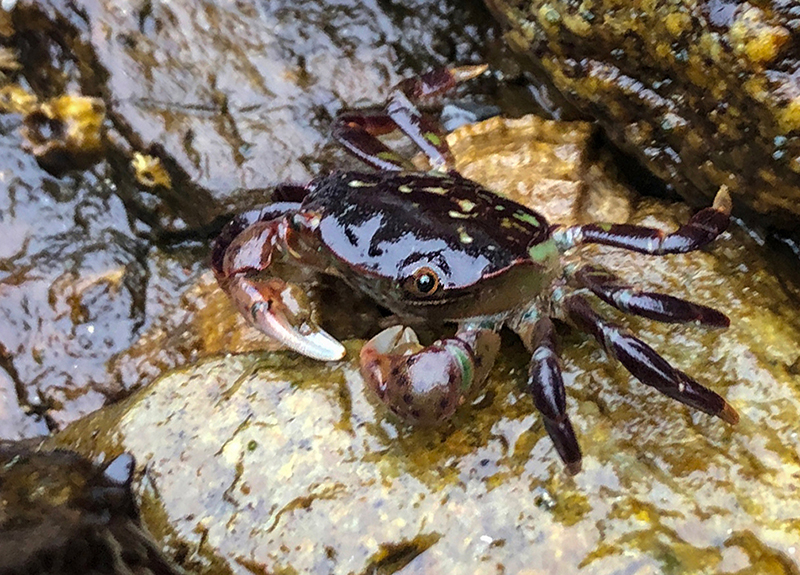
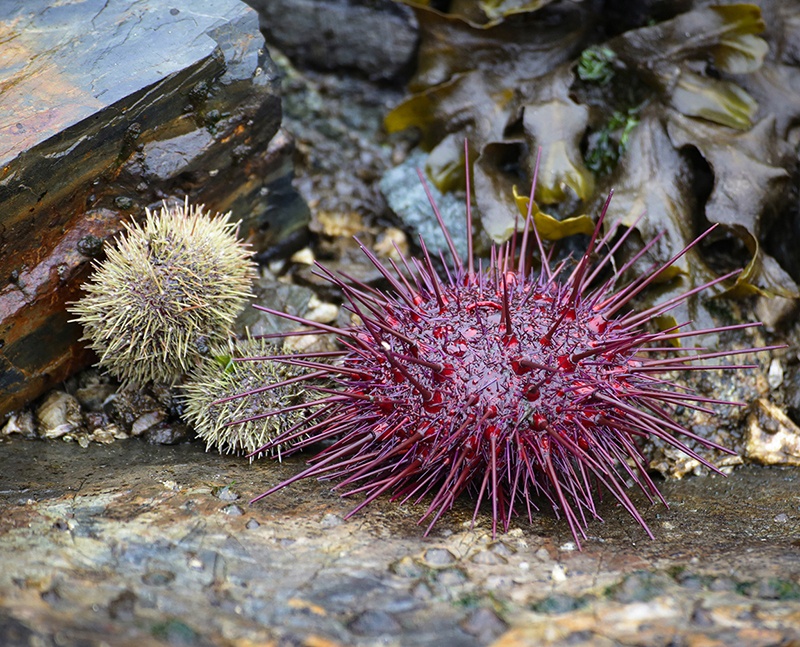 On our last morning, the tide was out as far as we’d yet seen. Pretty soon, the whole group wandered around the shore, checking out crabs, urchins, and other tidal life, calling out the best finds so everyone could share in the wonder.
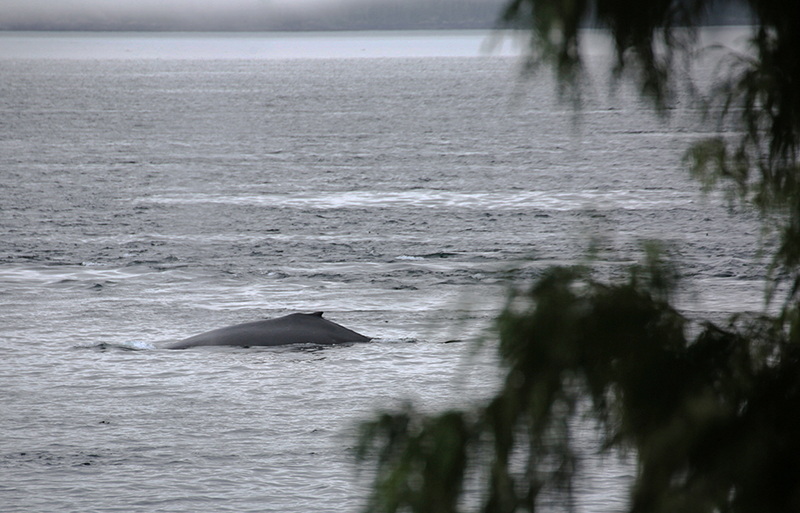 But the highlight of the whole trip was the humpback whales. I could never have predicted so many in one spot. Easily identified by their signature blow of vapour when they exhale, you couldn’t look anywhere for long without seeing one.
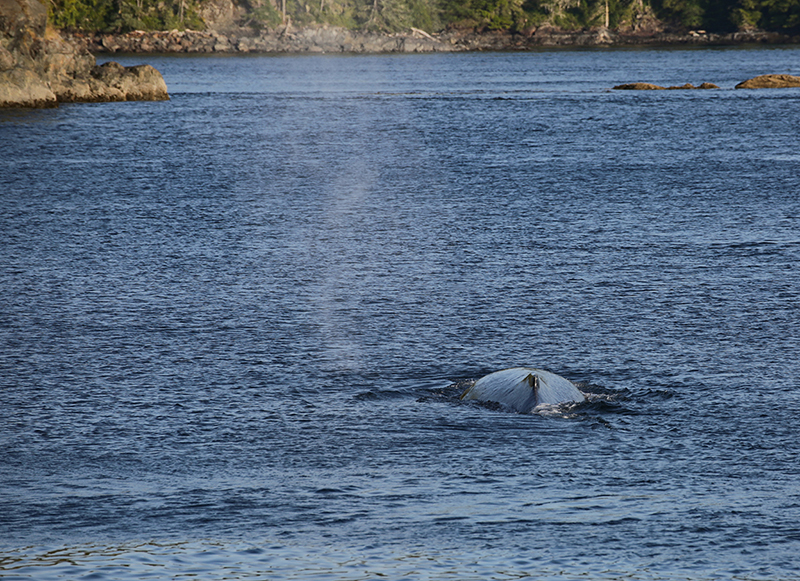 Late Wednesday evening, half the group paddled around the bay with P.J. so he could show them bio-luminescence in the water. Dry and comfortable, I’d opted out, but Shonna enjoyed the experience. Those of us who stayed on land watched them from the shore. Then, suddenly, a humpback surfaced right off camp and looked like it was going into the narrow channel between our camp and Flower Island, where our kayakers were paddling in the failing light.
 On our final morning on the water, we paddled across a channel in the fog, grouped for safety. Whales were blowing all around us, and while they sounded close, fog plays tricks with noises. It was creepy but exciting, paddling in a cloud with limited visibility.
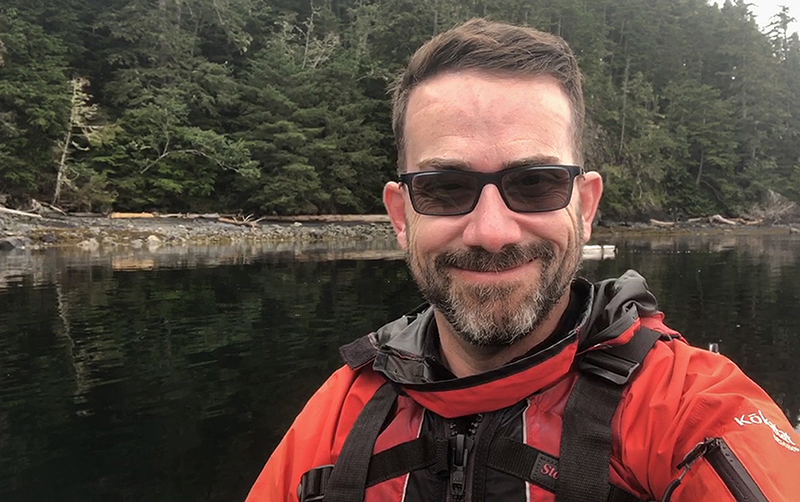 LOOKING UP FROM THE CAMERA
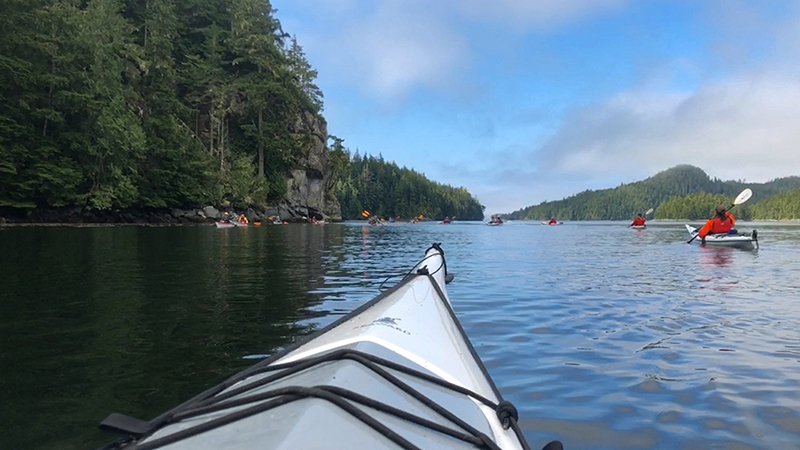 But for most of the shots, I had a waterproof case for my iPhone and a GoPro-style suction mount to secure it to the kayak in front of me, backed up with a tether for when I handheld it. I took plenty of videos and selected screenshots from those when I got home.
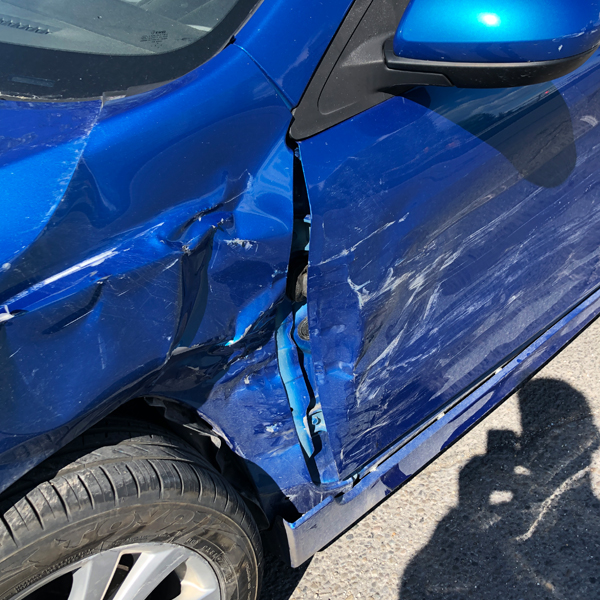
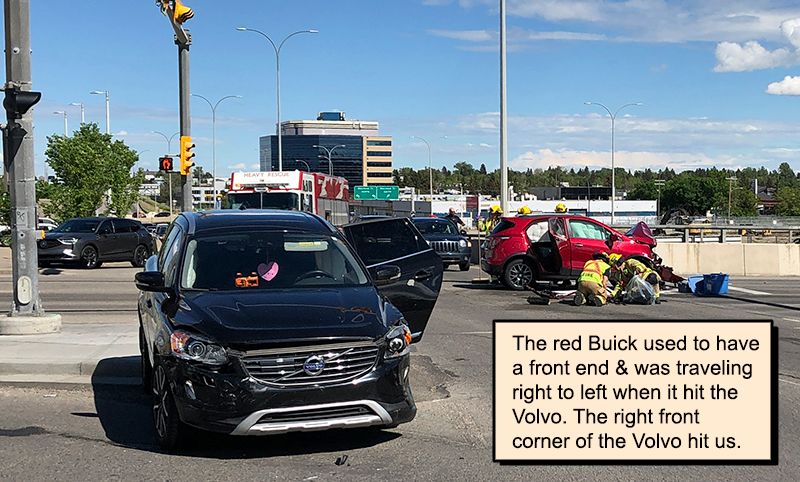 I could already hear sirens. I don’t know who called 911, but fire, ambulance and police were on scene in a ridiculously short time.
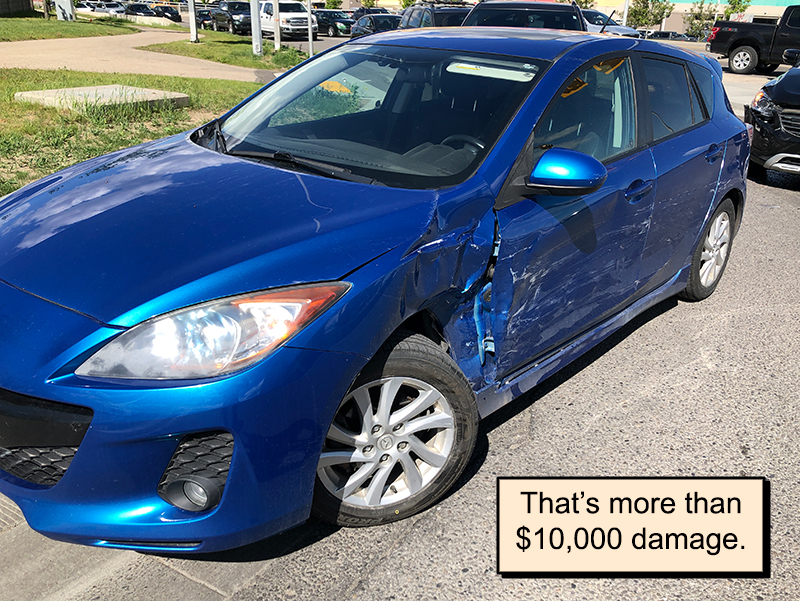 Shonna’s car was a 2012 Mazda3 GS Sport. It had a leather interior, 154,000km on it and was in immaculate shape. She had just put brand new tires on it the month before. This car was supposed to last another ten years.
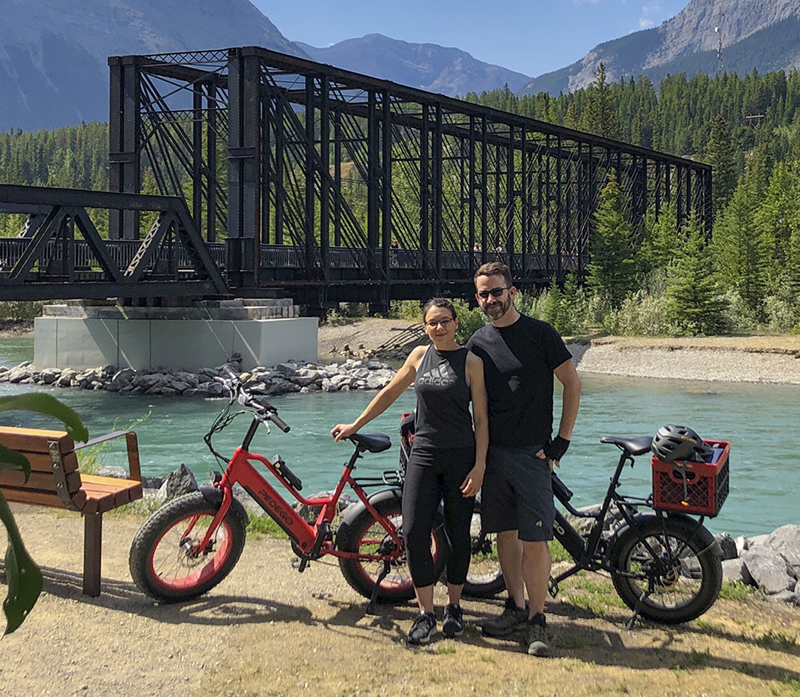 So we bought electric bikes, which I’ll write about in another post. A significant investment, but we’ve each put over 300 km on them in just under a month. Shonna takes hers to the gym and commutes to work, and I run most errands on mine; plus, we’re biking for recreation together and enjoying it a great deal. Our busy tourist town has difficult traffic and paid parking, but plenty of bike trails. Now we get everywhere faster than we used to, and our remaining car should last even longer. Provided somebody doesn’t hit us.
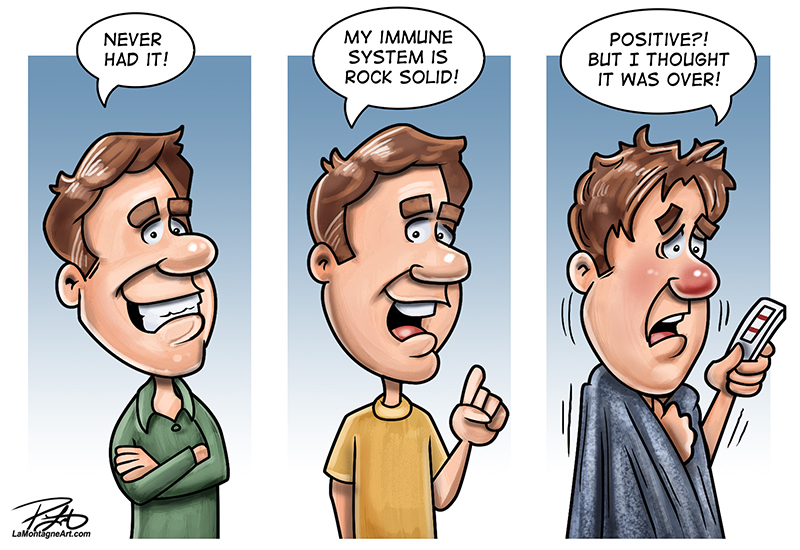 I warned a few people I’d seen days before that I’d tested positive and settled in for what I assumed would be a mild cold. Instead, by Sunday evening, I felt like absolute dogshit.
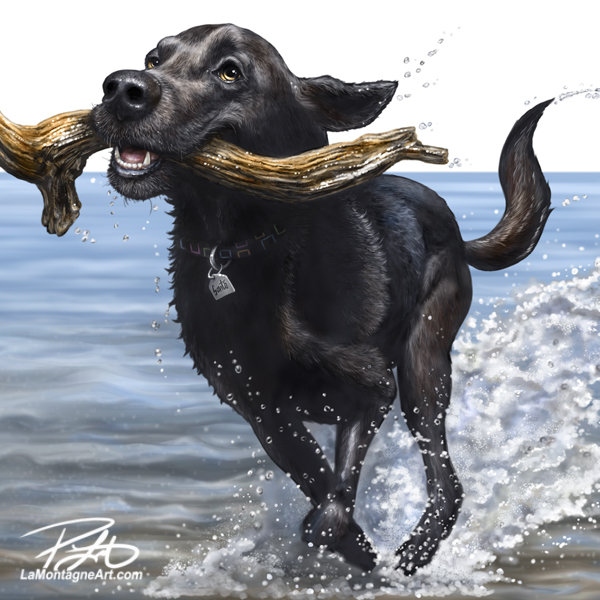
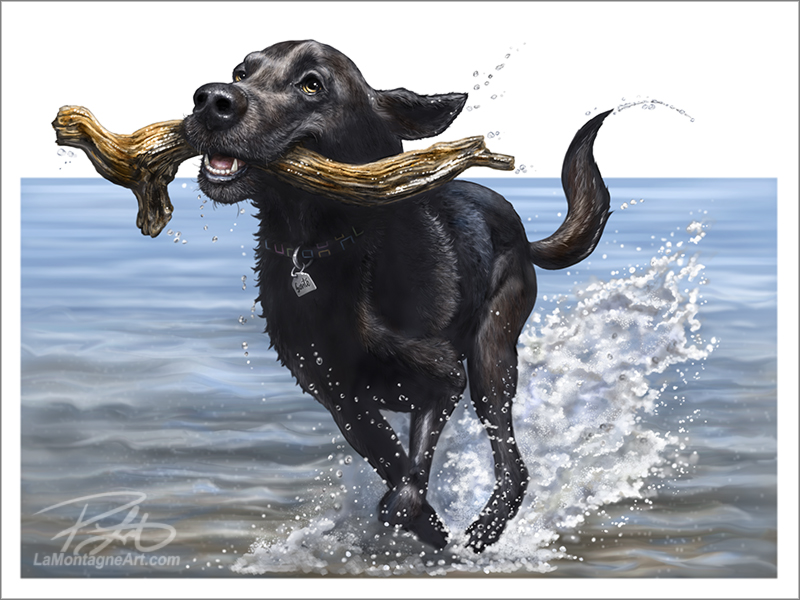
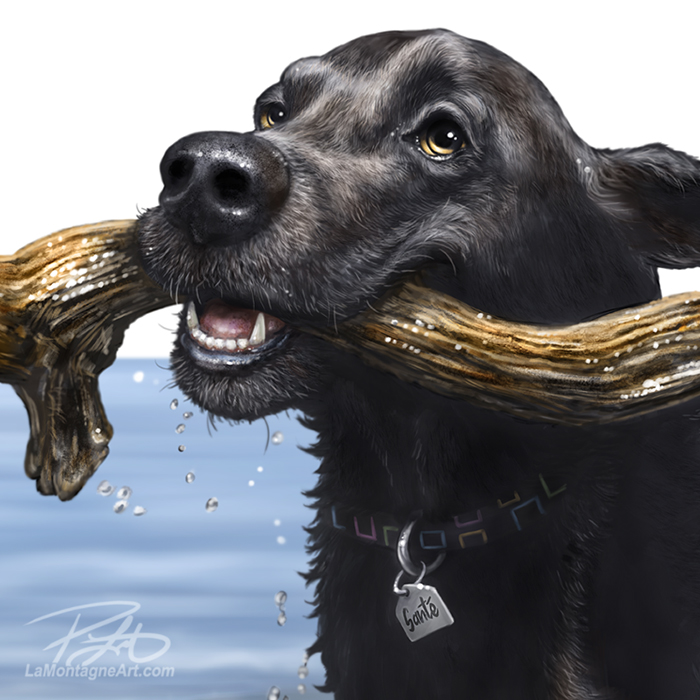 Also, I haven’t painted many full-body action poses, and to be honest, I wasn’t sure I could pull it off. Fear of failure is a powerful demotivator.
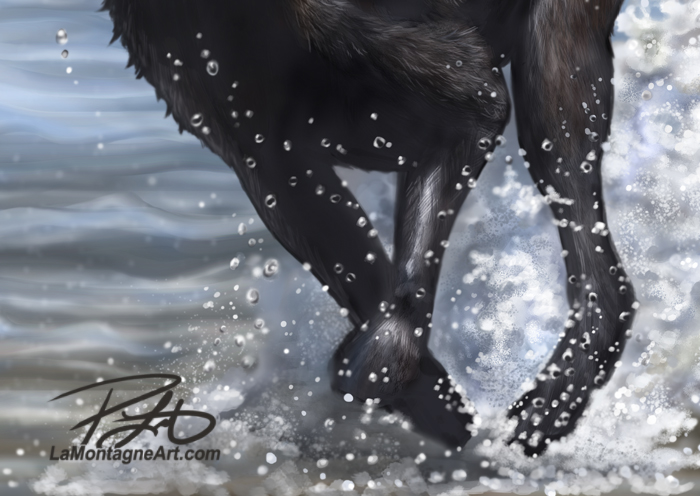 The water spray from her feet was one of the biggest challenges I’ve faced in any painting I’ve done to date. It took many hours to get it right, not to mention all the tiny droplets to add action to the scene.