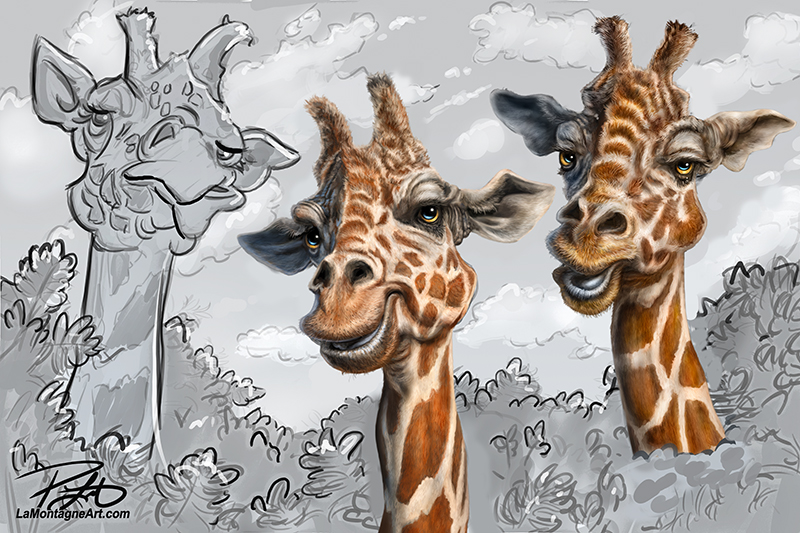
In June of 2023, I finished a painting of three giraffes called Long Neck Buds. It was a real challenge. I had never painted acacia leaves and thorns before, and I still remember how satisfying it was to figure them out.
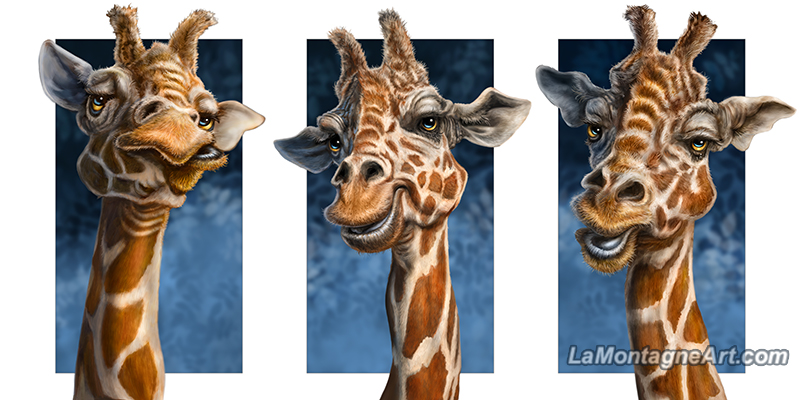
Each giraffe started as if it were its own painting, fully rendered and detailed. I moved them around in the scene, added the foliage and background, and worked in the shadows and highlights to make them look like they actually belonged together.
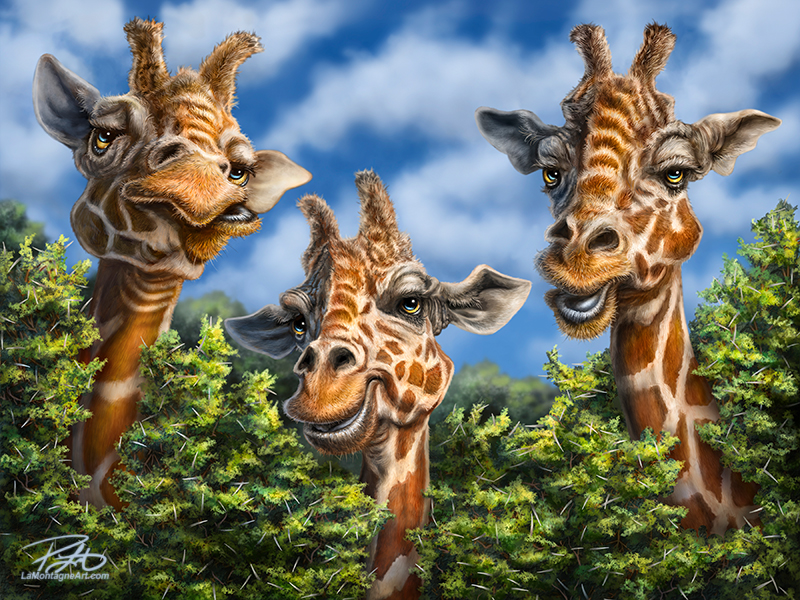 If you’d like to see more about how that came together, that original post is here.
When I finished it, I remember thinking that any one of those giraffes could have stood on its own.
Sometimes I paint something just because I feel like it. Maybe I enjoyed getting the reference photos. Maybe it’s a subject I’ve never tried before and want to see if I can pull it off.
Other times, I choose an animal because I think it might appeal to my wholesale customers and licensing clients.
My Sasquatch was one of those. Mike at Pacific Music & Art had asked for it. When I talk about that painting at shows, I often joke that the hardest part was the weeks I spent in the woods of northern BC trying to get reference photos.
Truth be told, it’s not one of my favourite paintings.
And the actual hardest part was making sure my version didn’t look like somebody else’s. I referenced Harry and the Hendersons and the Jack Link’s Sasquatch specifically so I could steer clear of them.
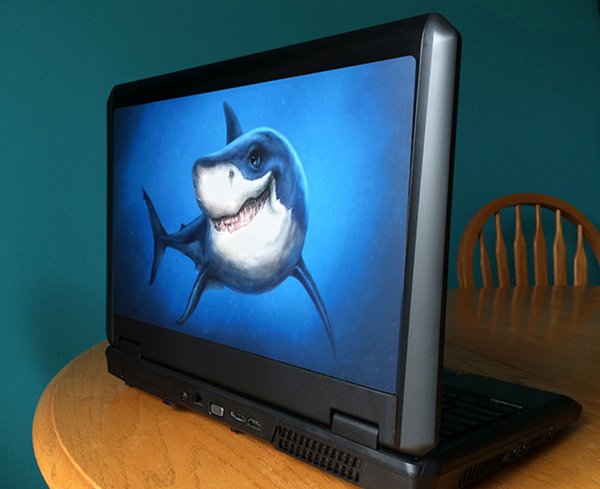
And still, lots of people call mine Harry when they see it. Not because it looks the same, but because that’s the only friendly Bigfoot they know. It’s the same reason people used to call my shark Bruce from Finding Nemo, even though the only thing they share is that they’re great white sharks.
At the Christmas Market, a few people said my Spa Day painting looked like Baloo from The Jungle Book. Others say some of my bears remind them of Brother Bear. My style is completely different, but what people are reacting to is the feeling.
The Sasquatch did well, but mostly in places where that folklore resonates. Zoos and Discovery Wildlife Park didn’t want it, which makes sense. Pacific Music & Art has done well with it, and Harlequin Nature Graphics licenses it on a T-shirt.
As a print, it never really found its footing, so I retired it in that format. But it still sells as a sticker at markets and here in Canmore at Stonewaters. The only way to know what will resonate is to put it out there.
The sweet spot is when I paint something for commercial reasons and end up genuinely loving the result. The porcupine I finished last week fits that category. I had never painted one, but several wholesale clients told me they’d carry it if I did. After sharing it, I received a lot of kind emails from subscribers who really liked it. I never know ahead of time which paintings will connect.
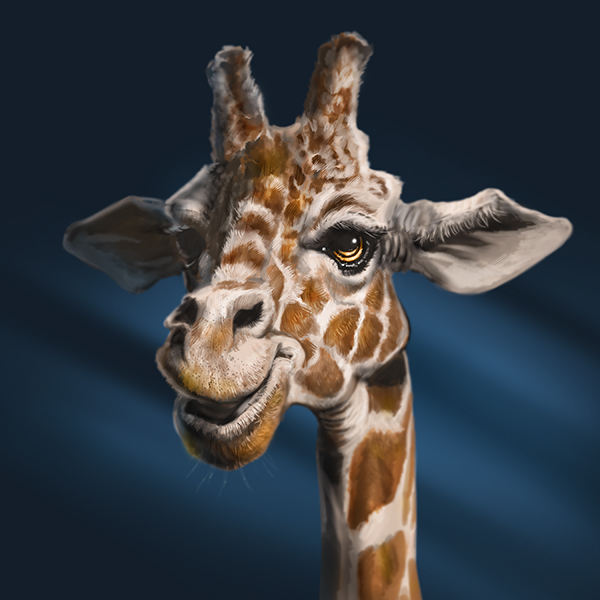
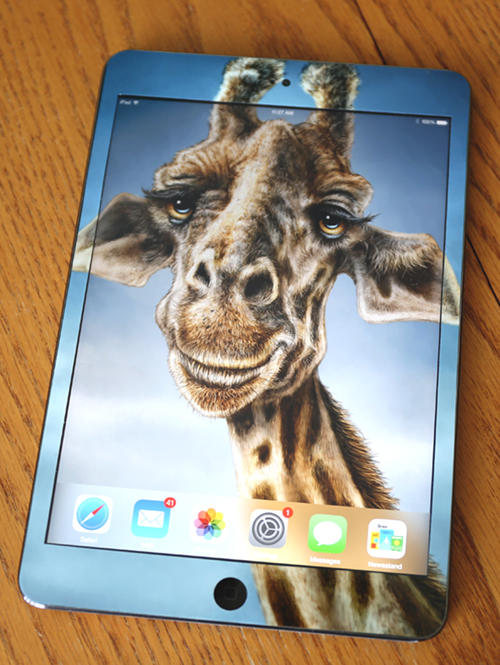
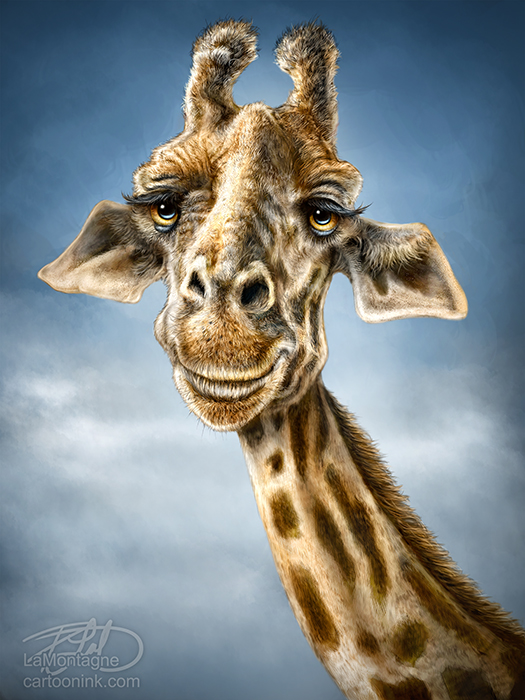
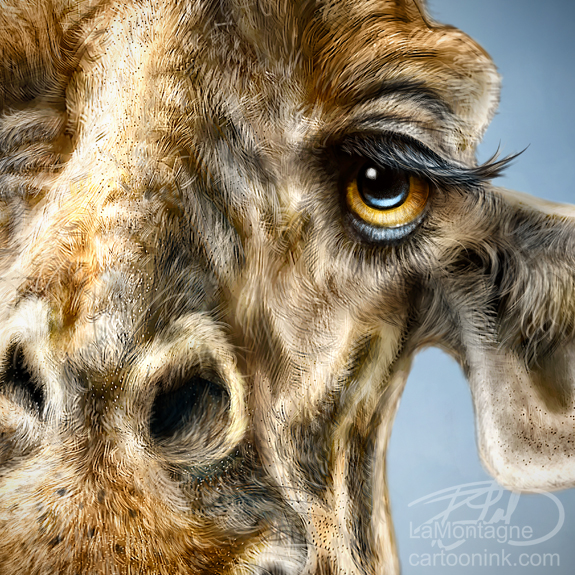
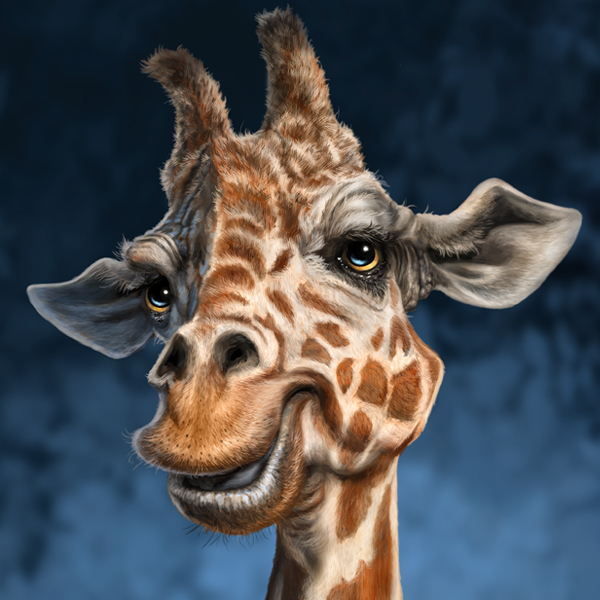
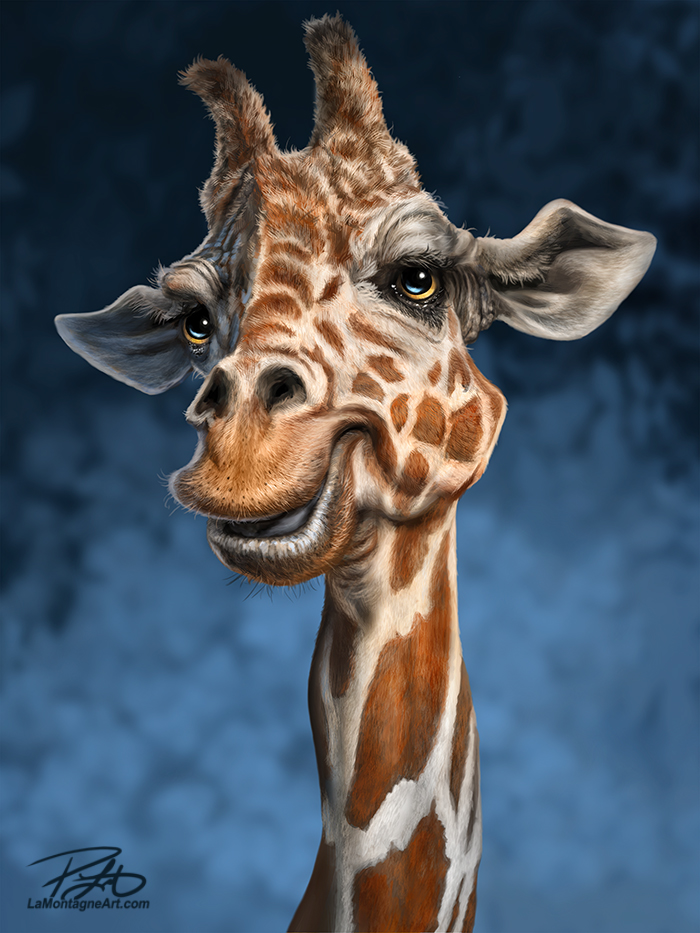
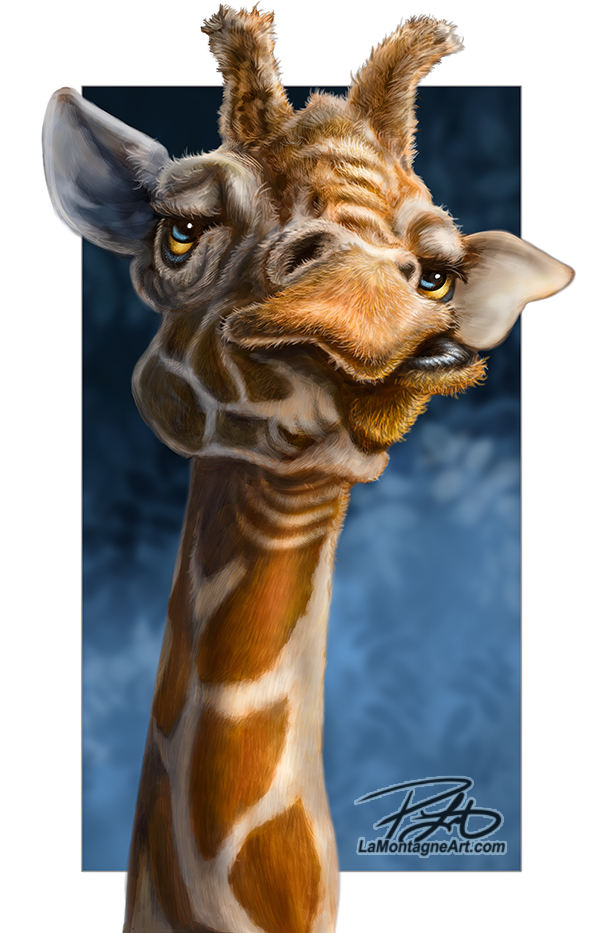
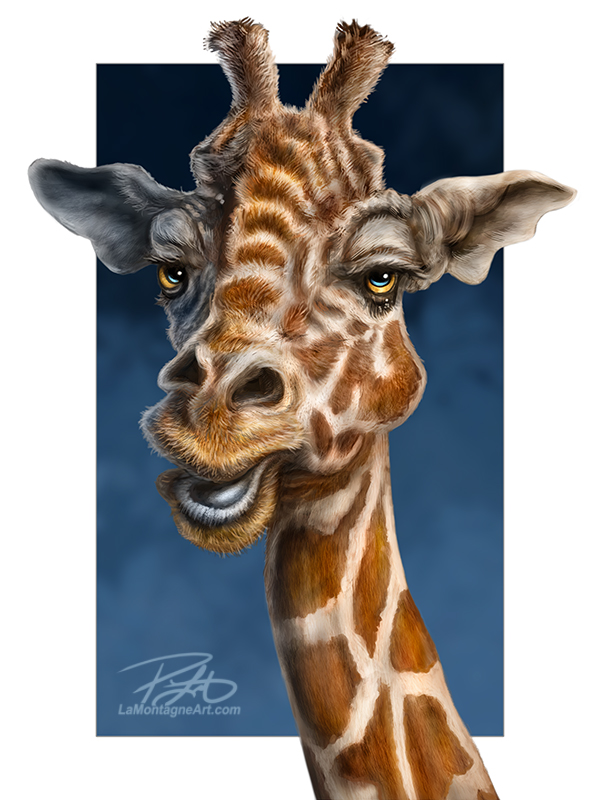
Long Neck Buds still does well, but single-animal pieces often perform better at zoos and markets. Giraffes are reliably popular, so creating this print felt like an opportunity worth exploring.
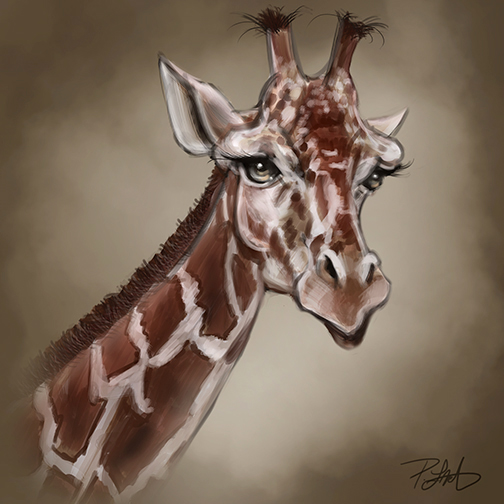
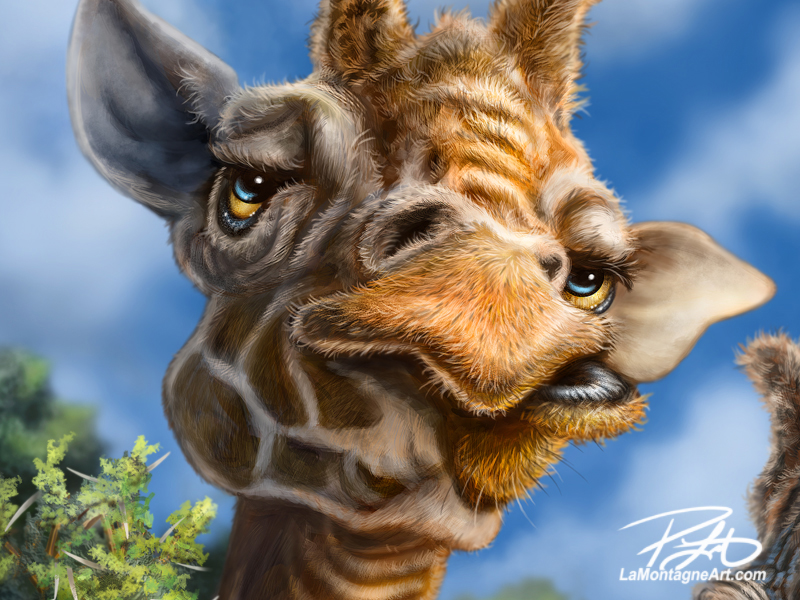
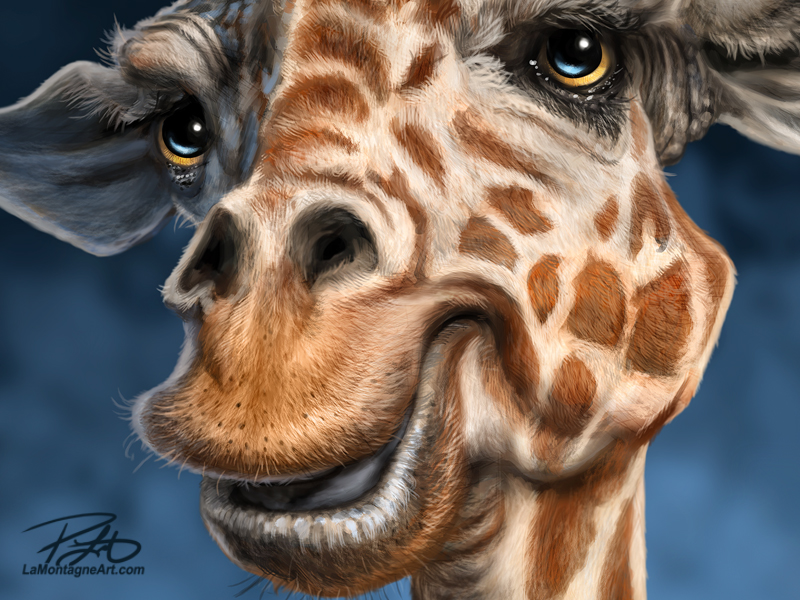 I chose the middle giraffe and spent a few hours Saturday morning refining it. More detail. A slight softening and tweak to the expression to bring out more personality.
I’m pleased with how it turned out and looking forward to seeing how it’s received.
It also gave me a new print to include in the first PDF catalogues I sent to my wholesale clients earlier this week, and another image available for licensing.
On Monday, I sent Gentle Giraffe, Bear Boop, and the Porcupine to my printer in Victoria for their first proofs. I’m restocking the online store and gearing up for the Calgary Expo in April.
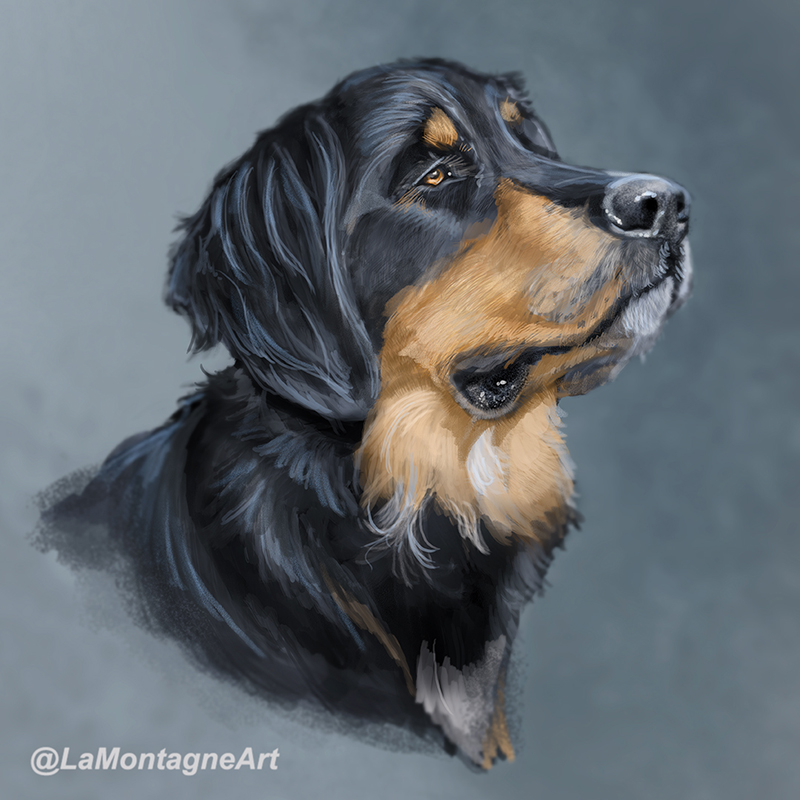
I’ve got several other paintings in progress, but my priority right now is to make some headway on three dogs I’m painting for a very patient commission client.
Cheers,
Patrick

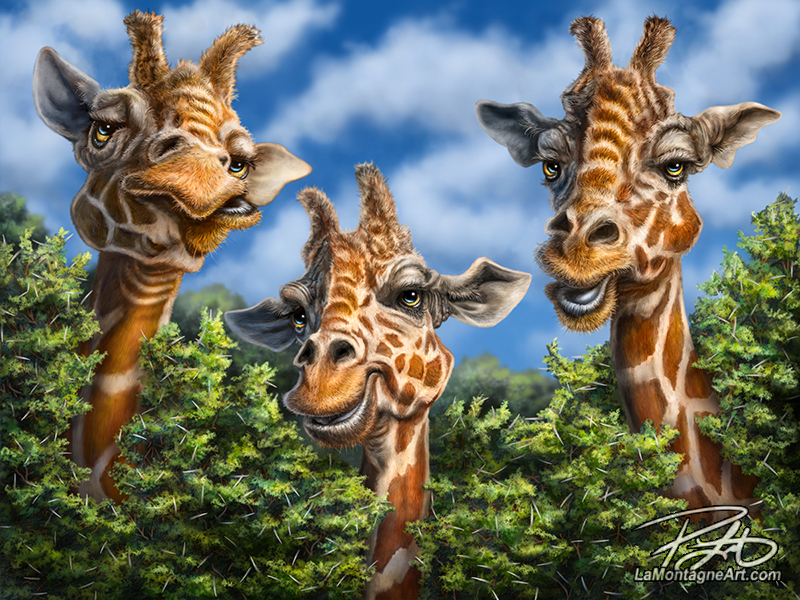 While labour-intensive, this painting wasn’t especially difficult. There weren’t any parts of it where I worried I might not have the necessary skills. That comes from experience, the feeling that “it’ll take a while, but I got this.”
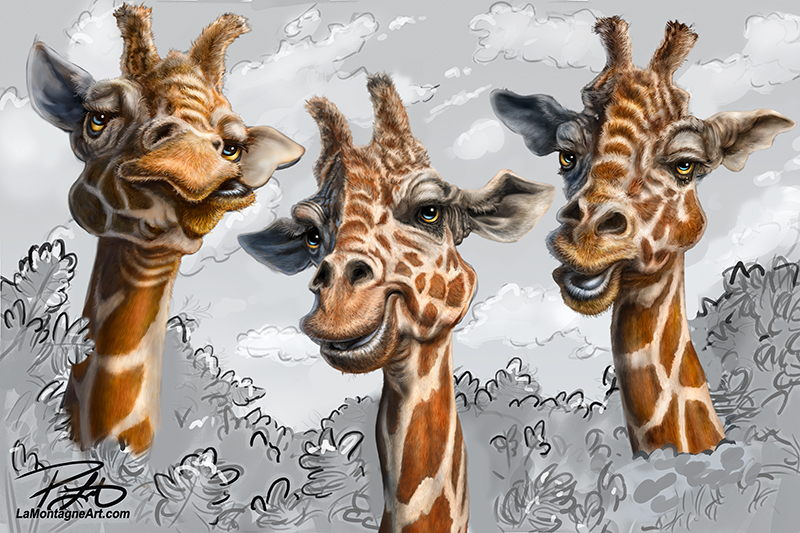
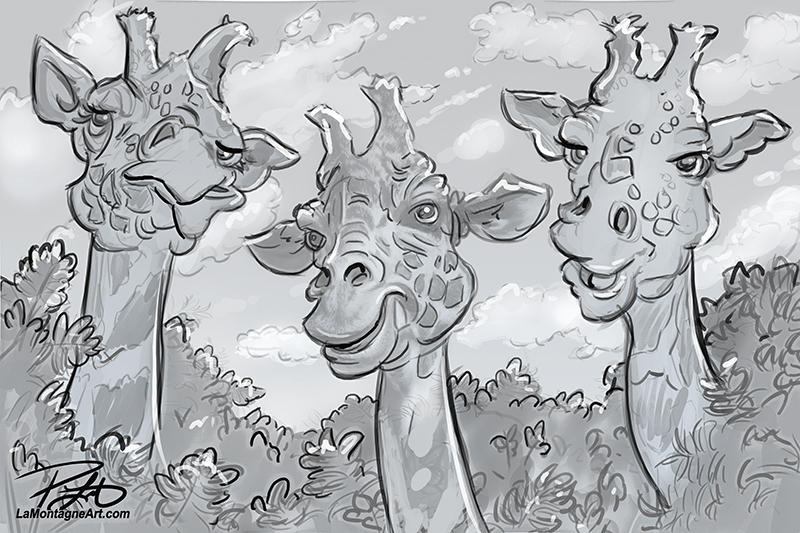 I began the project with several sketches and refined those into this mockup.
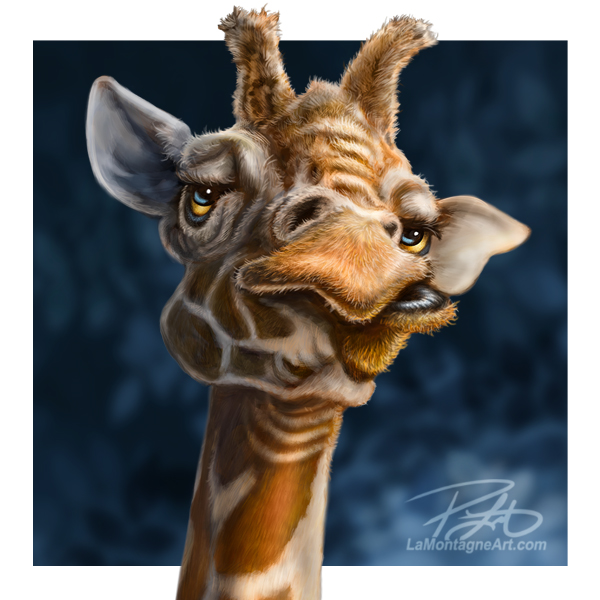
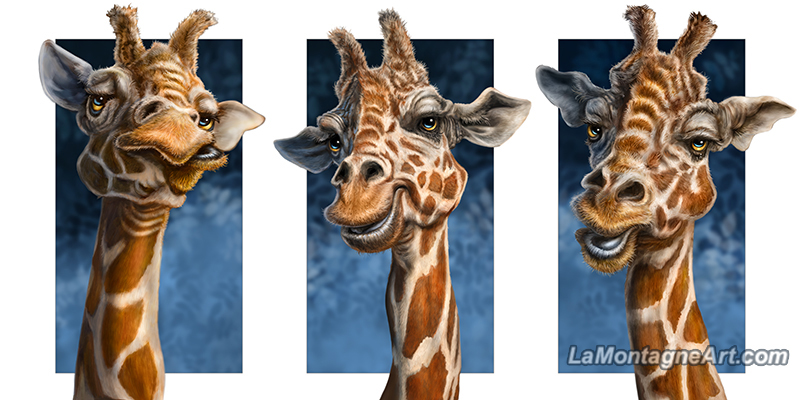 Then I painted the individual giraffes, creating three expressions different enough to be their own characters, but I still had to match the colours, light and shadow so they belonged together in the scene. Each giraffe could have been a single painting.
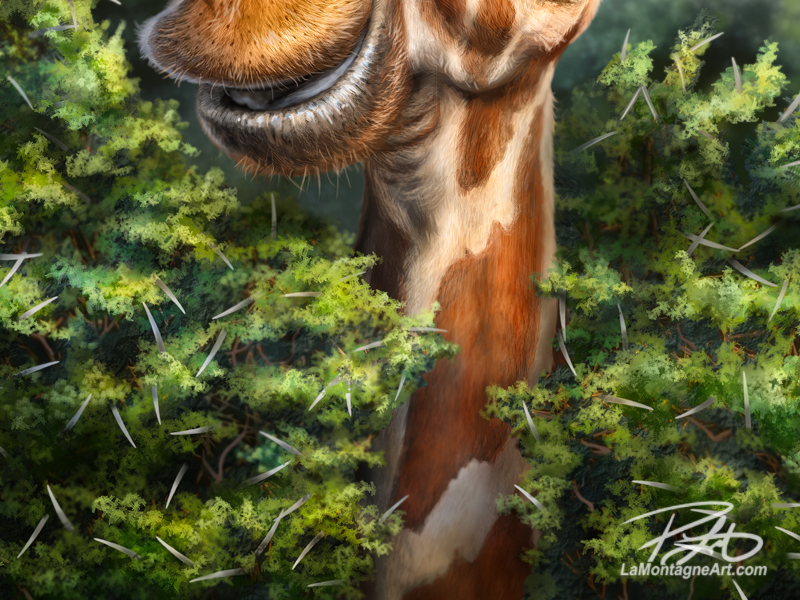
 Painting the environment was the most challenging part. I could have gone with generic-looking green deciduous leaves, and most people wouldn’t have cared. Even though my style of art is whimsical, and I take liberties with exaggeration and expression, I still try for accuracy in the anatomy and environment.
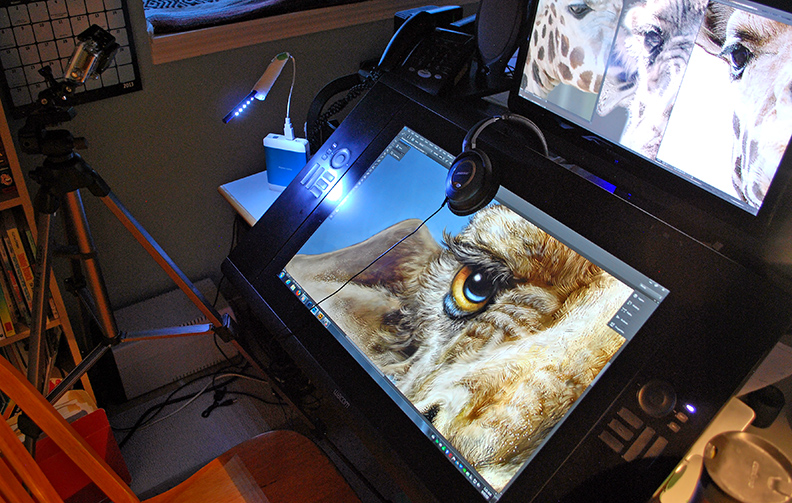
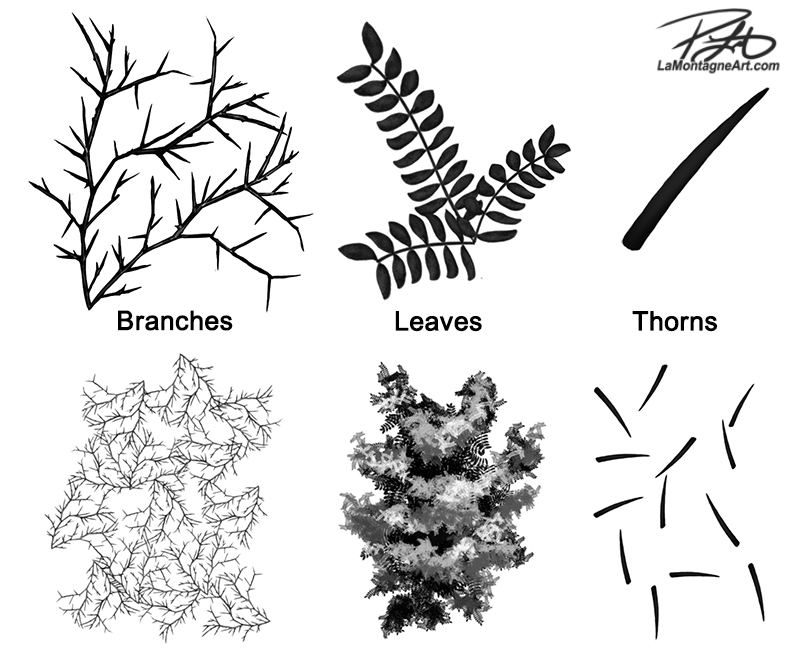 I don’t use any colour dynamics in my brushes. I prefer to pick and choose colour while painting, sampling from adjacent colours to get a better blend.
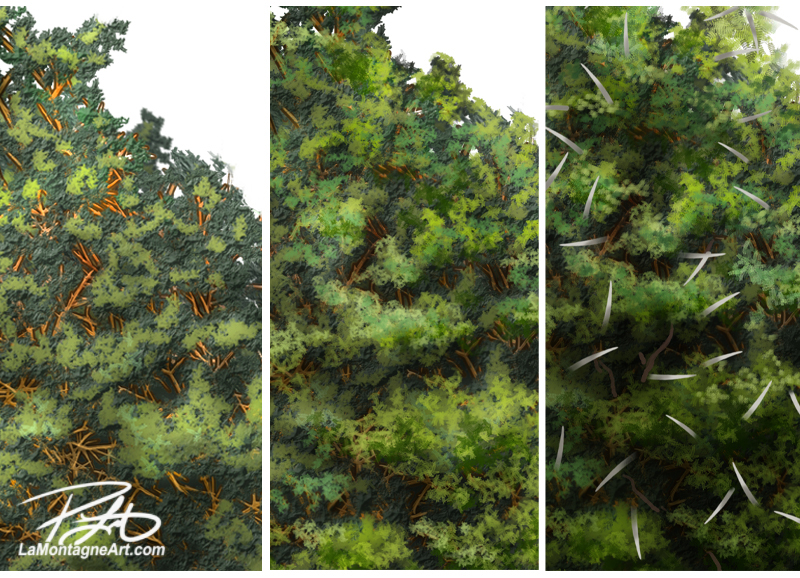 These new brushes allowed me to create a solid foundation, but it looked flat and lifeless until I spent several hours painting light, shadow, and detail to achieve the finished result.
 New digital artists often get obsessed with buying brush packs, thinking that’s all they need to achieve the same look as more experienced artists. But professional tools won’t provide a shortcut past the years of work it takes to become good at anything.
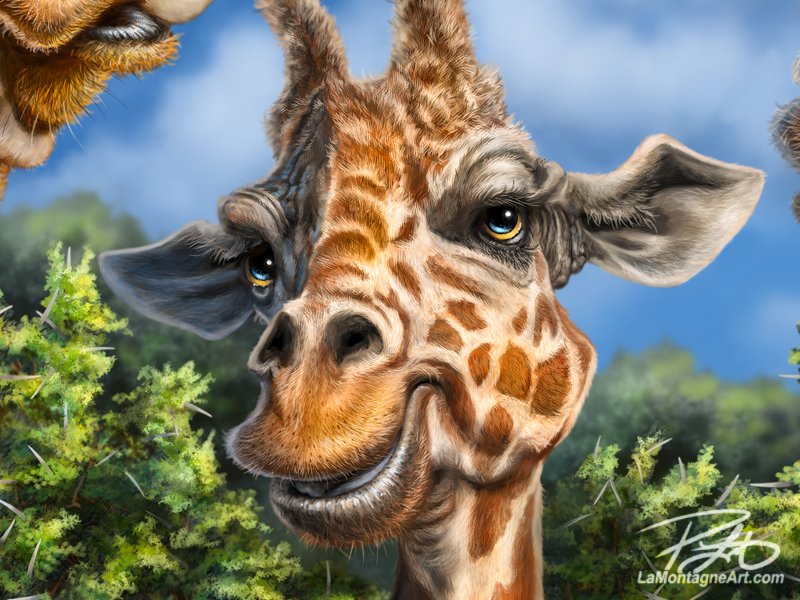 While I called it Long Neck Buds, someone could easily interpret them as two parents and a child. People often tell me what one of my paintings is ‘thinking’ or what their expression means, and I wouldn’t dream of contradicting them. If the art makes them feel something or triggers their imagination, that’s good enough for me.
 I have a few ideas on how best to do it, including creating a new brush for the task, but with no deadline, I have time to experiment.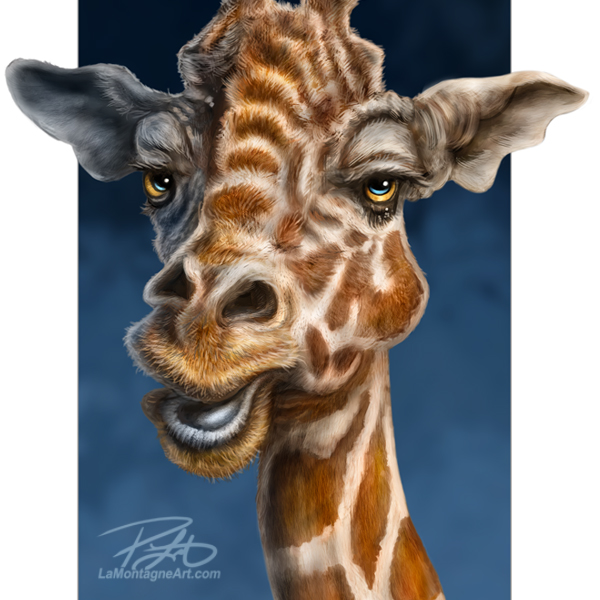
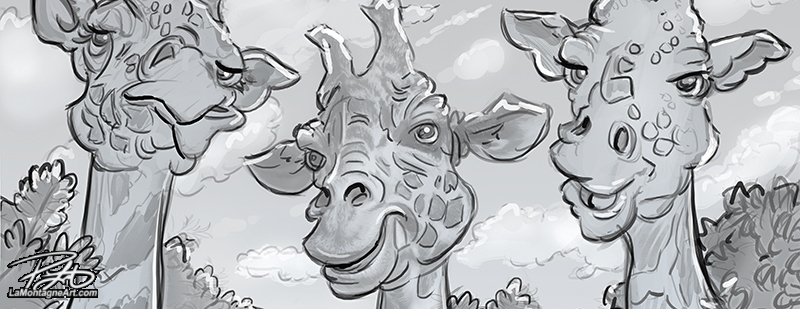
 The challenge with this piece is to make each character different from the others but with the same level of detail and colour palette.