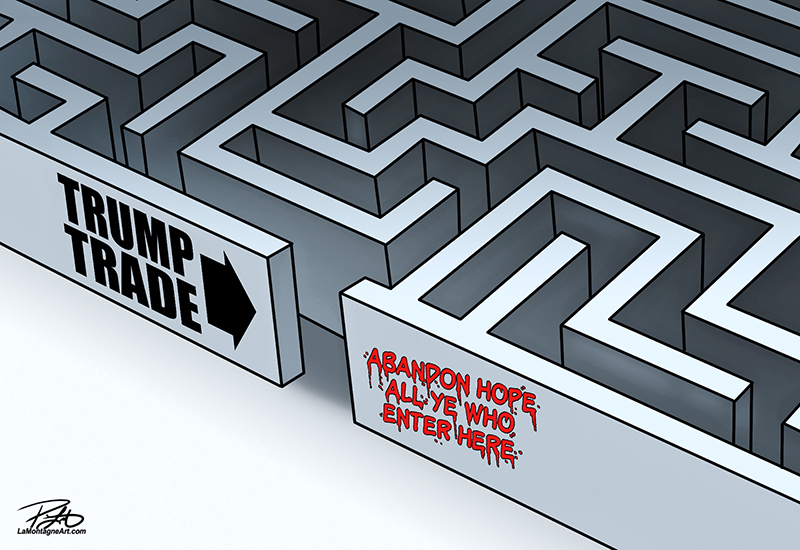
 Canadians aren’t happy.
Better writers and speakers, more educated than I, with decades more experience and insight in the political arena, are trying and failing to explain why Donald Trump does what he does.
I certainly don’t have the energy to write a lengthy essay trying to figure him out. I’m too busy, too tired and too angry. I wrote a post the day after the U.S. election, and somebody sent me an email accusing me of Trump Derangement Syndrome. I wonder if he still thinks people like me are overreacting. Or if he will in a few months when his job might be at risk.
I take solace in the emails I’ve received from many of my American subscribers, expressing sympathy for our plight. It’s appreciated because even though the President is lashing out at every other country he can think of, he’s saving the worst damage for his own.
Many Americans are on my subscriber list, some following my work for decades. I’ve known several of them for over twenty years through my association with the now-defunct National Association of Photoshop Professionals and several trips to Vegas for Photoshop World. I bear no ill will toward any of you, and most Canadians would say the same to all their American friends and family members.
Our beef is with the unprovoked attack on our sovereignty and economy by an overgrown child who clearly will never get enough attention to satisfy his fragile ego. The President of the United States has been verbally and economically threatening Canada for months now. By his own admission, he wants to end our country and take what remains.
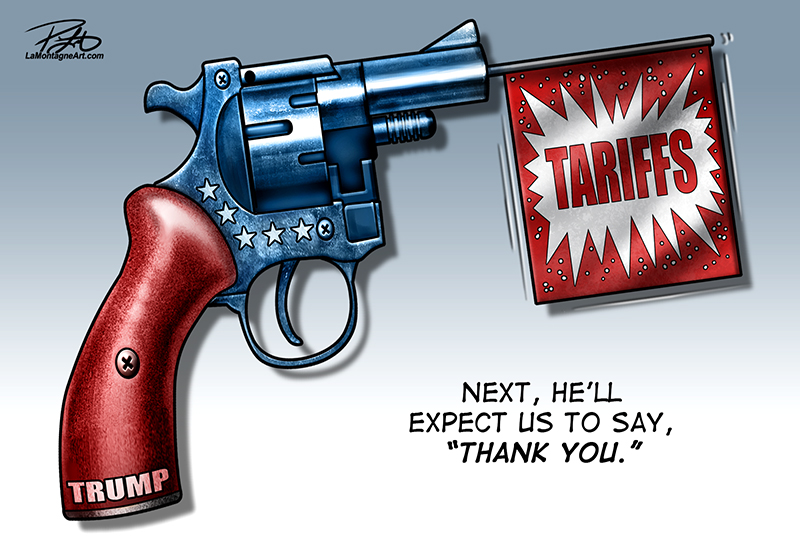
Surrender isn’t an option, so we must fight back. That means reciprocal tariffs on U.S. products. American liquor has been removed from store shelves across the country. Canadians are cancelling vacations to the U.S., and this trade war we didn’t want has launched a nationwide ‘Buy Canadian’ campaign.
Between Shonna and I, I’m the heart-on-sleeve half of this relationship. Like many artists, I’m an emotional person and overly sensitive about a lot of things. Shonna’s usually more stoic, feet planted firmly on the ground. But she was the one who ordered Canada flag pins for us to wear.
I’m tempted to compare this new national wave of Canadian pride to that which swept the country during the Vancouver 2010 Olympics, but that was joyous. This is not.
Canadians are pissed off. Our closest neighbour and friend has attacked us for no reason that makes any sense. And we’re trying to figure out how to handle it.
Winning the 4-Nations hockey series was a big deal. The outcome of that final game meant a lot more to Canada than it did to the other competitors, even for those who aren’t usually hockey fans. After months of Trump’s 51st state threats, we needed a win, even a symbolic one. Last week, Mike Myers delighted Canadian viewers of Saturday Night Live by wearing a T-shirt on stage for the traditional all-cast farewell. It read CANADA IS NOT FOR SALE, and he gestured while mouthing the words, “Elbows up.”
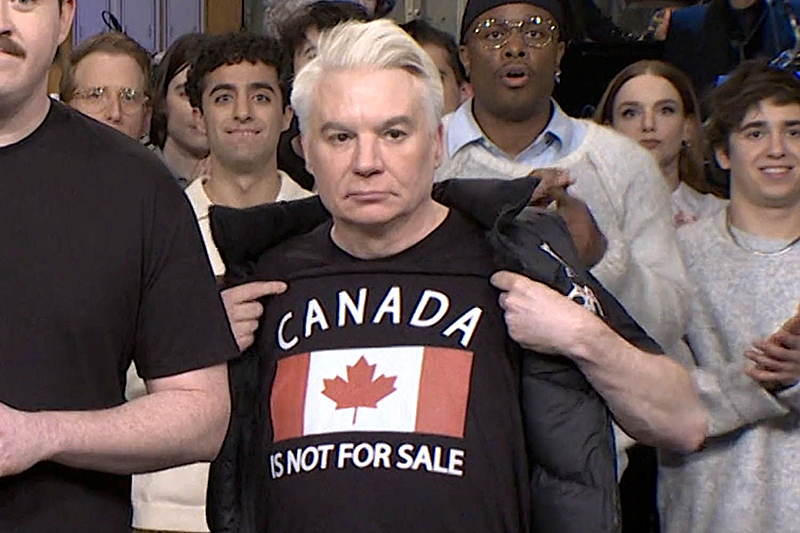
It’s a hockey reference, meaning the gloves are off, and it’s time for a fight. It has since become a Canadian call to arms. This far, no further.
Hey Gretzky. You watching? This is how it’s done.
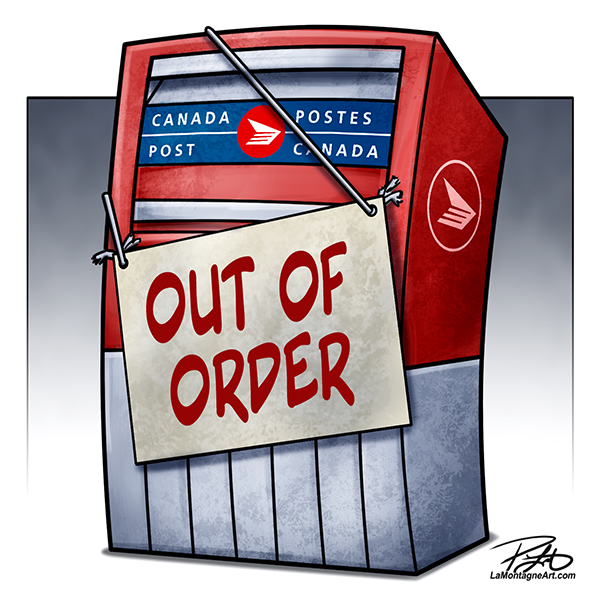
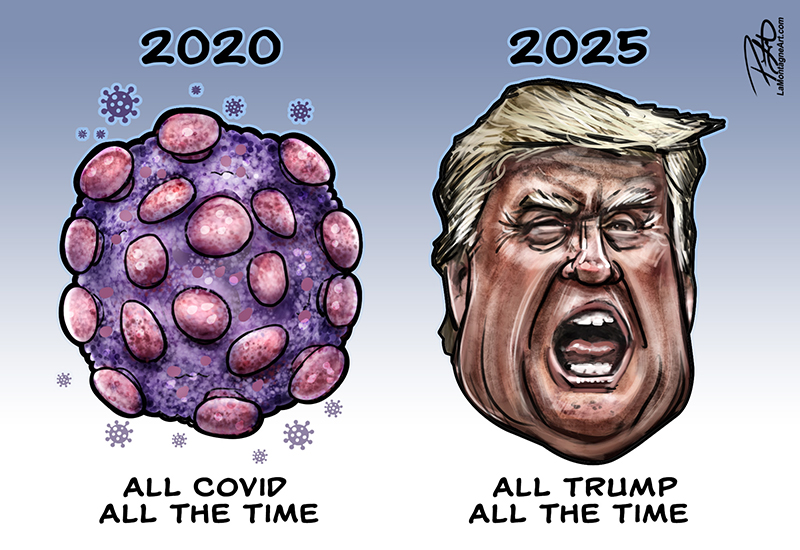
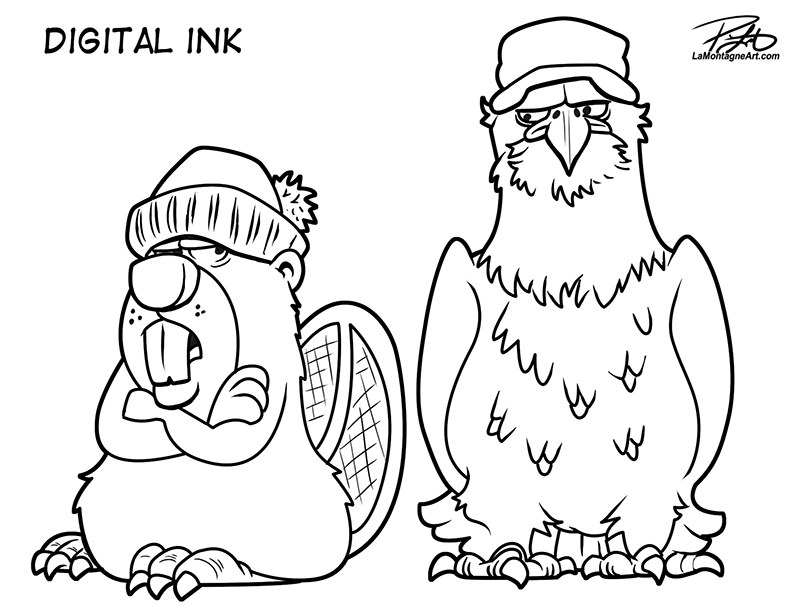
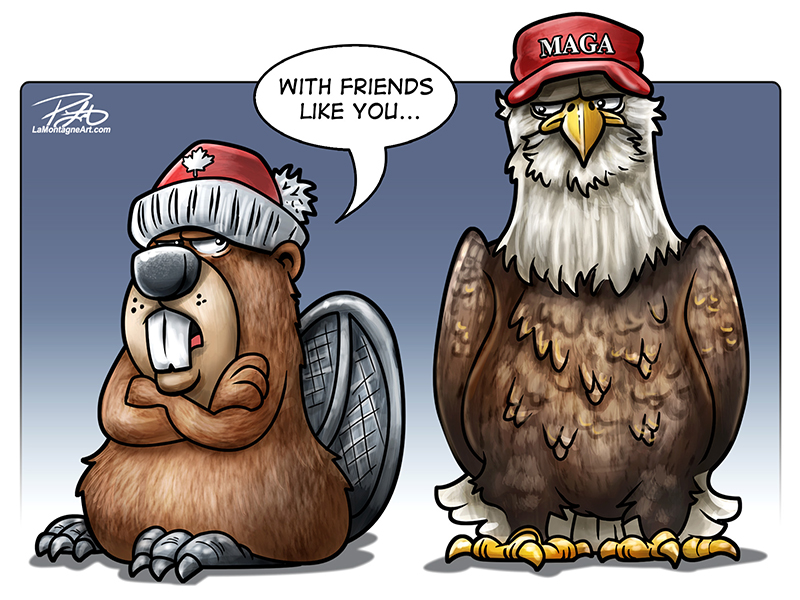
I’m drawing a LOT of cartoons about this issue. I’d like to see other news stories rise to the top, but as the following cartoon shows, good luck with that. Just like in 2020, one topic dominates. Who would have thought I’d miss the pandemic? At least with the virus, it wasn’t personal.
I have art licenses with American companies. Some of them I acquired through an American licensing agent, and while I ended that association a couple of years ago, many of the licenses have term limits and contracts I must honour.
For other licenses and companies based in the U.S., I’ve had great relationships with these people for many years. They’ve treated me well, paid for the use of my art, and to attempt to punish them for the actions of their President, somebody they may not have voted for, would be foolish. Good licensing contracts are hard to find, and relationships are formed over a long time. They also come with legal contracts that are in force for years.
I have a new license I signed with an American company last year. It was an exciting opportunity, and the products are still pending, so I can’t reveal anything yet. I can’t simply end those contracts, nor would I want to. I would be shooting myself in both feet, all because one selfish politician has a default setting of ‘asshole.’
Eventually, Donald Trump will be out of office, one way or another. After that, we’ll have to pick up the pieces. Canada’s former friendly relationship with the United States will hopefully recover, but it will take time. It’ll be hard to forget how insulting and painful this has been for Canadians, and it has only just begun. We’re looking at four more years of this nonsense.
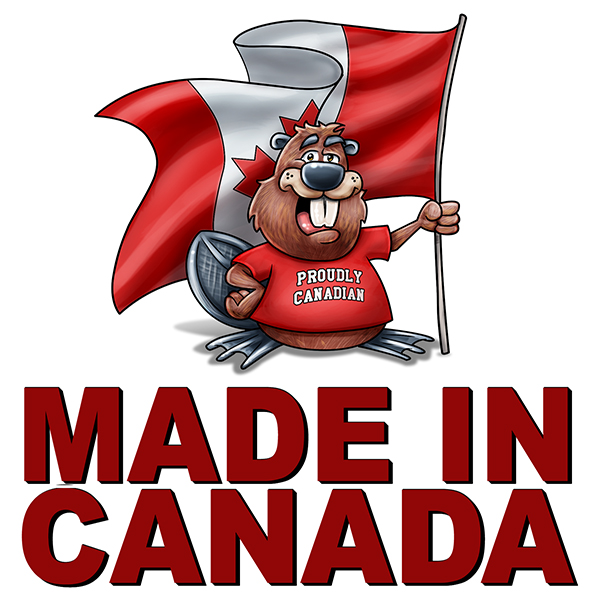
I’m pleased to see the Made in Canada patriotism sweeping this country. The reciprocal tariffs launched by our provincial and federal leaders are the only response possible because you can’t reason with an unreasonable person. Who would have thought Donald Trump would do more to unite Canadians than anyone in recent memory?
 Thankfully, I was already on board the Buy Canadian wagon. The poster prints in my store have always been made in Canada, first by three companies in Calgary and most recently by Art Ink Print in Victoria. Harlequin Nature Graphics on Vancouver Island has the apparel license for some of my bestselling images.
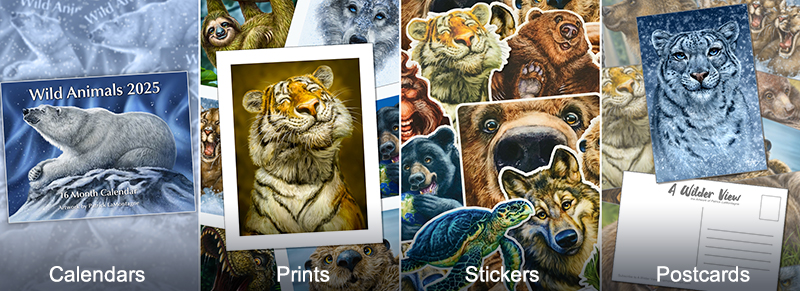
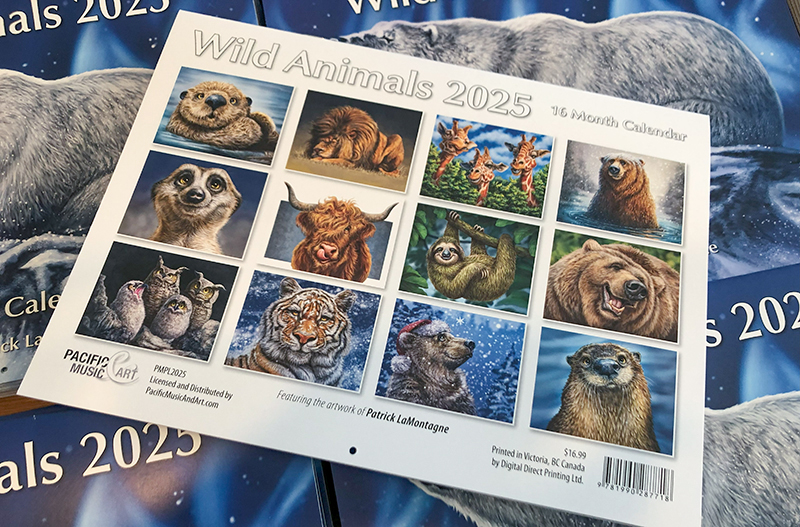
Have you ever bought a magnet, coaster, or calendar from me? How about a mug, water bottle, trivet or art card in places like the Calgary Zoo, About Canada in Banff, or many other retail and gift stores in Western Canada, Alaska or the Pacific Northwest? Those come from Pacific Music & Art in Victoria.
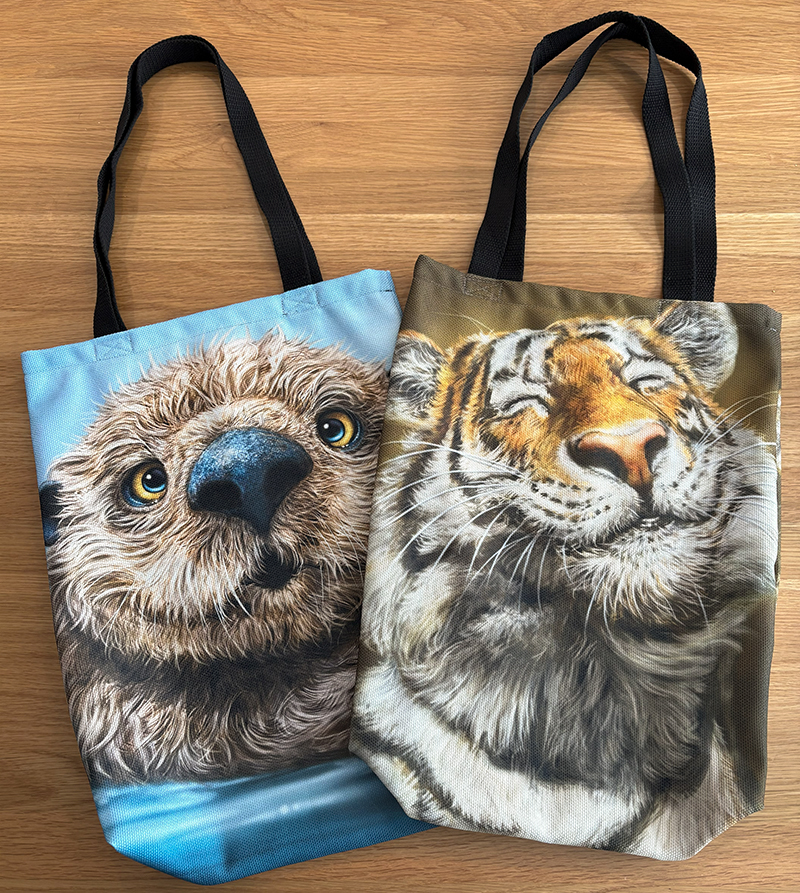
My vinyl stickers, metal and canvas prints are made in Ontario. The new tote bags many of you are excited about are currently in production in Montreal.
 I have always strived for Made in Canada with the products I sell.
There is a distinction, however, between Made in Canada and Product of Canada. You can read about that here. Though they’re Canadian companies employing Canadian workers and printing the artwork here in Canada, many of my suppliers and printers get their paper and product blanks overseas from China and Taiwan. The backer board, cellophane sleeves, art bio labels, shipping envelopes, and many other parts and pieces I use are sourced from different places. Try as we might, some things aren’t manufactured anywhere in this country. Americans are about to find out how many of their products rely on Canadian and overseas imports. As those prices go up, I hope they express their displeasure to their elected representatives, especially those sycophants who surround their golden god.
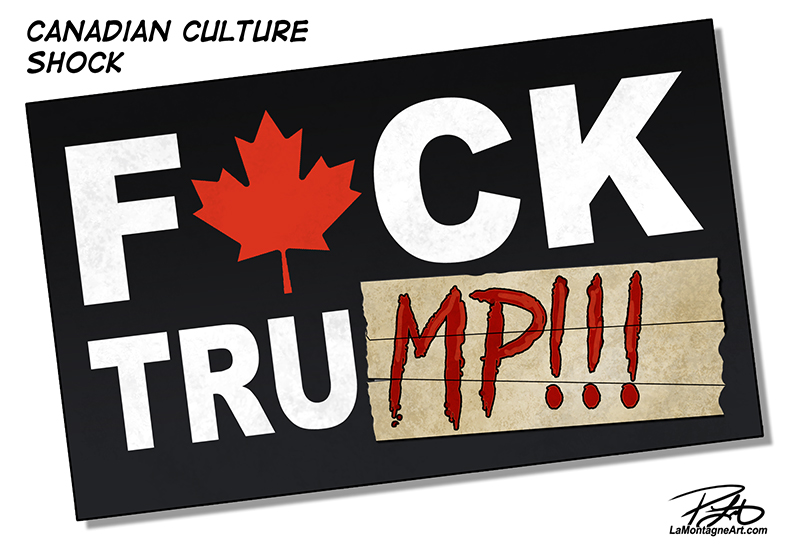 So, we do what we can to fight the fights worth fighting with the tools and weapons we have on hand.
Nobody knows where we’re headed in this ridiculous trade war, how much damage it will do, or how deep of a debris field it will leave behind. We don’t want to win the war. We just want it to end. What is certain is that Donald Trump’s game of “Let’s Make a Deal or Else” is going to hurt a lot of people inside and outside the United States.
During those joyous 2010 Vancouver Olympics, Tom Brokaw explained Canada to Americans in this video. This is what both countries stand to lose.
____
©Patrick LaMontagne 2025

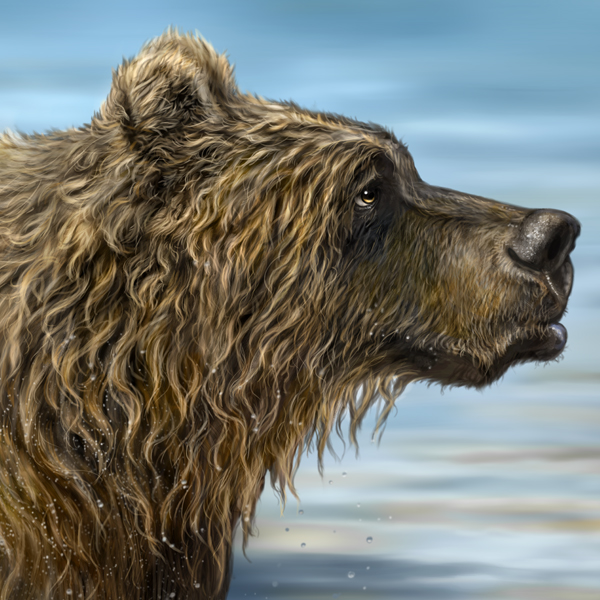
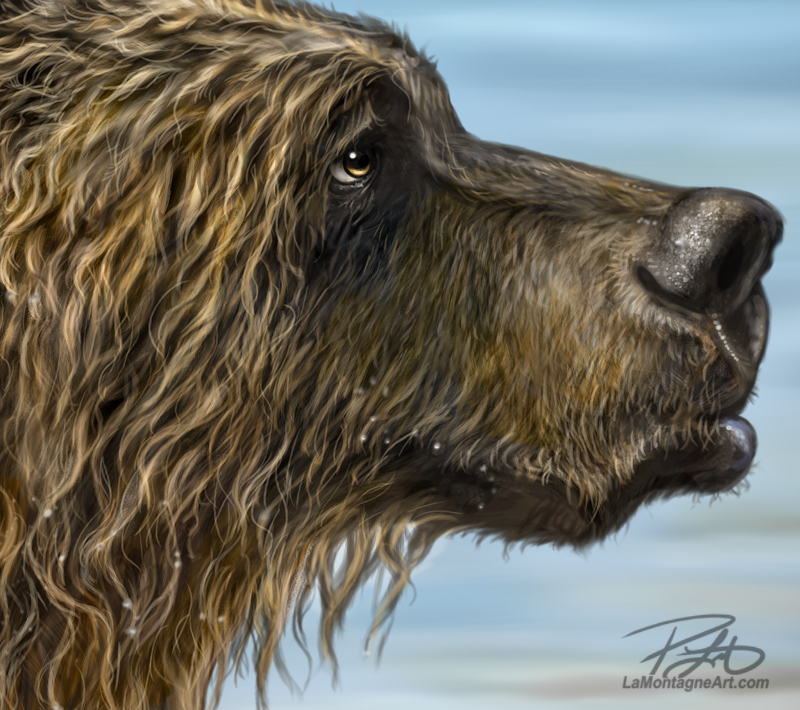
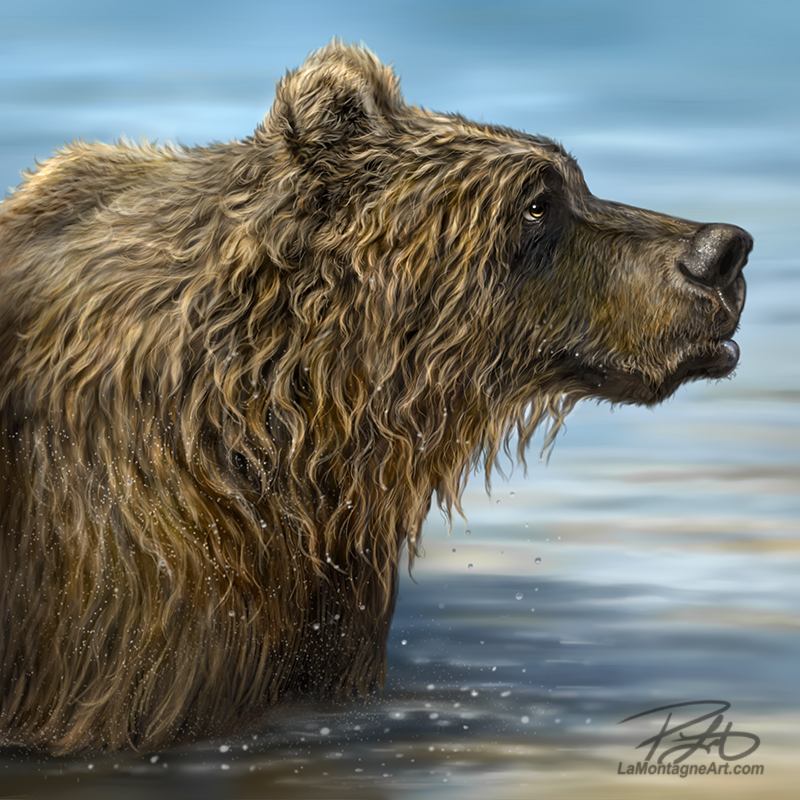 First, here’s a painting I just finished yesterday called Pouty Bear. Even though most of the animals I paint are smiling and happy, I occasionally change them up, even if I know that a different expression may not appeal to people.
 Commissions and Comic-Con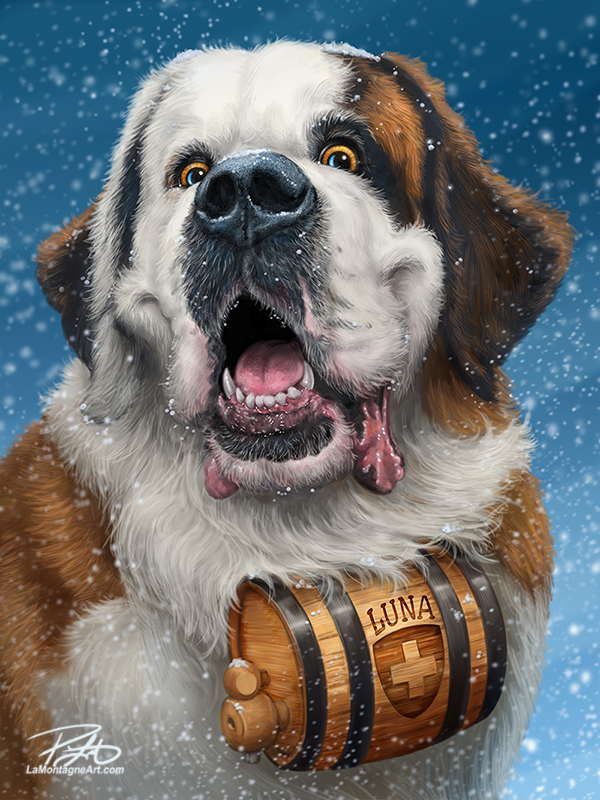
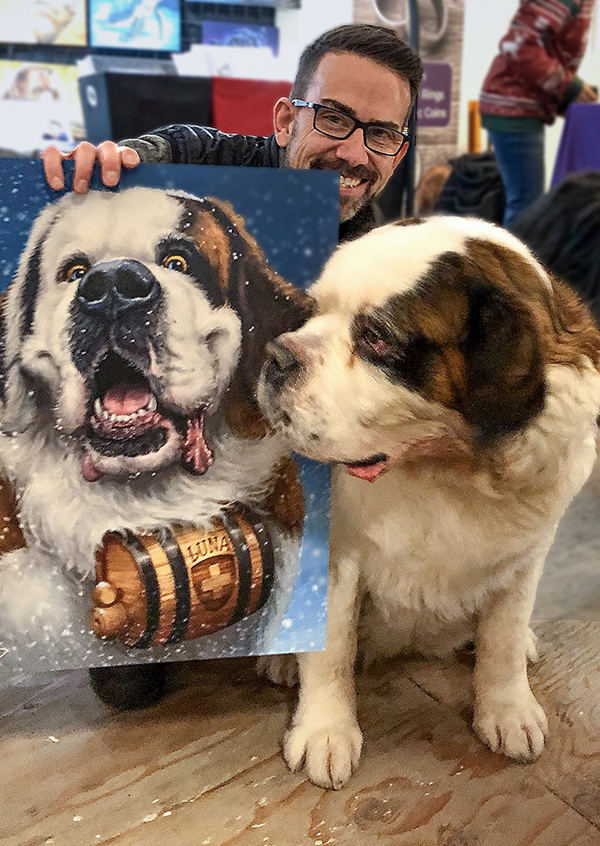
 Several people emailed me asking if I’ll have them in the
  But I’d love to hear your thoughts.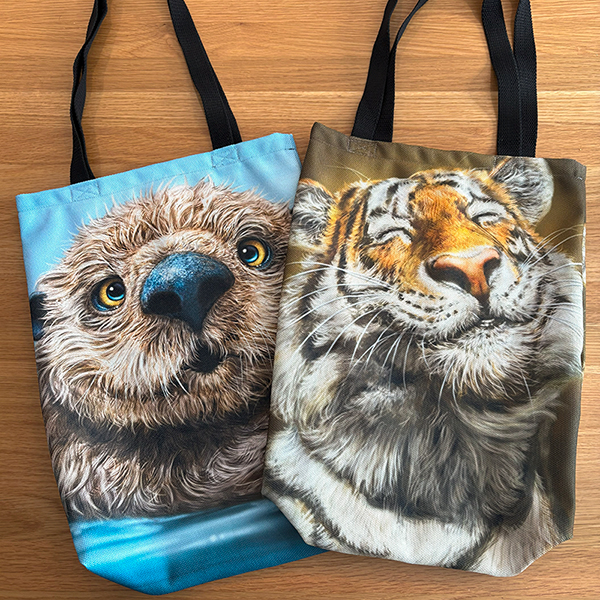
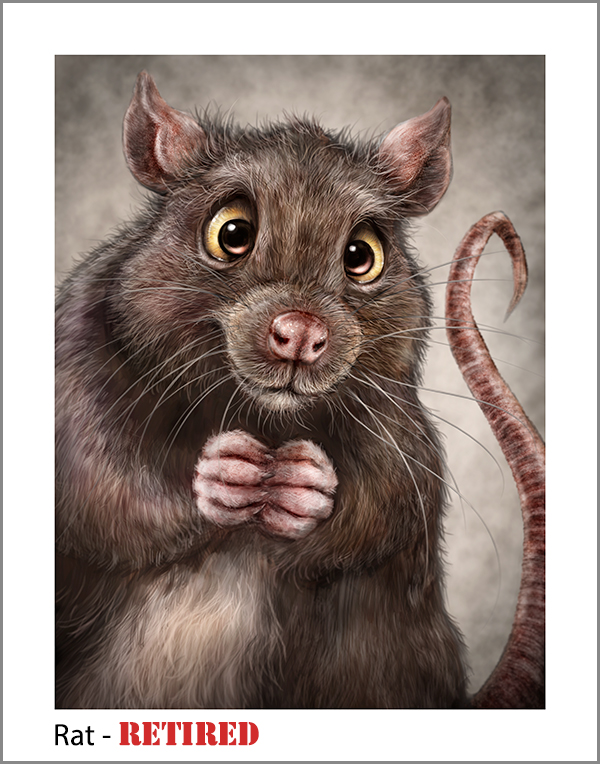
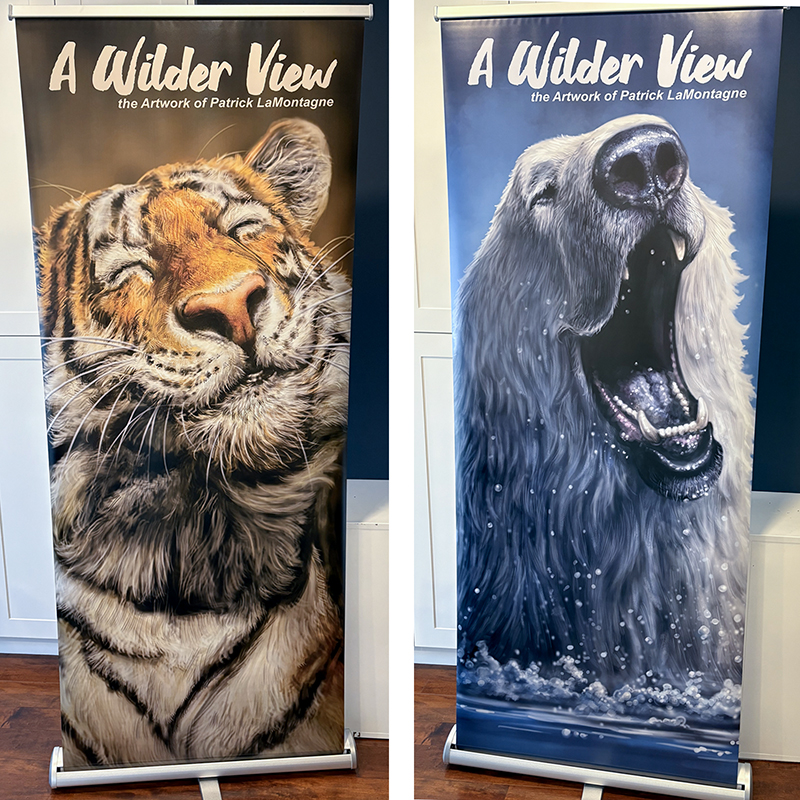 This year, I have replaced them with these retractable banner stands which are more compact and set up in seconds. While I could have gone with new images for both banners, I opted to keep the Smiling Tiger. It’s still one of my bestselling images, but more importantly, it’s part of my Calgary Expo booth and brand identity. People tell me they look for that banner. For the second image, my Rat painting is now retired, and I was happy to use my new Polar Plunge painting in its place. I think it fits this format well.
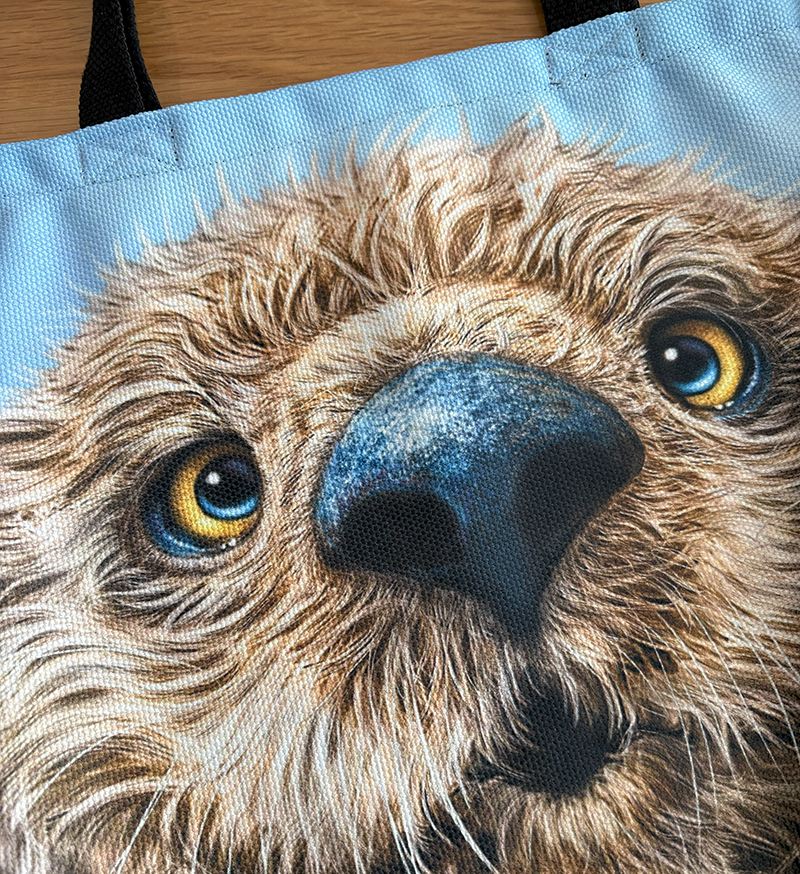 Shonna has been urging me to get tote bags for a long time, but I’ve never been enthused with the idea. There are many different products on which I could print my art, but that would mean buying, storing and transporting them as well. Having too many products gets expensive and complicated, and I wasn’t sure if tote bags would be the best investment.
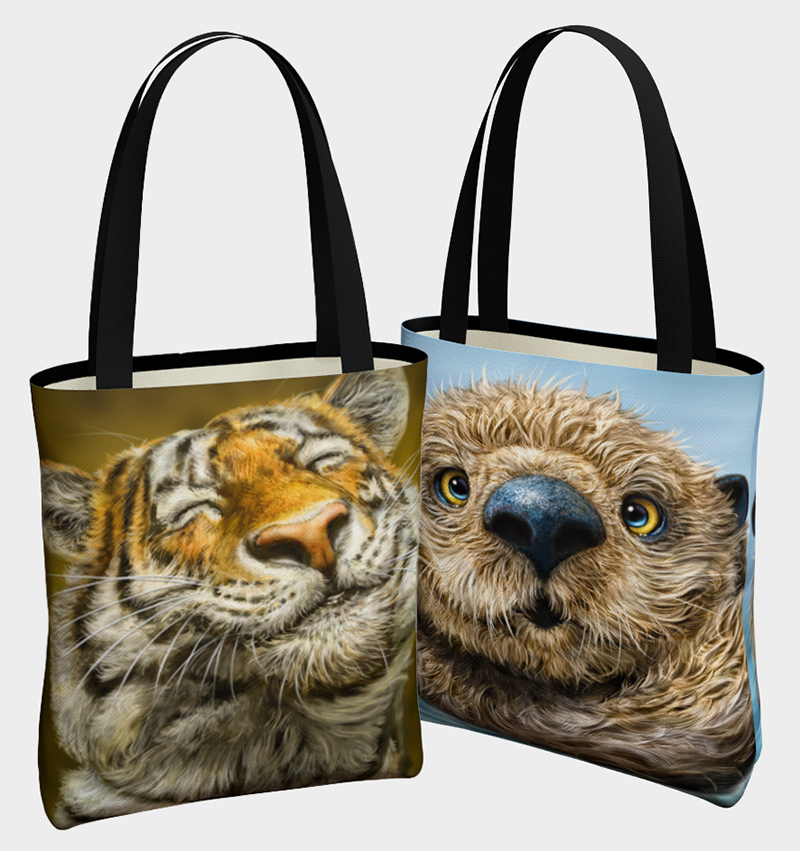
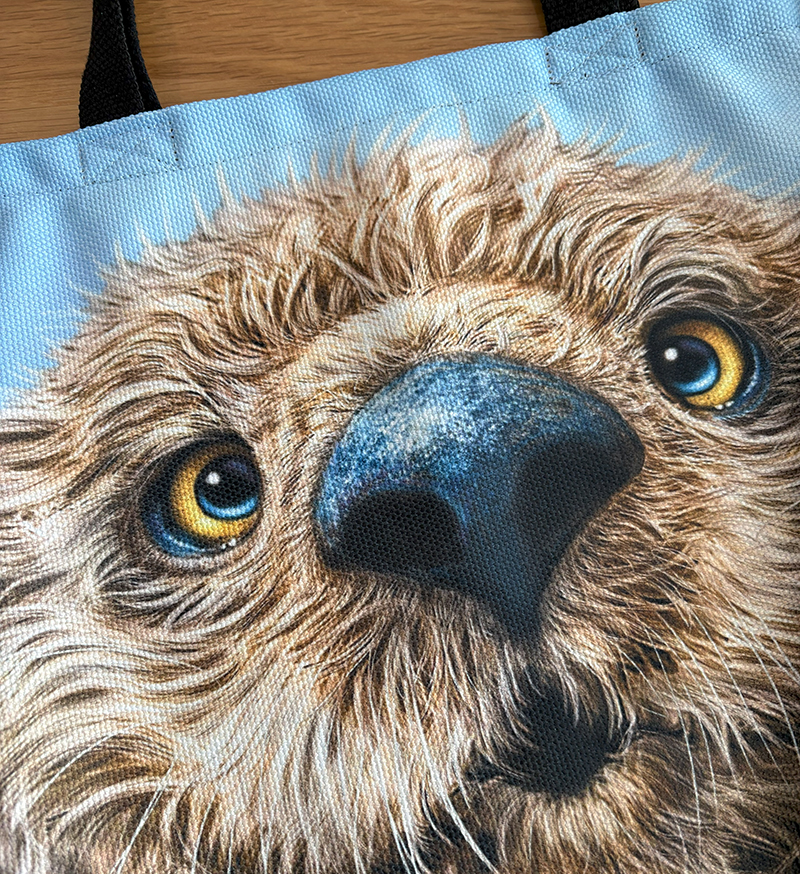
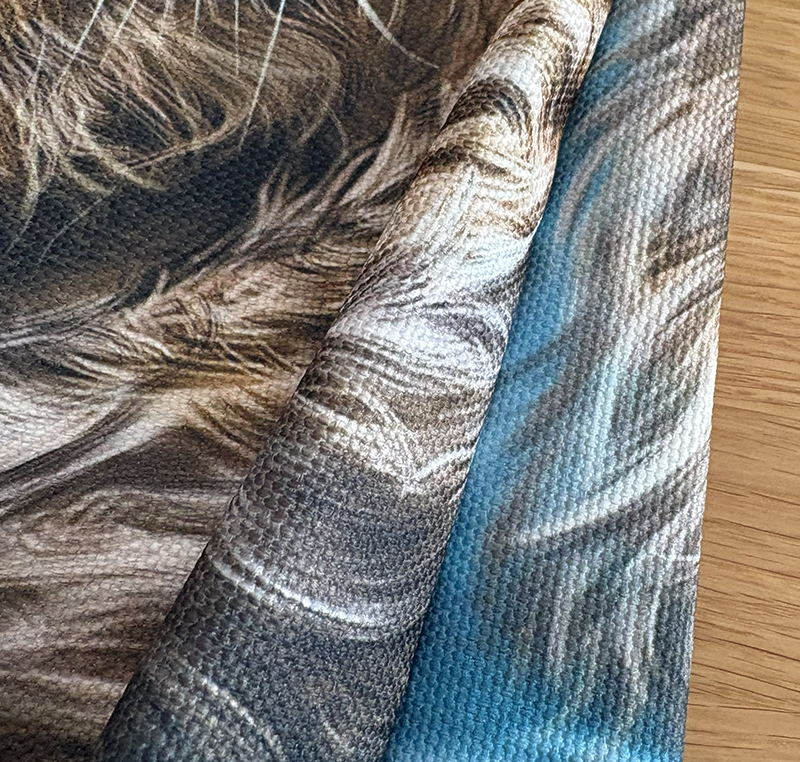 I designed each bag as a wrap; the same image on both sides, with no text or advertising. I’ll have these two bestselling painting designs, my Otter and Smiling Tiger, available for this year’s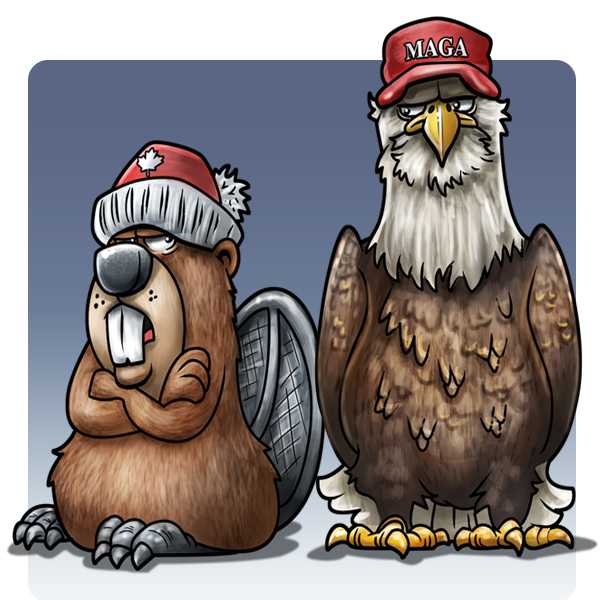
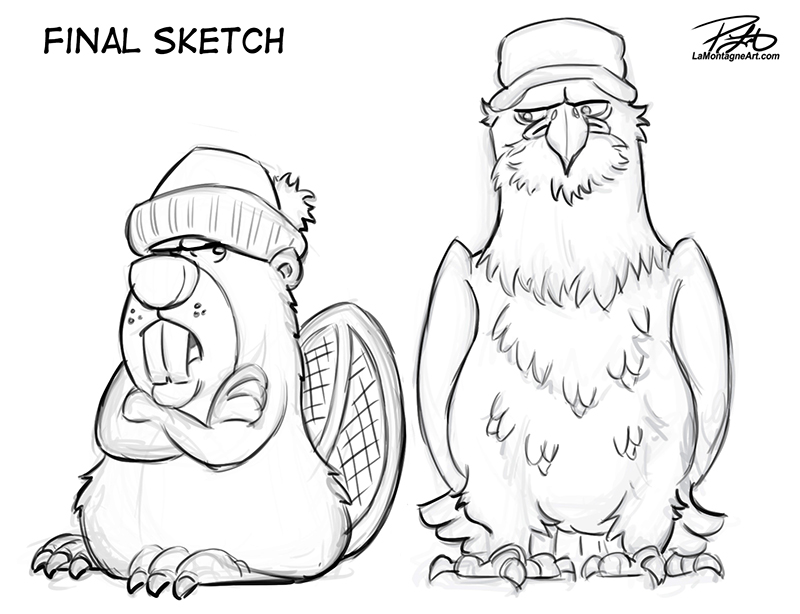 Each week, I draw five or six syndicated editorial cartoons. I follow regional, provincial, national and international news and draw illustrated commentary on prominent stories. Many of my weekly clients across Canada only run my cartoons in their publications, some for over a decade. Other clients, especially daily papers, will pick and choose from submissions from several cartoonists. Despite the belief that journalism is unbiased, it most certainly is not. Some newspapers lean left while others lean right.
 Years ago, I recall that somebody in Canmore came up with a proposal that each business in the community should contribute to a tourism promotion fee. Some businesses complained they shouldn’t have to because they weren’t in the tourism business.
 Canada and the United States have had a unique, enviable, and friendly relationship for longer than any two countries. We’ve often referred to each other as family. We’ve had our ups and downs; every relationship does, but it has always endured.
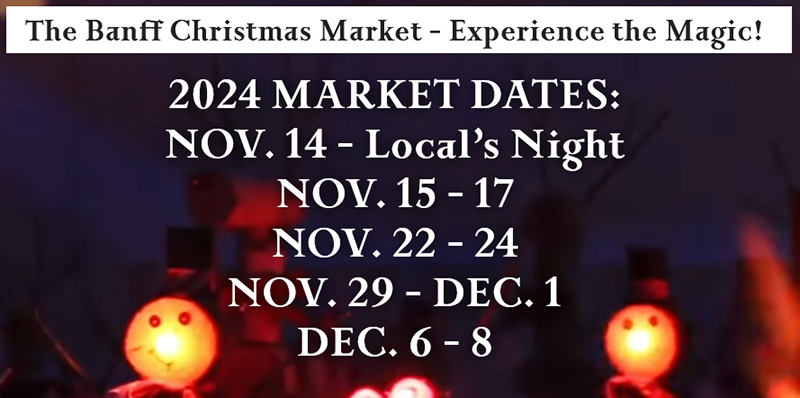
 On Saturday, I paid my deposit and applied for the Banff Christmas Market this year. While anything can happen between now and the end of the year, I’m already lowering expectations. I’m currently sourcing and buying stock for the Calgary Expo at the end of April, but I’m no longer planning on some products. I don’t think people will have money to spend on luxuries, and my work certainly qualifies.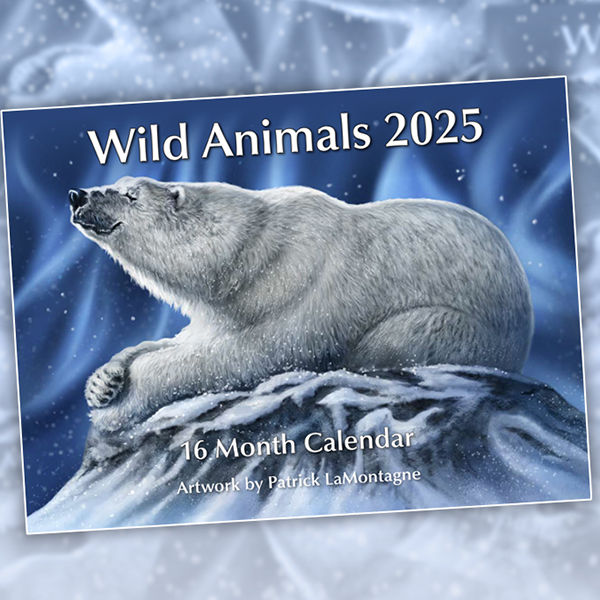
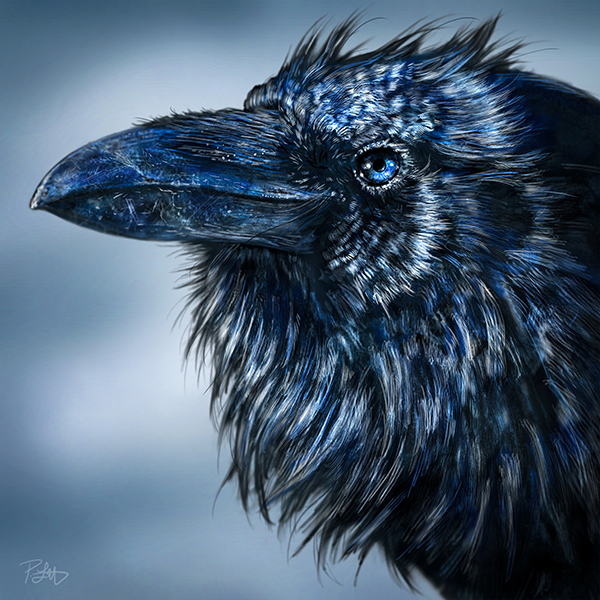
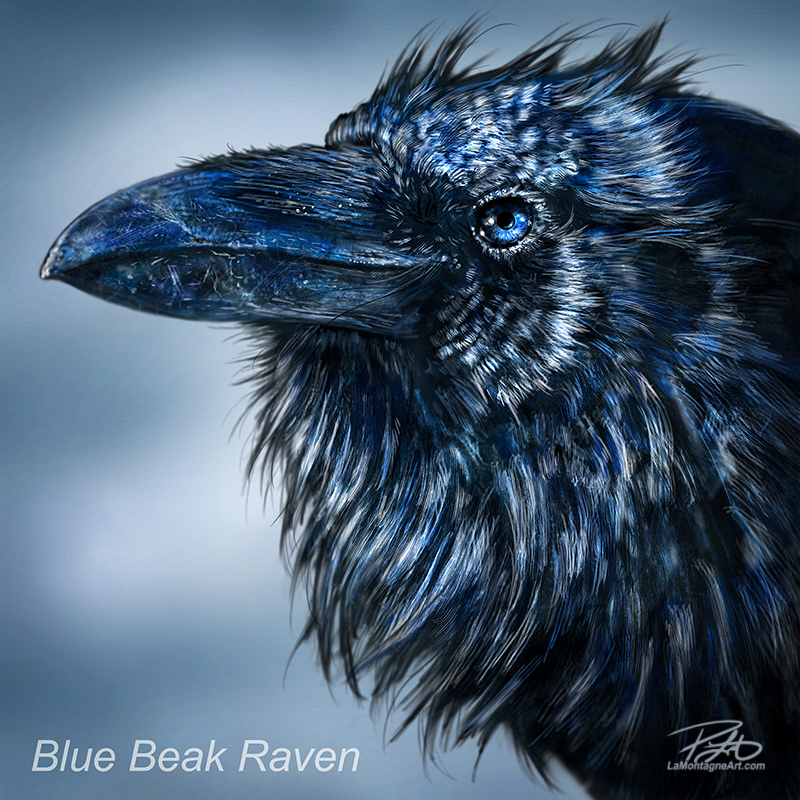 They do sell, however. I had one woman in Canmore send me an email after the market one Saturday night, regretting she didn’t buy the 16”X16” metal print of my Blue Beak Raven.
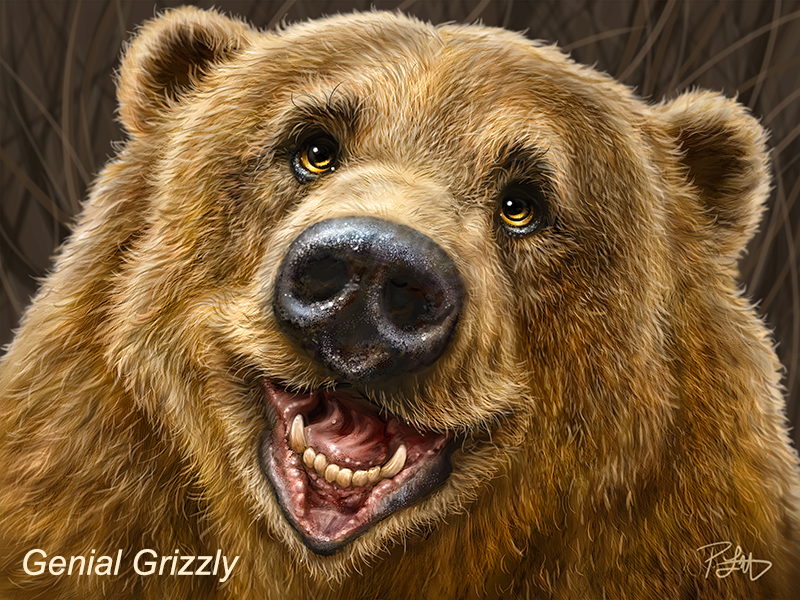 Another gentleman wanted the same size Spa Day painting on metal I had in the booth, plus a 12”X16” metal print of my Genial Grizzly I didn’t have. I said I could order and deliver the missing one to him, but he didn’t want to carry the other one around. He asked if he could pay for them, and I could order and drop both of them off in Canmore when they arrived. He wasn’t in a rush, and I was happy to accommodate.
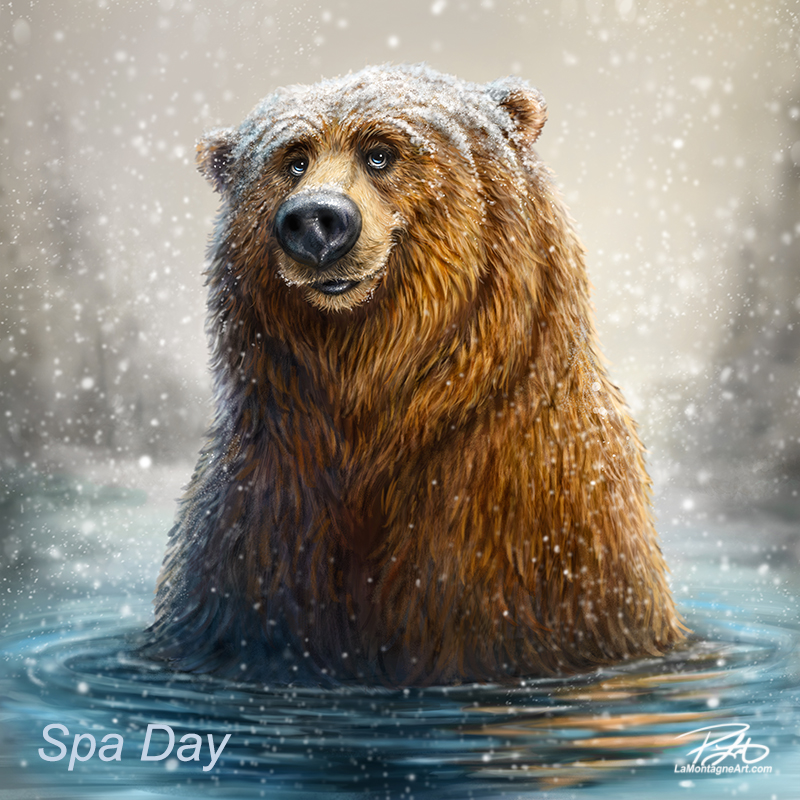 I wanted to sell the metal and canvas prints, but I didn’t want to lose Spa Day on the wall because it attracts a lot of attention. It has become a bestseller, and the metal prints on the wall sell the poster prints on the tables.
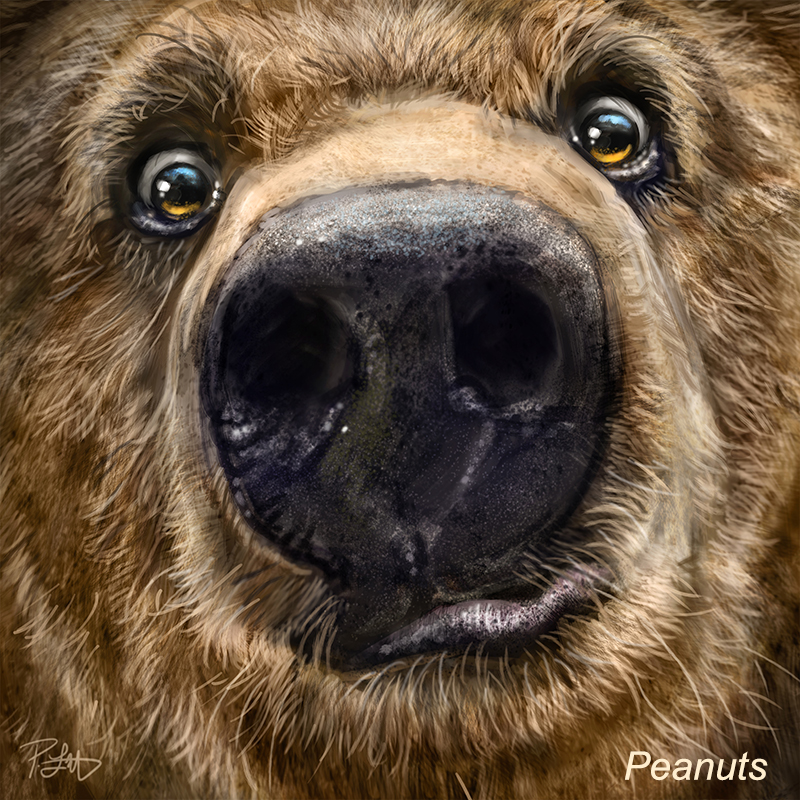 Prepare as I might; what’s true one day might not be the next. Last year, I had two metal prints of my Peanuts painting, one of my personal favourites. It doesn’t work as a poster print because it’s a square composition, so it’s only available in metal or canvas. This year, I made sure to have two metal prints on hand, and I sold them both the first weekend. So, I ordered three more for the last two weekends.
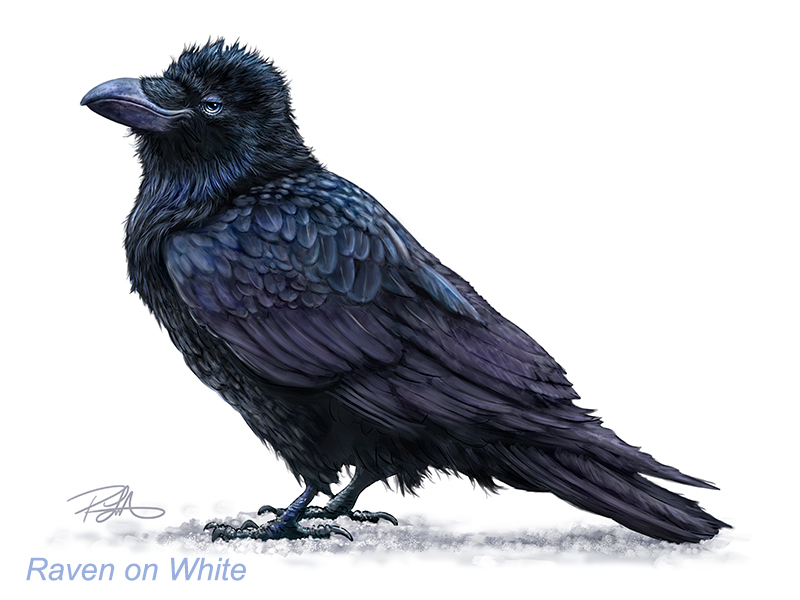 I had two metal prints of my Raven on White painting and two of my Highland Cows. I sold one of each the first weekend, so I figured I should get spares.
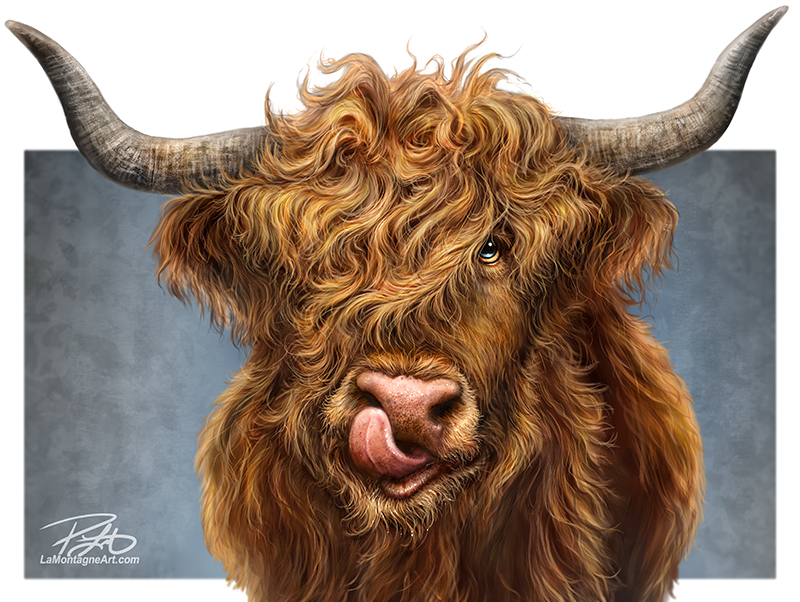
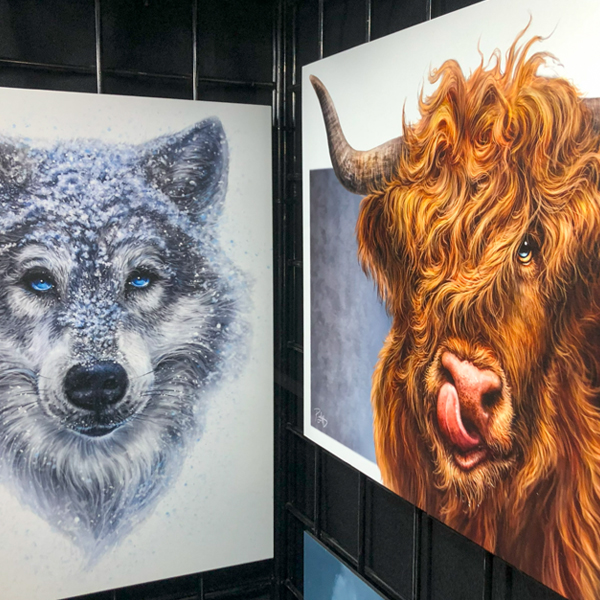
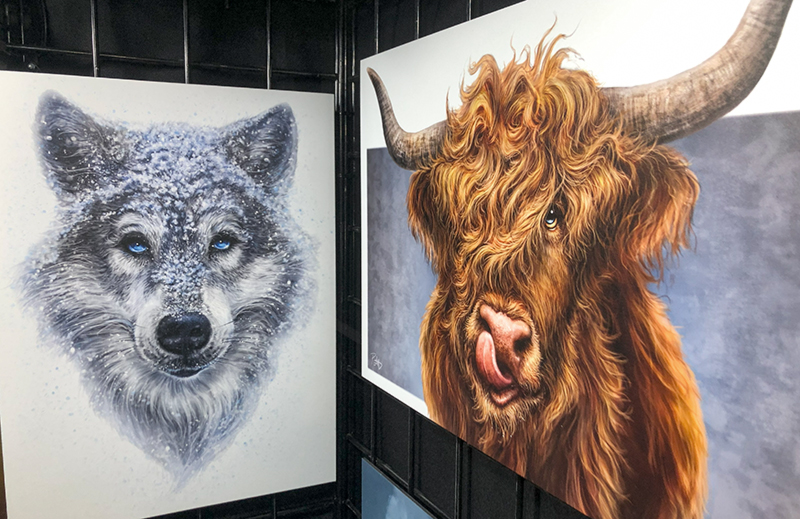
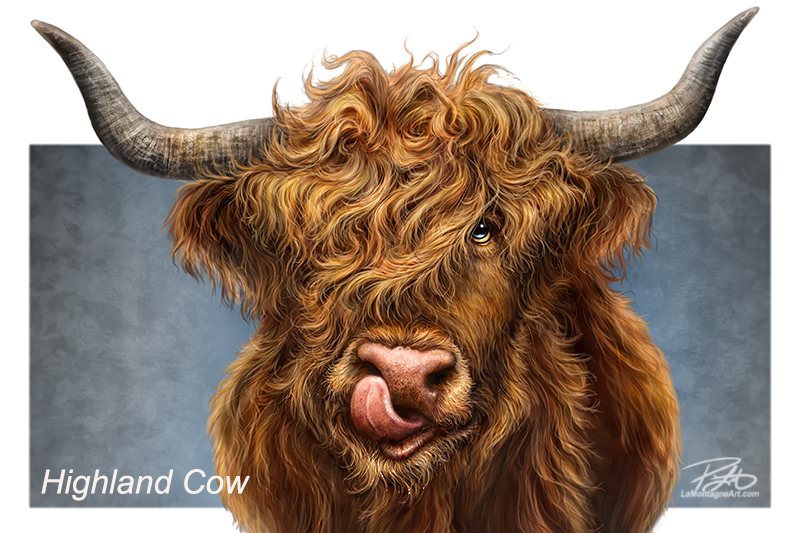 But the Highland Cow on the wall sold many poster prints over four weeks, more than any other image. The Raven on White print was also a bestseller.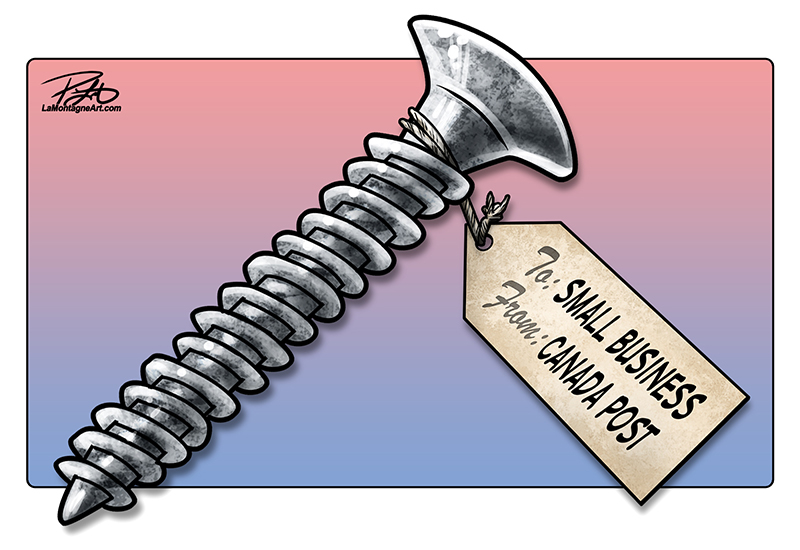
 I had made sure to get my flu and COVID boosters before the markets, but still ‘got sick,’ knocked on my ass by a cold in between Weekends 2 and 3. If you wonder where I get my cartoon ideas, life inspires art. But just like everybody else who gambles with seasonal viruses, I handled it. Inconvenient, uncomfortable, but manageable. And though I began that third weekend still suffering and wearing a mask for a day, it was my second-best sales weekend.
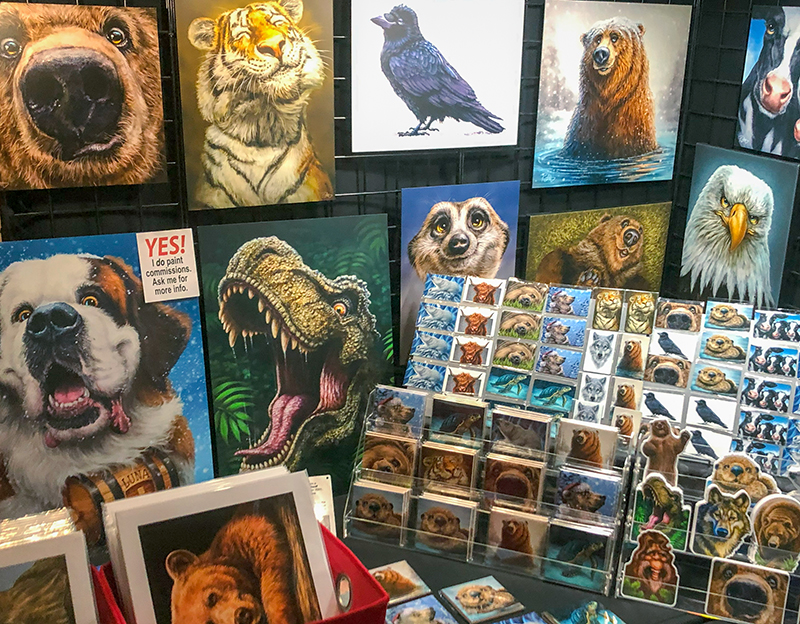 I regret I have no decent photos of my booth. The bright light on the artwork looks great in person, but my older iPhone camera just can’t seem to compensate correctly, even with an accessory filter. It’s no doubt a user problem.
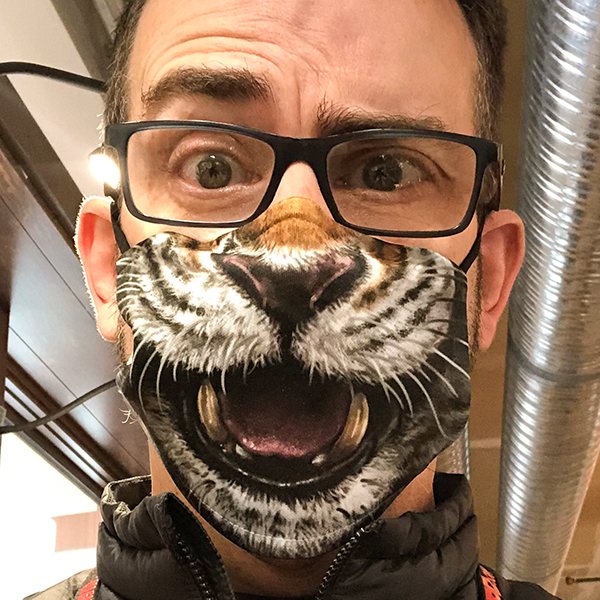
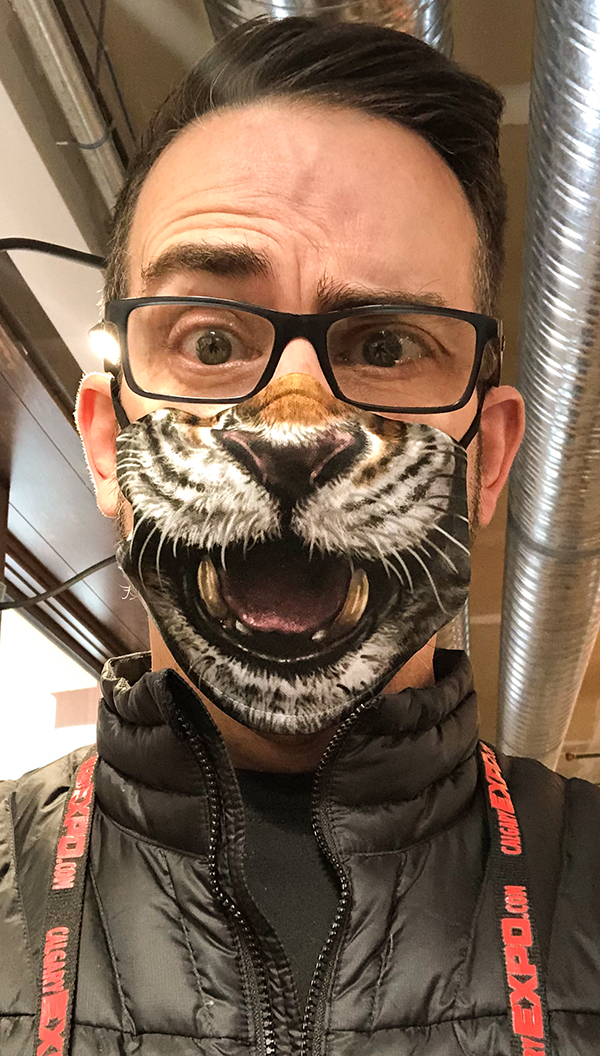 Last week was a challenge.
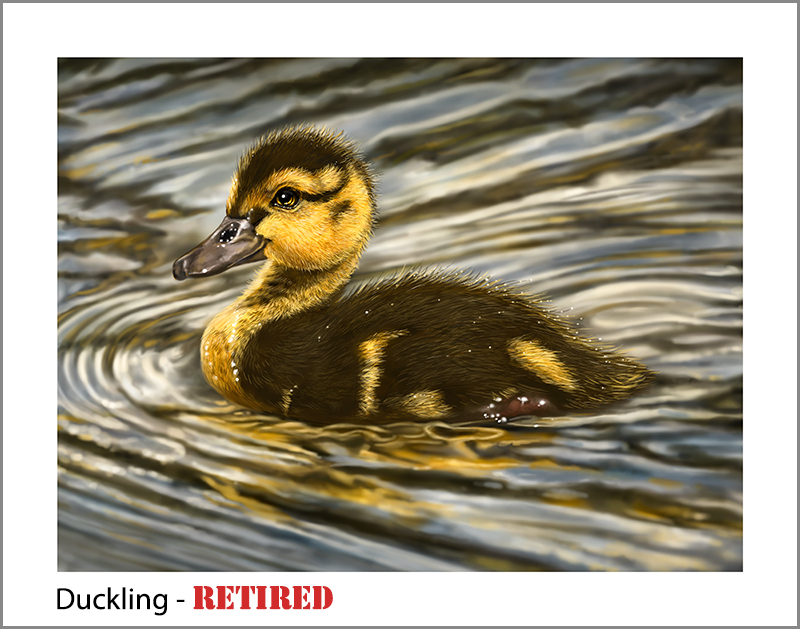 I never know which paintings will become popular and which ones won’t resonate with people. Or sometimes people will like an image, just not as a print to hang on their wall. The only way to find out is to create the painting, release it, and see what happens. When I retire an image in print, it means it will no longer be available on my site or at markets.
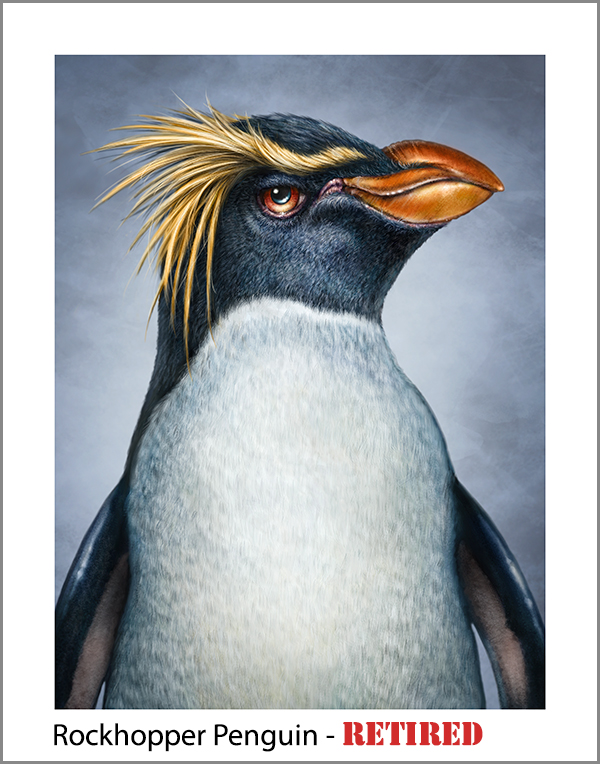 Sometimes, a print will become popular for a particular venue, like the
 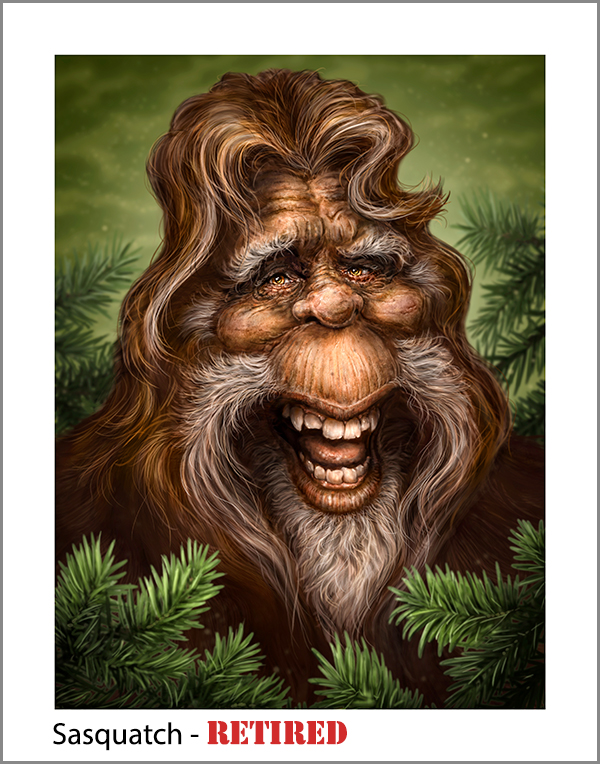 My Sasquatch painting is a popular licensed image for Pacific Music & Art, as they have customers all over the Pacific Northwest, BC, and Alaska.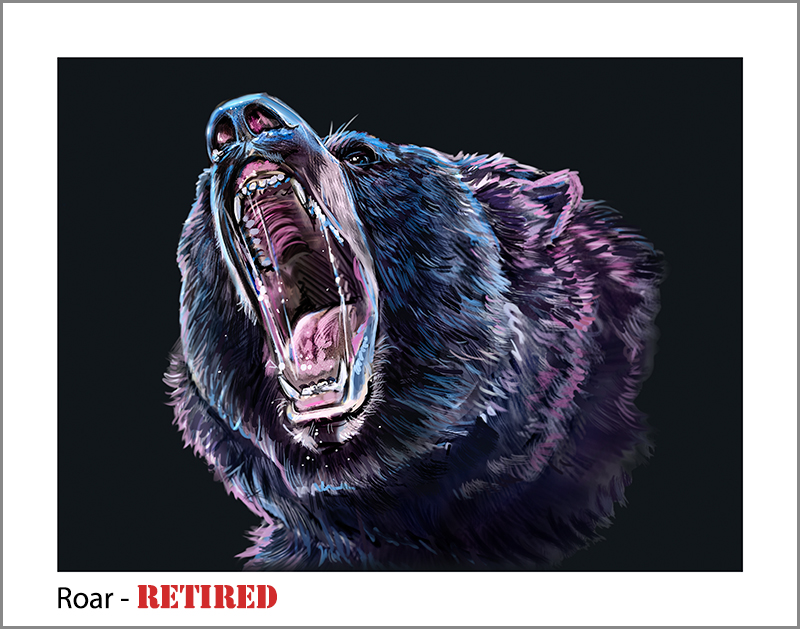
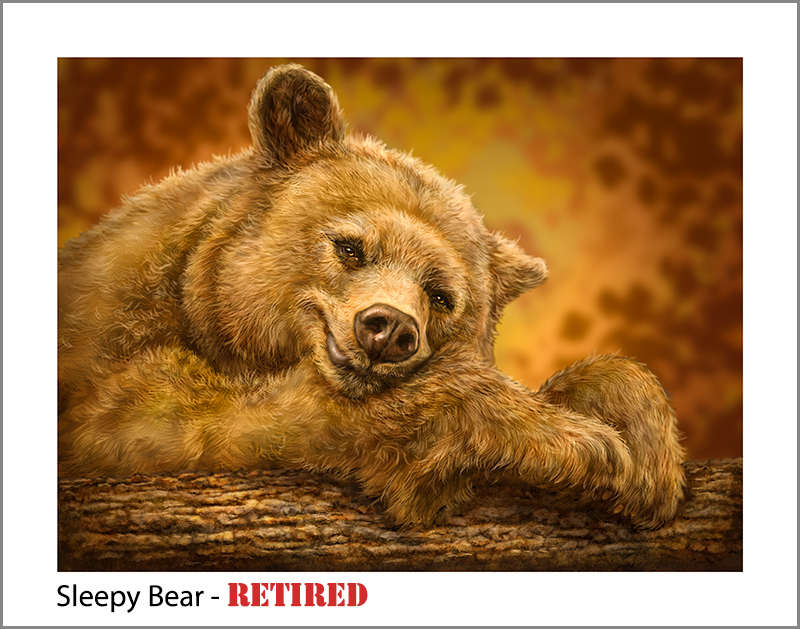
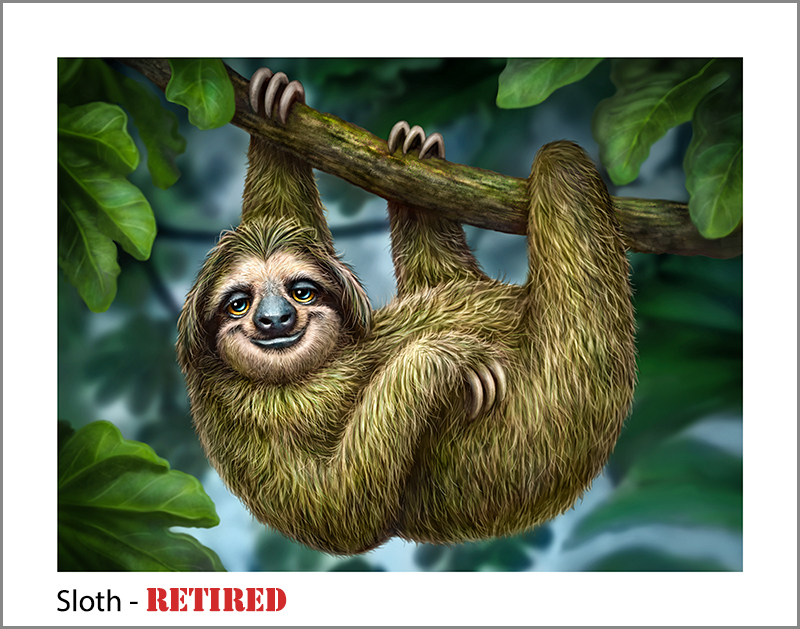 Even when I no longer sell a print, my licensing clients may still offer the image on their products, and my wholesale customers may still order prints from me to sell to their customers. I just have to require the same minimum orders from them that my printer requires from me.
 My next-door neighbours,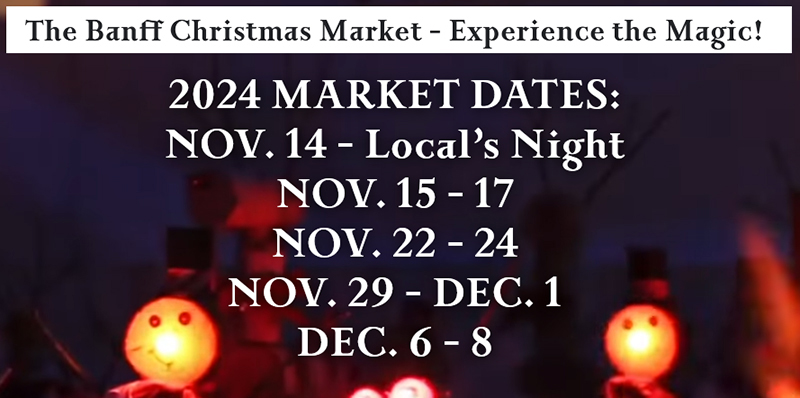
 The weather outside was frightful last Friday and Saturday, but the Bow Valley avoided the worst of the big storm that rolled through Alberta on the weekend. Still, I have lived in this valley long enough to know that the 25 km stretch of highway between Canmore and Banff can quickly become treacherous.
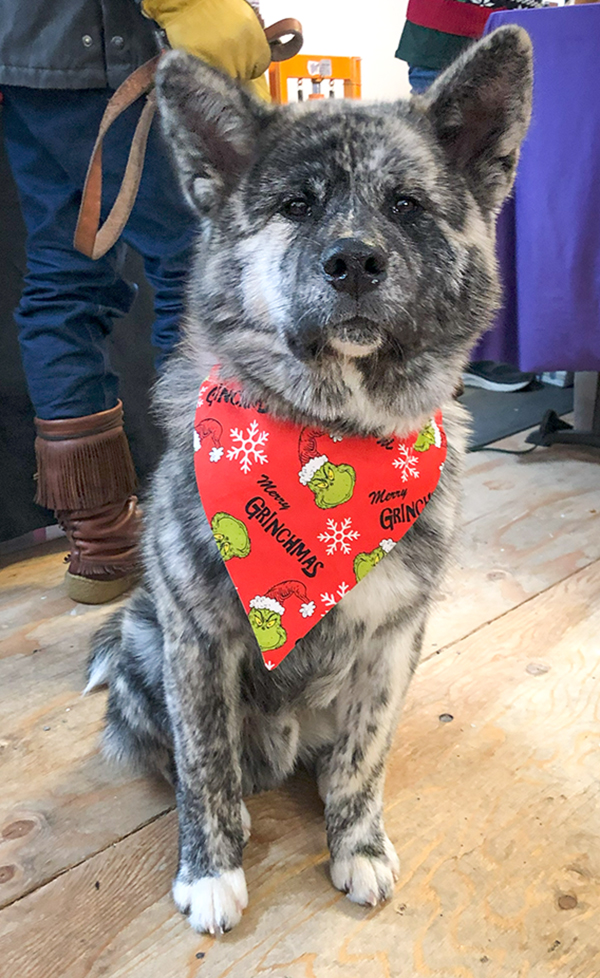 One of the dogs I get to see all month long is Tojo, who belongs to one of the staff. He’s a friendly Akita puppy with a stunning brindle fur pattern resembling urban camouflage. He’s got a wonderfully sweet temperament and loves the outdoor cold. Though provided with a comfortable bed and a safe, warm space outside, you can often find him happily sleeping on a pile of snow.
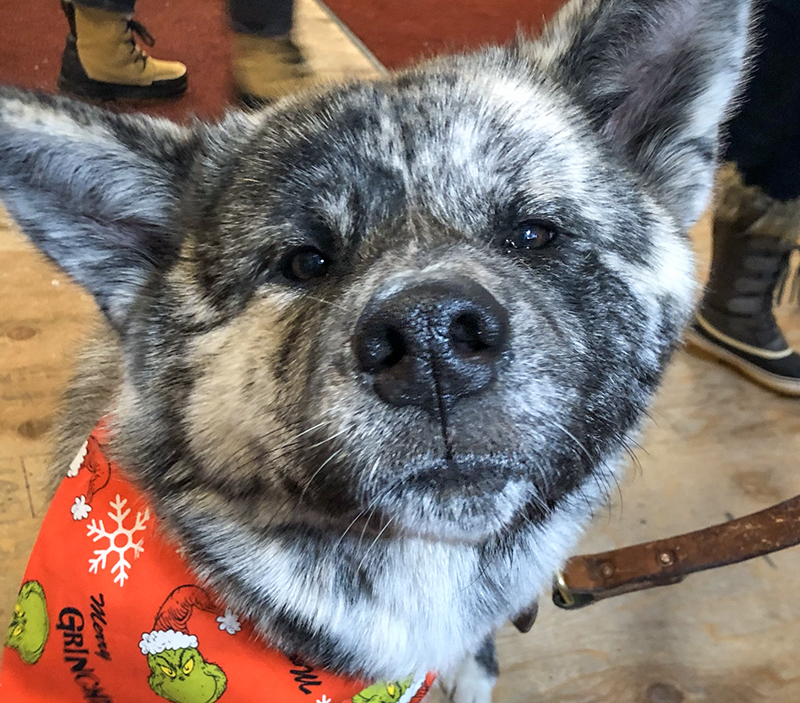 When he’s brought inside to warm up or for a wander, he visits the different booths and enjoys the pets and scratches we’re all happy to give. His face reminds me of a bear’s, which makes me want to paint him.
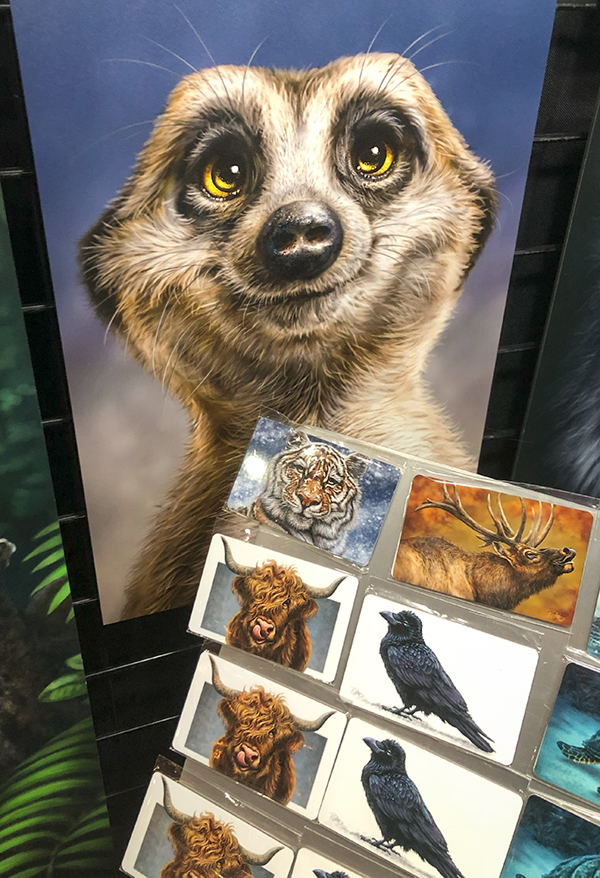 Seriously, what is it with this painting? I don’t understand it, but as I said to Mike at Pacific, I won’t look a gift cow in the mouth.