Keeping a blog is handy when I write a year-end wrap-up because I don’t have to remember what happened. So here are some of the standouts from this year.
Sticker Surprise
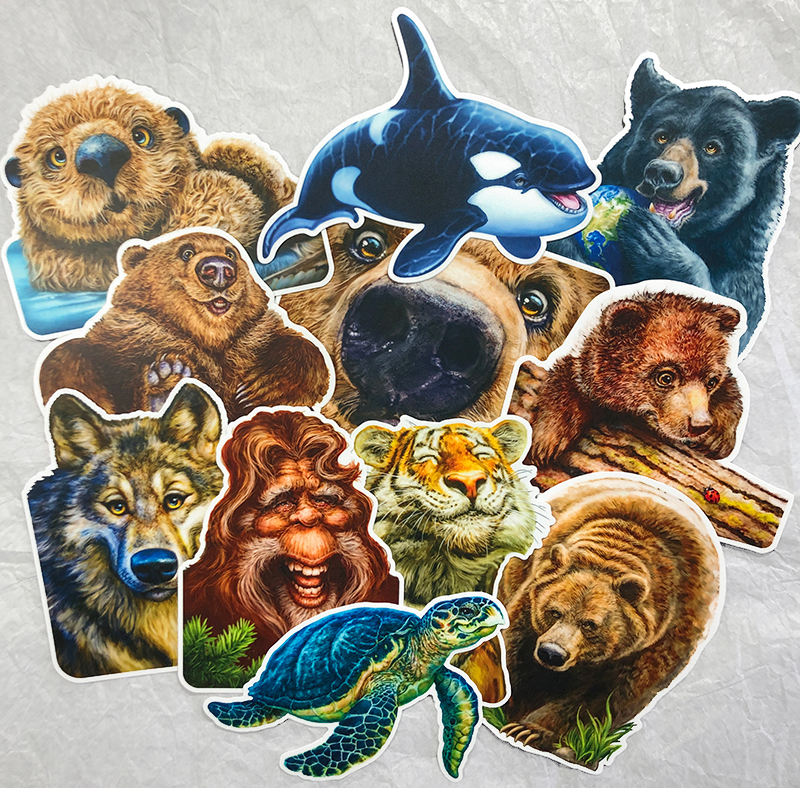
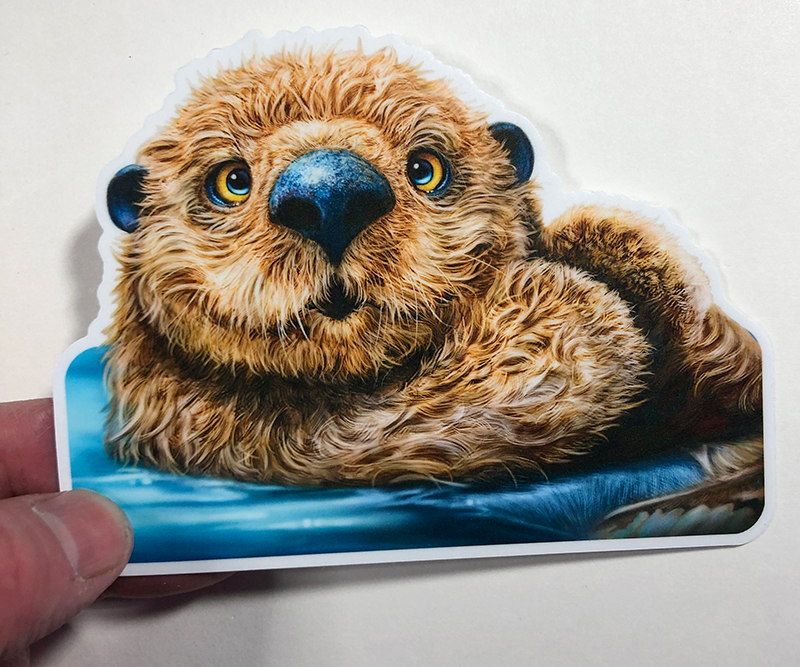
While on a cabin trip last year, my buddy Darrel suggested my work might lend itself well to vinyl stickers people put on vehicle windows. So, I designed a few, sourced a production company, and realized he was onto something.
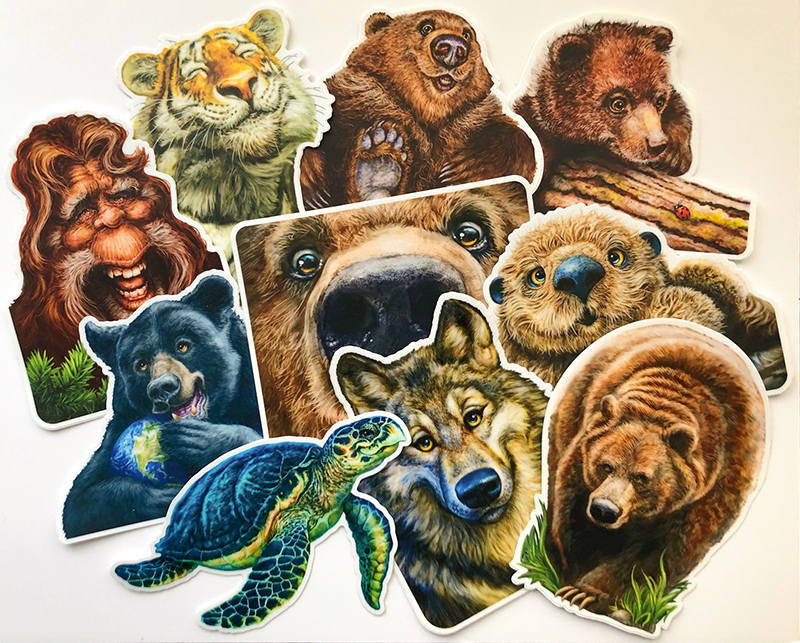 The ten designs have done well with regular re-orders at the Calgary Zoo, Discovery Wildlife Park, and Stonewaters in Canmore. They were also popular at Calgary Expo and the Mountain Made Markets. This week, I reordered a bunch and added two new designs. In the upcoming year, I’ll be working to get these into more stores.
The NFT boom goes bust
Earlier this year, I thought there might be a market selling NFTs of some of my paintings. I read a lot of information, entertained offers from online galleries, and eventually signed with one. They were professional and good to work with, but then the entire crypto art market fell apart.
Thankfully, I lost no money on the experiment. I never bought any cryptocurrency or paid for my own NFT minting. The time I lost was an educational experience, and I have no regrets. You will never have any success without risk. Kevin Kelly once said, “If you’re not falling down occasionally, you’re just coasting.”
Will NFTs come back into favour? I doubt it.
Cartoon Commendation
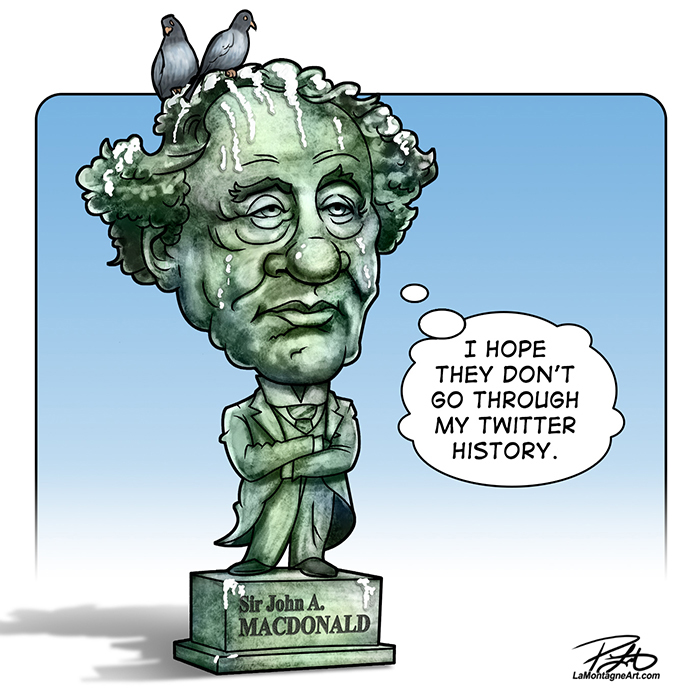 I don’t usually enter editorial cartoon contests, but I made an exception this year for the World Press Freedom Competition. I’d already drawn the cartoon above that fit the theme, and the top three prizes included a financial award. Though I hadn’t expected much, I won 2nd place and the prize money paid for most of my new guitar.
The Rocky Mountain Outlook is our local weekly paper. I’ve been their cartoonist since it began in 2001, and I’ve never missed an issue. National awards matter to weekly papers as they lend credibility to the publication, especially when soliciting advertisers who pay for it. The Outlook enters my work into the Canadian Community Newspaper Awards each year.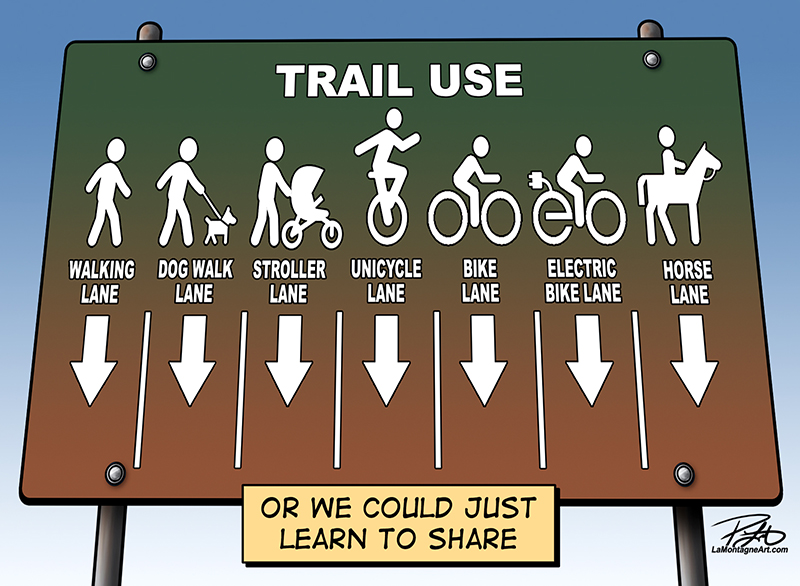 The CCNAs didn’t happen last year because of the pandemic, so they awarded two years at once this time. For Best Local Cartoon, I won First, Second and Third for 2020 and Second and Third for 2021 in their circulation category.
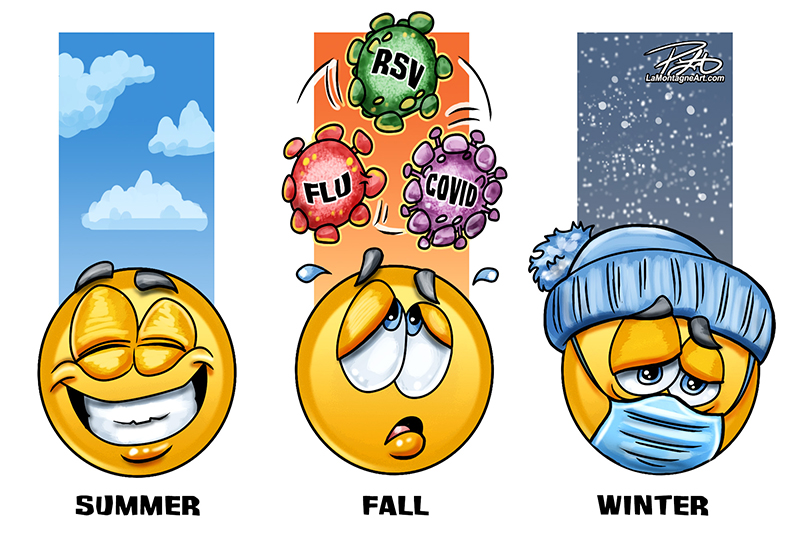
Given there are fewer local papers each year and even fewer local cartoonists, I wonder if the multiple awards say more about the lack of competition than the quality of my work. Regardless, the recognition is still welcome.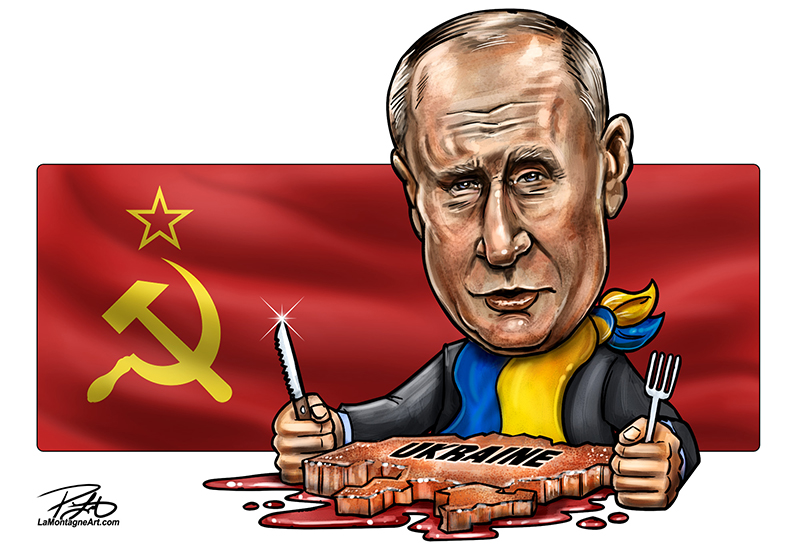 The problem with local cartoons is that you kind of have to live here to understand most of them. So the ones I’ve shared here are a random selection of local and national topics.
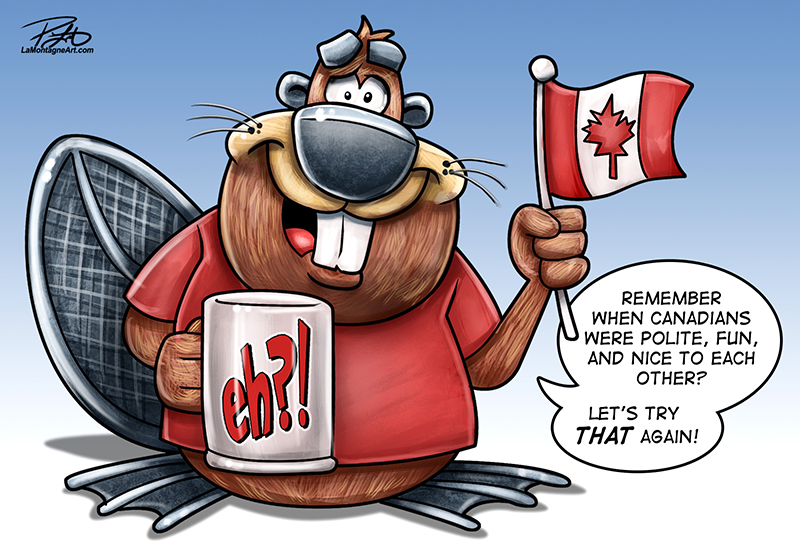 Between the five or six syndicated editorial cartoons I create each week, plus the local cartoon for The Outlook, I drew 313 editorial cartoons this year.
 Calgary Expo and the Mountain Made Markets
I know artists who do the gift and market circuit all year long. For some, it’s their entire living, and they do well. Others try it for a few years, don’t make any money, and move on to something else. It can be a real grind.
More than once, I’ve considered getting a bigger vehicle, a tent and the display and booth hardware I would need to do the fair and market circuit in the warmer months and the holiday shows in November and December.
But with daily editorial cartoon deadlines, long days away and travelling each week are next to impossible. I enjoy working in my office every day and have no desire to spend a lot of my time driving and staying in hotels.
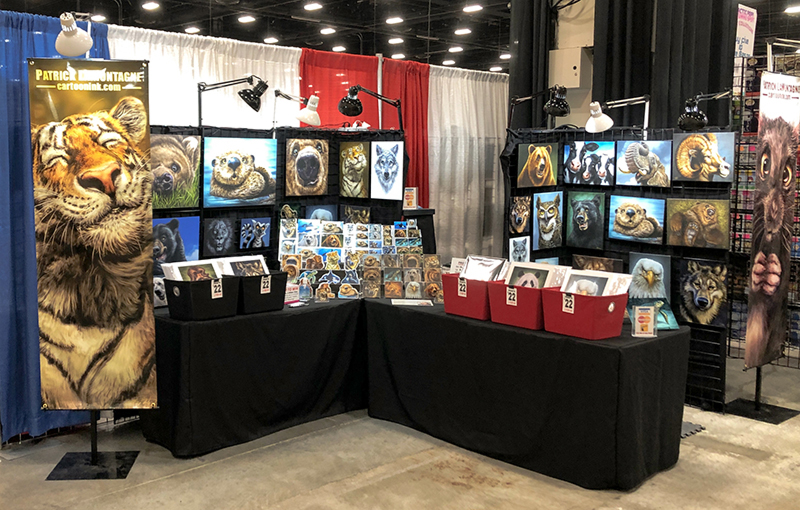 The one big show I look forward to each year is the Calgary Comic and Entertainment Expo at the end of April, five long days, including a full day for setup. So when the full event reemerged from its two-year pandemic hiatus, I was excited to return.
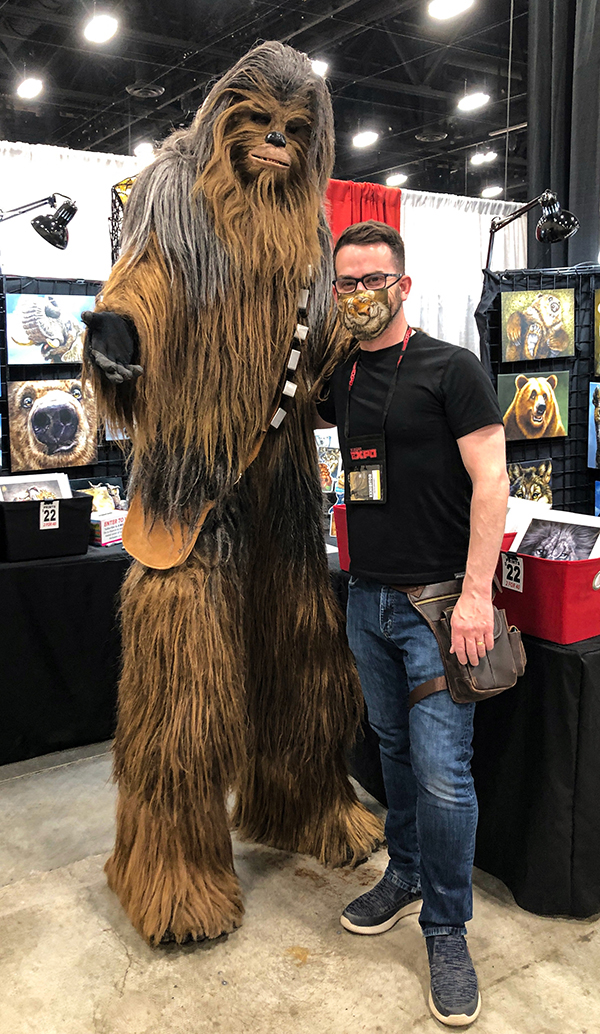 Not only was 2022 my best year of sales to date, but it was also great fun. I’m already looking forward to the 2023 event, though I’m tempering my expectations with a possible looming recession. Then again, I didn’t think this year would be good, and I was happily proven wrong.
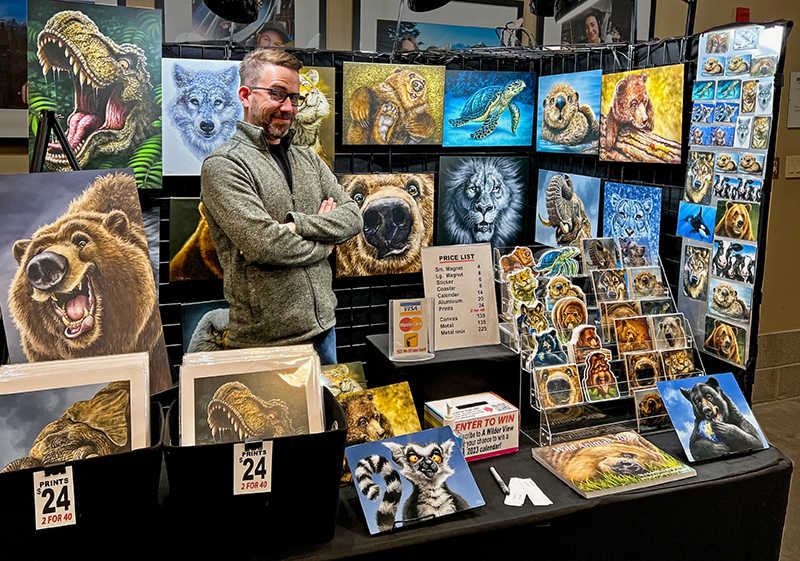 There were several Mountain Made Markets this year, with weekend events every month from May to December. Held indoors at the Canmore Civic Centre, it’s an easy setup close to home, so it’s worth my time.
Each market was profitable, and I enjoyed introducing new people to my work, meeting subscribers in person and visiting with customers, vendors and friends. Significant changes are coming for that event this year. Whether good or bad remains to be seen, but I hope to do more of them in 2023.
Licensing
If you’ve ever bought a face mask, magnet, coaster, or calendar from me, those come from Pacific Music & Art, just a handful of the many items they sell. I often hear from people who’ve bought a trivet in Banff, a coffee mug in Alaska, or an art card in Washington.
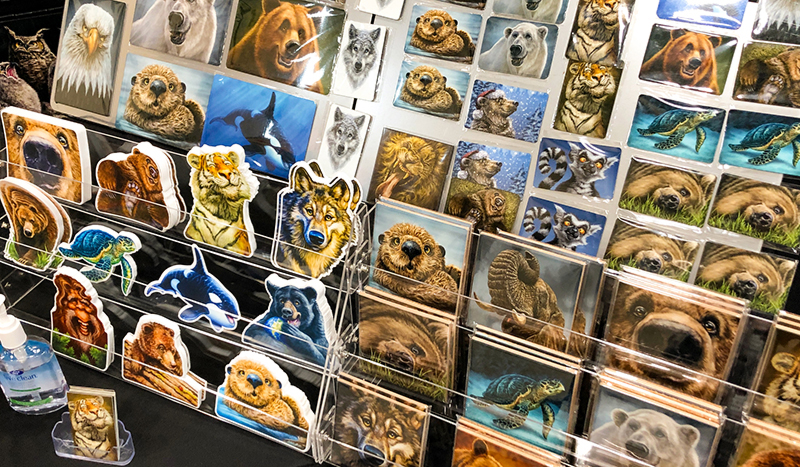 Licensing allows me to spend my time painting and still reach new markets and audiences. I signed a few new deals this year with Art Licensing International agency, a company that has represented my work for several years. Agencies might have many more contacts, but they take a big chunk of the royalties, so it’s a double-edged sword. I prefer to find most licenses on my own.
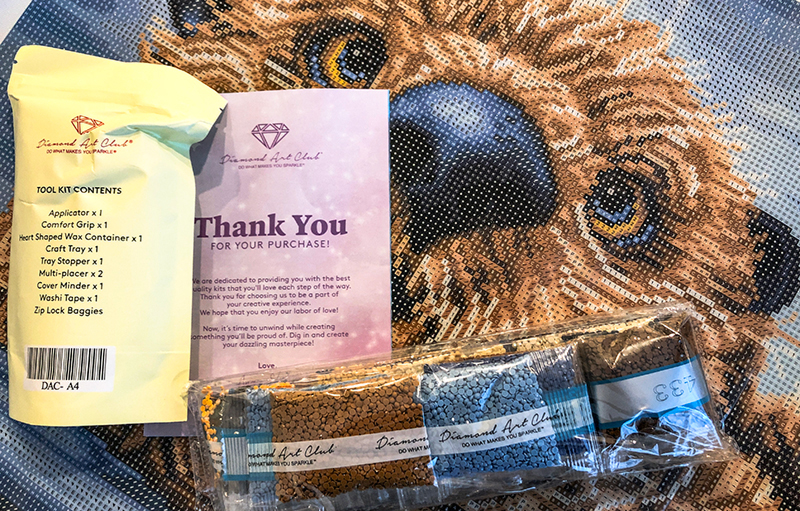 Sometimes companies cold call me. When Diamond Art Club contacted me about licensing my work, I had barely heard of diamond art kits.
Though there was a lead time of many months, the Otter kit finally launched this summer and sold out in days. Producing these kits involves more than simply printing the image on an item, so it took a few months for them to restock that first piece, but it’s again available on their site.
More diamond art kit designs are coming in 2023, but I’m not allowed to share which ones yet.
I signed a new contract last week for ten of my images with an overseas company for another product, but that, too, will be something I can’t share until the middle of next year. Licensing usually involves quite a bit of time between signing contracts and actual production, so it’s work now that pays later.
Come to think of it, that’s a good way of looking at commercial art in general. Every piece I paint is an investment in future revenue.
Special Projects
As I wrote about my latest commission earlier this week, here’s the link if you’d like to see and read about the pet portraits I painted this year.
Every year, I begin with great plans and expectations, but things go off the rails or new opportunities show up, and the whole year becomes a series of course corrections. All I can do for delayed projects important to me is try again.
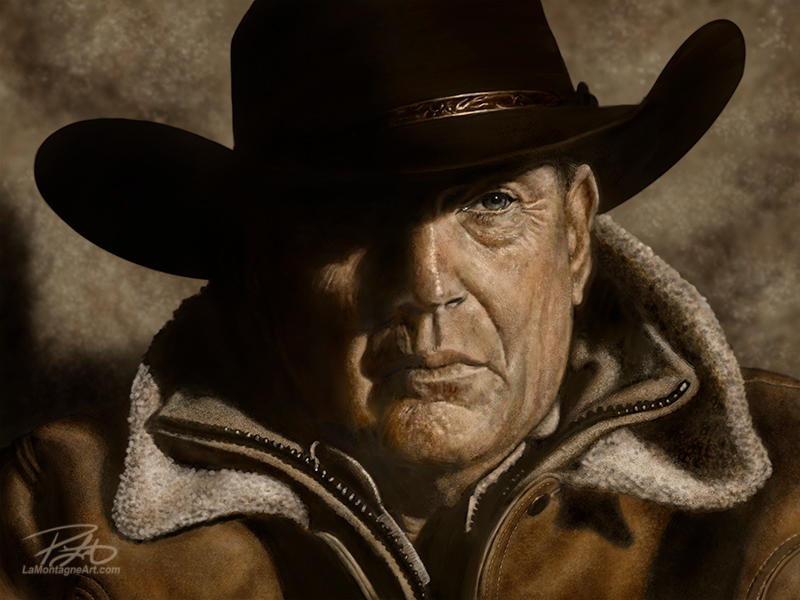
I tend to slip into a fall melancholy or winter depression most years. When it happens, I often throw my efforts into a personal project, usually painting a portrait of a screen character. I’ve painted several portraits of people, and many result in great stories to go with them. Here’s the John Dutton character painting I did last year.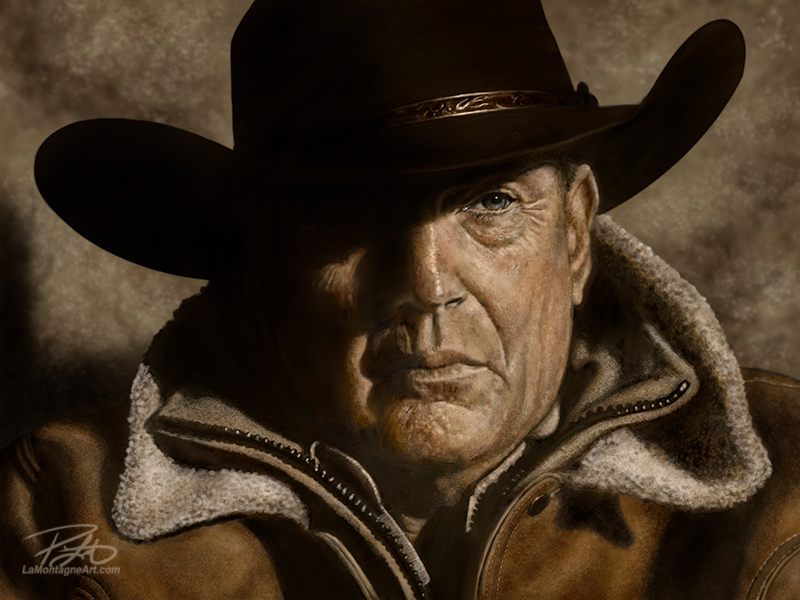 I realized earlier this month that I wouldn’t get to one this year, even though I had already chosen someone to paint. While disappointed, not having the time was likely due to the work I put into the markets, something I hadn’t done in previous years. However, my latest commission of Luna almost felt like a personal piece because I so enjoyed that painting.
I still had down days this fall, especially with our brutally cold November and December. But September and October were beautiful and right before the weather turned, I had a great cabin trip with my buddy, Darrel.
So the seasonal depression wasn’t as dark as it has been in recent years, and for that, I’m grateful.
The Personal
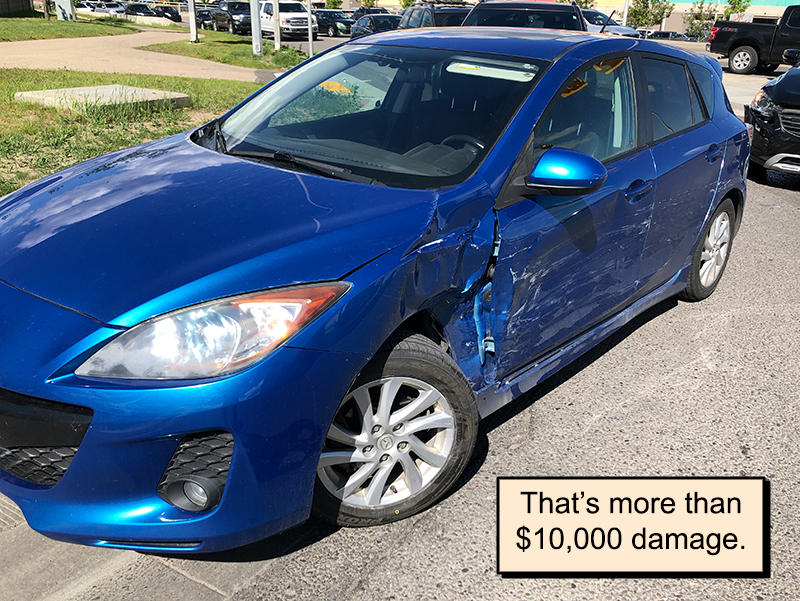 On a sunny June day in Calgary, a woman ran a red light and wrote off Shonna’s car. While we had no immediately apparent injuries, we’ve been sharing one vehicle ever since and likely will until sometime in the middle of next year. Unfortunately, everything we can find, used or new, is overpriced, and we’ve heard many stories of fraudulent car dealers adding extra fees and playing bait-and-switch games. As if the near criminal behaviour of our own insurance company wasn’t bad enough.
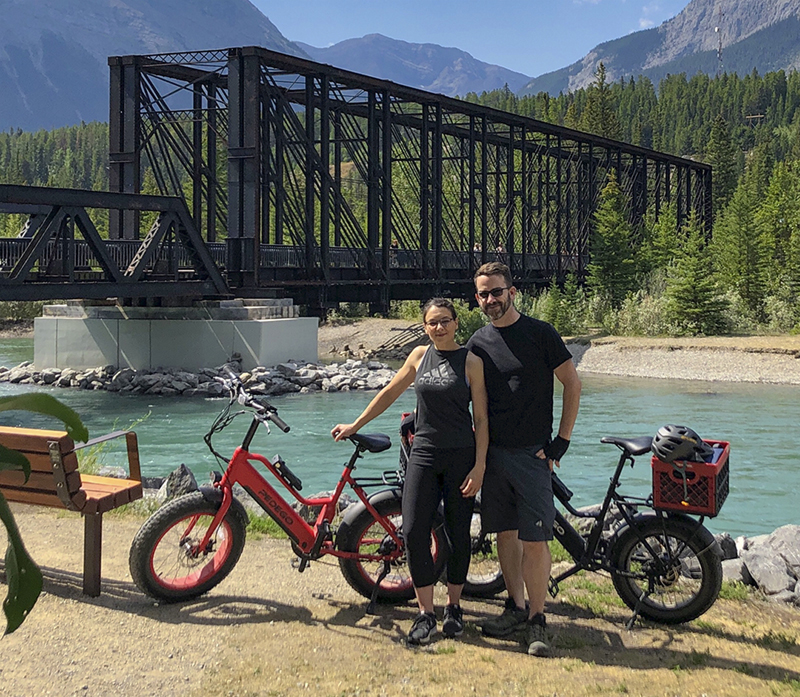 But we bought Pedego Element e-bikes and love them. Canmore is easier to get around by bike than car, and it has become a necessity since they brought in paid parking. So we were both disappointed when winter arrived with a vengeance in November, and we had to put them away. While we had planned to get studded tires and ride the bikes all winter, as many around here do, 20″ studded fat tires are just one more item on the long list of global supply problems.
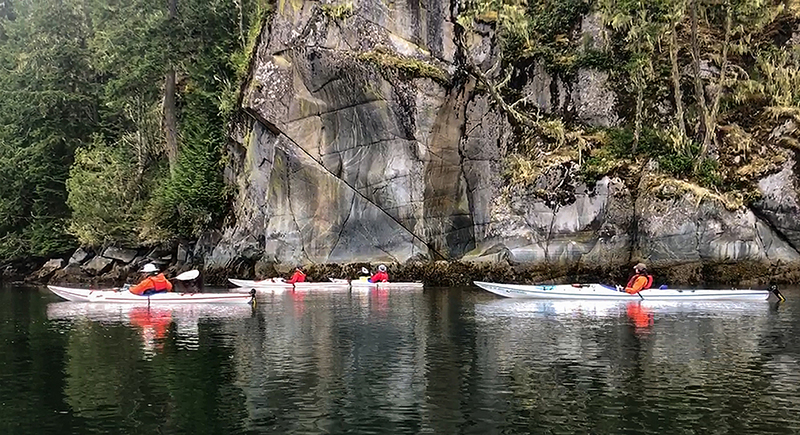 We had a wonderful vacation in August, glamping and kayaking for a week off northern Vancouver Island, a 25th-anniversary trip we had postponed at the beginning of the pandemic. It was one of the best adventures we’ve ever had.
I bought a silent acoustic guitar this year and began to play music again. It’s always within arm’s reach of my desk, and I’ve been playing it almost every day, sometimes for ten minutes, but most often for an hour or more. With regular practice, I’m a better musician now than I’ve ever been, and it’s a lot of fun, especially bringing it on a couple of cabin trips.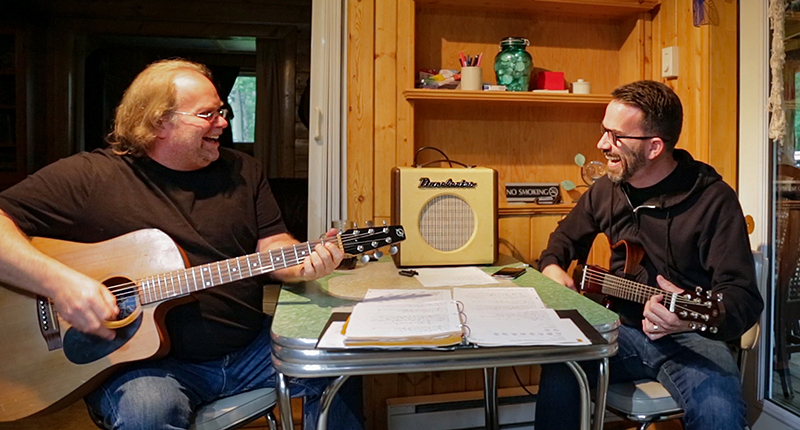 Best of all, there is no chance I will ever play guitar for a living. It’s a purely creative escape with no responsibility to pay my bills.
Painting
Including the two commissions, I completed nine full-resolution production pieces this year. I wanted to paint more.
Best I can figure, preparing for and attending the additional Mountain Made Markets this year ate up a lot of time and energy, especially on weekends when I do a lot of my painting. I still had to create the same number of editorial cartoons each week but sacrificed painting time. That’s valuable information to have when considering future markets and shows. While those might give me more opportunities to sell the work, they steal from time creating it.
I’ve put together another video to share this year’s painted work. Most of these are finished paintings, with a few works in progress.
Hundreds of new people subscribed to A Wilder View in 2022. My sincere thanks to you who’ve been with me for years and those who just joined the ride. Whatever challenges you face in the coming year, I hope the occasional funny-looking animal in your inbox gives you a smile and makes life a little bit easier, if only for a moment or two.
Good luck with whatever you work toward in 2023.
Happy New Year!
Patrick.

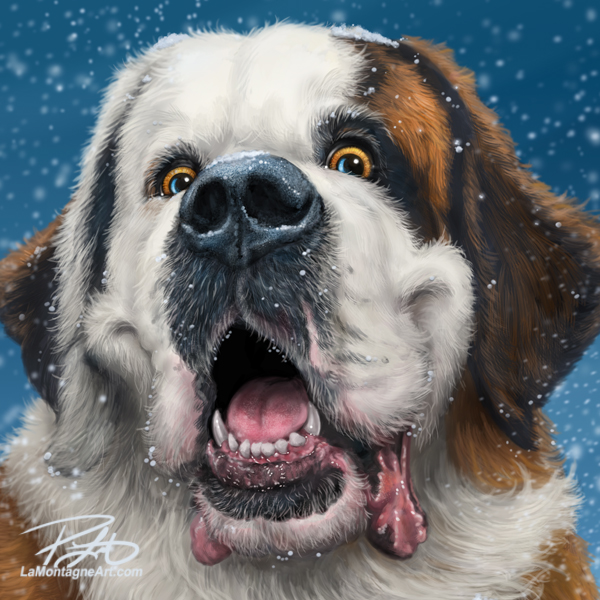
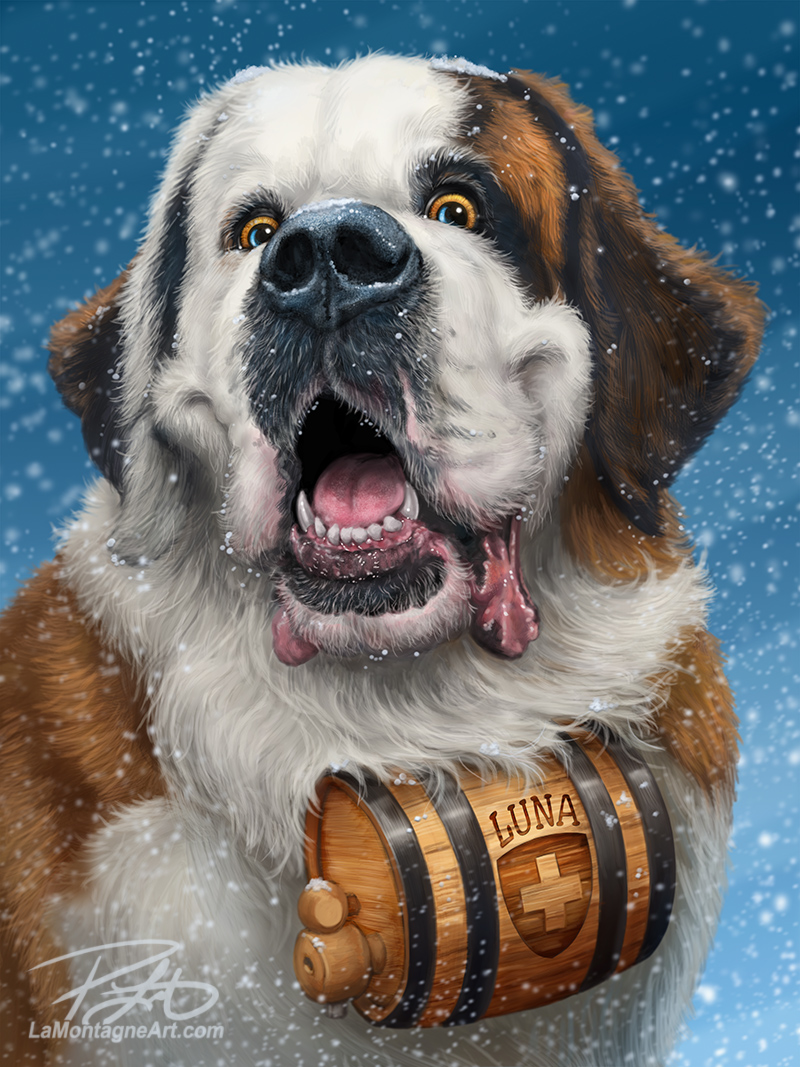 While commissions are a small part of my overall work and business, I’ve enjoyed the pet portraits I’ve painted over the years. All have been challenging, either the artwork or managing client expectations. Though I have my personal favourites, I’ve learned something valuable from each.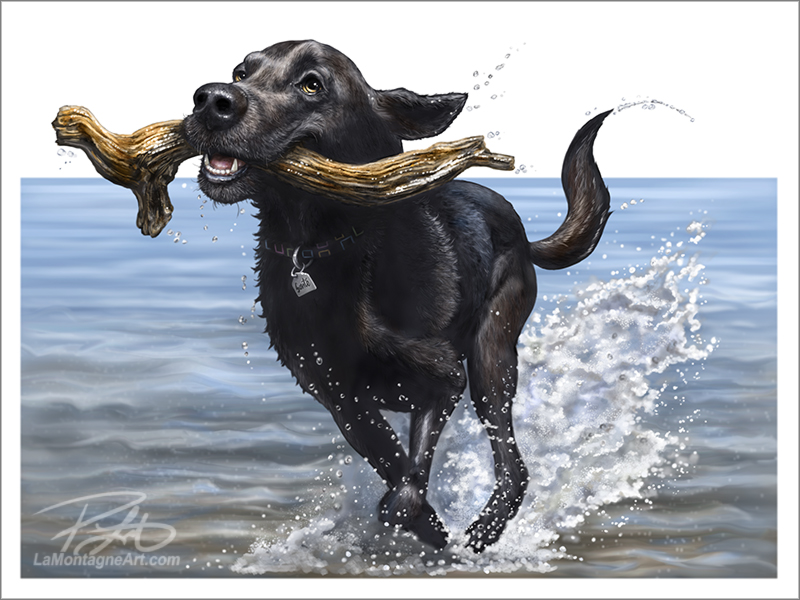
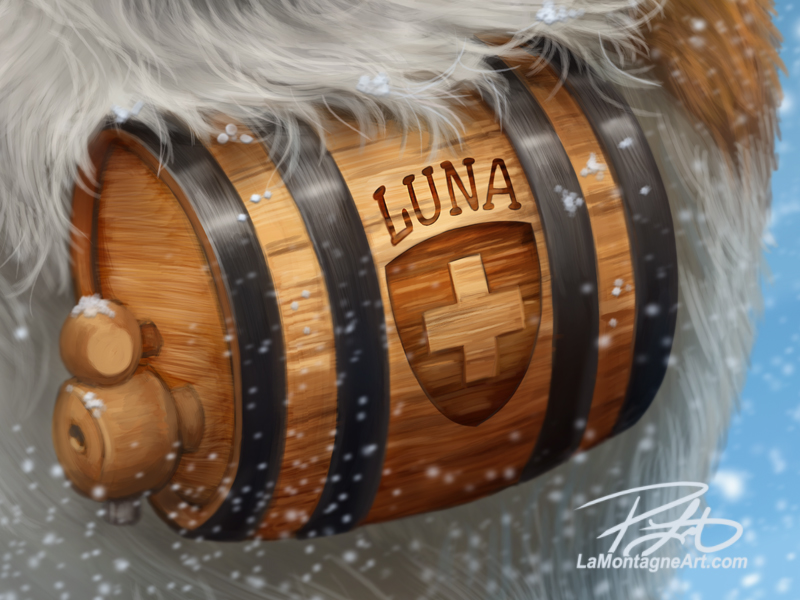 At the beginning of December, I sent him the finished piece for approval before it went to the printer. Of the options I offer, he had initially chosen an 18X24 canvas, and while that would have looked great, I talked him into going with the same size matte metal piece instead. With the bright, vibrant colours in this painting, I knew it would pop a lot more on metal.
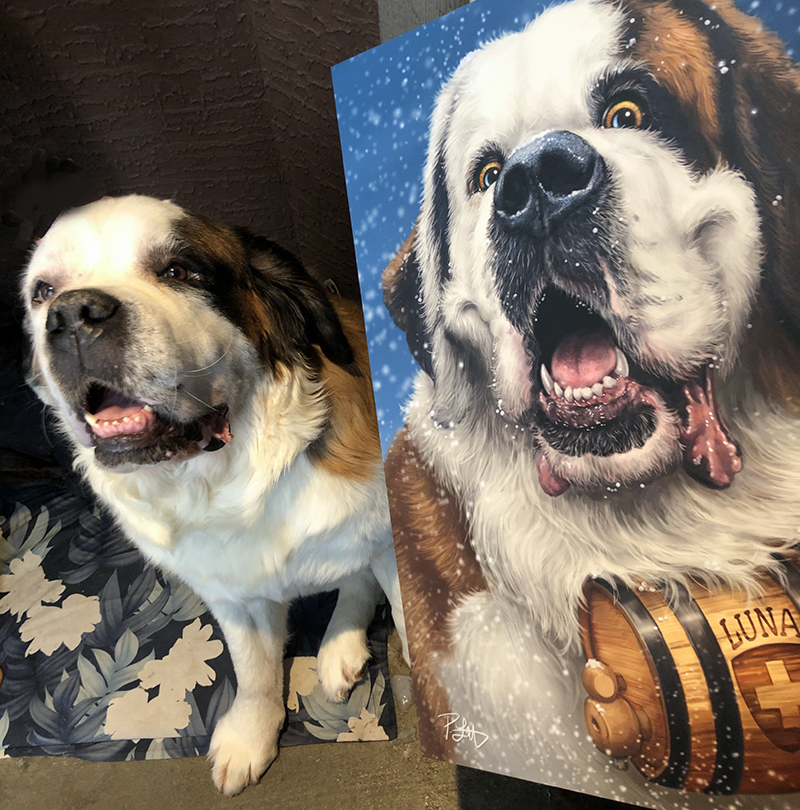 She’s exactly as you’d expect, a big slobbery friendly St. Bernard with the sweetest face and lovable eyes. I would have liked to have taken a better photo with her, but Jeremy and I met in their enclosed front porch, with Luna and her Newfoundland sister, Sally, between us. As they’re both BIG dogs, it was a little cramped, but Jen was home, so there was a risk of ruining the surprise.
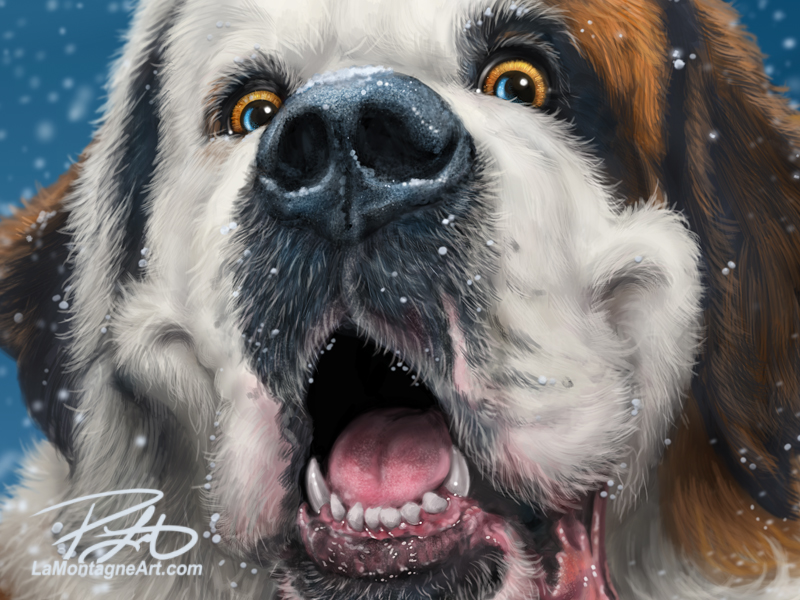 As for Jenny’s reaction, Jeremy sent me some pictures Christmas morning. Let me tell you, tears are the best compliment I ever get.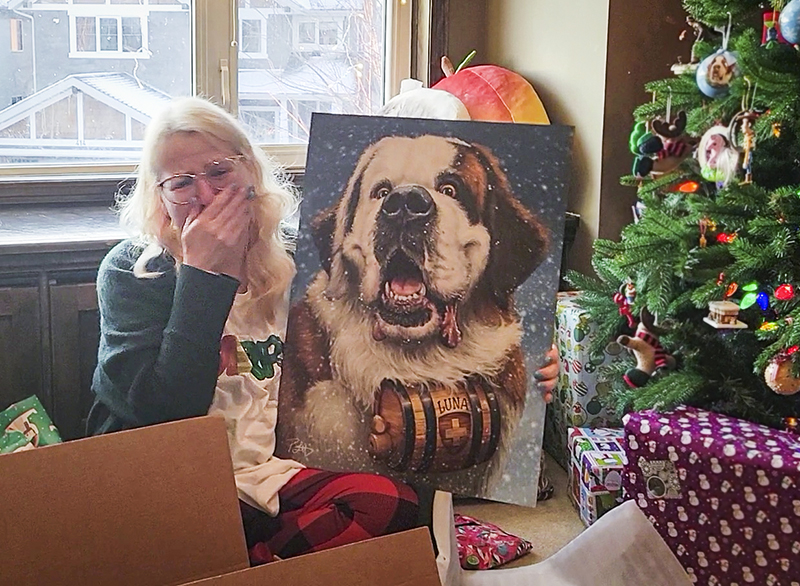

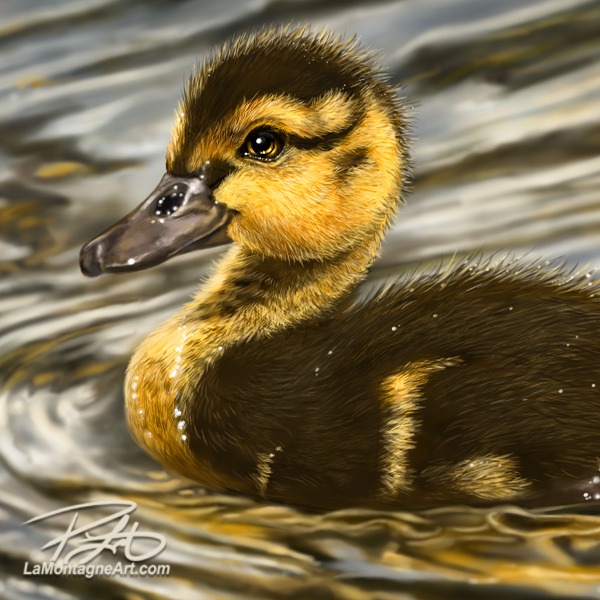
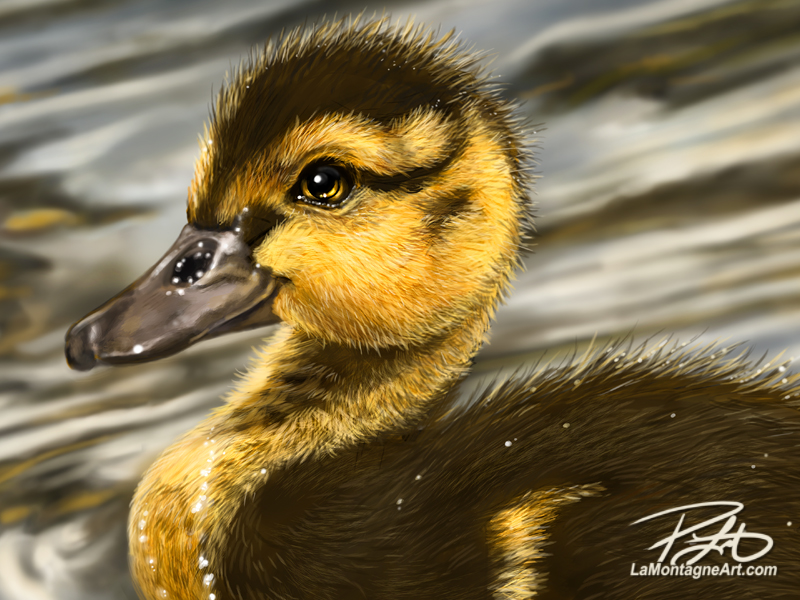
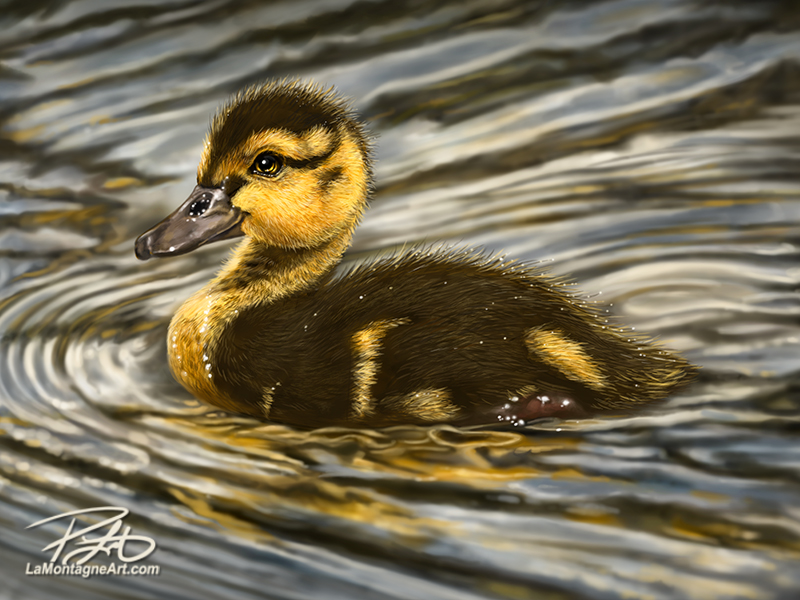 Here’s a little duckling I finished painting this morning. The duckling itself wasn’t difficult, but the water certainly was. Ironic that I began this year with a commission piece where water was also the hardest part of that painting. There will always be room for improvement in any artistic pursuit, so I welcome these unexpected challenges. The work might become boring without them.
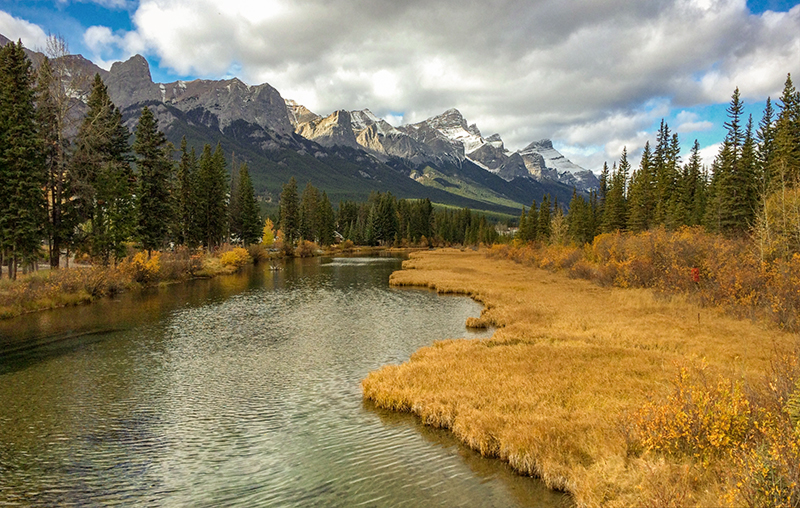 I took the reference for this painting four years ago from the boardwalk that winds through the Policeman’s Creek wetlands here in Canmore. Easily accessible for people of all fitness levels, it’s located in the middle of town and might as well be an urban park. It’s a pretty walk, a nice shortcut from where we live to downtown Canmore, and preferable to walking on the sidewalk of a busy street.
 The reason for fewer paintings is no mystery. Despite the dramatic decline in the newspaper industry, it’s still a big chunk of my income, and I’m unable to put off or set aside my daily editorial cartoon deadlines. As a result, those take priority every day and painting time is often sacrificed for the cartoons.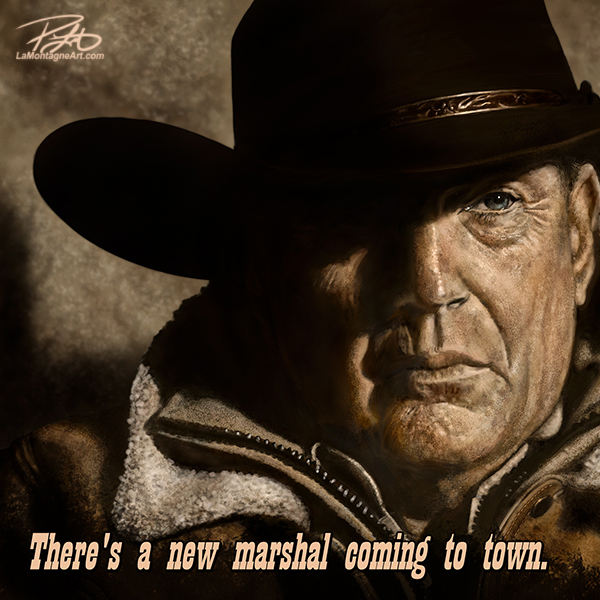
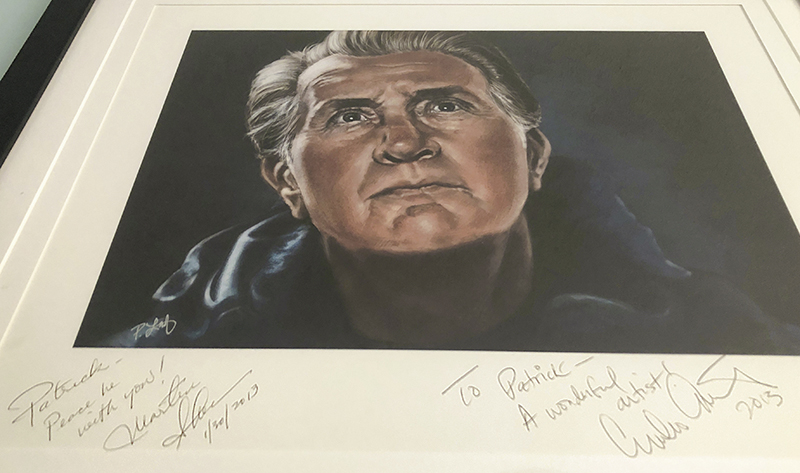 Another was when I painted Canadian astronaut Chris Hadfield while he was in command of the International Space Station. He saw
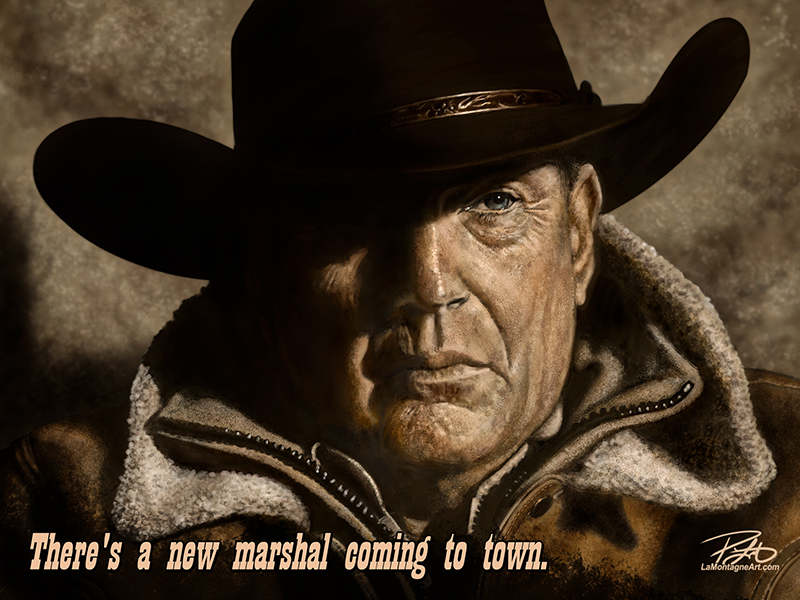 As it also made national news, and Yellowstone is a wildly popular show, I sent it out to my other papers this morning, in case there’s more interest in it. For context outside of Calgary, I added “Calgary Stampede:” before the caption for those other papers.
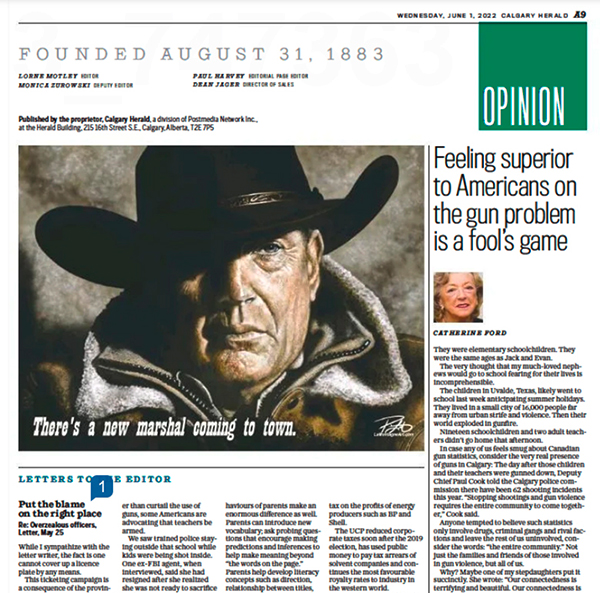 The Costner portrait file is 30” X 40” with a lot of detailed brushwork. To shrink it down and prepare it for newsprint, I had to boost the contrast, oversharpen it, and make other Photoshop adjustments to mitigate a poor result. So while I was happy to see it printed in the Calgary Herald (digital edition above), I couldn’t help but see all the flaws in the reproduction, even though I know that most people won’t notice or care.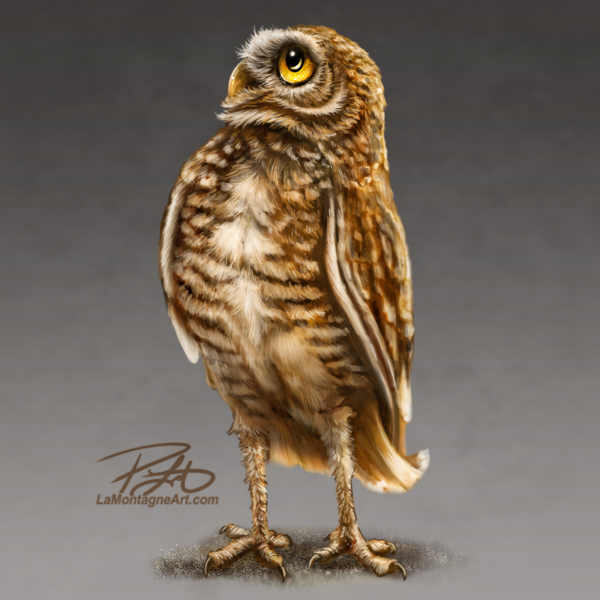
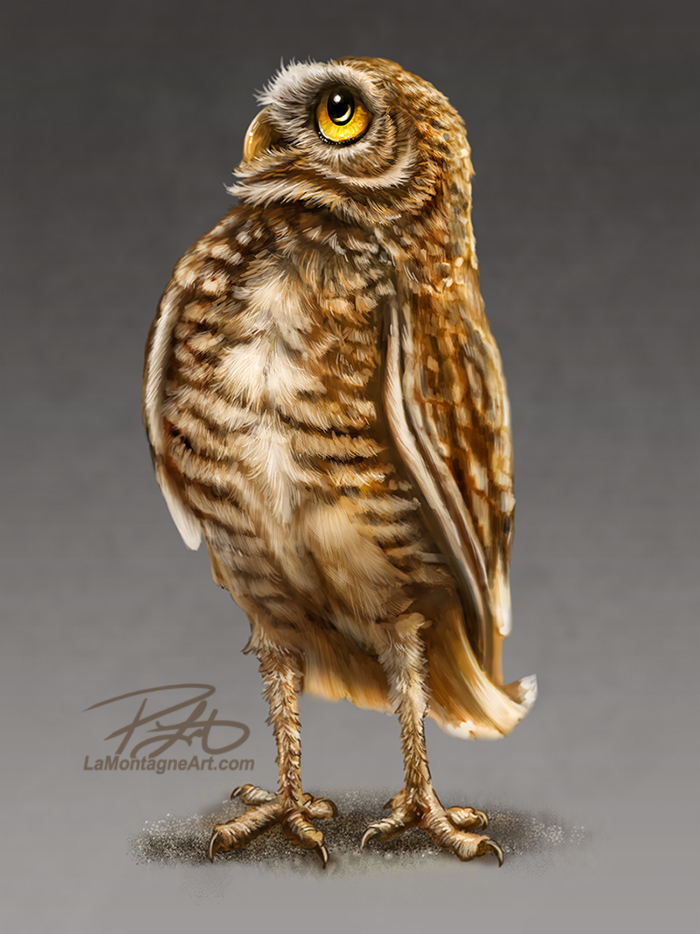 Here’s the fourth burrowing owl in the series, which will be part of a larger piece featuring multiple owls in different poses. I don’t know how many owls yet, and I only have a rough vision of it.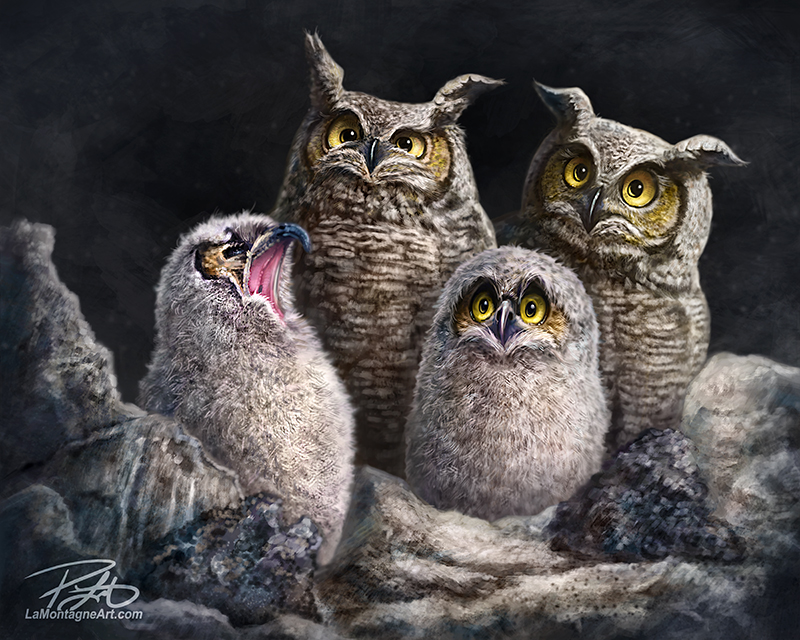
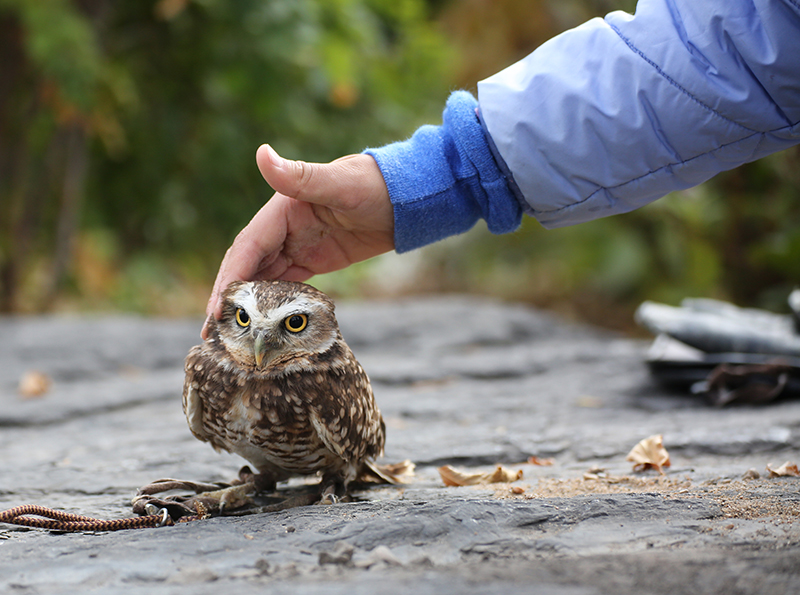
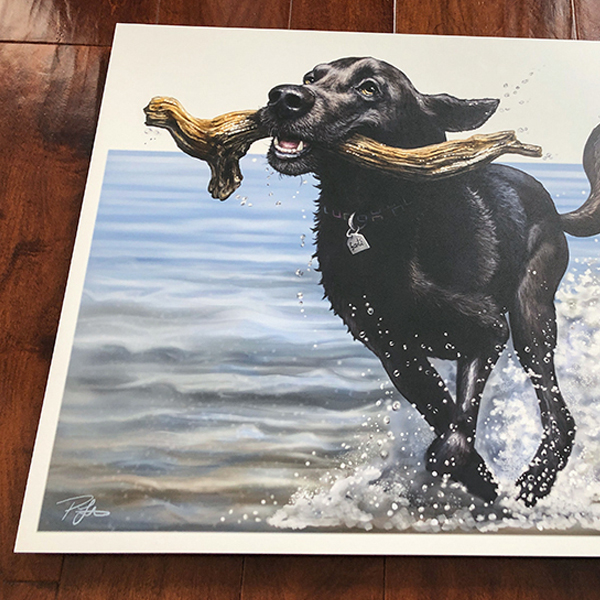
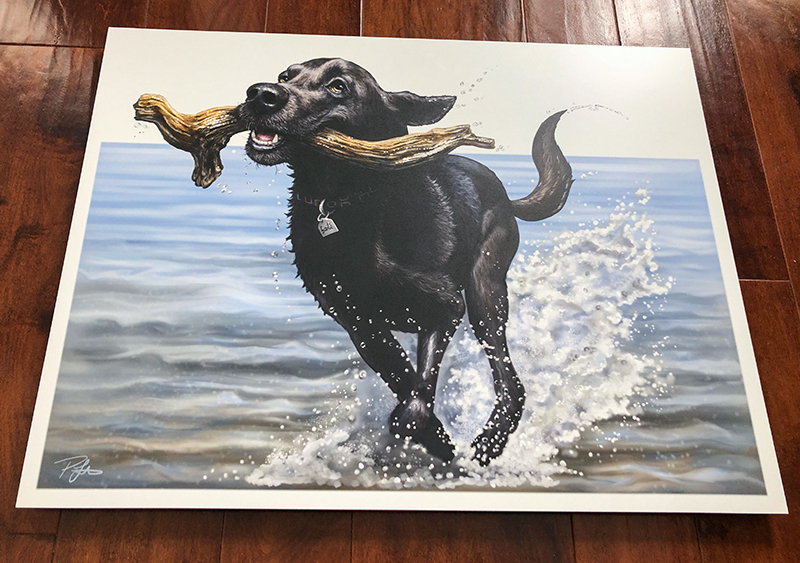 Last month, I finished what could easily be called my favourite
 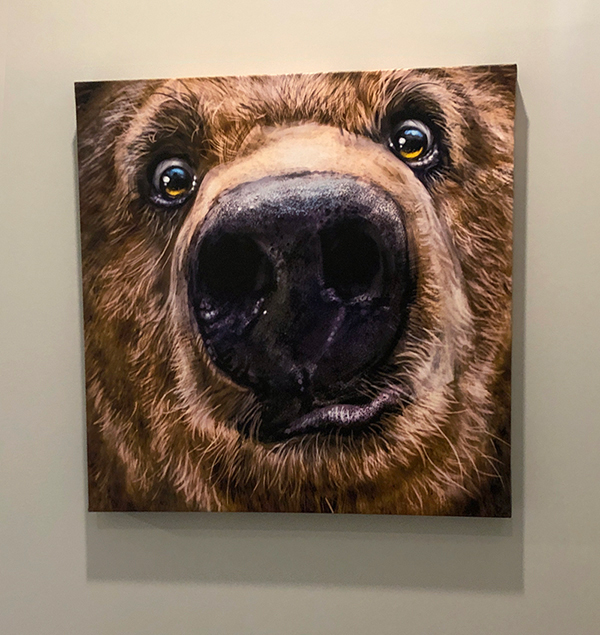 It’s always flattering to see my work in somebody’s home, especially a canvas of one of my personal favourites, my Berkley painting called “Peanuts.”
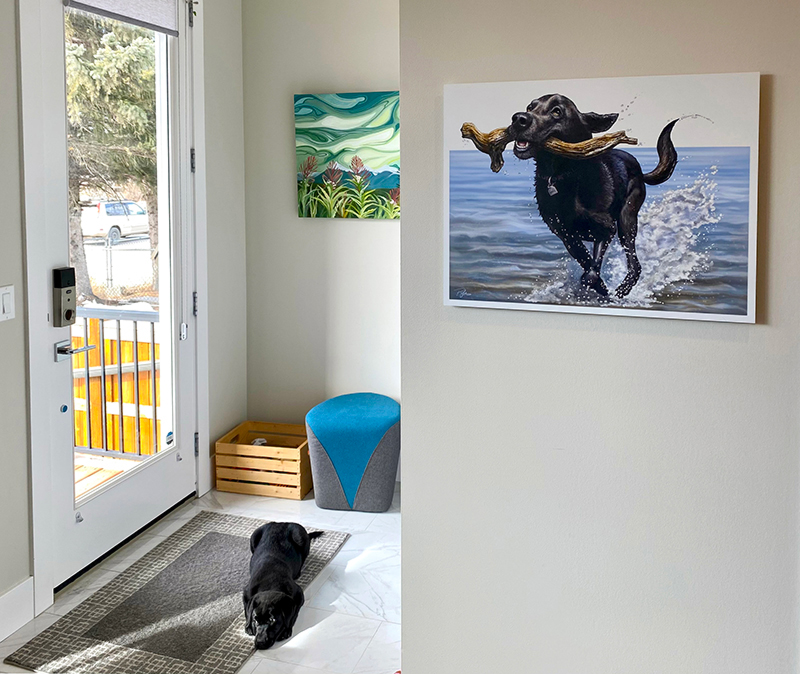
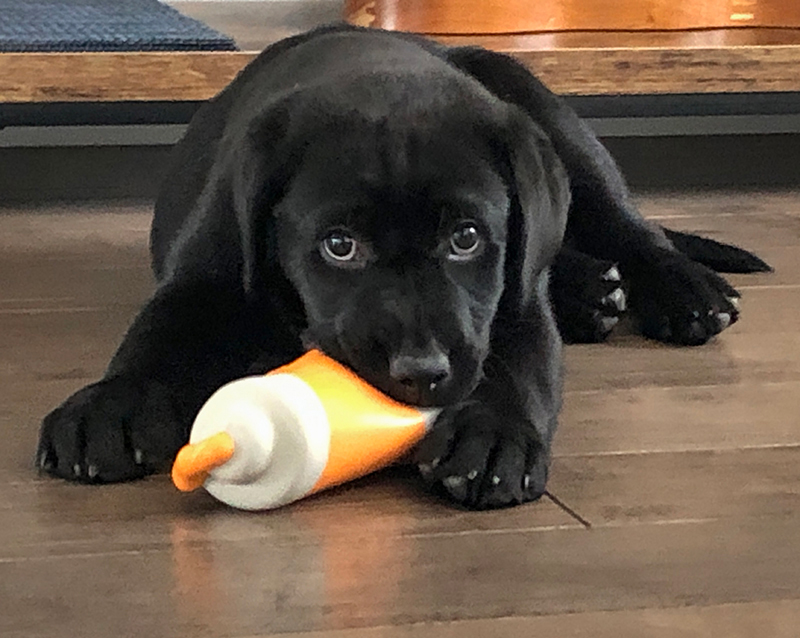 I got to meet Suzanne’s new little wonder, River, a black lab puppy, who is in that lovable, awkward, too small for her big paws stage.
 _____
_____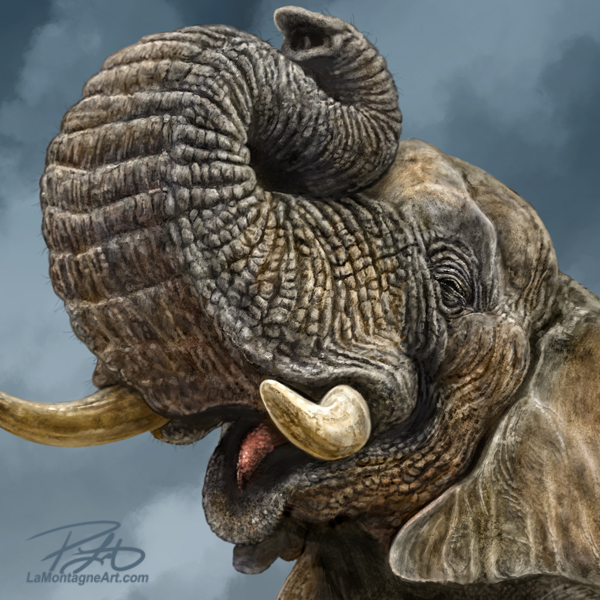
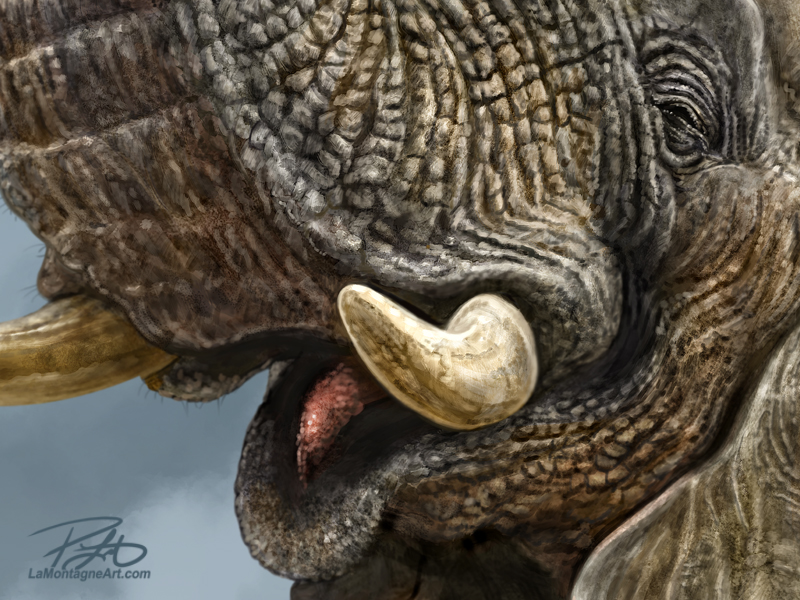
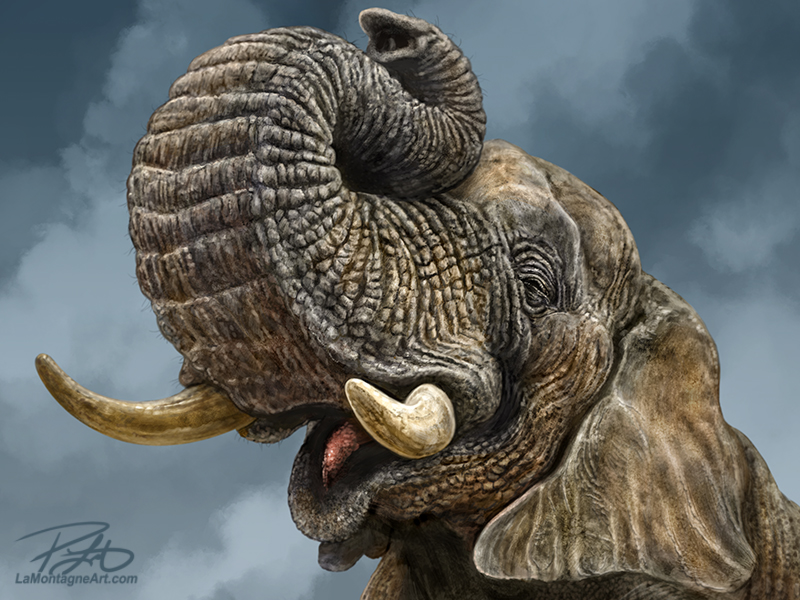 After more than two years of procrastinating, I finally finished this painting of an African elephant.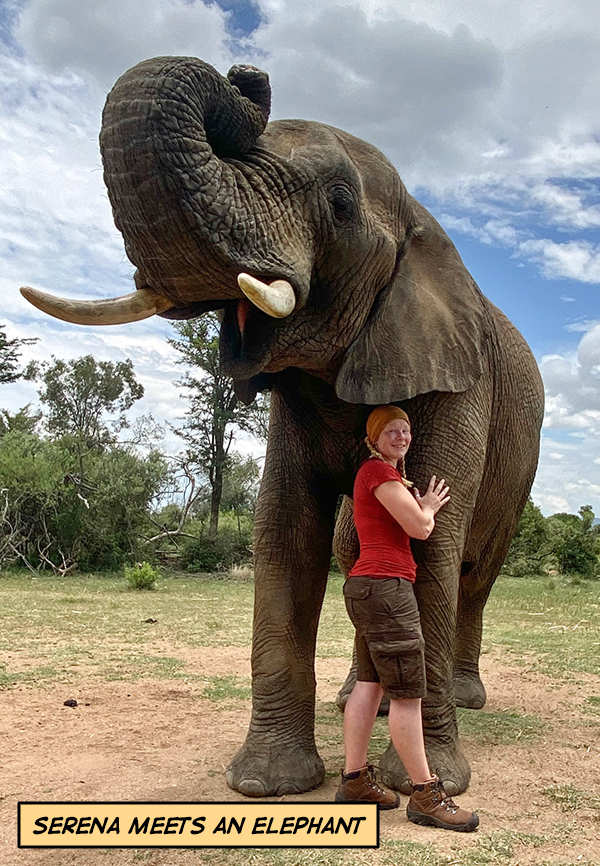
 Secondly, the full-size four-day
 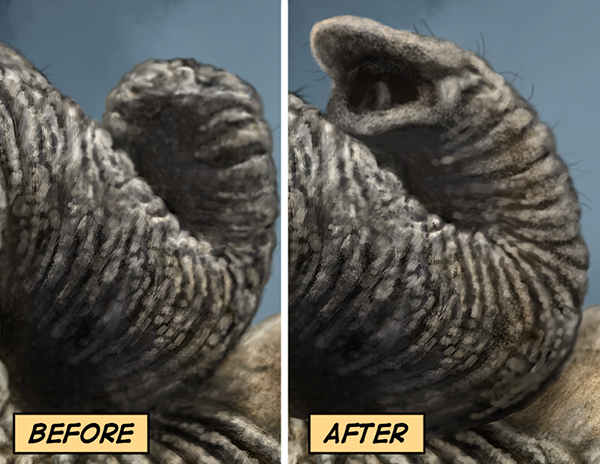 I sent a couple of changes to Serena, and she helped me get it right. She felt bad for having to tell me about it after I’d finished the painting, but I told her better than after I had bought dozens of prints, and coasters, trivets, magnets, and other licensed merchandise had gone into production.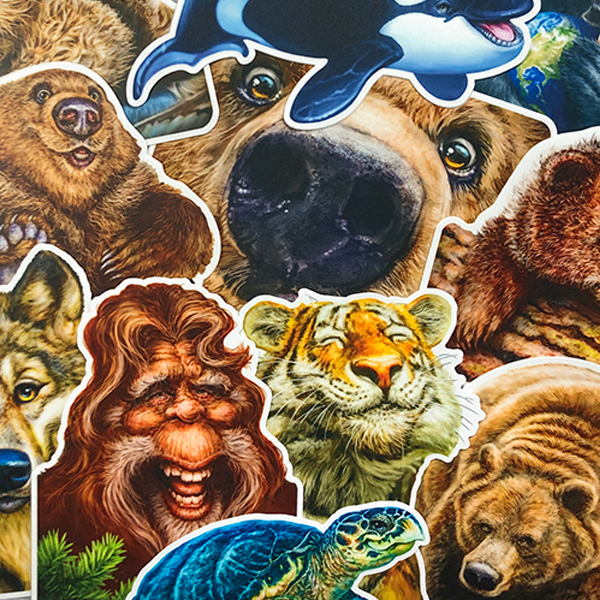
 When I first moved to Canmore in 2001, I worked for a sign shop for a few years. Every place I’ve worked taught me skills I’ve applied to my own business. From that job, I learned design techniques, colour theory and how to create vector art. I still use vector paths and Bezier curves for clean ink lines in my editorial cartoons, a skill I learned at Canmore Sign Co.
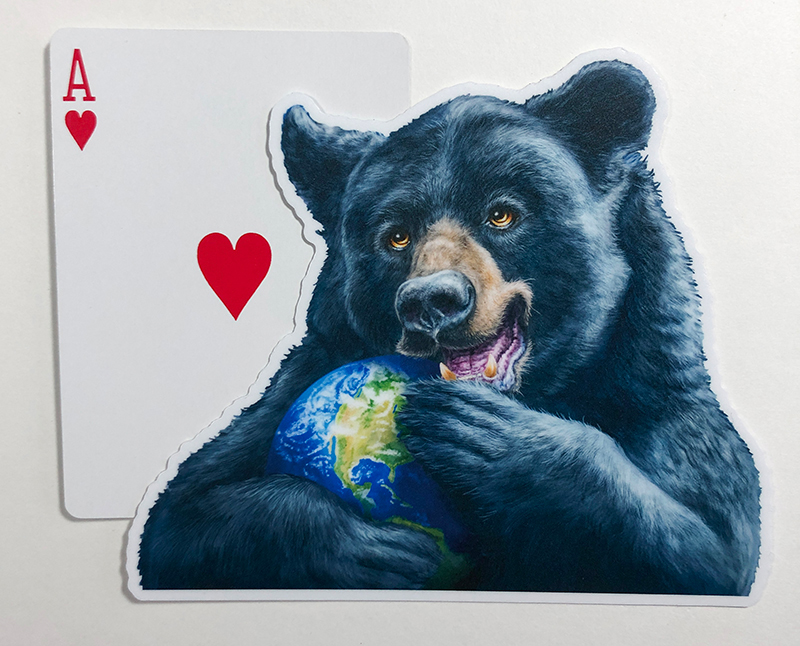 These are larger die-cut stickers than you will generally find, each around 4” X 5”. I didn’t want to shrink them down and lose the personality for which my whimsical critters are known. I also wanted people to have the option of putting them on vehicle windows, so they’re made from long-lasting, weather-resistant, high-quality vinyl. Finally, I chose a matte finish over glossy for better visibility in changing light.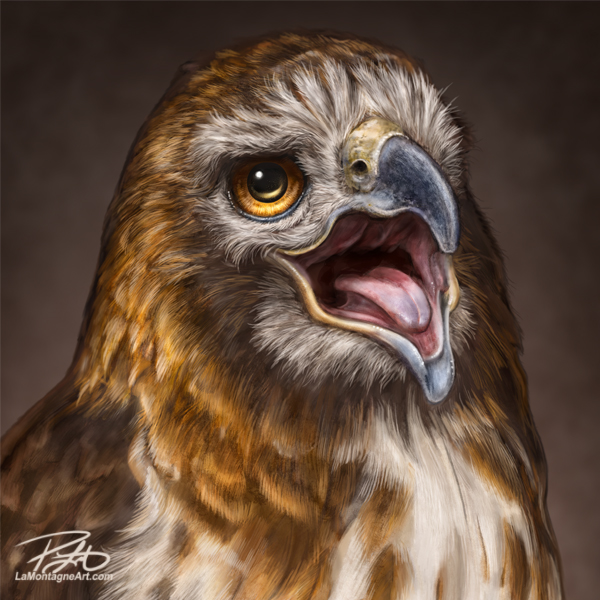
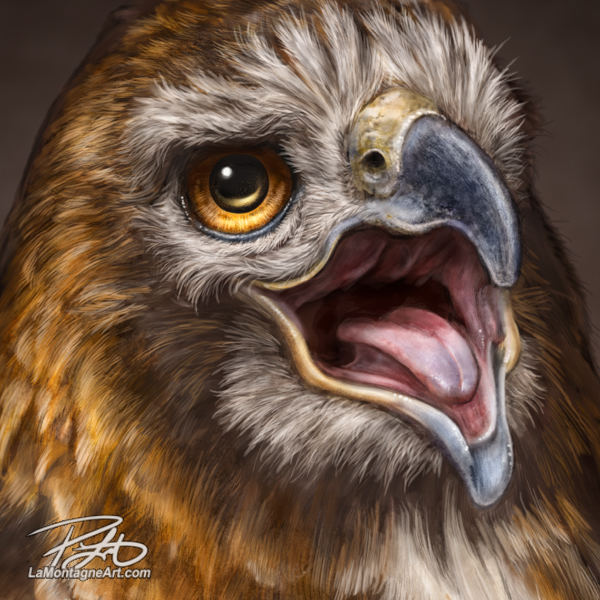
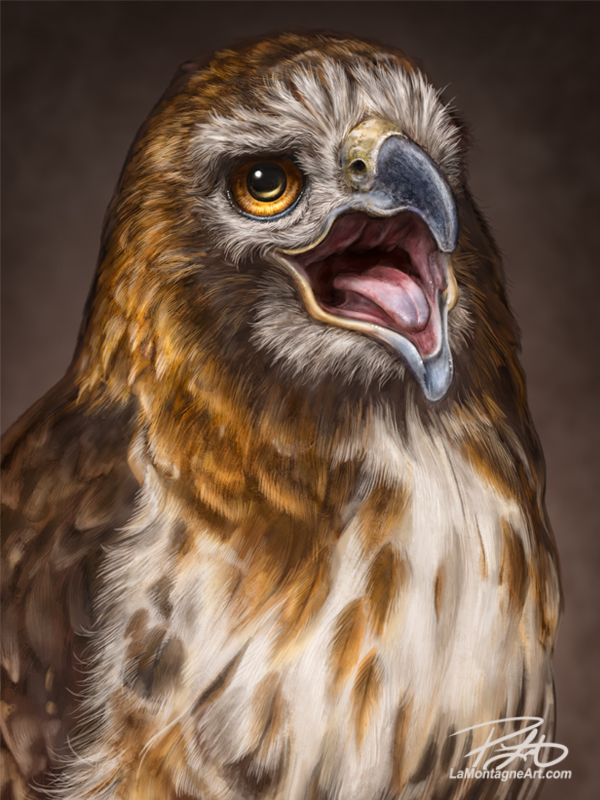 I’ve wanted to paint a Red-tailed Hawk for quite some time but could never seem to find the right reference. Though a common bird, my sightings in the wild have often been a comedy of bad timing.