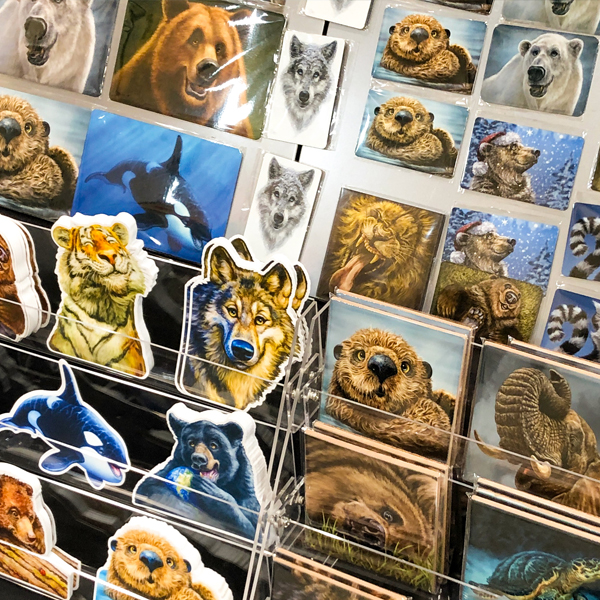
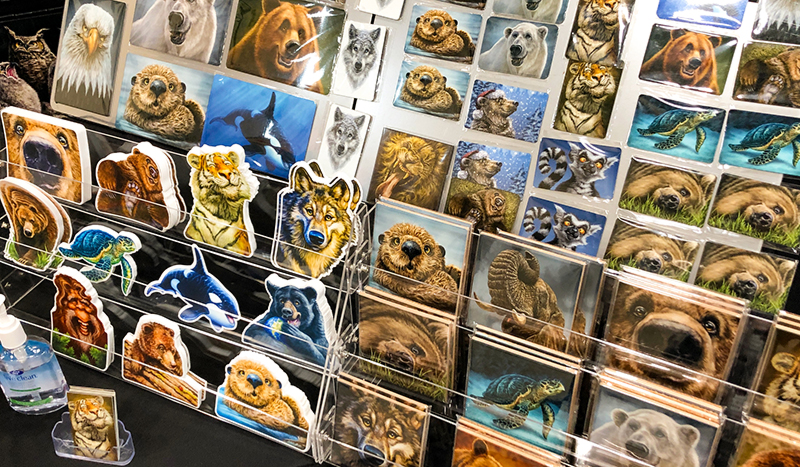
 I’ve had some great Calgary Expo experiences over the years, but this one is certainly at the top. I didn’t realize how much I missed people, especially these people. When I mentioned that to my buddy Darrel in a recent text, he replied, “you’re alone too much.”
No argument there. It’s not good for the psyche, as many of us have discovered these past two years.
From the first afternoon on Thursday to the last on Sunday, reconnecting with familiar faces, repeat customers and introducing my work to new people was terrific. I had forgotten how much fun it was, and I get a kick out of the reactions when some people see my work for the first time.
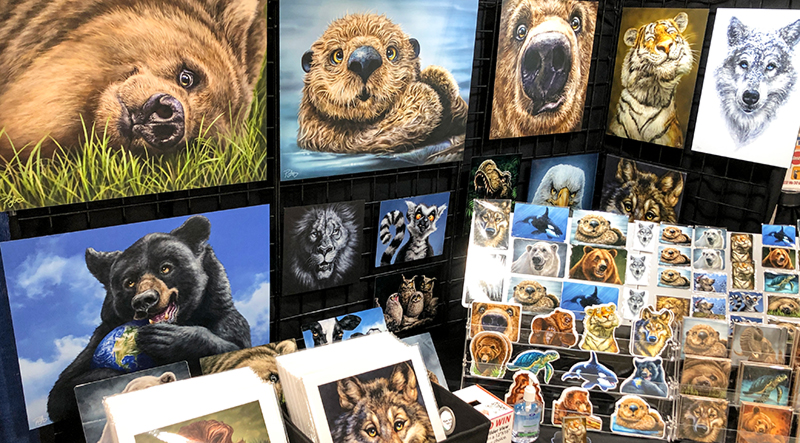 As I’ve written before, it is human nature to smile in response to a smile, so when people run into a couple of walls and tables full of smiling animals, those people smile, laugh, and say things like “ohmygawd, they’re so cuuuuuuuuute!”
I heard that a lot this weekend. It was like a drug.
The compliments are nice, and I say Thank You. Of course, the sales are important, that’s why I’m there. But making people smile, seeing them light up at the unusual nature of my work, I wish I could bottle that. It would come in handy on far too many days when I am working alone in my office, convinced the world has gone to hell in a handcart.
There have been a lot of those days recently for all of us.
I went into this event with realistic expectations. I wasn’t sure if people would buy much or what the mood would be, but it surprised me that it felt like a regular Expo. People were happy to be out and having a good time, and it was very busy, which I’ll admit was a little uncomfortable at times, considering what we’ve all been through.
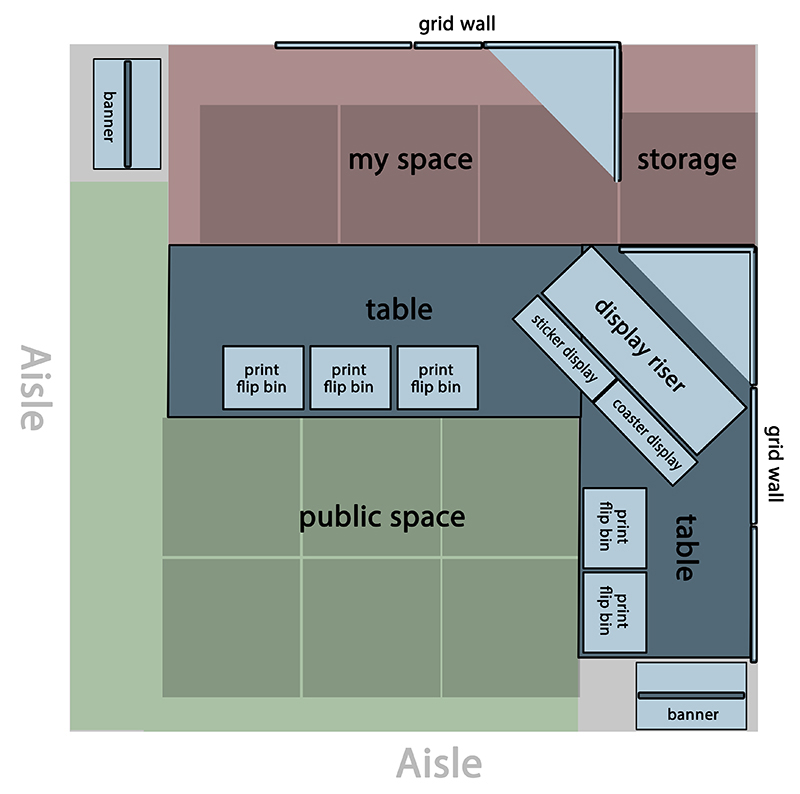
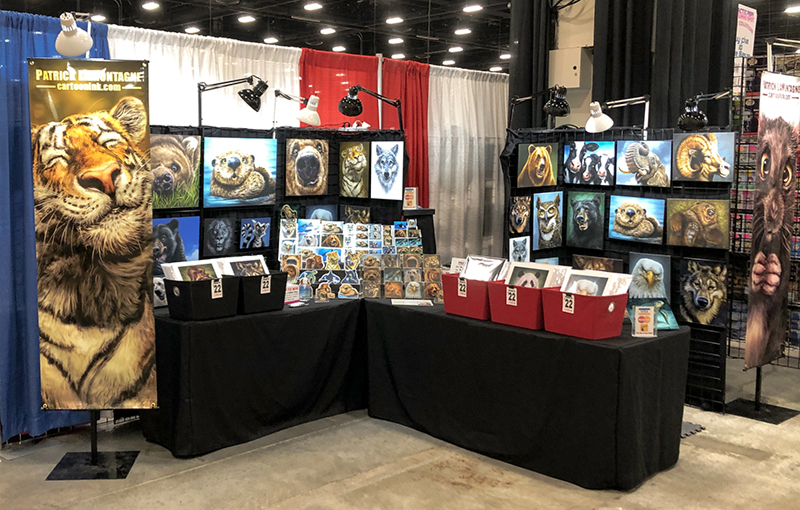 I had a fantastic location, and because I was next to a pillar, with no booth beside me, I could stretch out a little, which made the layout even better. I had good neighbours, which always makes the show better, but I don’t remember ever having bad ones at this event. Best of all, not a political or contentious discussion or experience all weekend long, which was incredibly refreshing.
I’m bad with names, but I’m excellent with faces, likely a consequence of this visual profession. I recognized a lot of former customers two and three years later, which surprised many of them.
2019 had been my best year, but I exceeded that year’s sales on every day except for Sunday, and that one was close. But for the whole show, this is now my best year, and I’m thrilled.
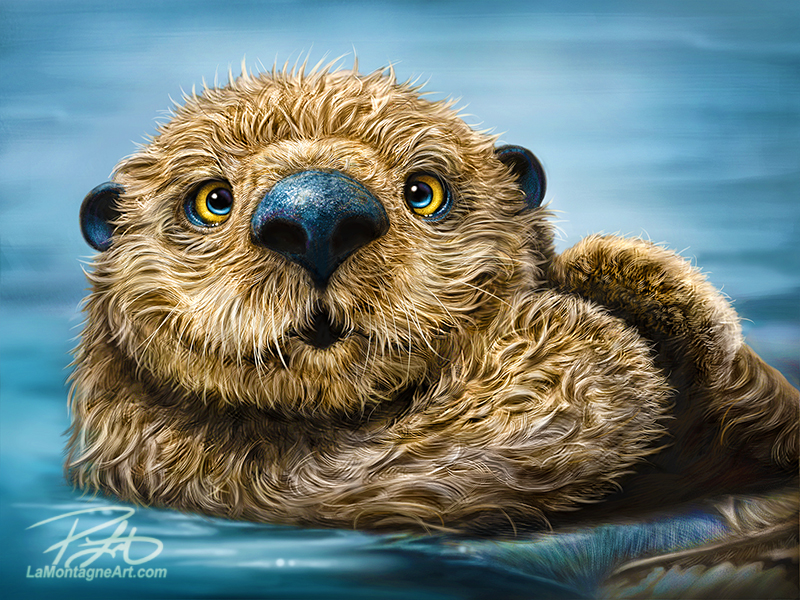
Talking with people in person, seeing their reactions, and what they buy gives me a better idea of which paintings are popular. I brought a lot of the Smiling Tiger and Otter, but they sold out. That’s always welcome, of course, but not a surprise.
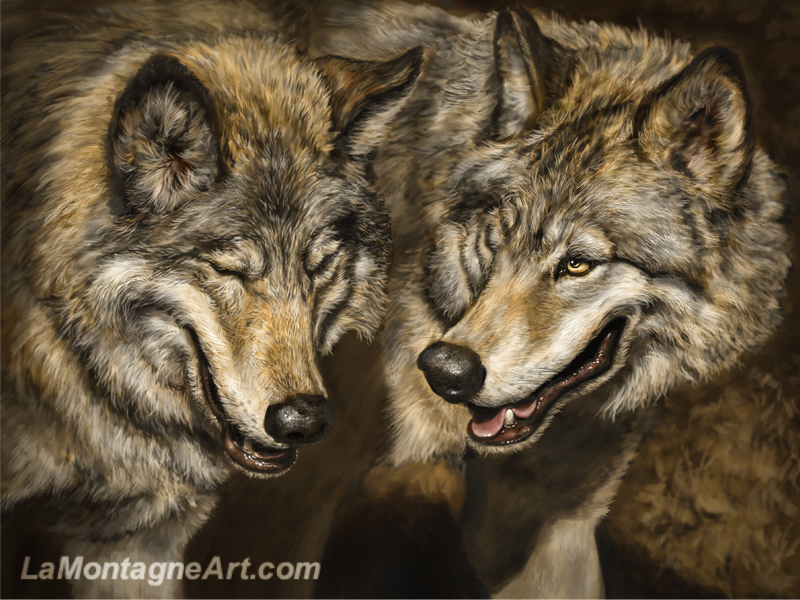
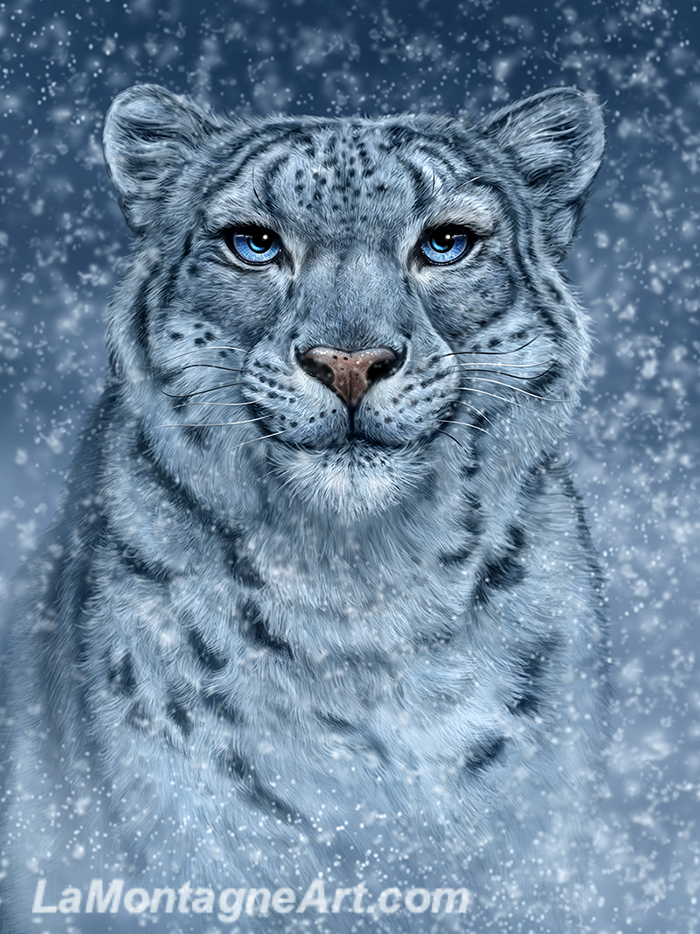
Of the newer paintings, I can now consider Winter Wolf, Sea Turtle and Grizzly on Grass to be bestsellers. Though I brought plenty with me, I also sold out of those at the show, and I’ll know to bring more next time. I still have some of each here at home, but I can only carry so many.
Here are a few stand-out highlights.
Need a Break?
A big THANK YOU to two couples who were incredibly generous. They’re some of my biggest collectors and supporters for several years now, both at this show and throughout the year, and I enjoy visiting with them. They each had four-day passes, so I saw them all weekend long.
While I thought that having my booth next to the bathrooms would be convenient, the map didn’t specify that both of those bathrooms were for women. The men’s bathrooms were both five aisles away in opposite directions. Who designed this place?!
So Will and Jaime volunteered to watch my booth a few times during the weekend, they brought me soft drinks from their hotel one day, and Will even tried to act like a carnival barker to boost sales, which was damn funny.
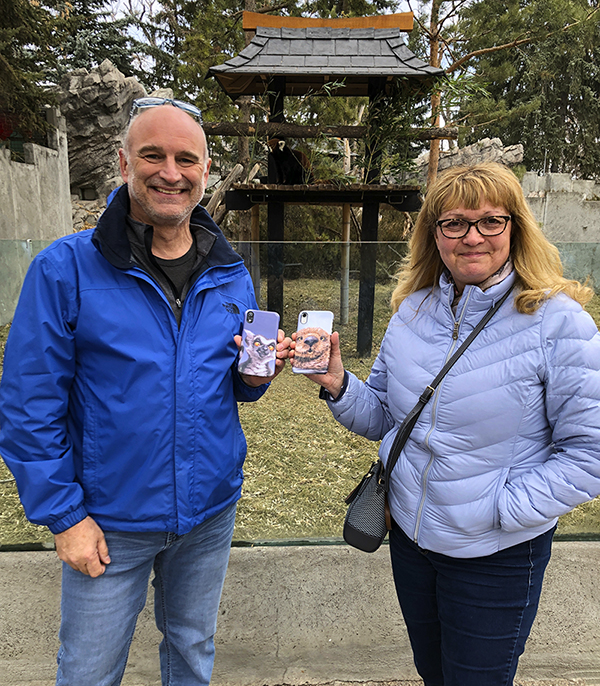 Sheldon and Tracy are the folks I spent the afternoon with at the zoo and wrote about in a recent post. They watched my booth a few times, chatted with me when it was slow, and stopped by often to check if I needed anything. At one point, Sheldon flipped through my bin of prints and said he felt like he was going through hockey cards. “got it, got it, got it, need it, got it, got it,…”
These customers have become friends, and I was grateful for their kind consideration and help.
I could recite a list of names of all of the people I’ve come to know at this event over the years, but I would likely forget and offend somebody. So, if some of you are reading this, hopefully I let you know in person how much I enjoyed seeing you again.
Have You Got an Elephant Yet?
Remember the guy who comes back every year and asks if I have an elephant painting? You can read about that in a previous post. I was worried he might not be there this year, but Aric was my first customer on Thursday! He asked the question, and I was able to answer, “Why yes! Yes, I do!” and showed him the elephant hanging behind me.
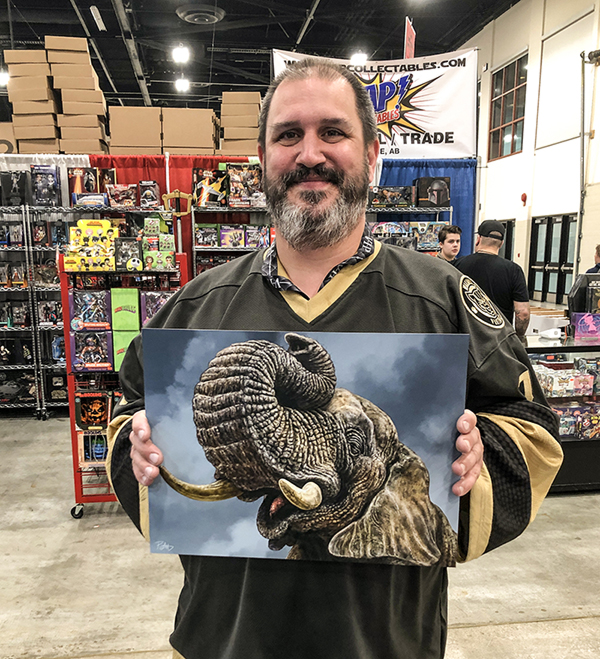 That was the perfect start to the event because not only did he love the painting, he bought the 12”X16” metal print for his wife’s birthday. He assured me I could talk about it here, and I wouldn’t likely ruin the surprise. I had brought two of those metal prints with me this weekend, just in case he bought one, so I’d still have another for the wall.
What a Wookiee!
Before I became a full-time artist in 2006, my last job was as an Admin Assistant for a physiotherapist here in Canmore. These days, Ascent Physical Therapy is bigger and in a new location, with multiple therapists and clinicians. At the time, however, it was a small clinic, just two of us working there with an occasional massage therapist using one of the rooms.
I often describe Shane as the ‘best last boss to have.’ He knew that I wanted to work for myself and was very supportive. When I realized I couldn’t take my business to the next level without leaving, I gave him plenty of notice, but he suggested I job share with somebody else so that I could go part-time to make it easier and train the new person at the same time. That worked great for several months, but eventually, I gave notice again, as did the other part-timer who found a full-time job elsewhere. Shane hired somebody to replace us, and she stayed with him for several years. It was about as smooth and painless a transition as we could have wanted.
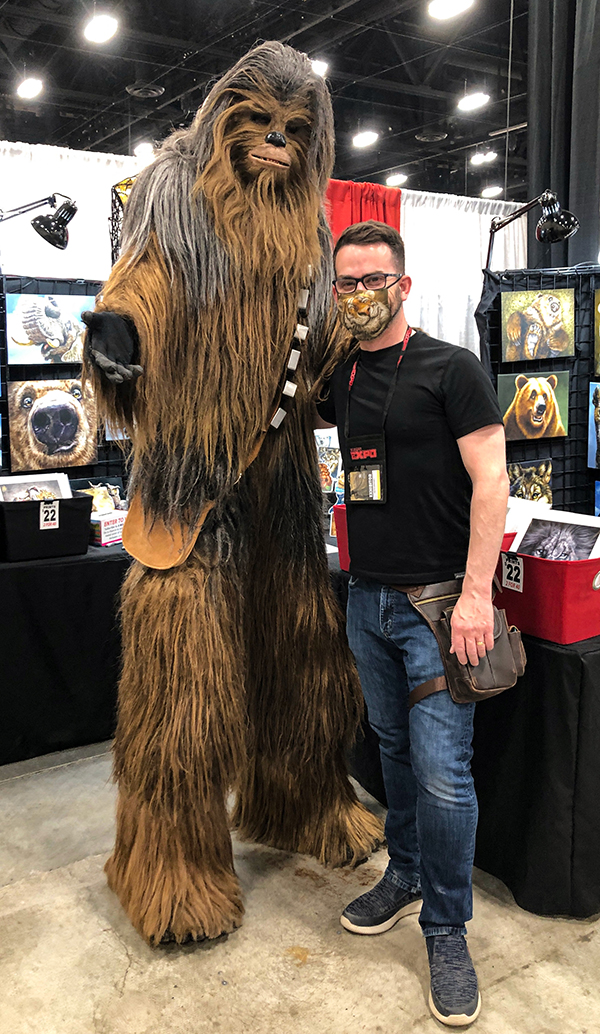 Several years ago, Shane created this Chewbacca costume from scratch. It is truly a masterpiece and looks movie-quality. It has an electronic voice box for the growls, stilts for the height and is a highlight of the show for many people, especially kids. Every year, he comes to Expo with this outfit and has even added a C3PO backpiece from the Empire Strikes Back.
Now he’s part of the charitable fan organization, the 501st Legion, and Shane makes a circuit several times during the show with security escorts so that people can take pictures with him. He walked by my booth multiple times but obviously couldn’t stay long as he was mobbed for photos. However, Shane returned one morning without the costume to visit, and it’s always great to see him there.
There Once Was a Bear and a Rat.
Finally, I’d like to share a couple of gifts I received that I’m happy to display in my office.
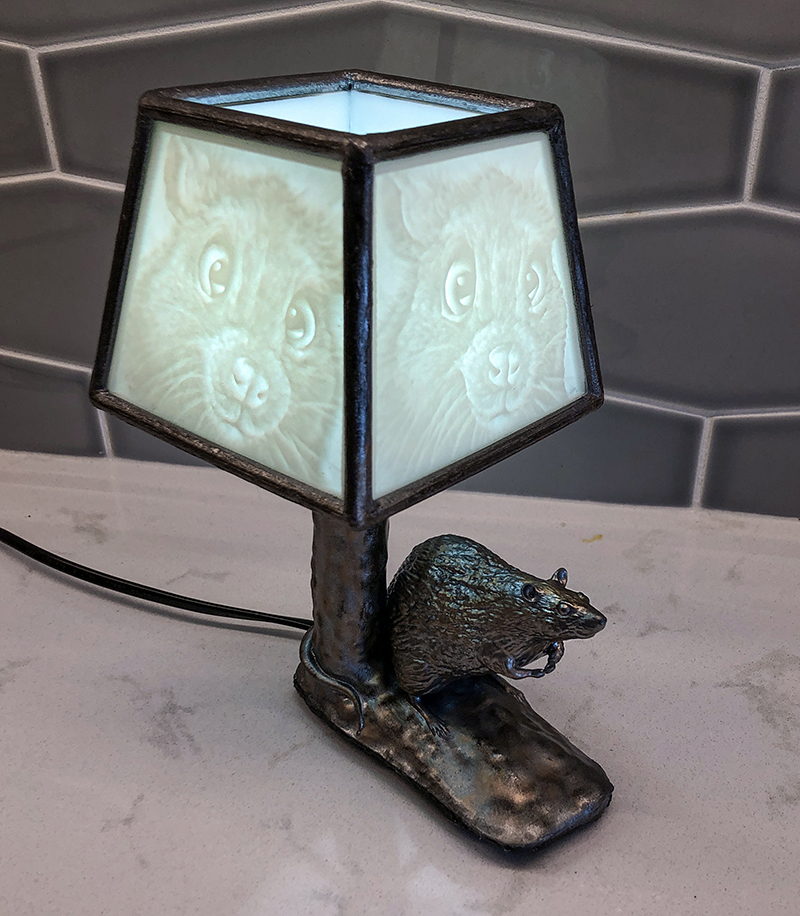
At the 2019 show, Matthew Overbeck came by the booth and asked if we could collaborate on an art project. He wanted to create some 3D printed lamps and use a couple of my paintings for the lampshade panels. Matthew and his wife Maria have bought my prints before, so it wasn’t a cold call.
I thought it would be a fun project and agreed to let him use my work. He kept me up to date with progress shots and said he would give me a lamp when finished. I was looking forward to it, but the pandemic suddenly arrived, and everybody’s plans slid into the ditch.
I’ve thought about Matthew and this project a few times over the past two years, but I didn’t want to reach out to him about it. When we’re all struggling, the last thing I wanted to do was pressure him to complete his art project or imply that I was waiting for a lamp.
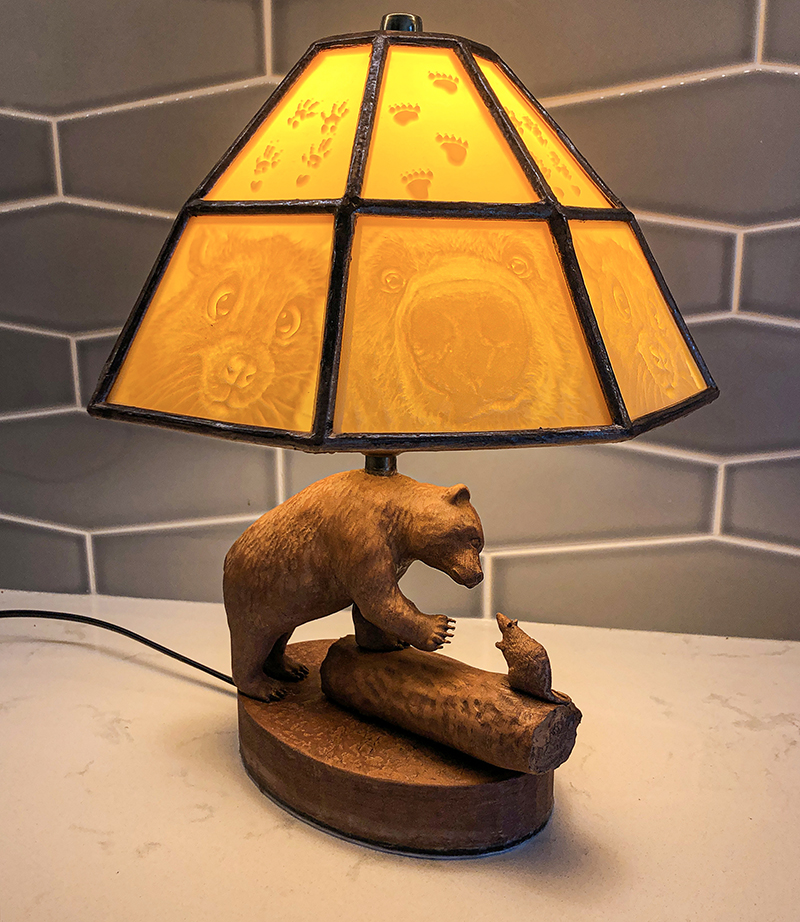 I was thrilled when he showed up at my booth on Thursday and revealed the finished piece. It looks even better than I expected and features two of my favourite paintings. This will be a fond keepsake and Expo memory, as will the second smaller bonus rat lamp he gave me.
 While he said he’s not in a super creative mode right now, I know that the right inspiration can turn that around on a dime.
So, feel free to reach out to Matthew if this work is of interest to you. He’s a talented artist working in a unique medium, and I wish him nothing but success with these pieces. I’m pleased that my work could be a small part of it.
To wrap up this wrap-up, I’ve come away from Expo inspired to create more work, which is no small thing. As a result, I have rebooked a corner booth for next year. While I would love the same location, I know that’s not always feasible with changing floor plans, but I’ll keep my fingers crossed.
To all of you who came to see me and add my artwork to your homes, please accept my sincere thanks for supporting not only this painter of whimsical wildlife but local art in general. It means a lot to all who make our living creating stuff.
And finally, to all of you who signed up for A Wilder View at the Calgary Expo, I know I already sent you a welcome message a couple of days ago, but thanks again for being here. I will do my best to make it worth your while.
Cheers,
Patrick


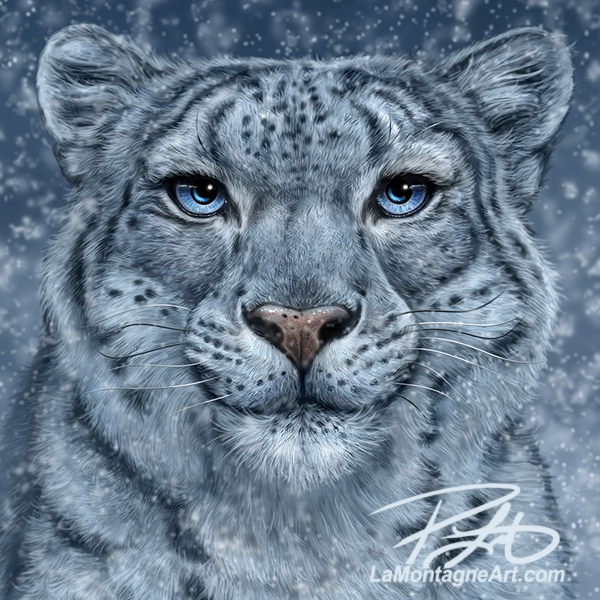
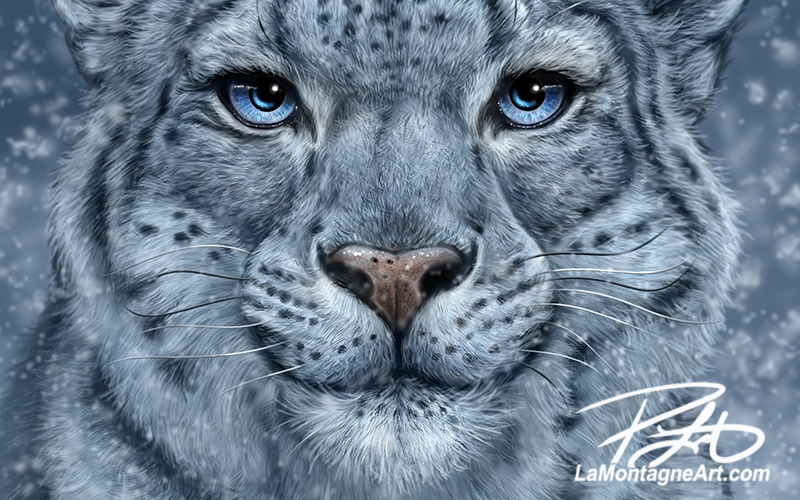
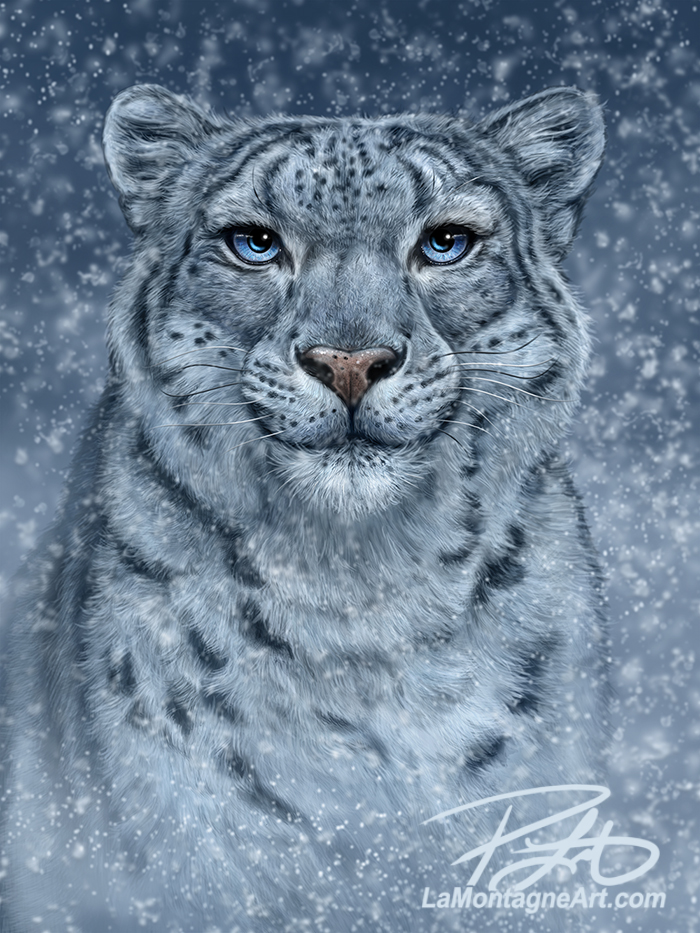 After I finished my recent
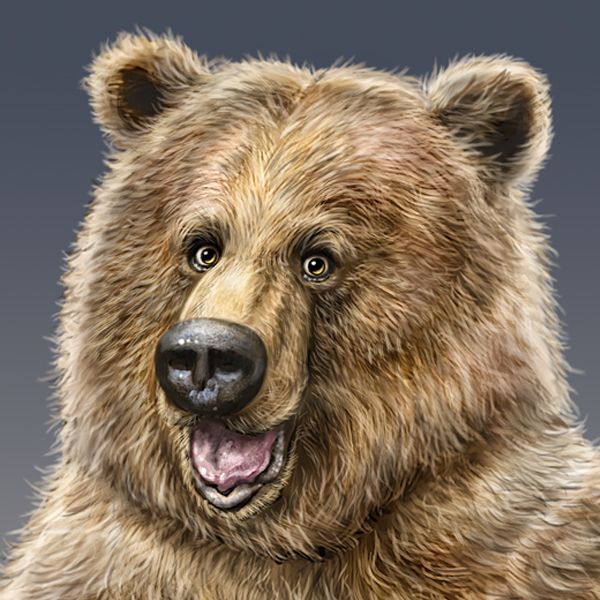
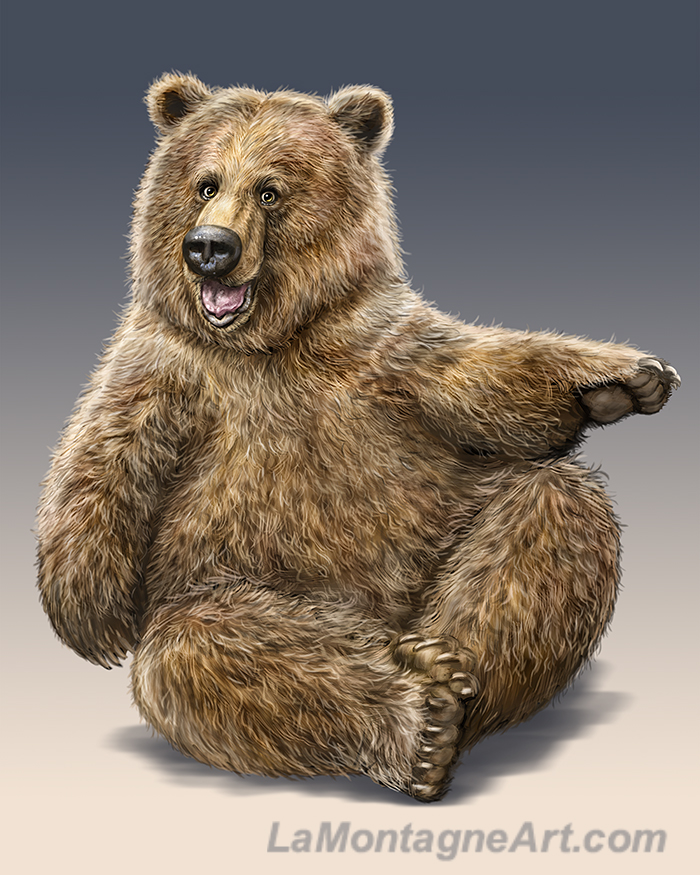
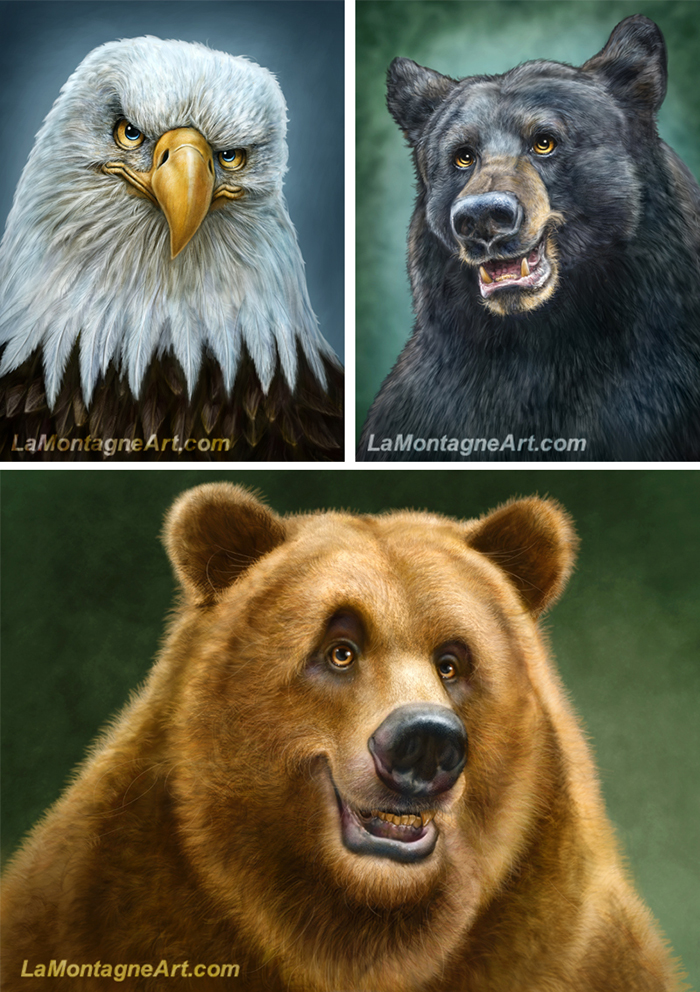
  And finally, the very first whimsical wildlife image I painted was a grizzly bear. I’ve painted more than a dozen since, and it remains my favourite animal to paint. It would have been a shame to decide that I’d done enough of them and never got to
 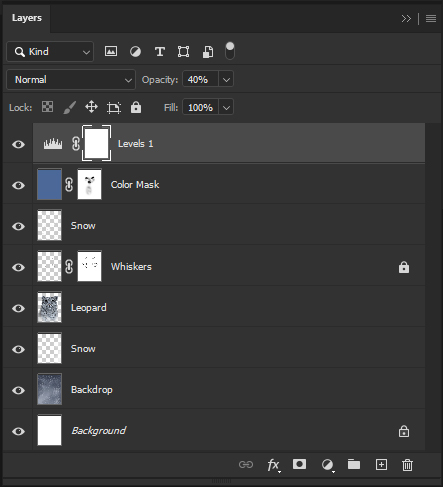 For those interested in the technical side of things, this file is 30” X 40” at 300ppi, with seven layers and an adjustment layer. I usually only have three layers at the end of a piece, the background, backdrop and subject. For this one, however, I wanted to keep some parts separate in case I have some formatting or colour challenges later with licensing.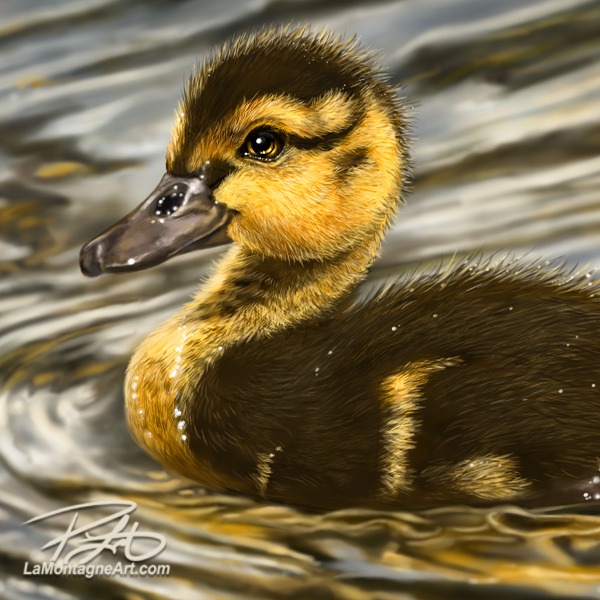
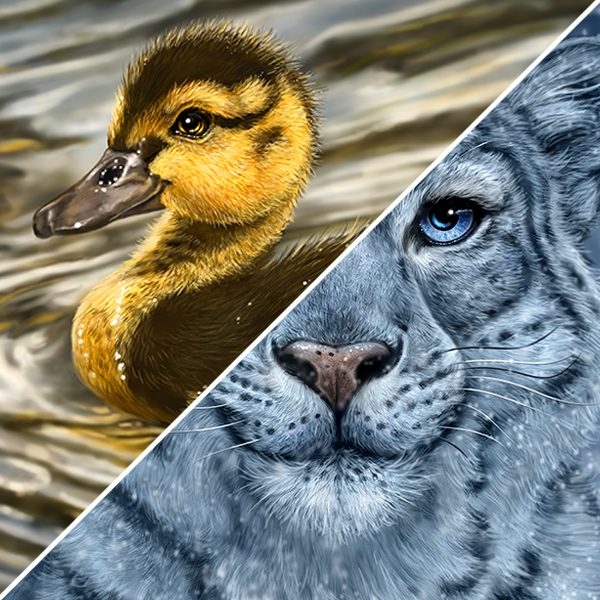
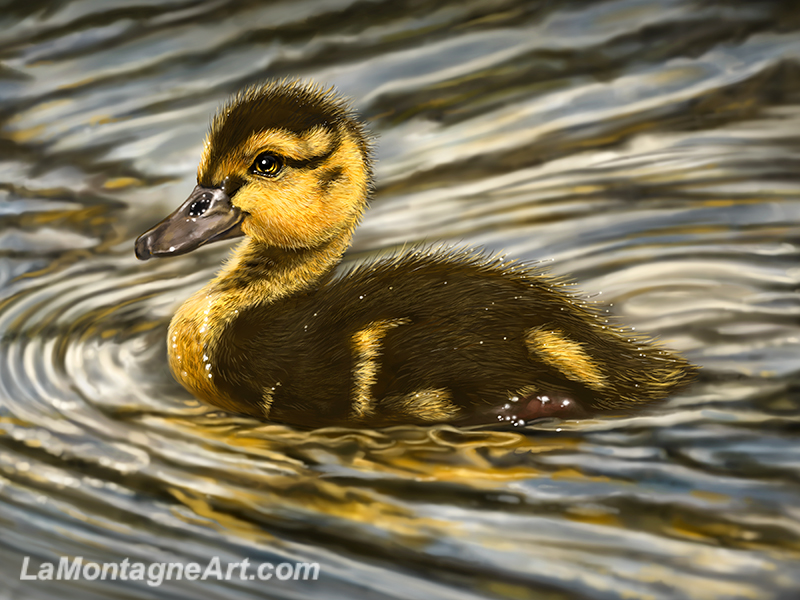
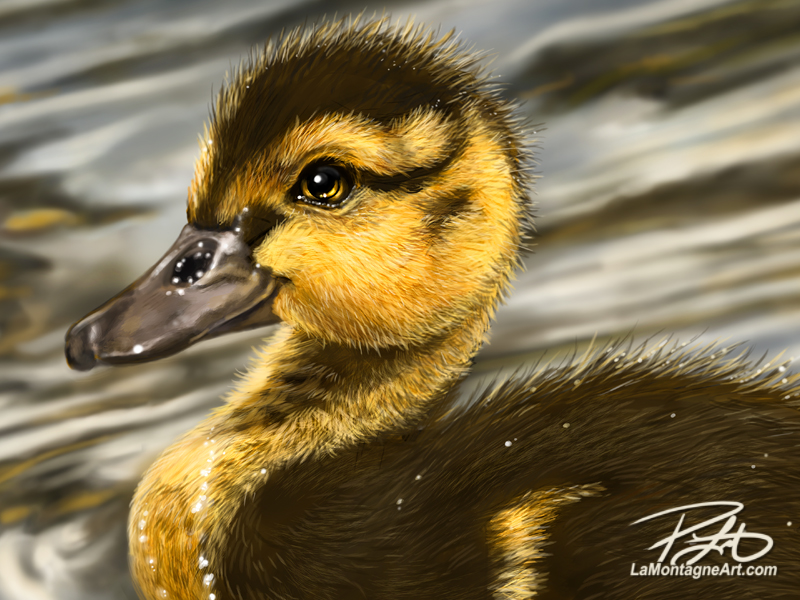
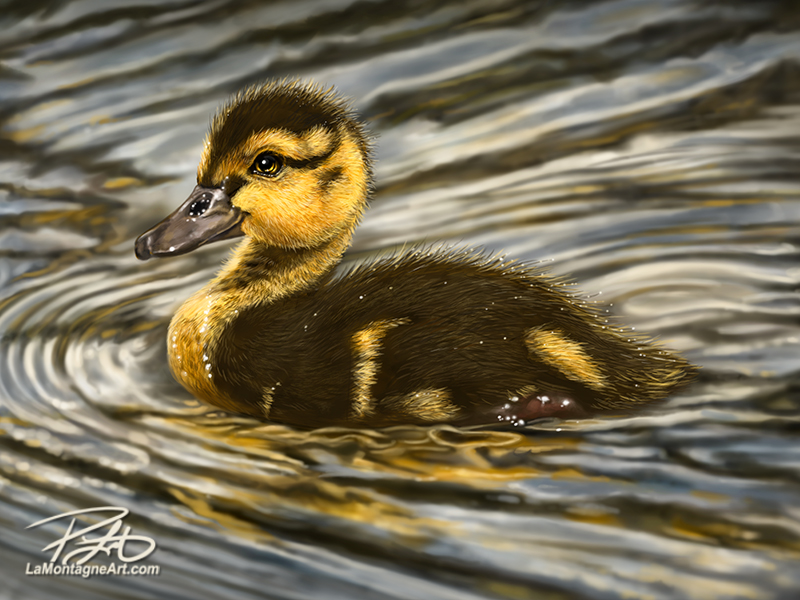 Here’s a little duckling I finished painting this morning. The duckling itself wasn’t difficult, but the water certainly was. Ironic that I began this year with a commission piece where water was also the hardest part of that painting. There will always be room for improvement in any artistic pursuit, so I welcome these unexpected challenges. The work might become boring without them.
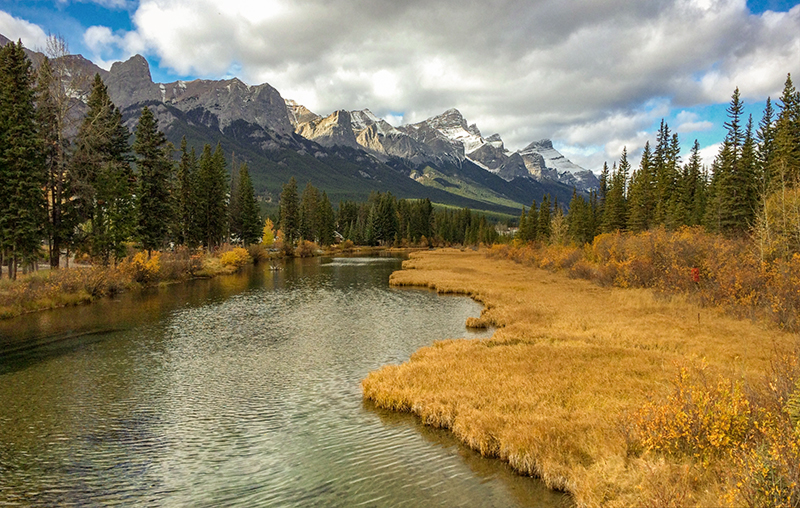 I took the reference for this painting four years ago from the boardwalk that winds through the Policeman’s Creek wetlands here in Canmore. Easily accessible for people of all fitness levels, it’s located in the middle of town and might as well be an urban park. It’s a pretty walk, a nice shortcut from where we live to downtown Canmore, and preferable to walking on the sidewalk of a busy street.
 The reason for fewer paintings is no mystery. Despite the dramatic decline in the newspaper industry, it’s still a big chunk of my income, and I’m unable to put off or set aside my daily editorial cartoon deadlines. As a result, those take priority every day and painting time is often sacrificed for the cartoons.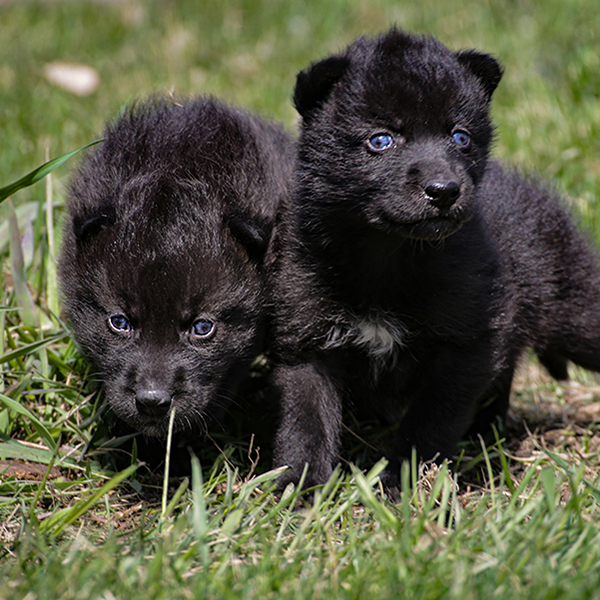
 Last week, I drove to Innisfail to
 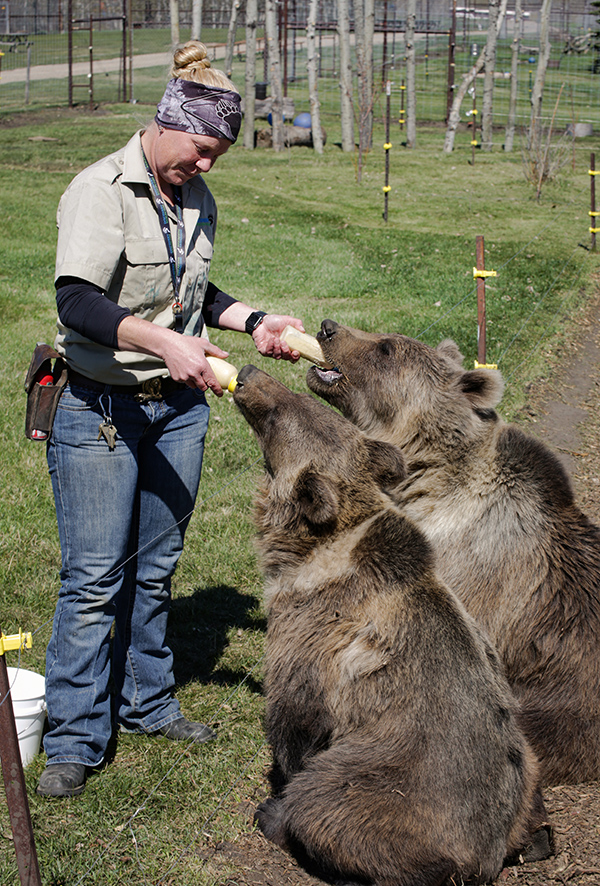 The Calgary Zoo and Discovery Wildlife Park have a great relationship. Staff from one will often visit the other, participate in educational and training days, and learn from each other’s procedures and policies.
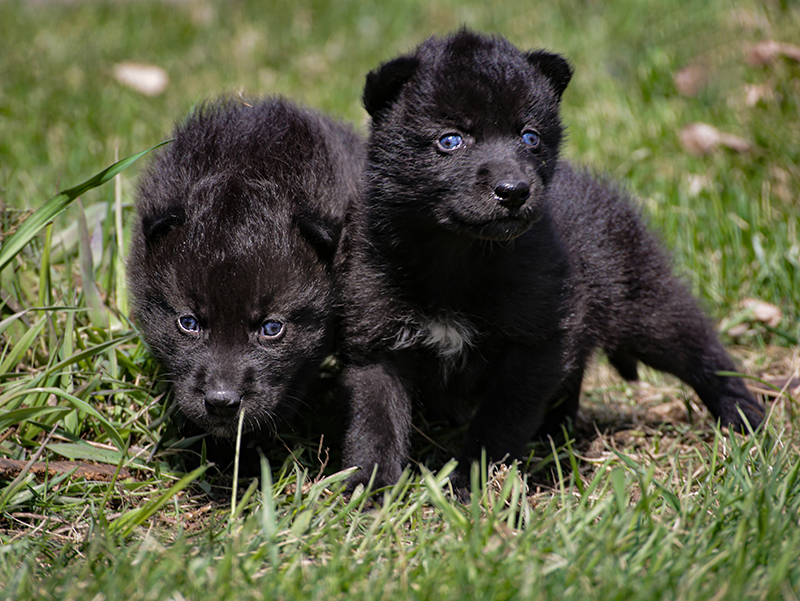 We got to meet their new wolf pups, though only the keepers who feed them are allowed to touch them. The vet has prohibited any other contact until the pups have their vaccinations next month. But I got plenty of photos, and there will most definitely be a painting coming this year.
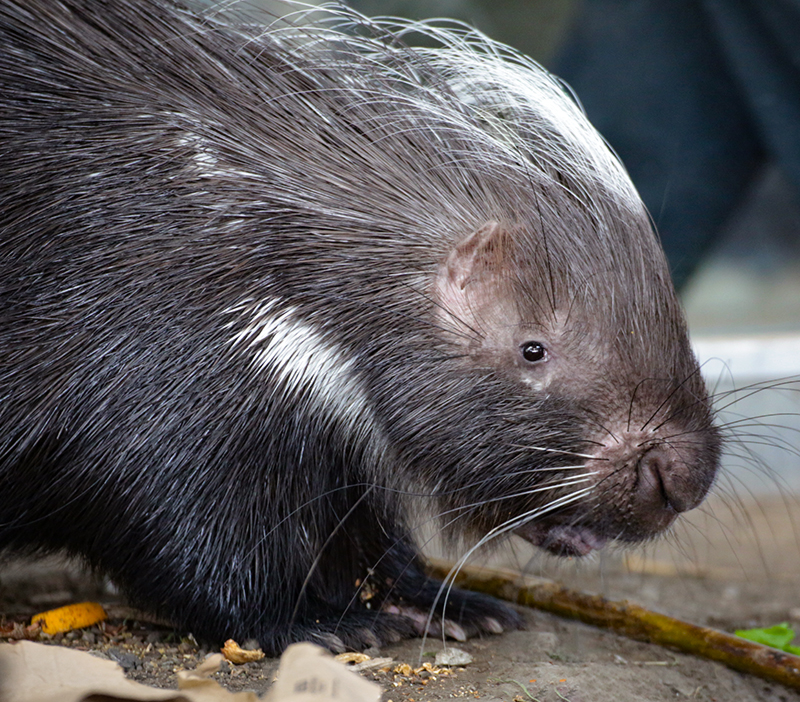 After years of failure, I might have finally got the reference I needed to paint an African porcupine. They had just been given food for which they had to work a little, which is a form of enrichment. The lighting was good, I could get down to eye level, and the little critter kept looking right at me. I was shooting through glass, but if there isn’t much glare and I can cup my hand around the lens hood, that often works just fine. I must have taken 300 shots. I discarded most of them on the first pass, but there are painting reference potentials in those I kept.
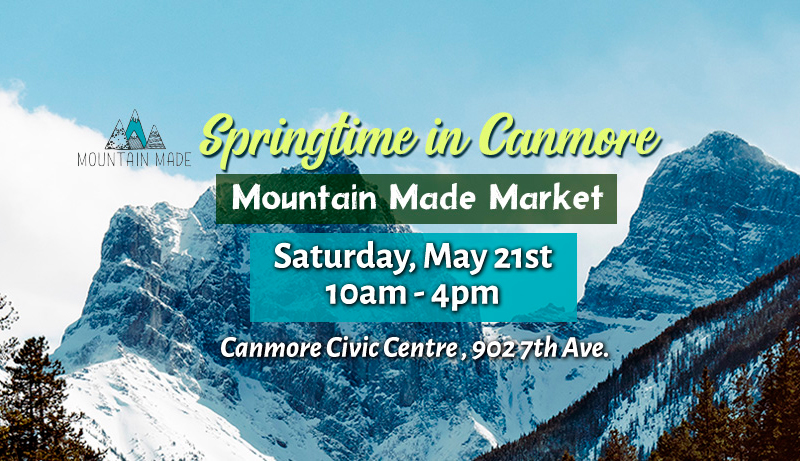
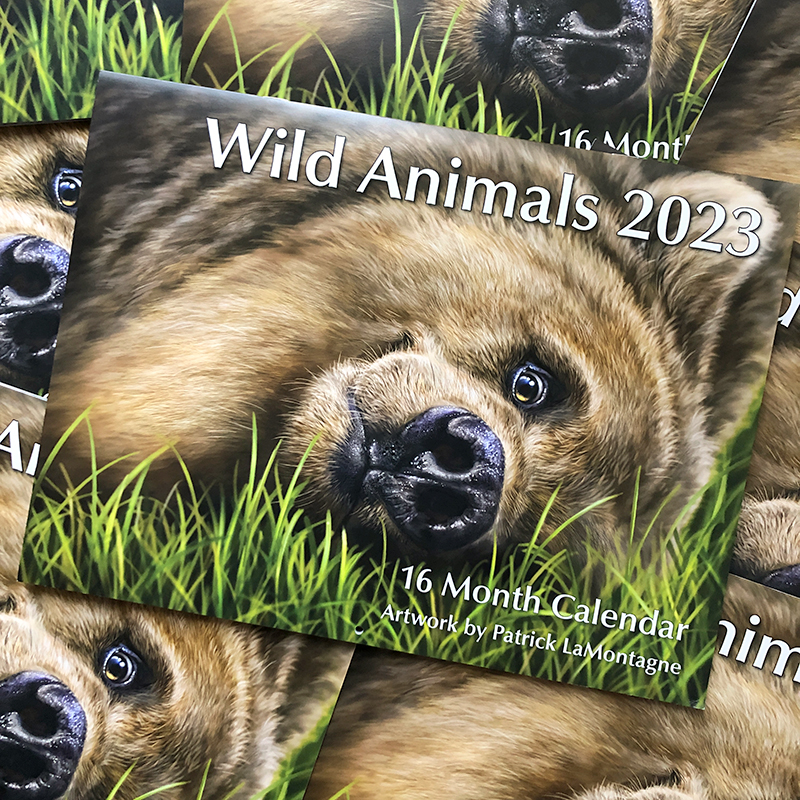 The shipment arrived while I was at the zoo, so I sent a text to our next-door neighbours asking them to grab it for me off the step for the third time in recent weeks. For a guy who is home most of the time, all my recent orders have arrived while I’ve been away. My neighbours got the first calendar as a Thank-You, but you can get yours at The Mountain Made Market this weekend at the Canmore Civic Centre.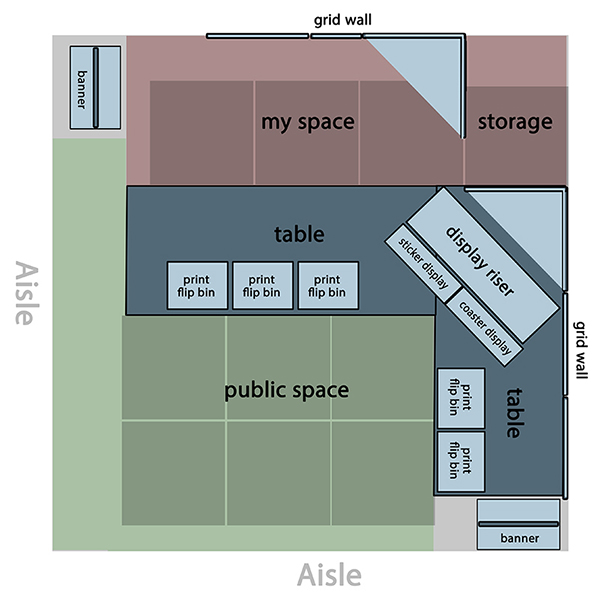
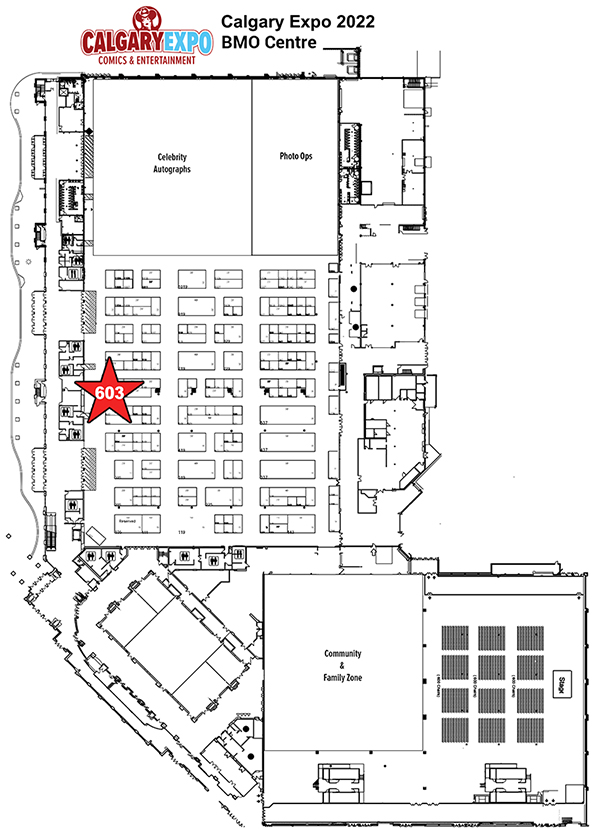
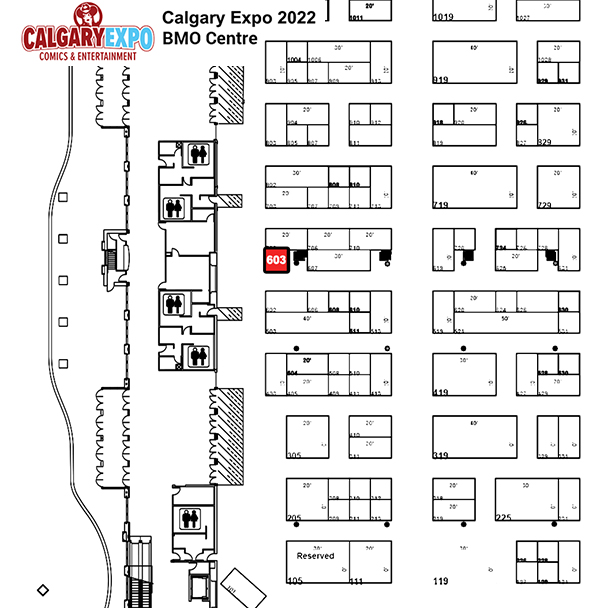 In addition to this floor plan, there is a second building for Artist Alley which looks to have a couple hundred more vendor tables.
 Because I’ve painted over 100 of my whimsical wildlife pieces, and so many of the early ones are still popular, it’s tough to know which to keep in stock and which to retire.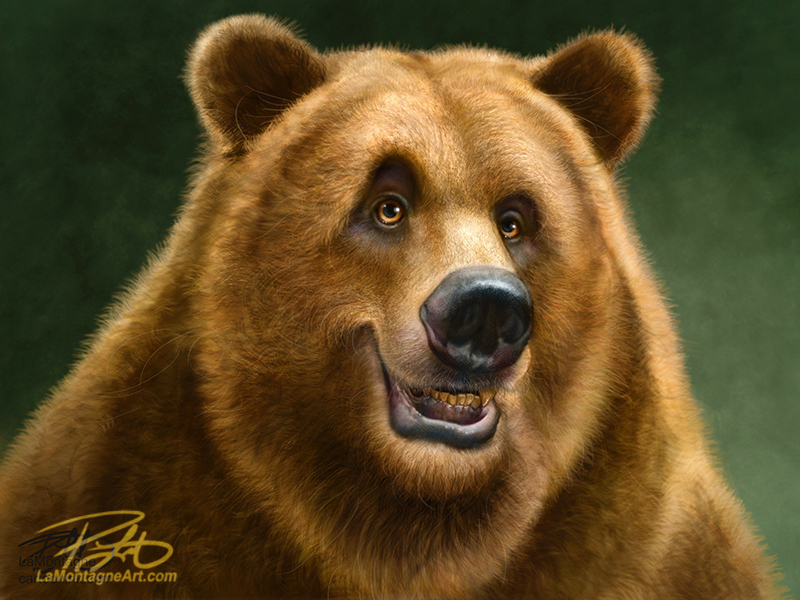
 From a business perspective, I want the zoo to be busy. But I’ll admit that I prefer it quiet when I’m taking pictures. I don’t have the patience for screaming children running around my feet and bumping into me while trying to hold the camera steady.
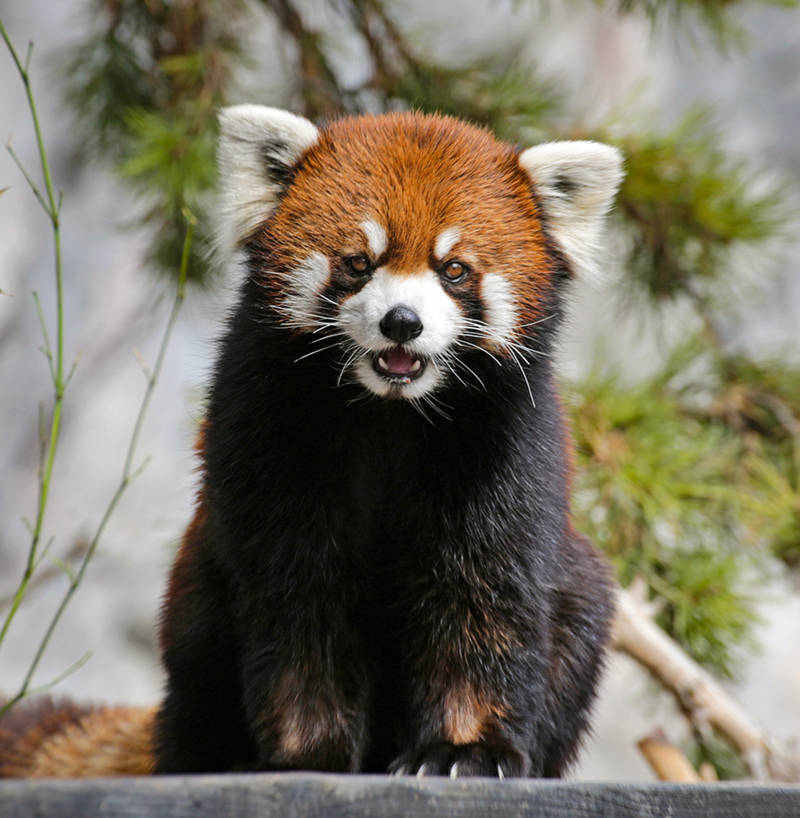 I spent a couple of hours taking photos, but nothing was grabbing me. I’m writing this after I’ve gone through all the shots, and while I got a few I might paint from, most were unremarkable. Some days you feast, others you go hungry. But there are worse ways to spend a cool spring day than walking around with a camera.
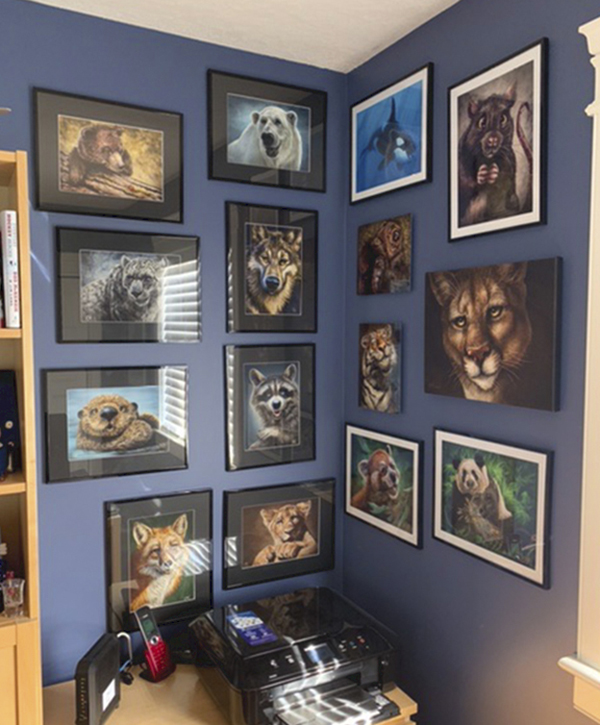 I was already looking forward to seeing them in a couple of weeks, but to run into them at the zoo, on a quiet random weekday in a city of 1.3 million people, was truly strange. I don’t know how long we stood there catching up, but it was getting a little chilly, so we walked around the zoo together. I realized that what had started as a bad day had suddenly become a very good one.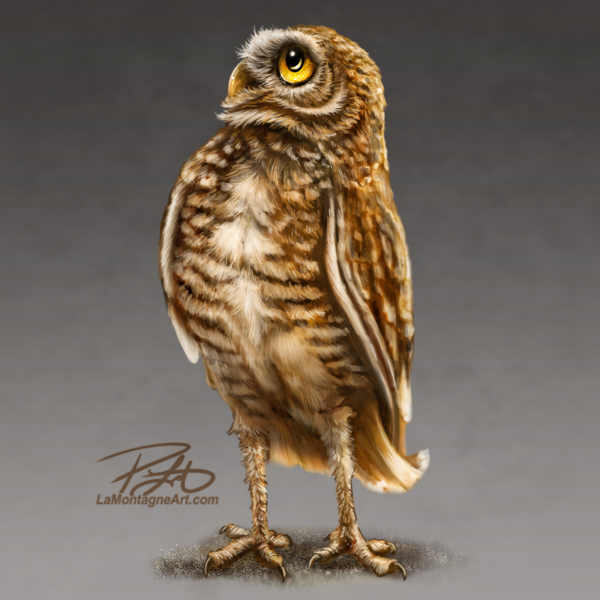
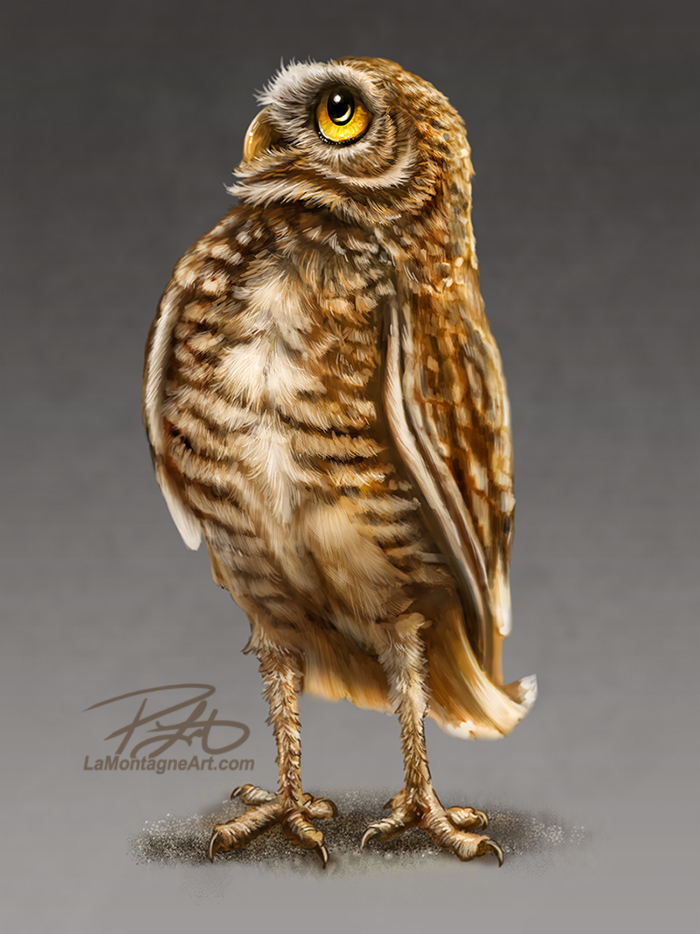 Here’s the fourth burrowing owl in the series, which will be part of a larger piece featuring multiple owls in different poses. I don’t know how many owls yet, and I only have a rough vision of it.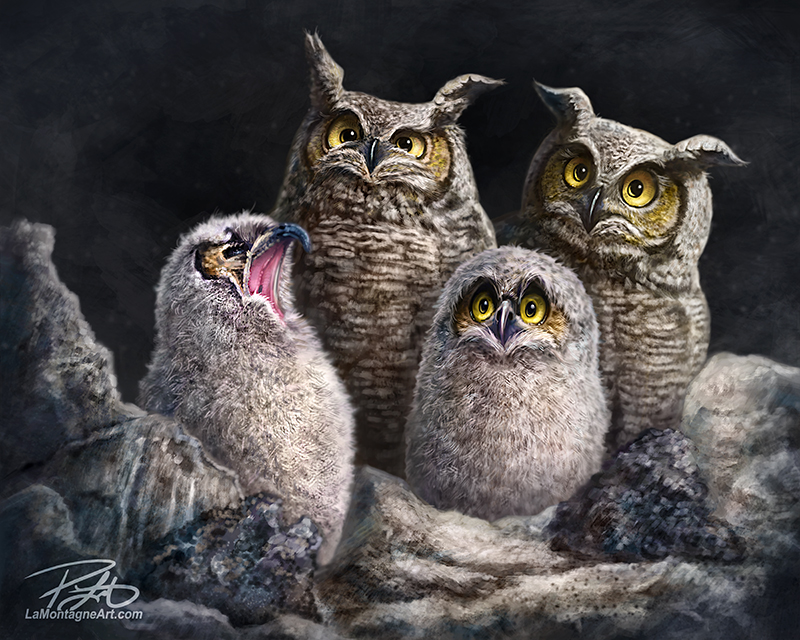
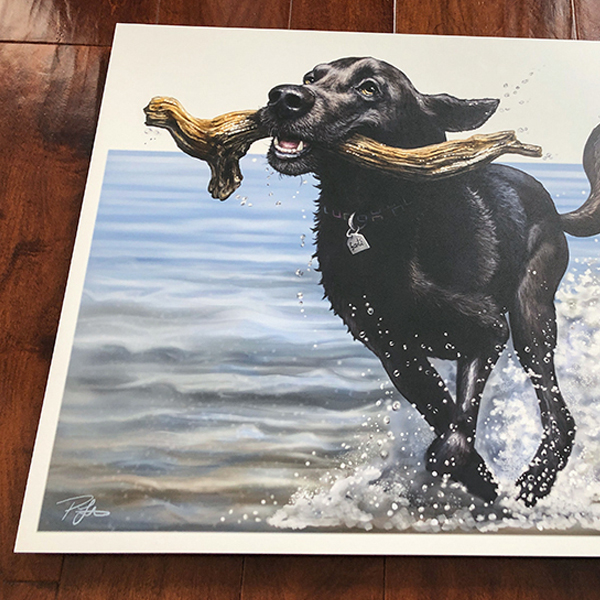
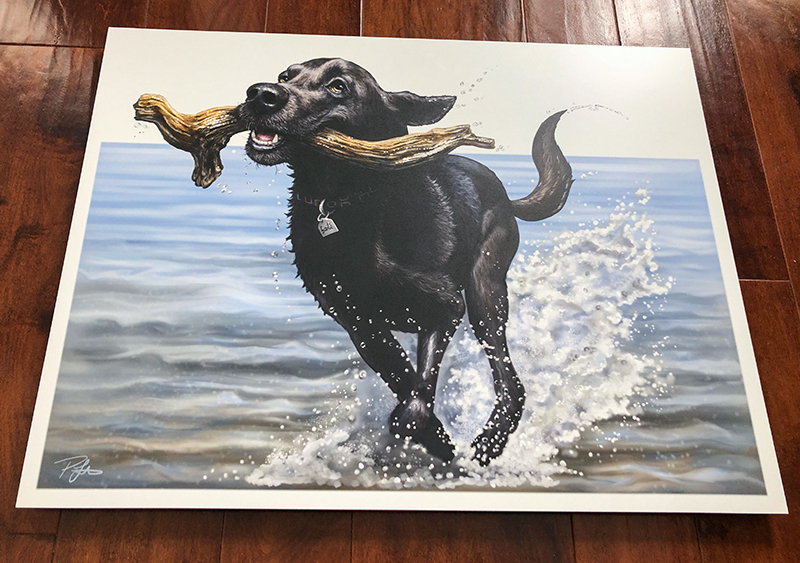 Last month, I finished what could easily be called my favourite
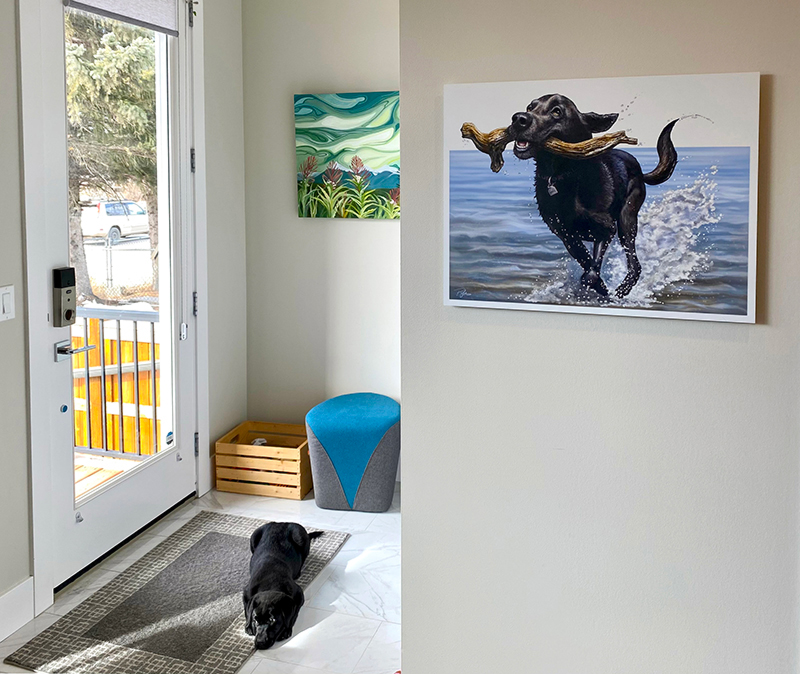
 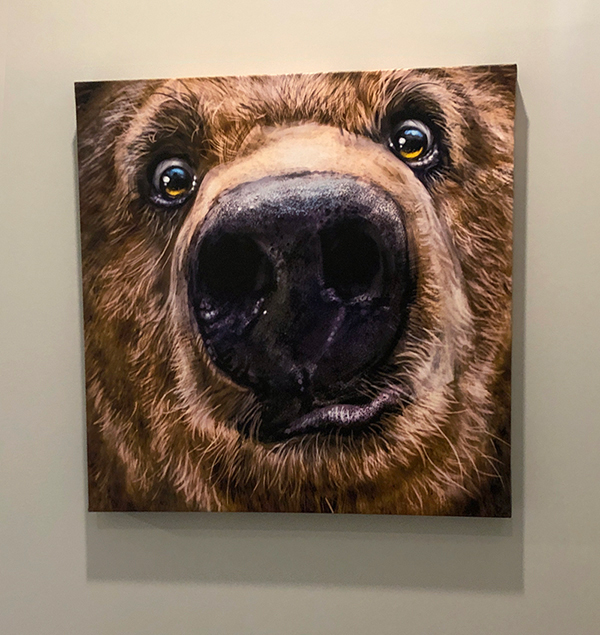 It’s always flattering to see my work in somebody’s home, especially a canvas of one of my personal favourites, my Berkley painting called “Peanuts.”
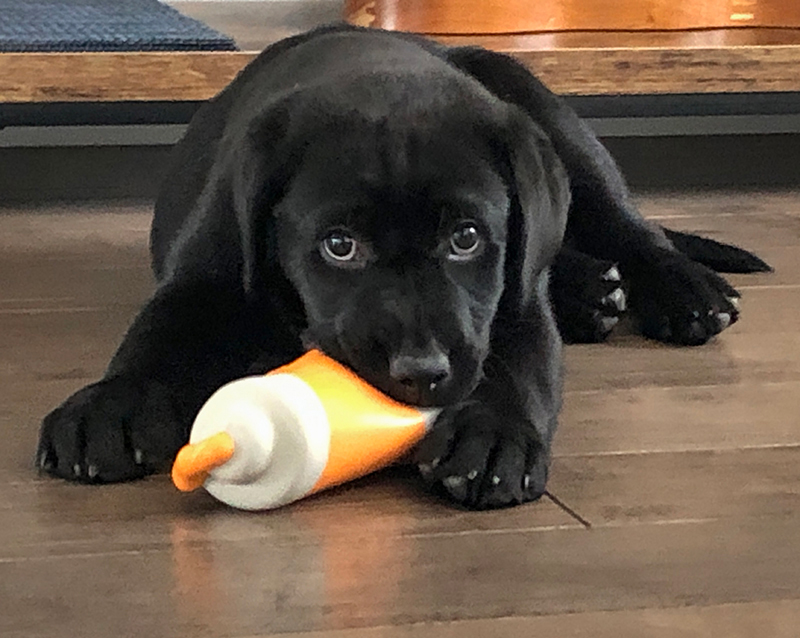 I got to meet Suzanne’s new little wonder, River, a black lab puppy, who is in that lovable, awkward, too small for her big paws stage.
 _____
_____