
 When you find work that resonates with people, any deviation is a risk. People like the happy animals, so why upset the apple cart? Shouldn’t I create another image with a better chance of print sales and licensed images?
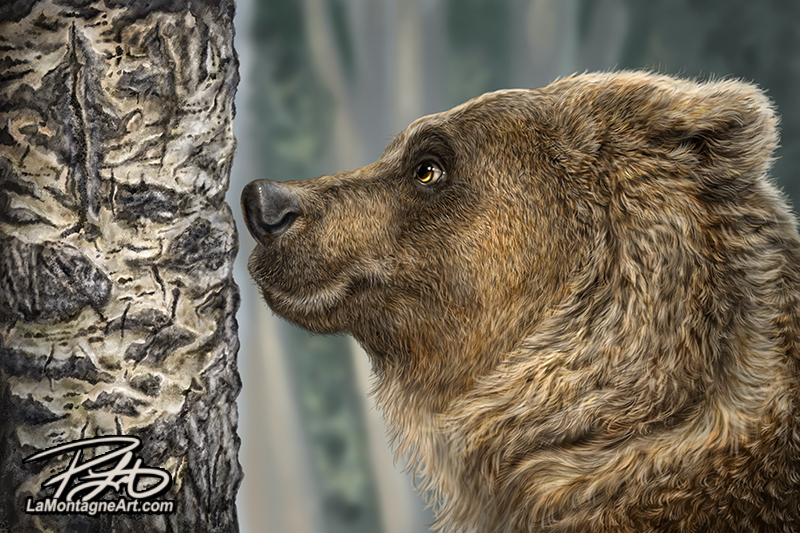
In 2009, my work was editorial cartoons, painting caricatures, and the occasional illustration gig. I was getting bored and painted a funny-looking grizzly bear to try something new. That small experiment changed my life and career for the better.
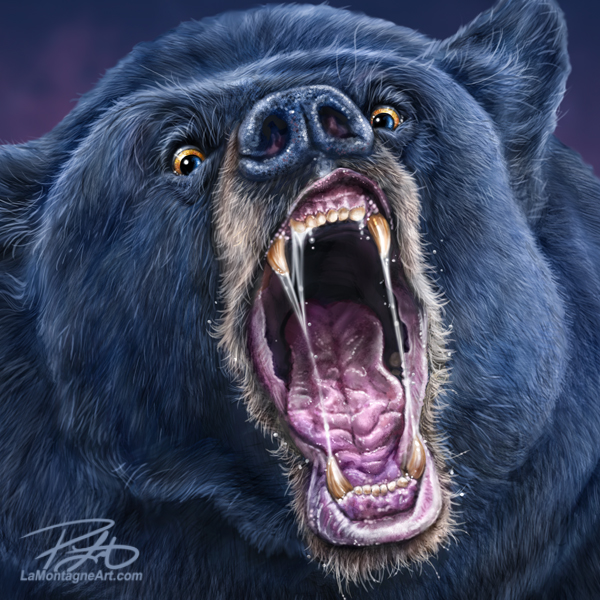
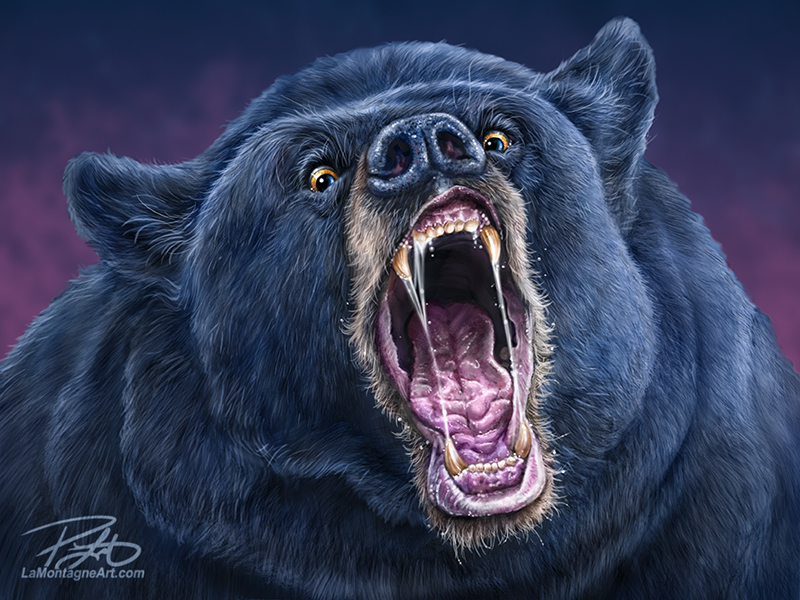
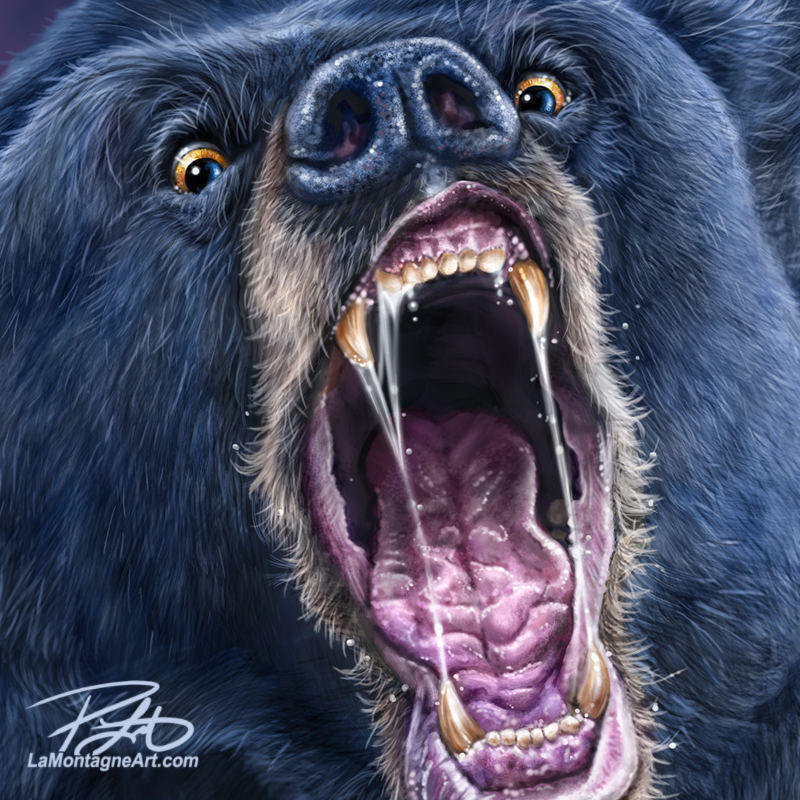
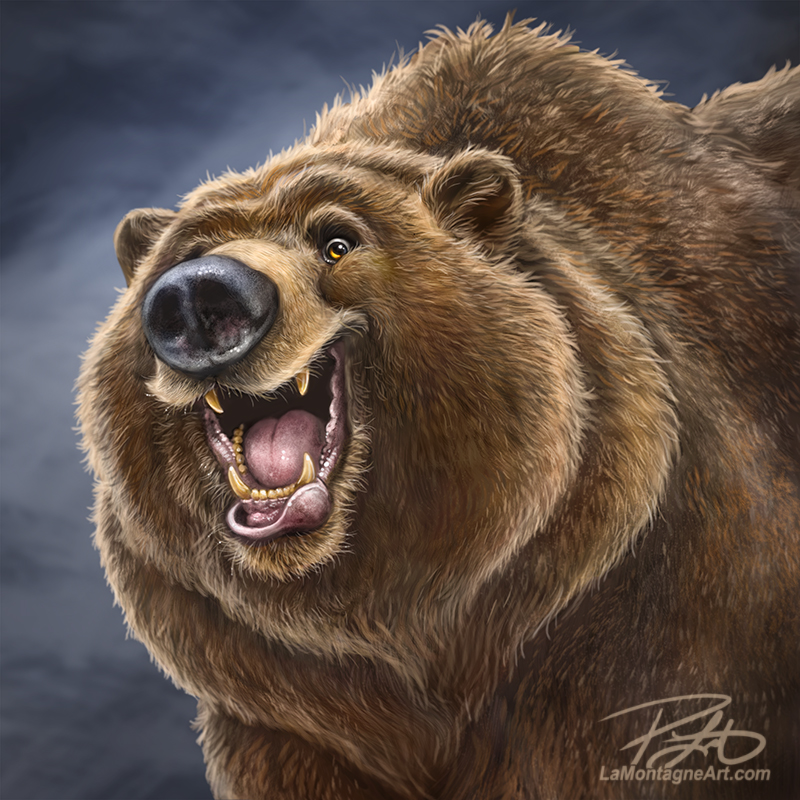
I painted this angry bear for the same reason, to do something different.
For the last while, I’ve been angry, frustrated, and afraid. We’re human, we have emotions, though we often deny or quash them for fear of others’ reactions. If you’re not dying in a ditch from cholera or a bullet wound in a third-world country, you’re not allowed to feel bad about anything. Don’t be so negative. Cheer up.
It’s called toxic positivity, and many use it as a passive-aggressive weapon to make themselves feel comfortable or righteous. How dare you be grumpy, sad, or depressed when things could always be worse?
Several years ago, I had debilitating lower back pain. It hurt to sit, drive, walk and lay down. It would wake me almost every night and begin as soon as I got out of bed each morning. It wasn’t long before Advil couldn’t touch it.
Shonna suggested I go to yoga with her, and that helped. We’ve been doing that together one night a week ever since, a healthy practice for flexibility, balance, and strength. But it wasn’t enough to eliminate the pain.
While googling incessantly for options, reading about compressed and bulging discs, spinal defects, and worse, I came across a book called Healing Back Pain: The Mind-Body Connection by Dr. John E. Sarno.
Sarno’s theory of Tension myositis syndrome (TMS) explains that for those with perfectionist and people-pleasing tendencies, the subconscious mind can create chronic pain to distract a person from dealing with repressed anger, fear, and stress.
Here’s where I lose most of you, and I knew that going in.
Before you post angry comments and send me emails telling me about your genuine bone, nerve, or systemic issues, I wouldn’t dispute anybody else’s pain. I’m not a doctor. Plenty of people require back surgery, have hip and knee problems, arthritis, and other physiological issues related to identifiable causes, especially with age. Stuff breaks down. Parts fail.
But this began in my late thirties. I tried the doctor, physiotherapy, and massage, and there was no reason for this dramatic physical failure. Anything that worked was a temporary fix with no lasting effect.
This was my experience; if it sounds familiar, it might be yours.
In a 1999 segment of 20/20, John Stossel profiled it well and said Sarno cured his back pain. Howard Stern credits Sarno with saving his life and talks about it often.
There were no courses or programs, no supplements to buy, and no up-selling. It was just a book; one I’ve since read and listened to several times.
If you want to call it one, the cure is realizing you’re doing it, acknowledging the anger, and bringing it into the light. It sounds simple, and it is. And it isn’t. Because after a lifetime of bad habits, the pain comes back, especially in times of stress, and not just in the lower back. It often moves around the body and manifests in other places. So when one distraction is realized, the subconscious finds another, somehow convinced that physical pain is preferable to emotional pain. That’s TMS.
 Roll your eyes, shake your head, wave it off, and call me crazy. I don’t need to convince you. All I know is I went from near-crippling back pain for several months to having almost none over a decade later. You’d think a genuine bulging disc, spinal defect, or structural deformity would worsen with age, not disappear.
After the back pain left, however, other physical ailments would pop up over the years. I had sciatic pain in both legs that would come and go. I developed migraine headaches in times of stress. I had severe neck and shoulder pain. I once had jaw and tooth pain so bad I thought I needed root canals. At its worst, I couldn’t open my mouth wide enough to eat a hamburger. That went on for months.
These aren’t hallucinations. This was all real excruciating pain, and Sarno explains the physiology of it in the book. But it would fade once I recognized that it was simply another manifestation of the back pain in a different location. Then another pain would show up, and I’d have to realize it again.
In 2016, when the physical distractions no longer worked, I fell into a deep depression, as dark as you can go, and that means what you think it means. Thankfully, Shonna was supportive and urged me to get help. I didn’t want to take drugs, but I went into therapy, and over a few years, I retreated from looking too long into that abyss.
While the darkness is always there in the background, I’ve thankfully never fallen that far back again, though it permanently changed me. You can glue a broken vase, but the cracks remain.
I’ve sought the approval of others for most of my life. When I should have stood up for myself, I held my tongue to keep the peace, and all it got me was pain. The recovery taught me to no longer accept bullying, gaslighting, and criticism from those who would never take it from me.
The most important lessons are always hard.
But every so often, it’s easy to fall back into a bad habit, especially with the stress of the pandemic. Things have built up again over the last year, and I developed stomach issues. I eliminated one food from my diet, then another, then another. Tough for Shonna as she’s such an excellent cook.
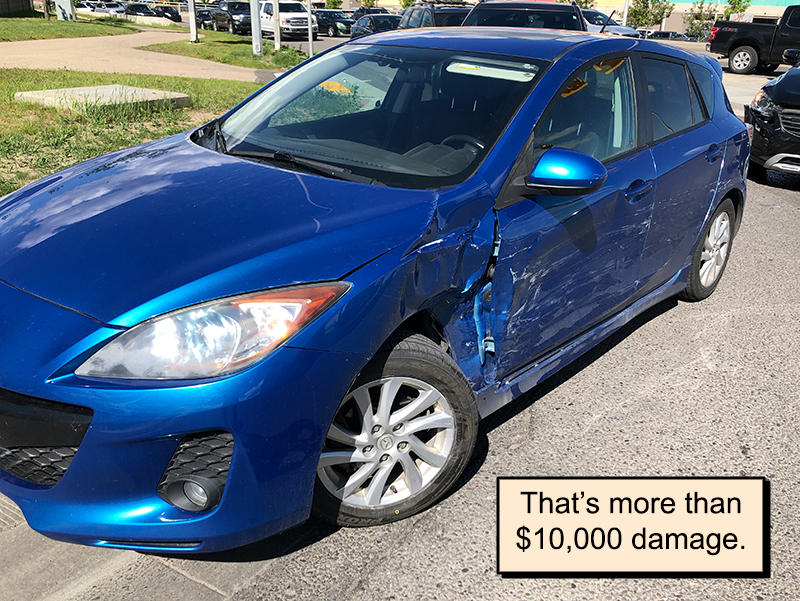
At the end of last year and the beginning of this one, I’d finally had enough of this not making any sense. Realizing I was more affected than I thought by the stress of our car accident last year, higher interest rates, inflation, mounting business expenses, financial fear and uncertainty, I went back to the book and a TMS forum site. After some healthy reminders of what I already knew, it made sense that this was just another way my mind was distracting me from acknowledging my fears and anger—sneaky bugger.
I began a new habit of rapid-fire writing on the advice of one post I read.
I open a blank Word file and type a stream-of-consciousness rant about anything scaring me or making me angry. It’s the things we don’t like to admit, the selfish thoughts, the petty, bitter stuff we don’t say to other people for fear of their judgment. It’s Freud’s Id, that fussing toddler in all of us that wants what it wants.
It’s the part of you that wants to scream and rant in a grocery store lineup or start smashing back and forth in your car to get out of a traffic jam or punch your boss in the face when he makes you feel small and unappreciated. It’s acknowledging what we feel but aren’t allowed to express.
So, when I’ve been feeling ticked off or afraid, I’ve taken five minutes to write this stuff down, with lots of swearing, spelling mistakes, poor grammar, and no editing.
“I’m angry I have to draw another sleazy politician. I’m afraid I will never make enough money to feel secure. I’m angry that the demanding client won’t shut up and go away. I’m angry that my neighbour’s dogs are barking again. I’m afraid of getting old. I’m afraid of getting dementia. I’m afraid that none of this effort matters. I’m afraid people will think I’m whining with this self-indulgent post.”
And when I’ve had that childish temper tantrum on the page, I close the file without saving it. I’ve been doing this once daily for the past month whenever the mood strikes me.
My stomach issues are almost gone.
When we deny our emotions, we deny ourselves. When we allow others to assert their wants and needs over us at the expense of our mental health and we bury the resentment, there are consequences. When we let other people mistreat us and we stuff that down inside, it doesn’t just go away. It will show up somewhere else.
Eight billion people on the planet, and everybody has a different view of the world and their place in it. To live in a community means hiding your darker, baser instincts for everyone’s mutual survival. But it’s much healthier to still admit and acknowledge them privately and give that primitive self a voice. That part of you needs to speak, even if it’s to an empty room or on a blank page.
So this angry black bear was a little art therapy, another way to put some rage on the page, pour it into a painting of the animal I have feared and loved most.
I enjoyed it and I’ll do it again.
____
©Patrick LaMontagne 2023

 The Otter was my first painting they launched last year, and that

 I’ve had so many requests for a sloth over the years that I decided to make it my first painting of 2023.
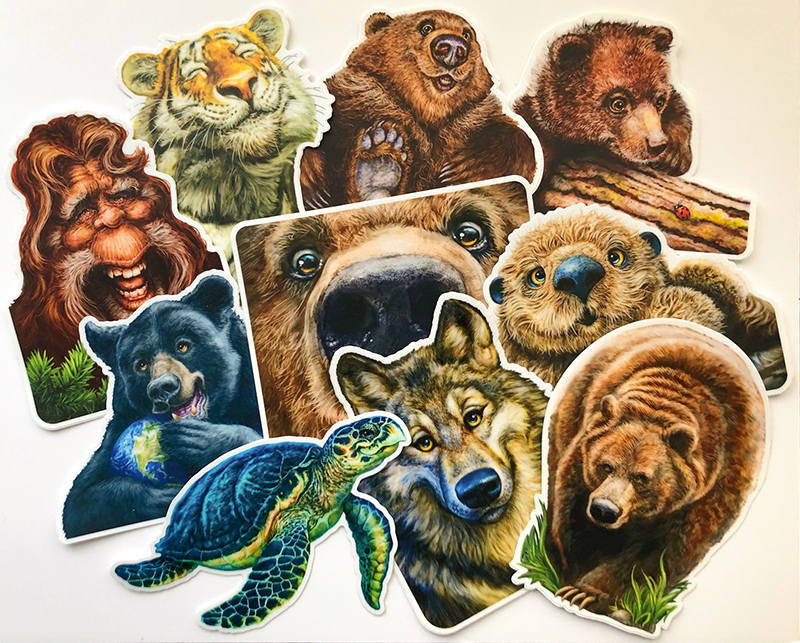
 I can separate the sloth from the background and foliage for my own use to make a vinyl sticker. As I’m currently working on layouts for my
 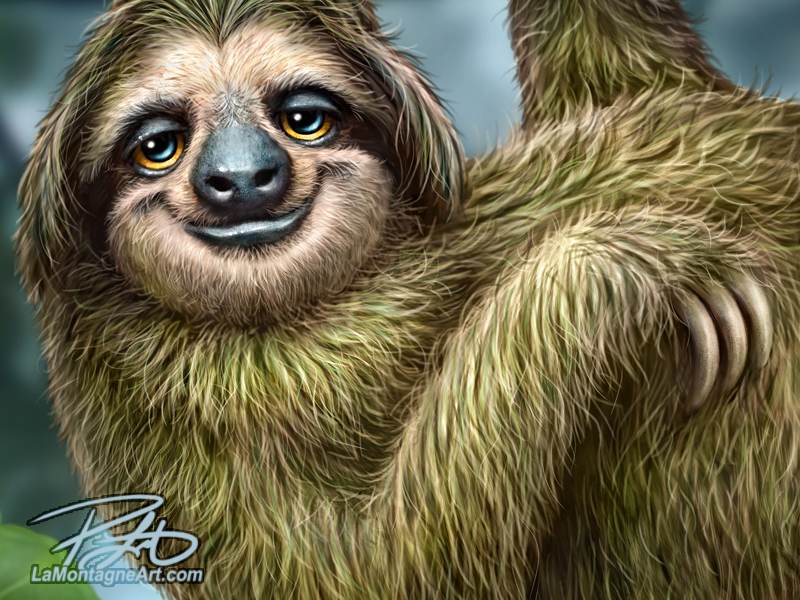 I often spend ten to twenty hours on a painting. Though I have a few tricks to reset my brain so I can notice an issue, like flipping the canvas and reference horizontally, or looking at it on my phone or iPad, sometimes trouble spots escape me.
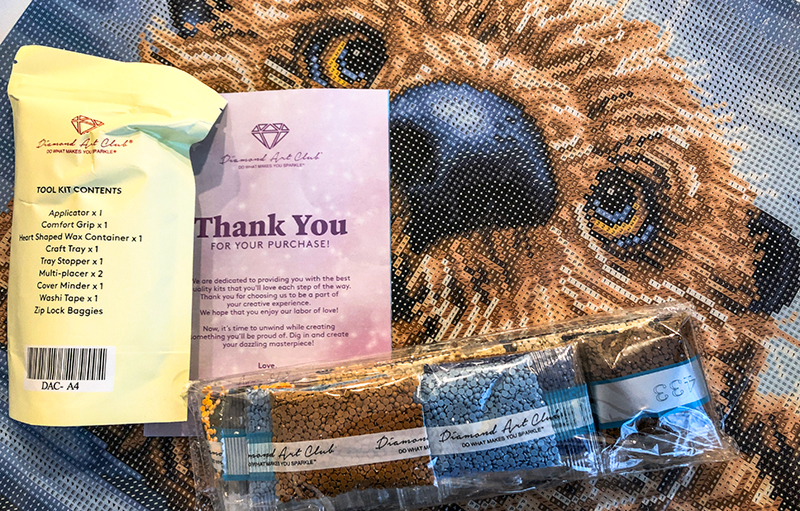
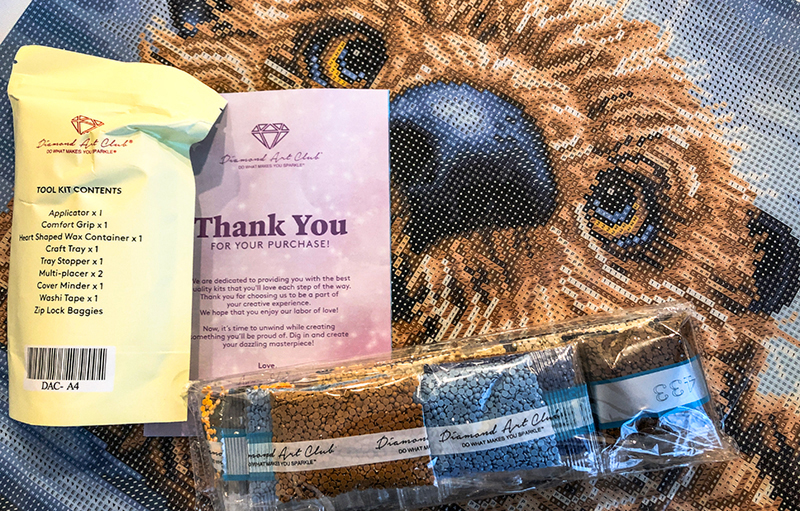
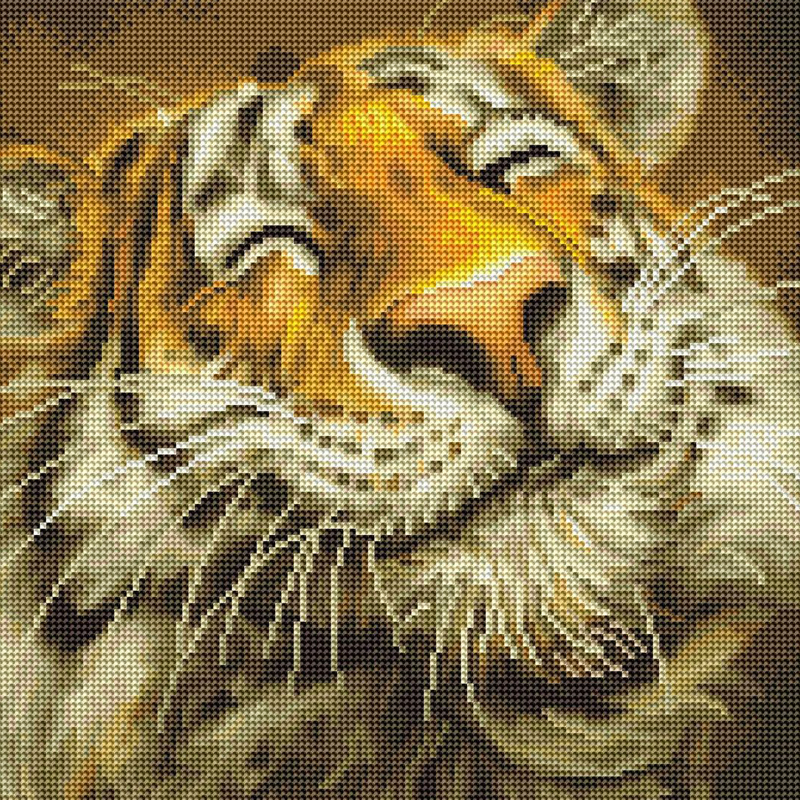
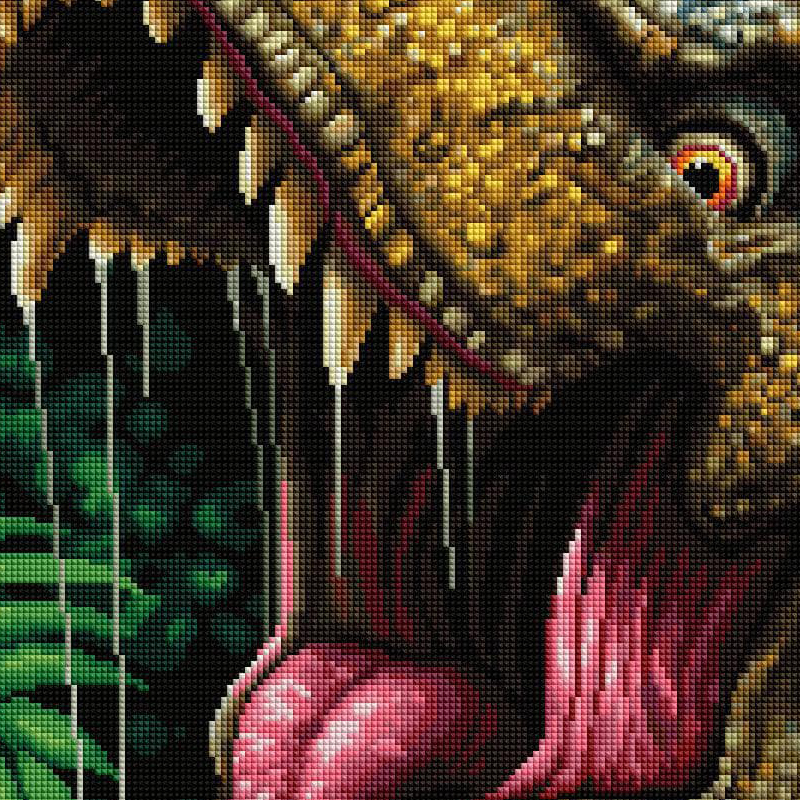 This one is 22″ X 29″ (55.8cm x 73.7cm) Square with 48 colours including 3 Aurora Borealis colour. The T-Rex is now available! You can see and
 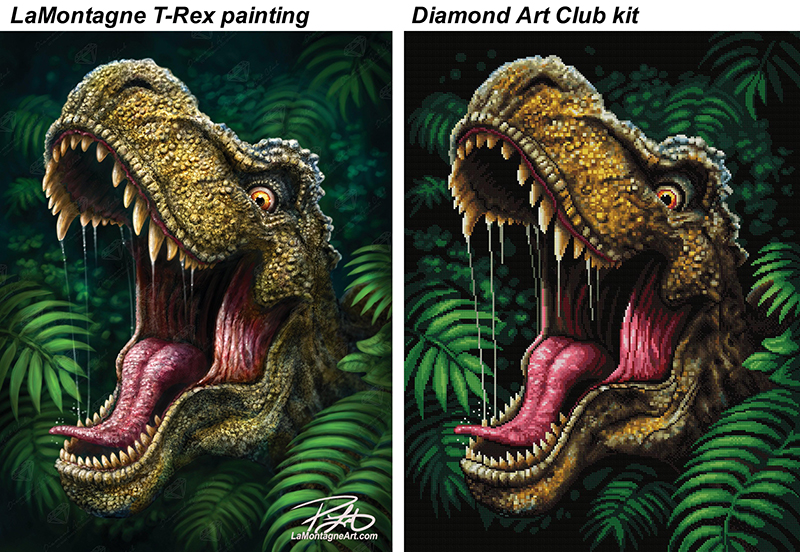 Other designs are coming this year, but I’m not allowed to reveal anything more.




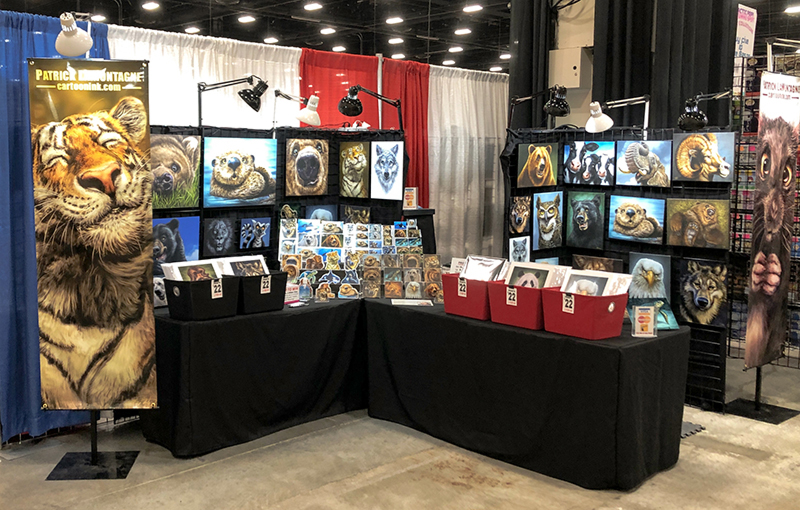
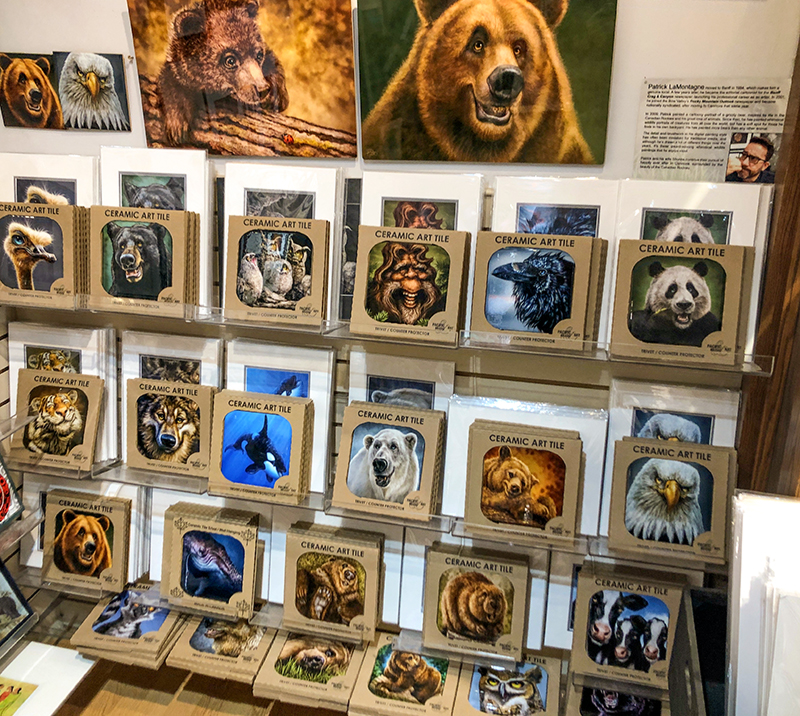
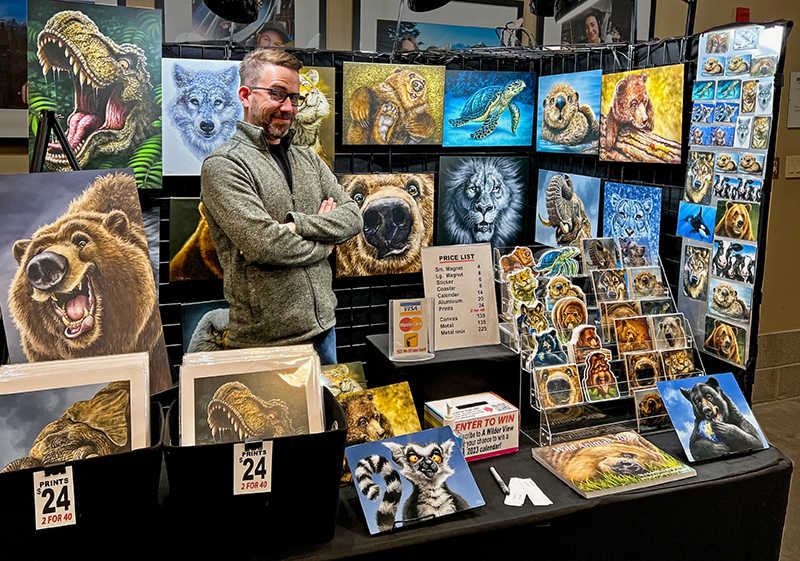 There were several Mountain Made Markets this year, with weekend events every month from May to December. Held indoors at the Canmore Civic Centre, it’s an easy setup close to home, so it’s worth my time.
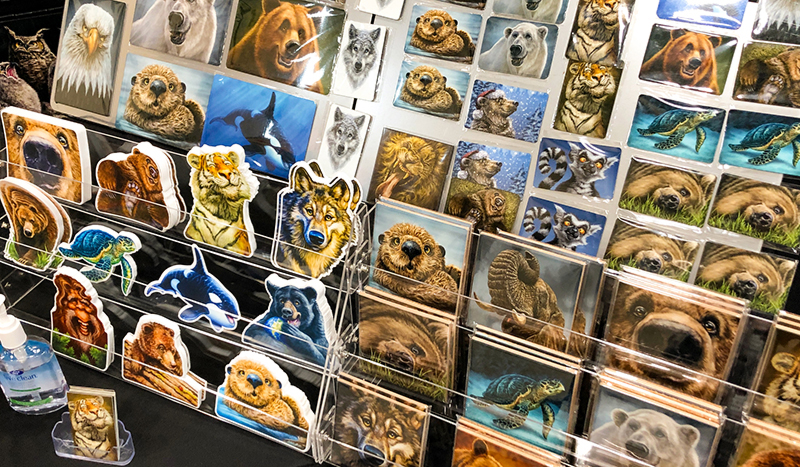 Licensing allows me to spend my time painting and still reach new markets and audiences. I signed a few new deals this year with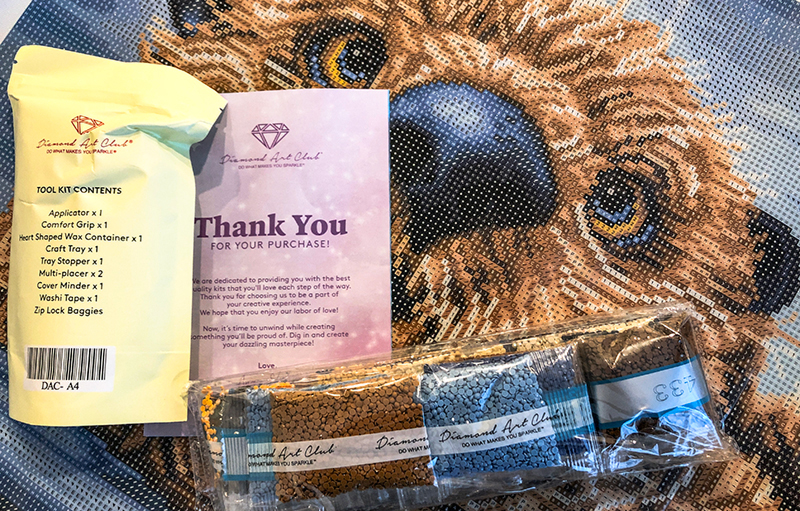



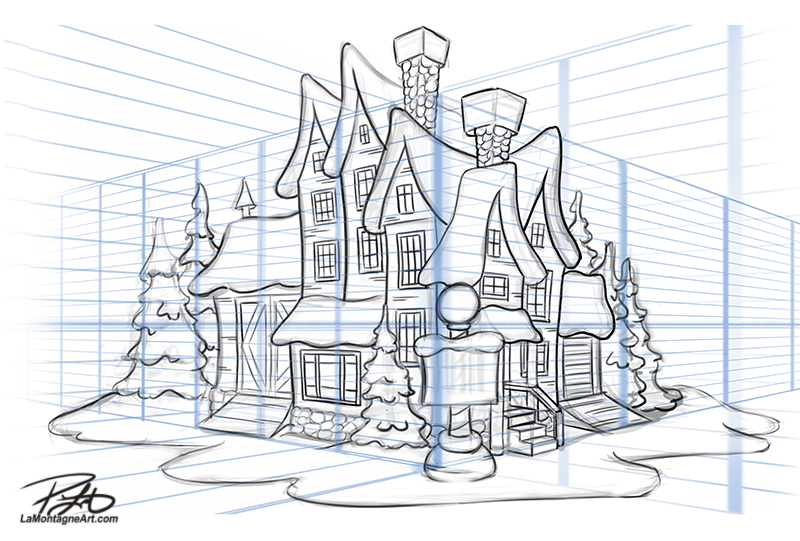
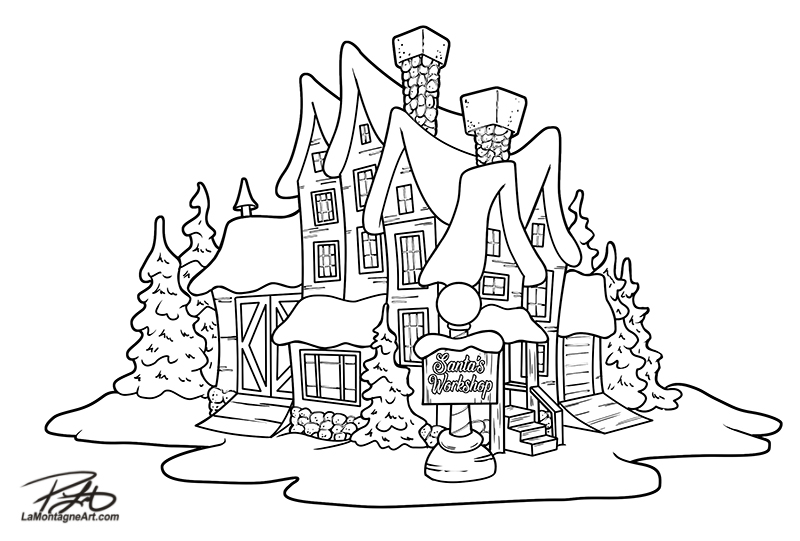 Then I’ll drop the opacity of the sketch layer, so it’s very faint and create cleaner black lines on the layer above. I call this an Ink layer, even though there’s no ink involved.
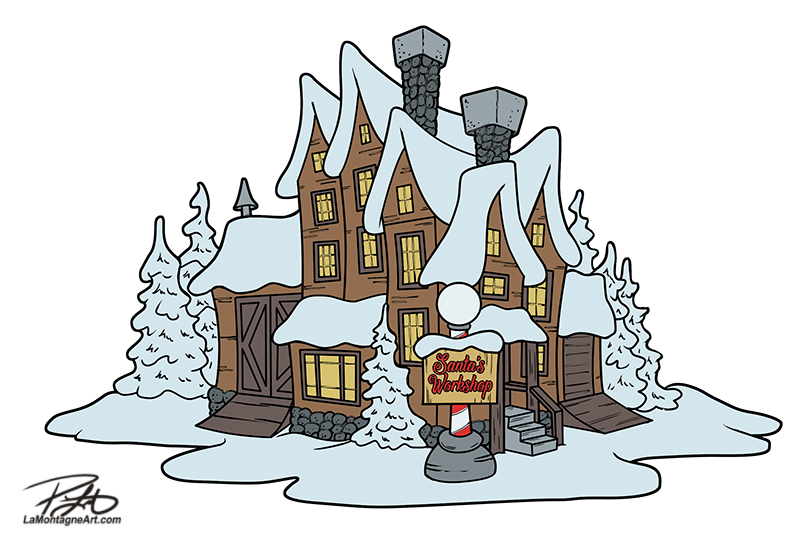 I’ll delete the sketch, create a new layer beneath the ink layer and fill in sections of flat colour on different layers. This helps me establish a base colour for separate pieces and select certain painting sections easily.
 Finally, I’ll create a painted background, add talk bubbles, my text and signature, and save different formats to send to my newspaper clients across Canada.
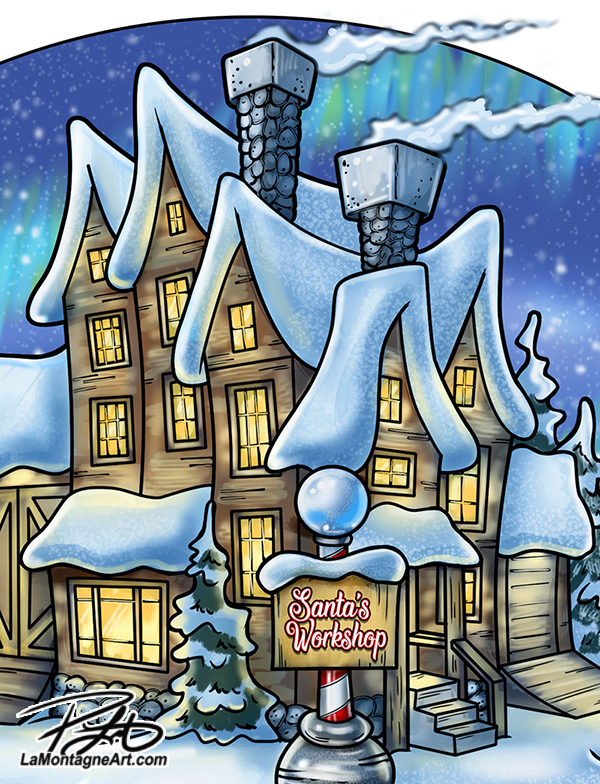 The painting process I use for my whimsical wildlife and portraits of people is more complicated because each painting takes many hours to complete and involves a lot of fine detail. But the tools are the same. Many artists have asked me about my painting brushes over the years, and they’re surprised that they’re not complicated. Just like in traditional art, it isn’t the brush; it’s the person wielding it.

 ____
____
 We’ve had fantastic fall weather this year in the mountains. The leaves took a long time to change, and there are still plenty on the trees. It’s been almost like summer, right up until last week, with our first snowfall. A warming climate is a growing concern, but it has been hard to see that big picture lately while still biking in shorts in the middle of October.
 I have been working on another cute, happy painting of a grizzly bear for the past couple of months. I’m recording the process and writing a narrative to go with it. These videos take a lot more time than a regular piece. Recording the painting, writing the text, recording the voice-over, selecting the music, and editing it all add hours to the work.
 Part of living in bear country is knowing how to be safe when hiking or exploring. It’s important to learn how to react should you encounter a black bear or a grizzly in the woods, and sometimes even in your neighbourhood.
 When it’s tough to get a group of people together for a hike, or you just don’t like that many people in the first place, you can sometimes identify solitary hikers by their familiar call of, “Hey Bear!”